
Author: jasminsafari
-

Goose
In Iran, the goose is a symbol of both the changing seasons and the delicate health of the country’s vast wetlands. From the Siberian-born Lesser White-fronted Goose to the common Greylag, these birds are at the heart of Iran’s winter wildlife spectacle. The Species: From Common to Critically Endangered Iran serves as one of the…
-

Flamingo
Iran represents a unique ecological phenomenon. It is one of the few places on earth where the Greater Flamingo (Phoenicopterus roseus) is not merely a passing traveler, but a permanent resident. Stretching from the freshwater lagoons of the Caspian Sea to the hyper-saline mangroves of the Persian Gulf, Iran provides a diverse “wetland corridor” that…
-

Sightings of an Iranian Leopard Near Tehran: Photo Inside
مدیرکل حفاظت محیط زیست استان تهران از مشاهده و ثبت تصویر یک پلنگ ایرانی در ارتفاعات پارک ملی لار خبر داد.
-

Arrest of Poachers and Discovery of Wild Sheep Carcass in Shahroud
شاهرود- رئیس اداره محیط زیست شهرستان شاهرود از بازداشت تعدادی از شکارچیان غیرمجاز در مناطق زیستمحیطی این منطقه خبر داد. در جریان این عملیات، لاشه یک گوسفند وحشی از متخلفان به دست آمد.
-

Challenging Winter in the Mountains and Plains of Shahroud: Offering Hay for Wildlife
در روزهای سرد زمستان، هنگامی که برف و یخبندان باعث کاهش منابع غذایی برای حیاتوحش شاهرود شده است، کمکهای مردم محلی و تلاشهای محیطبانان به عنوان امیدی برای بقای این موجودات به شمار میرود. نذری که این بار نه بر سر سفره انسانها، بلکه در دل کوهها و دشتها تقدیم میشود.
-

Tehran’s Air Pollution: A Shared Crisis for City and Nature / Migratory Birds Avoid Tehran / Where Have the Sparrows Gone? / Which Bird Population is Thriving in Tehran?
یک کارشناس محیطزیست در گفتوگو با خبرآنلاین اظهار داشت: «تهران به عنوان یکی از کریدورهای اصلی مهاجرت پرندگان شناخته میشود، اما آلودگی شدید هوا موجب شده است که بسیاری از گونهها دیگر از این شهر عبور نکنند. در شرایط عادی، بیش از دویست گونه پرنده در مسیر مهاجرت خود از تهران عبور میکنند، اما در…
-

Warning: Wild Animals Approaching Residential Areas – What’s Happening?
فرمانده یگان حفاظت سازمان محیطزیست اعلام کرد که با کاهش دما در نواحی مختلف کشور، احتمال نزدیک شدن برخی از گونههای جانوری به مناطق مسکونی افزایش یافته است.
-
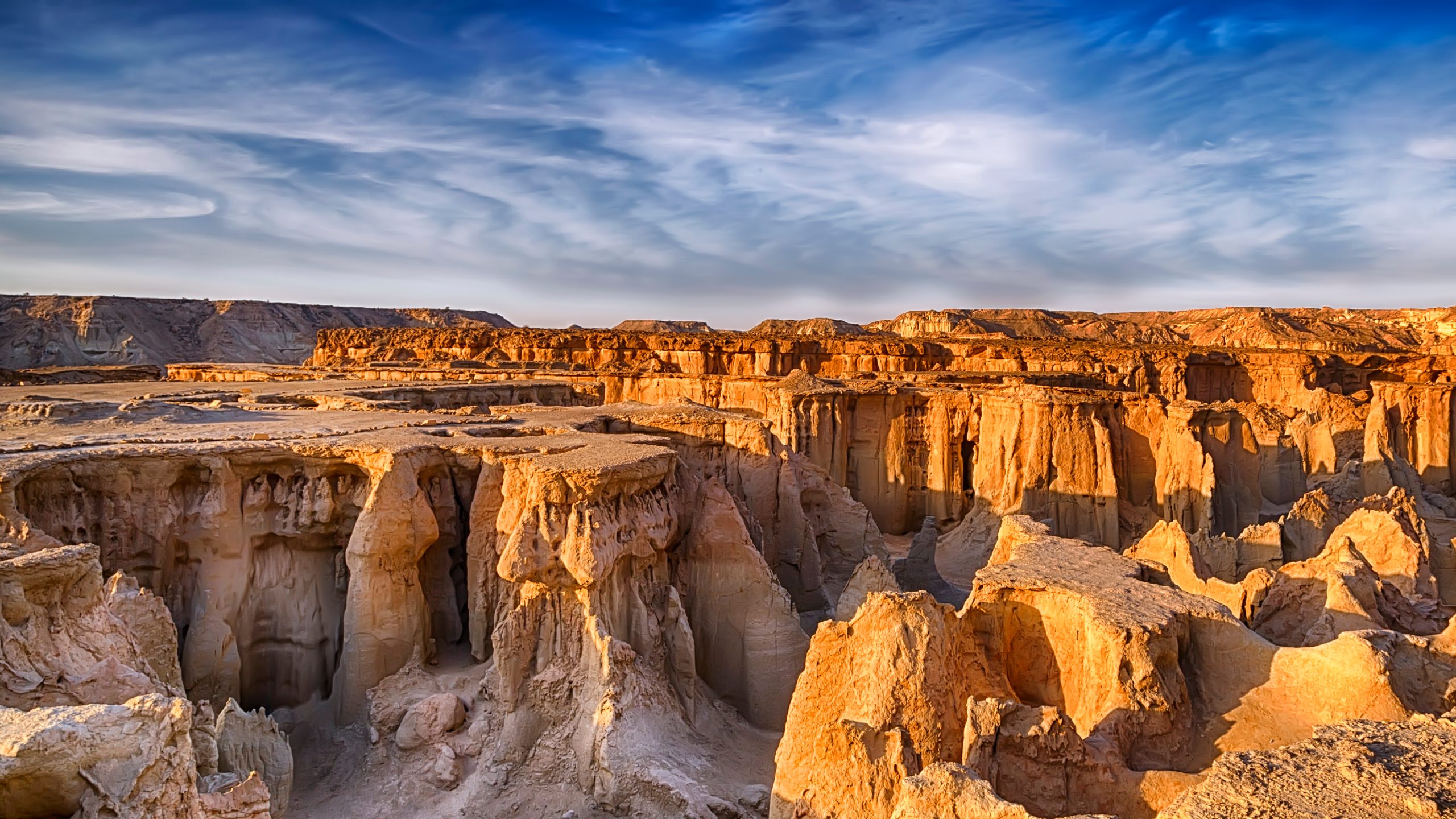
Qeshm Island
Qeshm Island, the largest island in the Persian Gulf and a jewel of Hormozgan province, is a unique destination in Southern Iran. Declared a UNESCO Global Geopark in 2017, the island is globally significant for its exceptional geological phenomena, ecological diversity, and rich local culture. It’s a top choice for ecotourism and adventure travel in…
-
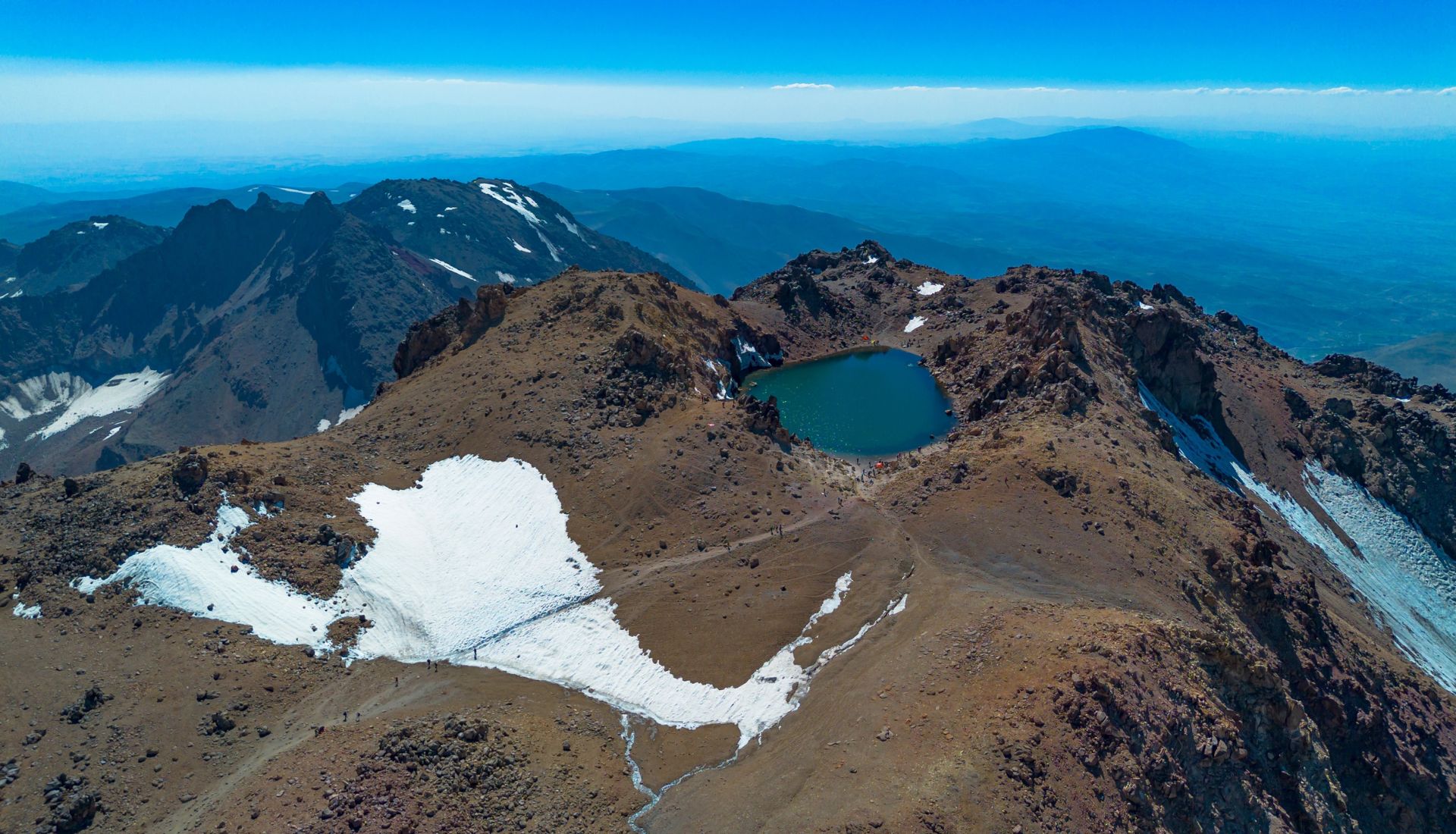
Mount Sabalan
Mount Sabalan (Savalan): Iran’s Sacred Volcanic Summit Mount Sabalan, known locally as Savalan, is one of the most magnificent and important natural and spiritual landmarks in Iran. As the country’s third-highest peak and a potentially active volcano, it offers a blend of challenging mountaineering, healing hot springs, and ancient spiritual significance. Key information Feature Description…
-
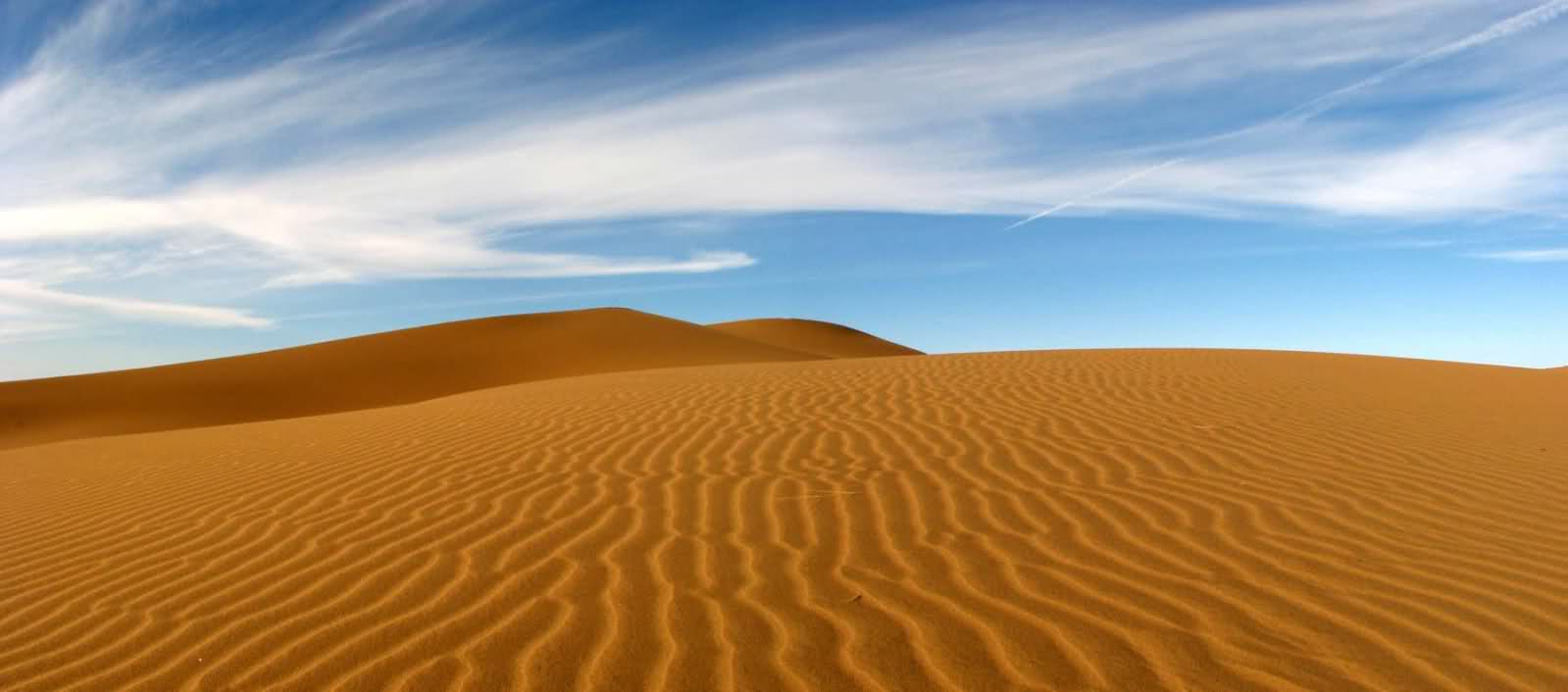
Maranjab Desert
Maranjab Desert The Maranjab Desert is one of Iran’s most accessible and picturesque desert landscapes, offering a perfect blend of towering golden sand dunes, historical Silk Road architecture, and vast salt lakes. Located in the north of Isfahan Province, it is an ideal destination for adventure travelers, stargazers, and history enthusiasts visiting Central Iran. Feature…