Mount Sabalan (Savalan): Iran’s Sacred Volcanic Summit
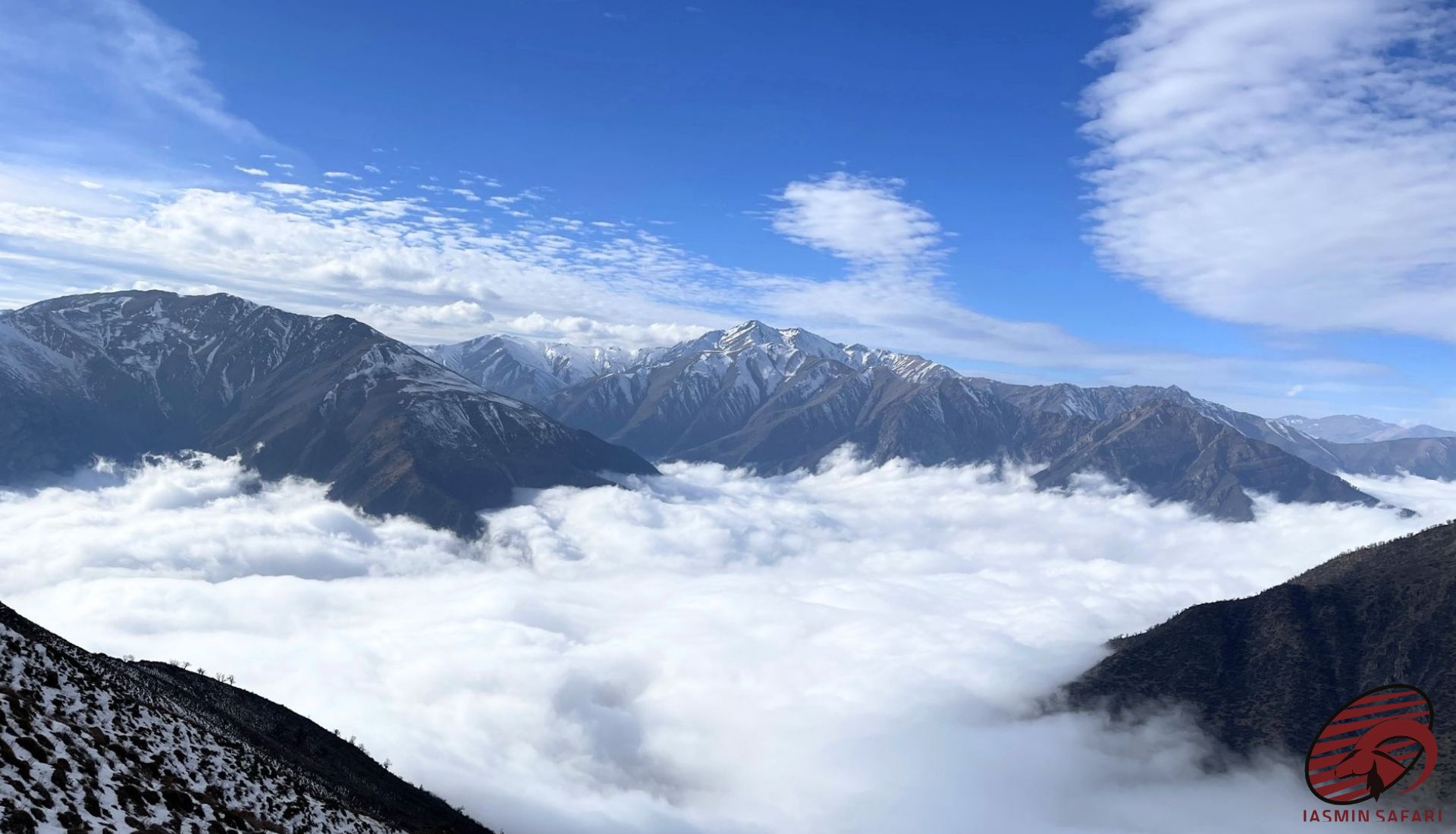
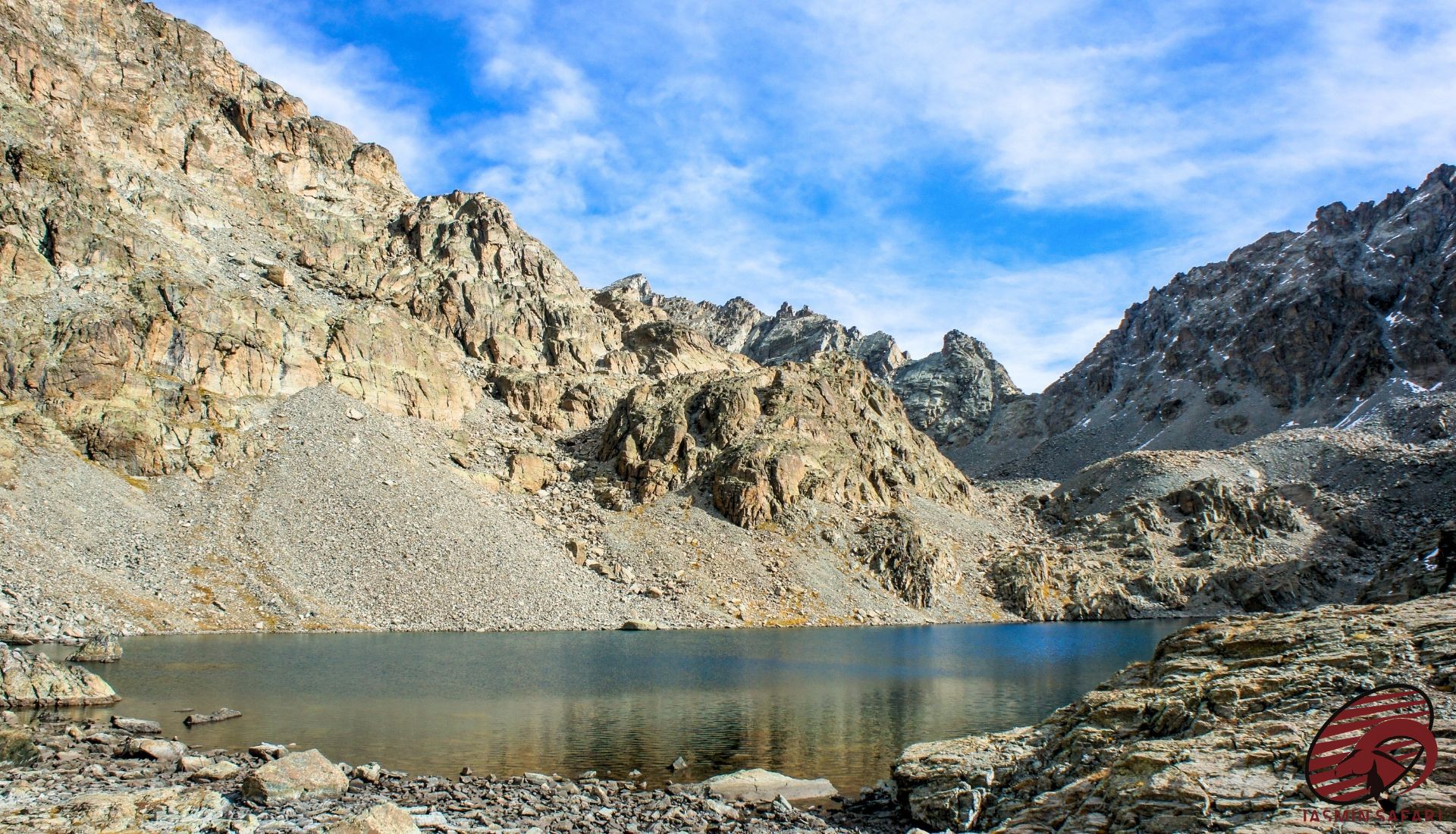
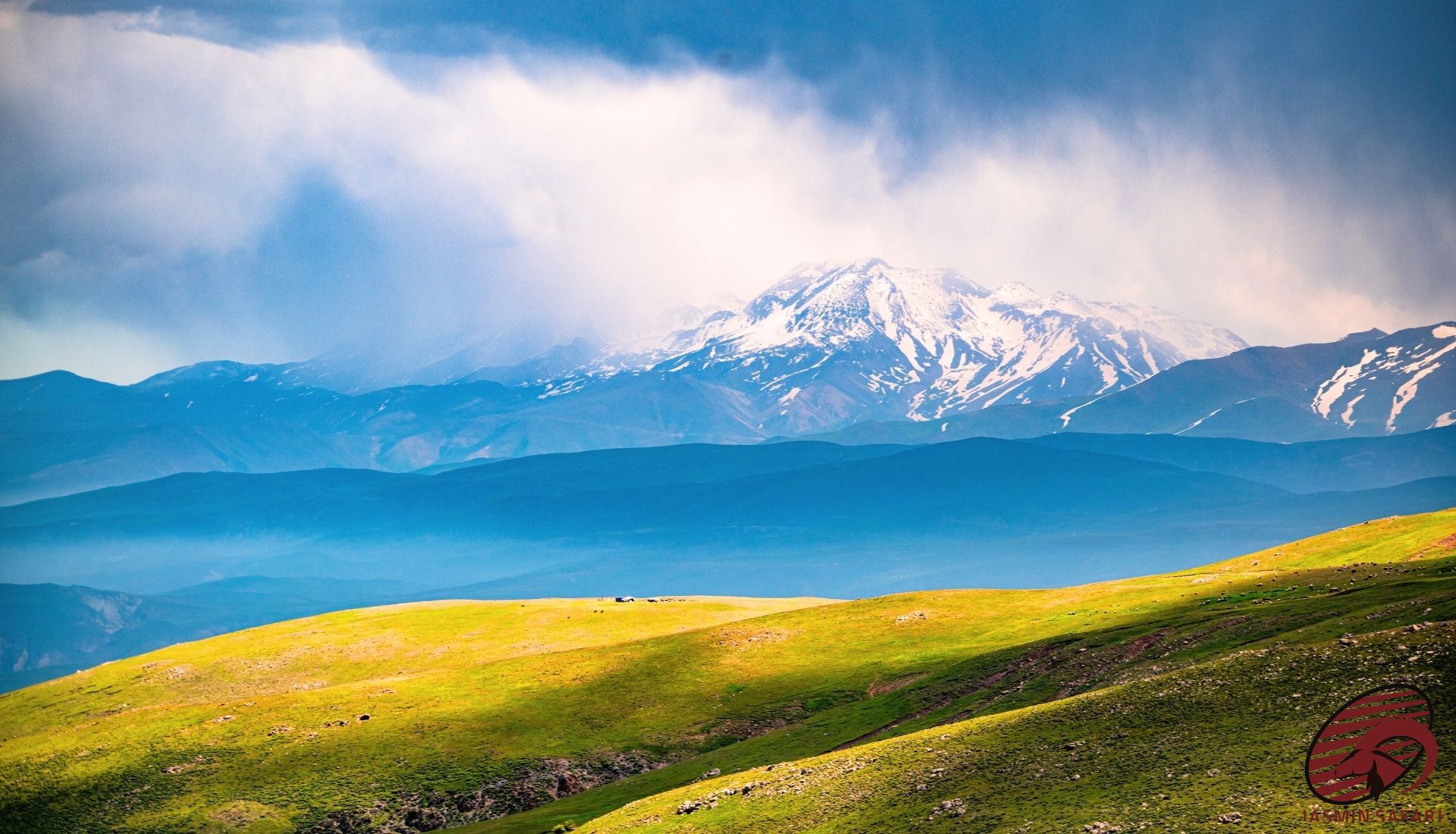
Mount Sabalan, known locally as Savalan, is one of the most magnificent and important natural and spiritual landmarks in Iran. As the country’s third-highest peak and a potentially active volcano, it offers a blend of challenging mountaineering, healing hot springs, and ancient spiritual significance.
Key information
| Feature | Description |
| Location | Northwestern Iran, within the Ardabil Province. Located between the cities of Ardabil and Meshginshahr. |
| Elevation | 4,811 meters (15,784 feet) - Third-highest Mountain in Iran (after Damavand and Alam-Kuh). |
| Mountain Type | Stratovolcano (Potentially active, currently in a fumarolic stage). Last eruption is unknown but estimated to be Holocene (within the last 10,000 years). |
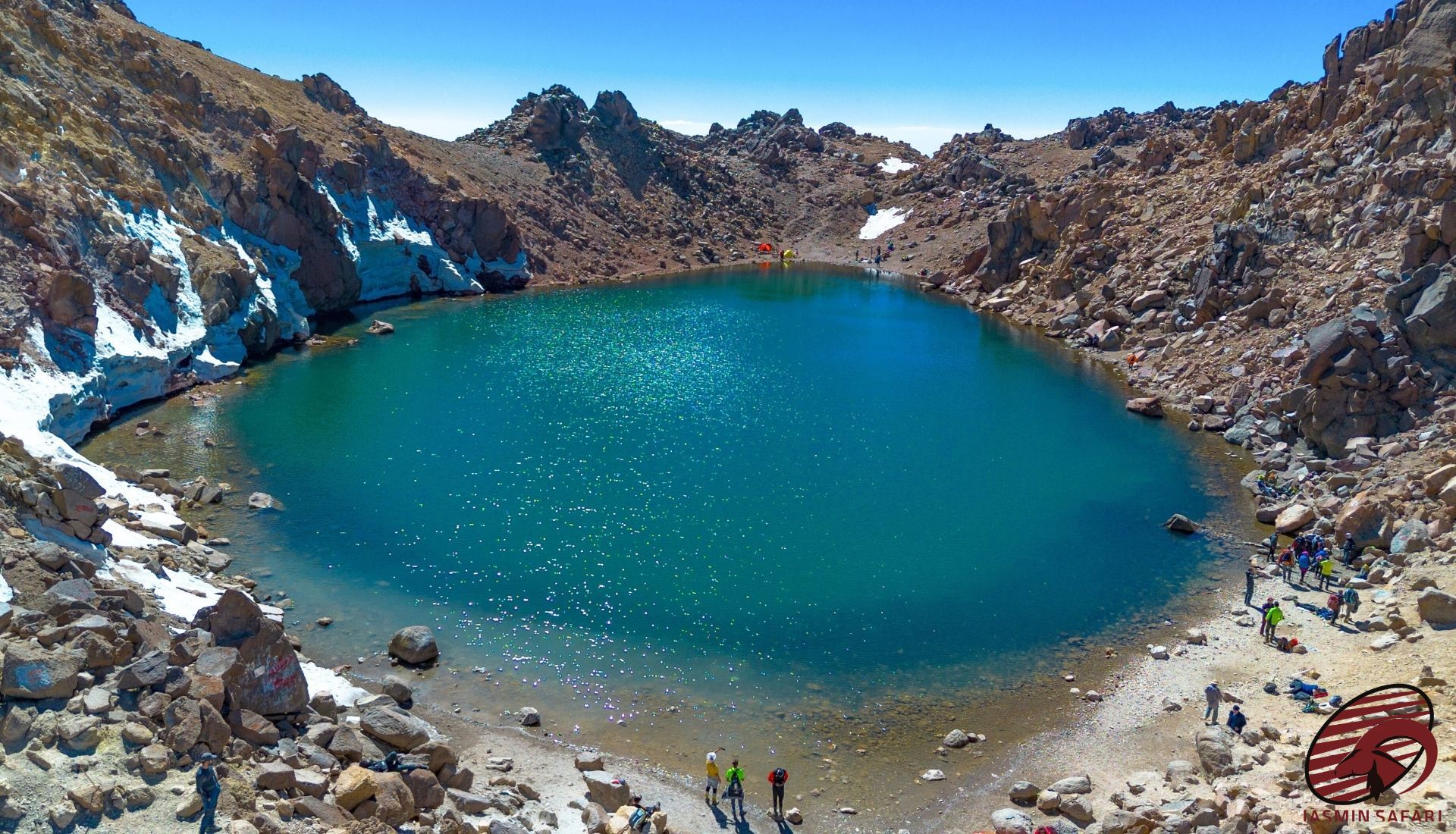
| Summit Feature | Sabalan Crater Lake: A permanent, oval-shaped lake formed in the volcanic crater. It is one of the world's highest lakes, frozen for most of the year (usually only thawed for 4-6 weeks in mid-summer). |
| Other Peaks | The massif has multiple peaks, including the highest point (Soltan Peak), Heram Dagh and Kasra Peak. |
| Spiritual Significance | Considered a sacred mountain, particularly by the local Azerbaijani people. Ancient belief holds it as the place where the prophet Zoroaster (Zarathustra) meditated and received his revelation. |
| Symbolic Feature | Eagle Rock (Qartal Dağı): A large, naturally eroded rock formation on the western slope resembling an eagle, a symbolic landmark of the mountain. |
| Climate | Continental climate with hot, dry summers and extremely cold, snowy winters. Snow covers the mountain for most of the year, sustaining several small glaciers. |
| Best Time to Climb | Late June to Mid-September (Summer), when the weather is most stable and the snow minimal for non-technical routes. |
Climbing Routes and Tourism
| Route | Starting Point / Characteristics |
| Northeastern Route | Starts from Shabil Hot Springs; most popular and least challenging route. Access to the refuge (∼3,700 m) is often by 4x4 vehicles in summer. |
| Southern Route | Starts from Alvares Ski Resort; less crowded, more scenic route with opportunities to meet nomadic tribes (Shahsevan). |
| Western Route | Starts from Ghara Gol Lake; passes the Eagle Rock. Considered more challenging and rugged. |
Main Attractions
Hot Springs (Sareyn & Shabil): The volcanic activity of Sabalan results in numerous hot mineral springs around its slopes (most famously in Sareyn and Shabil), renowned for their therapeutic and healing properties.
Alvares Ski Resort: Located on the southern slopes, it is one of Iran’s highest ski resorts, often having snow available even near summer.
Nomadic Culture: The foothills are the summer grazing grounds for the Shahsevan nomads, offering tourists a chance to experience traditional nomadic life and yurt tents.

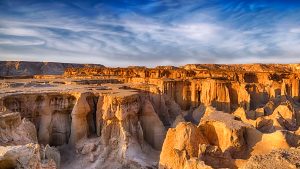
Qeshm Island
Qeshm Island, the largest island in the Persian Gulf and a jewel of Hormozgan province, is a unique destination in Southern Iran. Declared a UNESCO
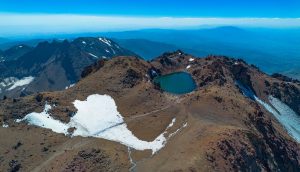
Mount Sabalan
Mount Sabalan (Savalan): Iran’s Sacred Volcanic Summit Mount Sabalan, known locally as Savalan, is one of the most magnificent and important natural and spiritual landmarks
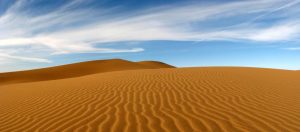
Maranjab Desert
Maranjab Desert The Maranjab Desert is one of Iran’s most accessible and picturesque desert landscapes, offering a perfect blend of towering golden sand dunes, historical
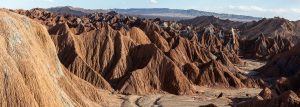
Lut Desert
Dasht-e Lut (Lut Desert) The Dasht-e Lut, meaning “Emptiness Plain” in Persian, is a large salt desert located in the southeastern part of Iran. It