The Hyrcanian Forests: Iran’s Ancient ‘Living Fossil’
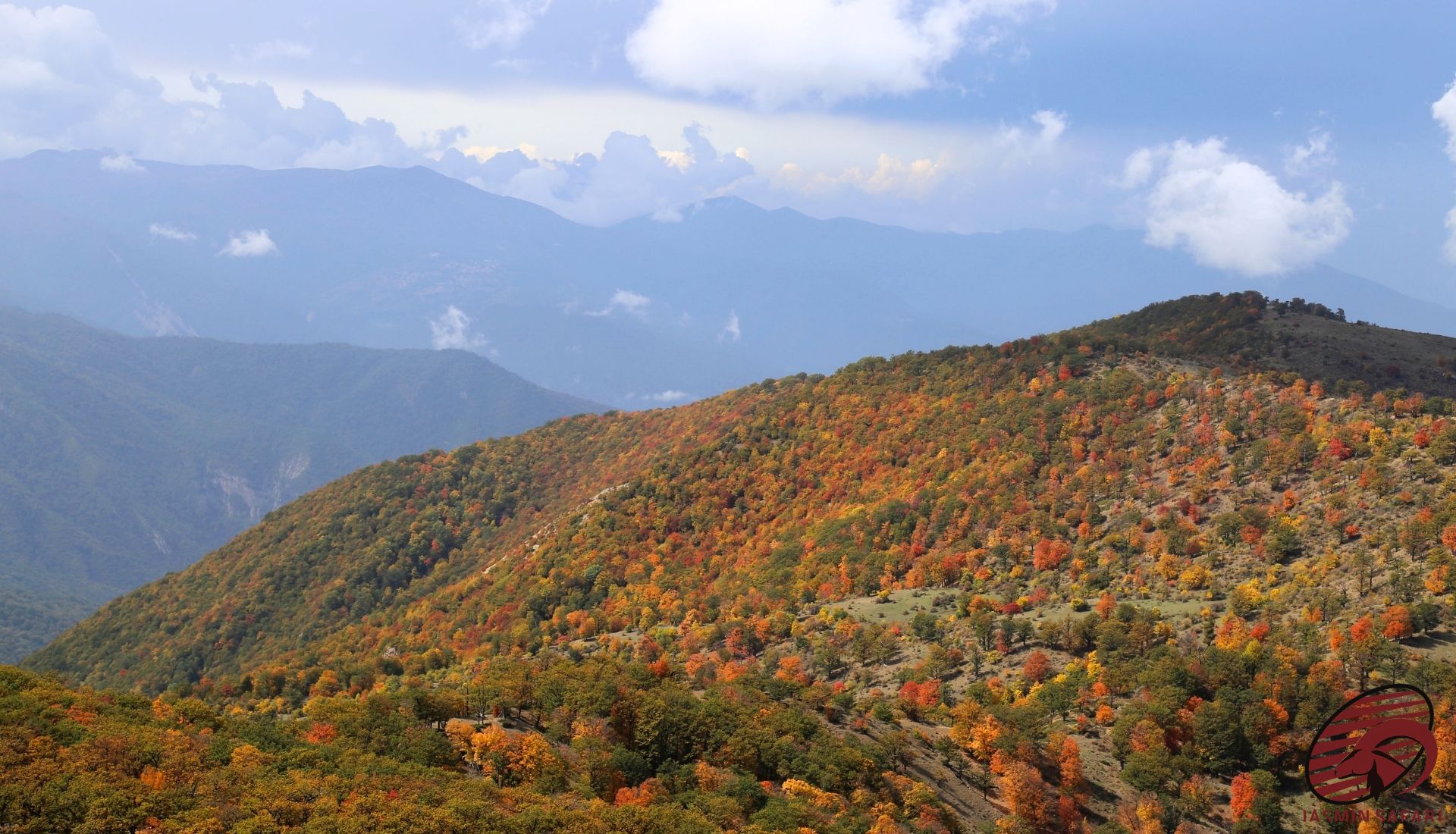
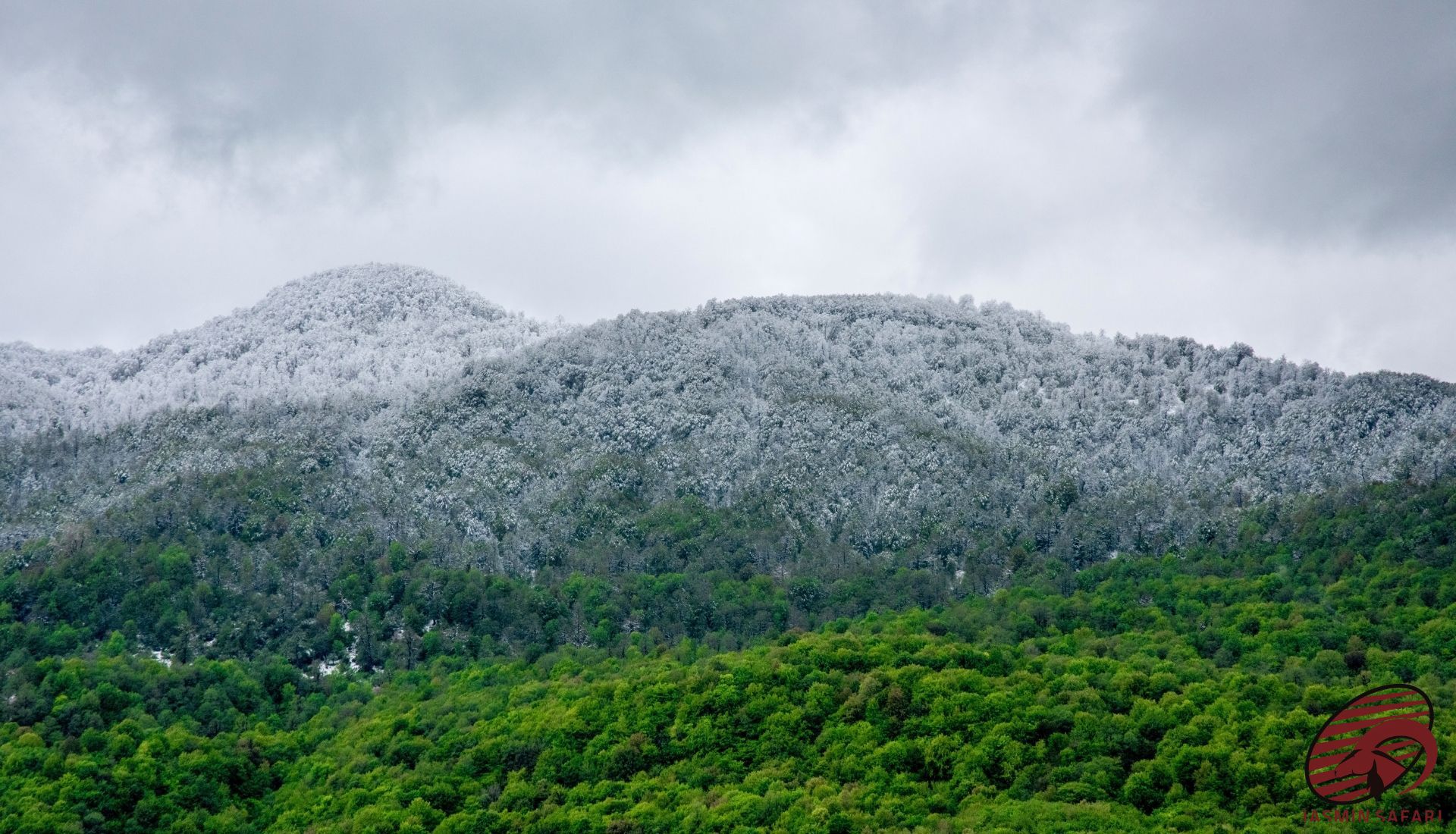
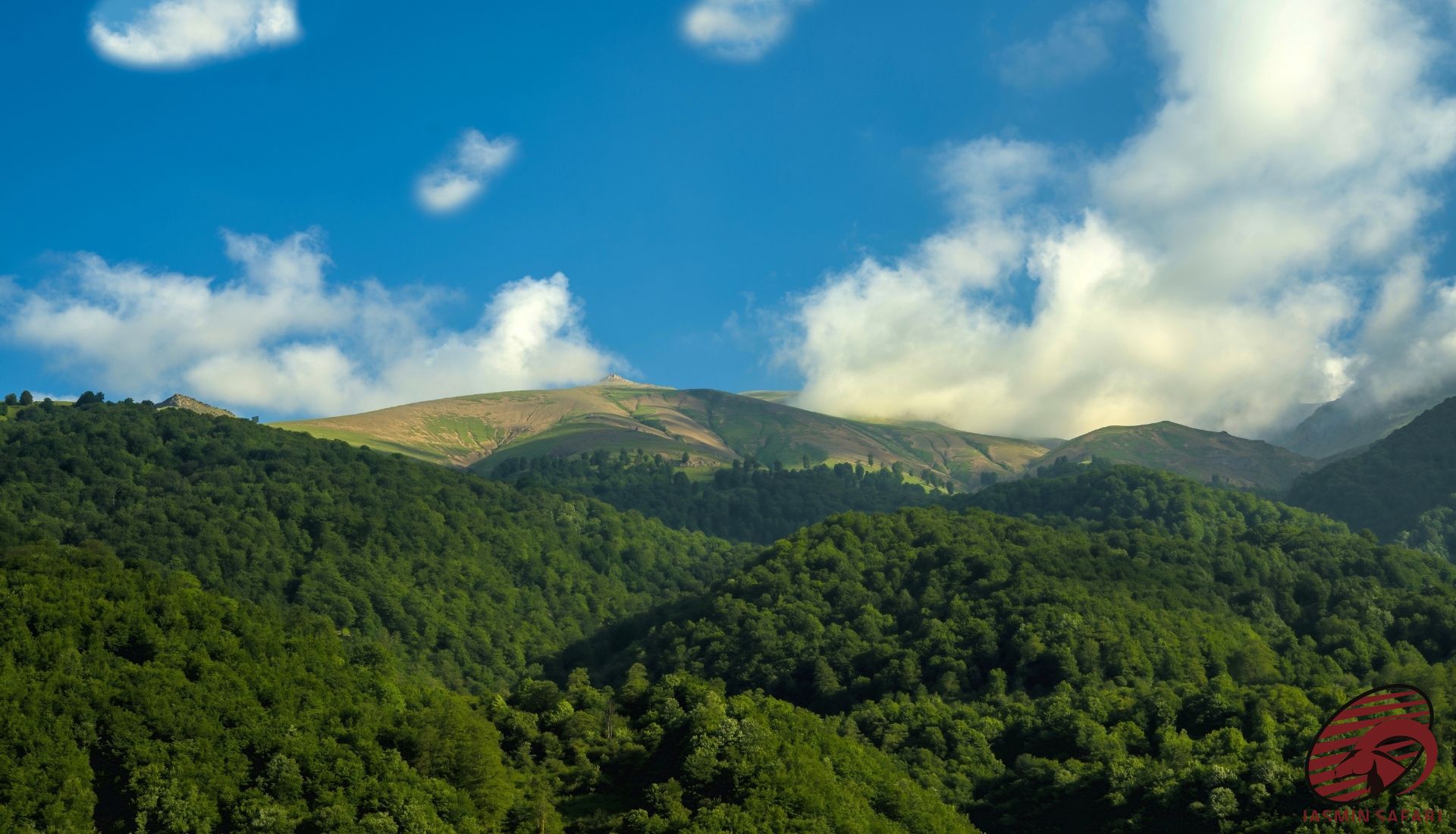
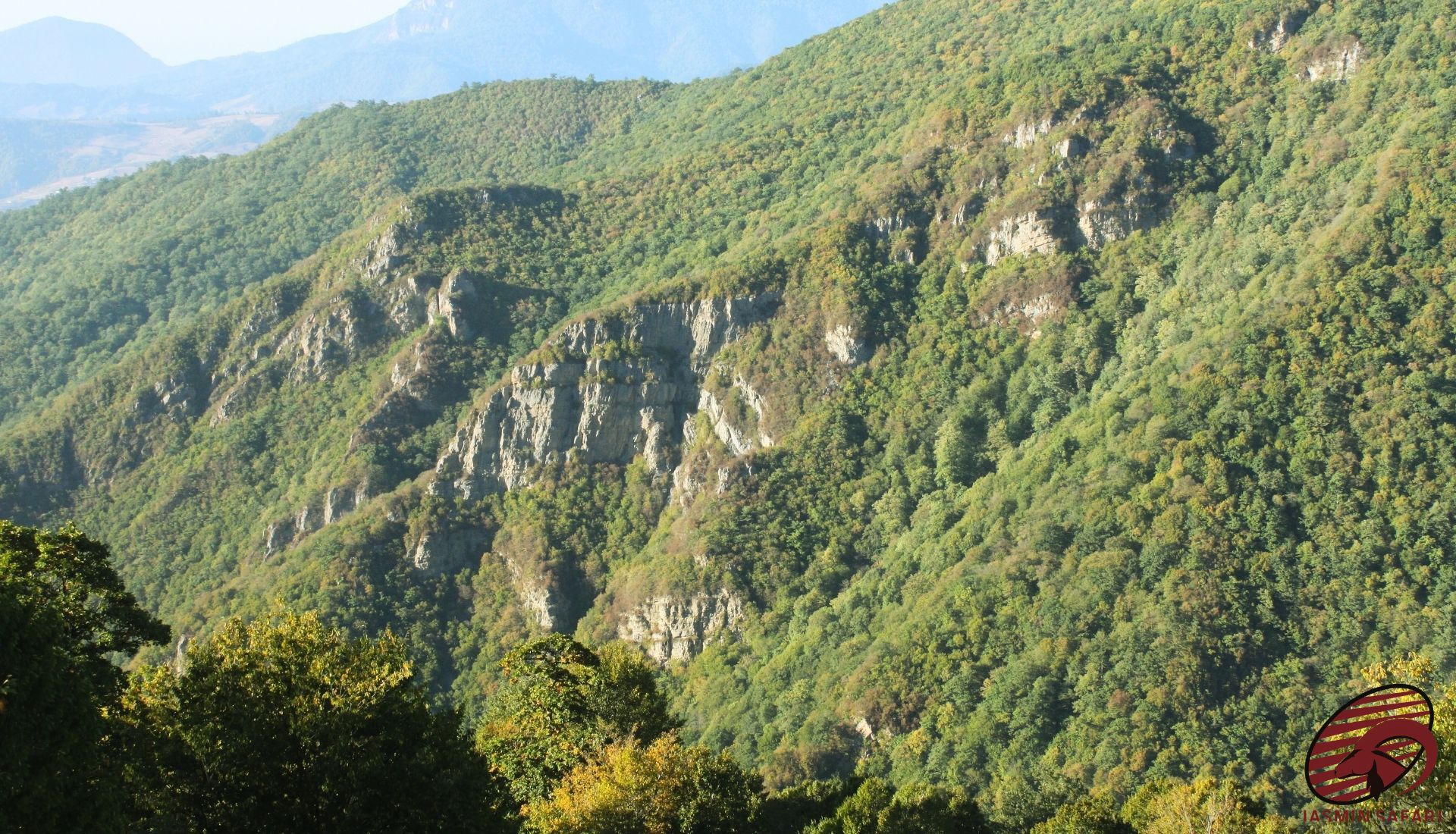
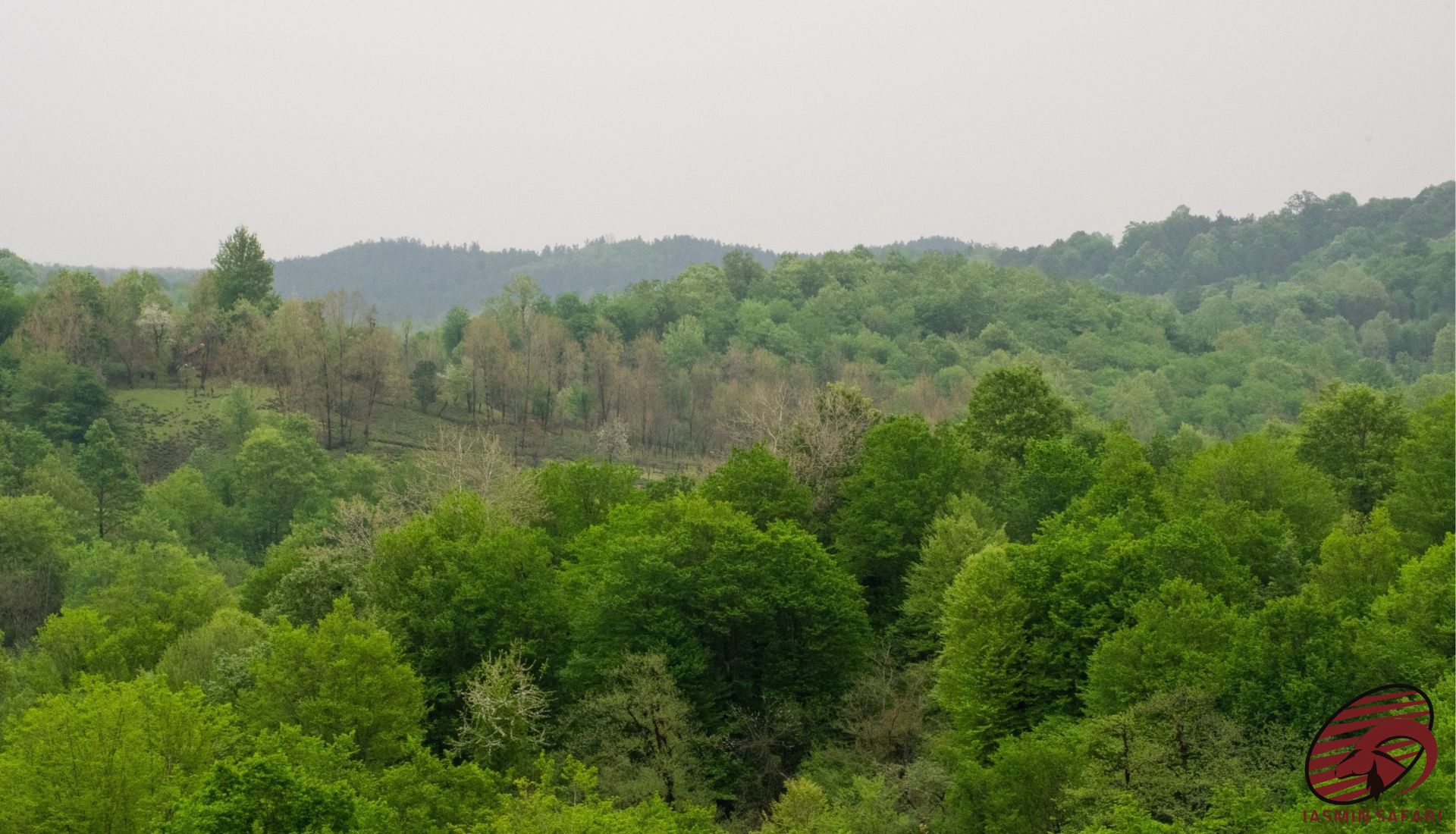
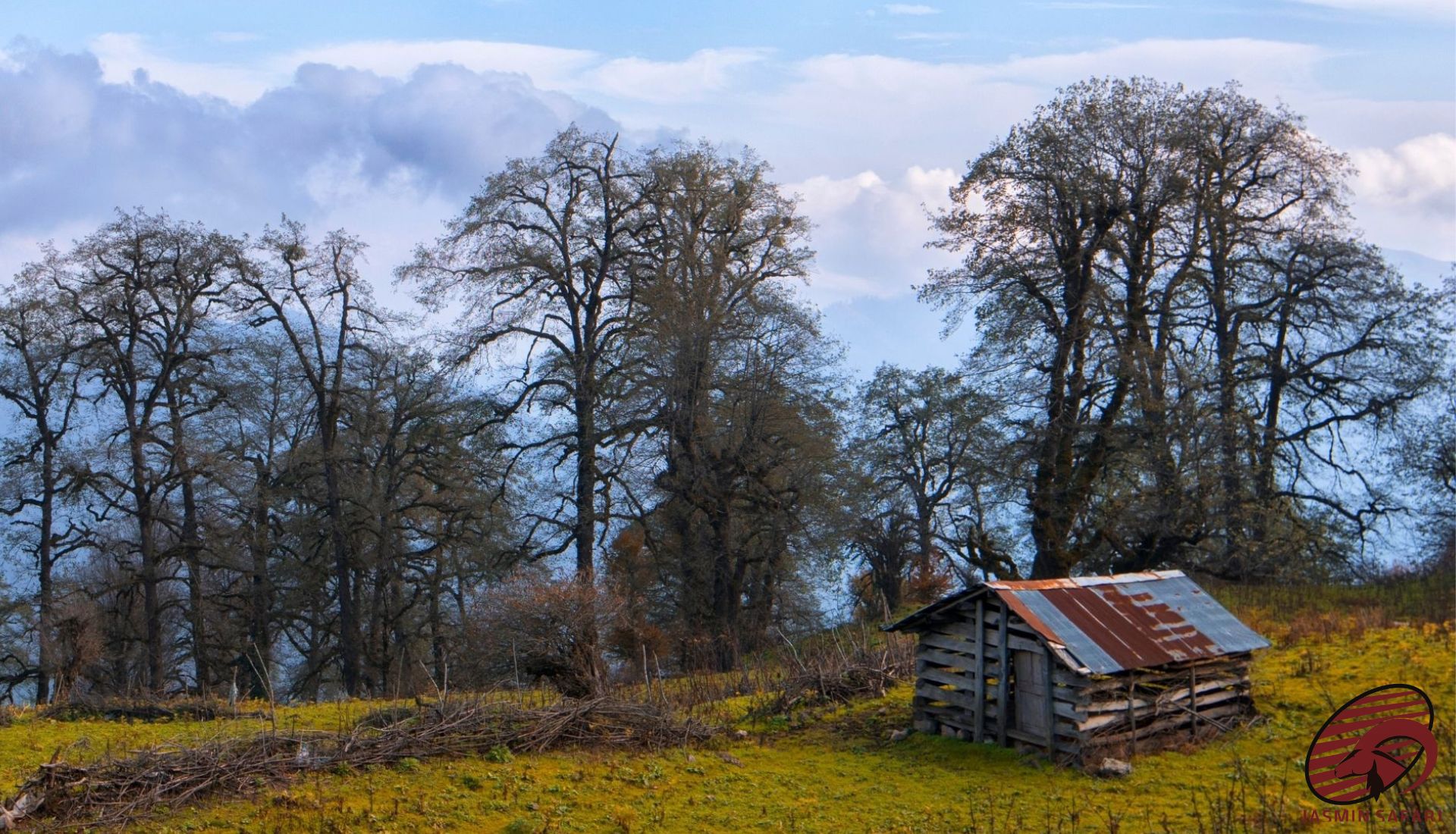
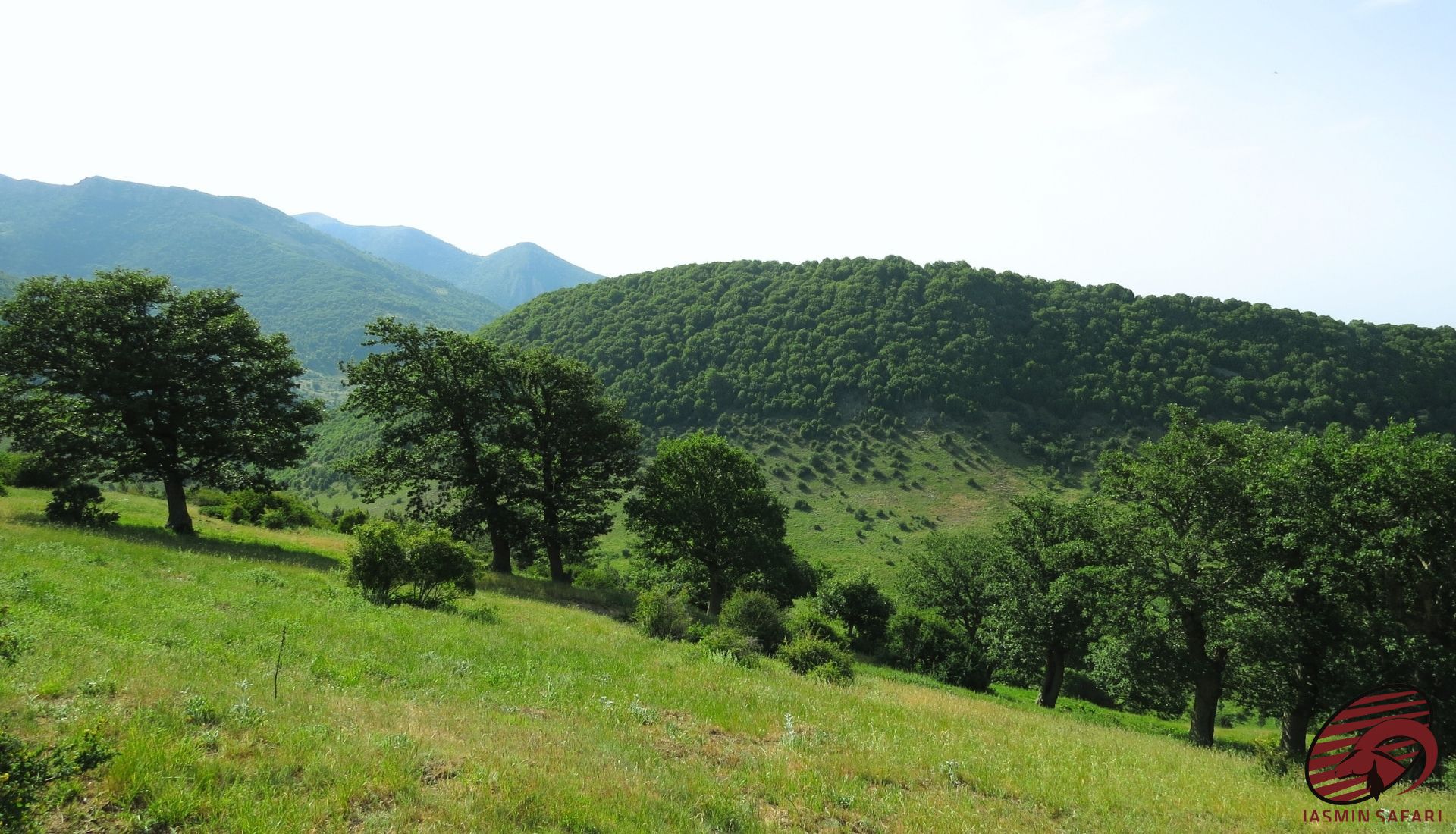
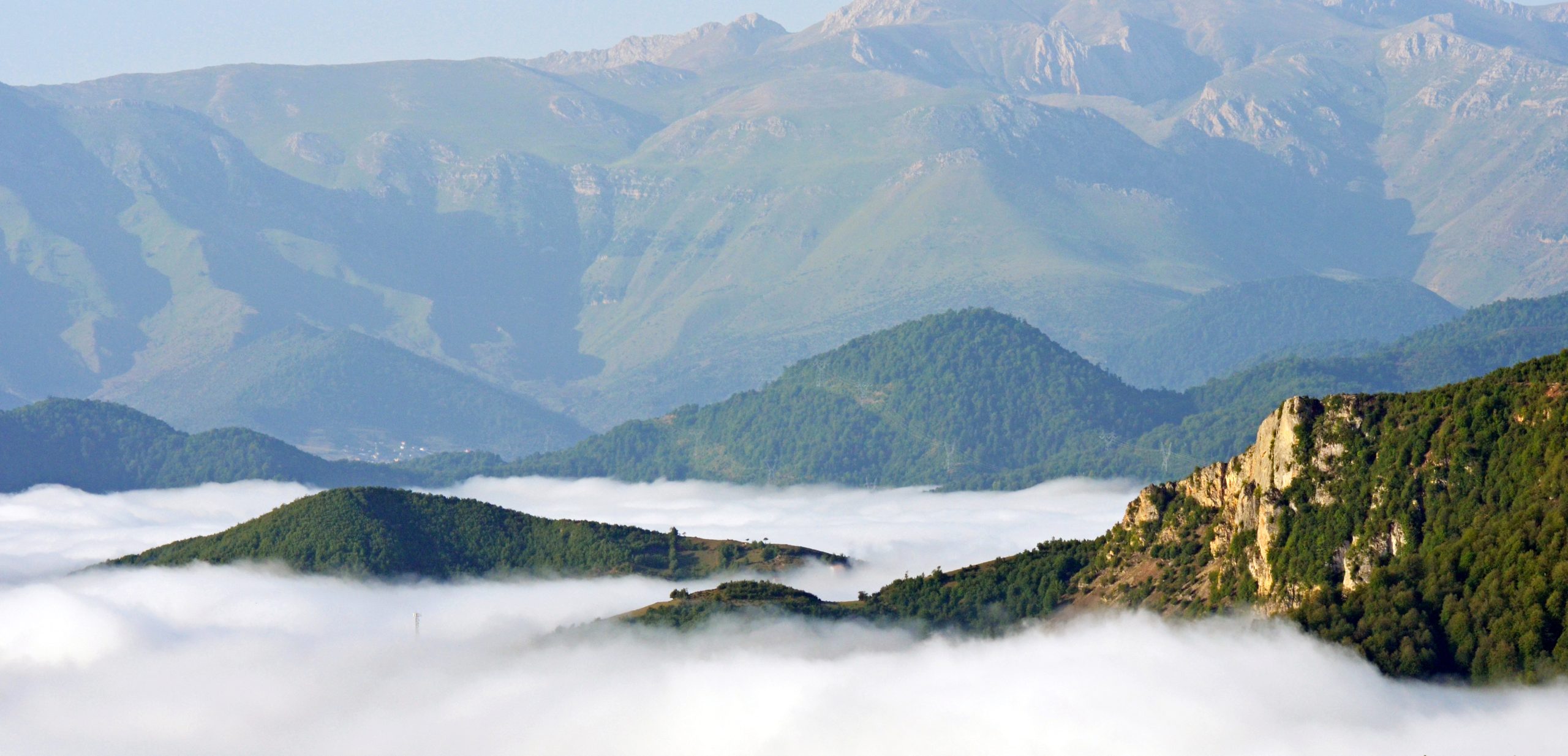
The Hyrcanian Forests are a unique and invaluable natural treasure stretching like a green ribbon along the southern coast of the Caspian Sea, mainly across Iran, and partly in Azerbaijan. Revered as one of the world’s most ancient forest ecosystems, they represent a living link to the Tertiary period, having survived the glacial cycles that wiped out similar forests in Europe and Asia. The name Hyrcania is derived from the Old Persian Varkâna, meaning “Wolf-land” (referring to the historic presence of wolves).
Key Facts
Official Name: Hyrcanian Forests (UNESCO World Heritage Site, inscribed in 2019). Also known as Caspian Hyrcanian Mixed Forests.
Location: Stretches approximately 850-1,000 km along the southern and southwestern coast of the Caspian Sea, covering the northern slopes of the Alborz Mountains.
Countries: Primarily Iran (across Gilan, Mazandaran, and Golestan provinces) and Azerbaijan.
Age & History: Dates back 25 to 50 million years (Tertiary period). They served as a refugium during the Quaternary glaciations, making them a “mother” source for many modern European broad-leaved forests.
Ecology & Flora Temperate
Deciduous Broad-leaved Forest. Exceptionally high floristic biodiversity with over 3,200 vascular plant species. Notable relict and endemic species include:
– Persian Ironwood (Parrotia persica)
– Caucasian Wingnut (Pterocarya fraxinifolia)
– Oriental Beech (Fagus orientalis)
– Chestnut-leaved Oak (Quercus castaneifolia)
Fauna (Wildlife)
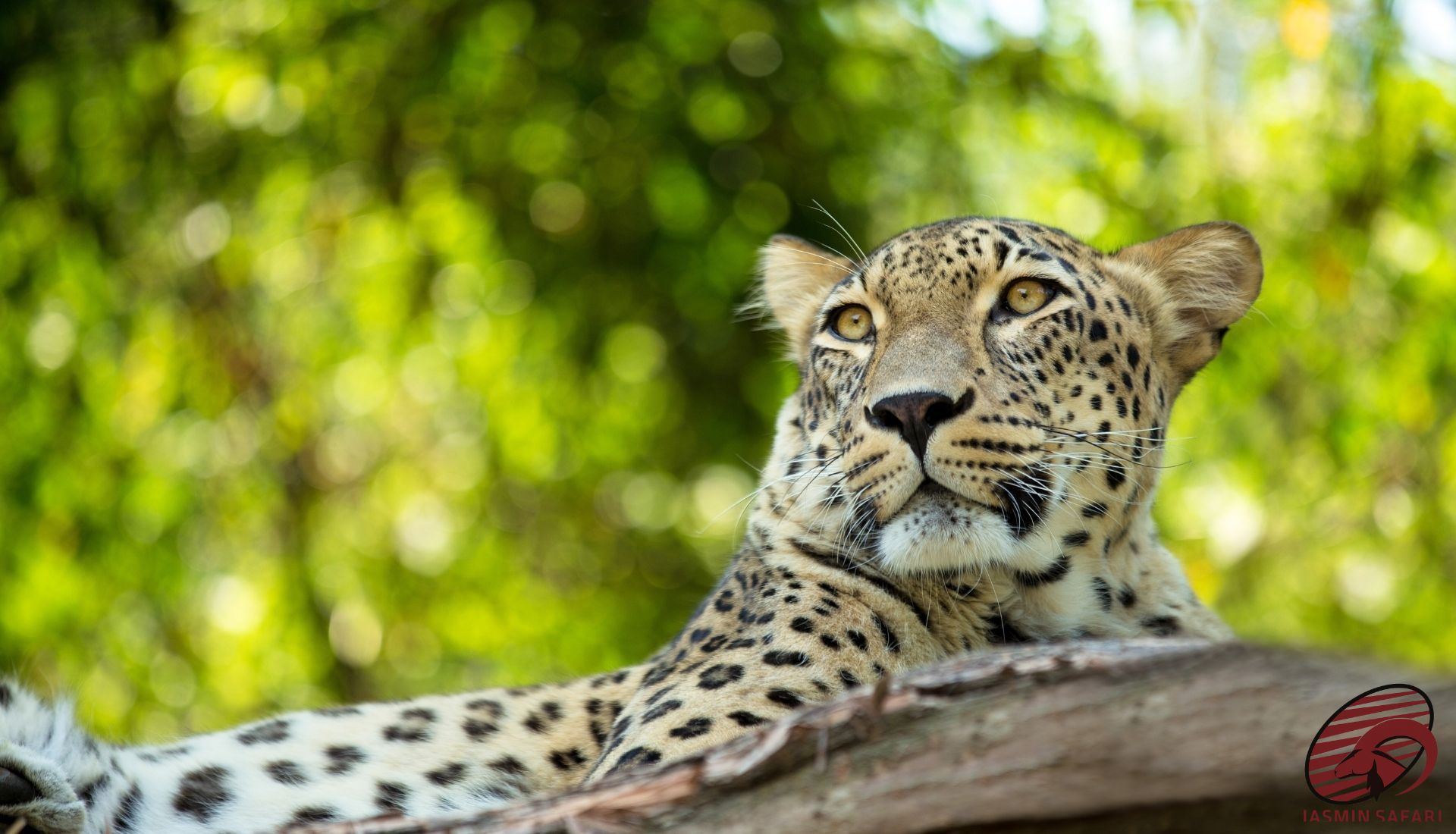
Home to 58 mammal species and 180 bird species, including some of the world’s most charismatic and endangered animals:
–Persian Leopard (Panthera pardus ciscaucasica)
-Brown Bear (Ursus arctos)
-Wild Boar, Roe Deer, Red Deer (Maral)
-Golden Jackal (Canis aureus).
Notable Attractions
Golestan National Park (the largest and oldest forest park), Abr Forest (famous for the “Cloud Ocean” phenomenon where the forest appears to float above the clouds).
Conservation Status
The forest is threatened by illegal logging, unsustainable grazing, poaching, and unmanaged tourism, but the UNESCO-inscribed components are protected.

Qeshm Island
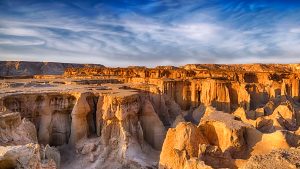
Qeshm Island, the largest island in the Persian Gulf and a jewel of Hormozgan province, is a unique destination in Southern Iran. Declared a UNESCO
Mount Sabalan
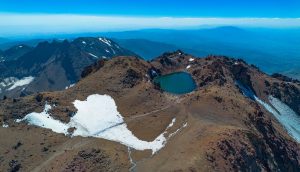
Mount Sabalan (Savalan): Iran’s Sacred Volcanic Summit Mount Sabalan, known locally as Savalan, is one of the most magnificent and important natural and spiritual landmarks
Maranjab Desert
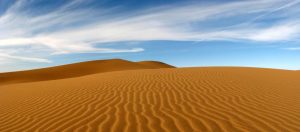
Maranjab Desert The Maranjab Desert is one of Iran’s most accessible and picturesque desert landscapes, offering a perfect blend of towering golden sand dunes, historical
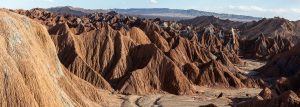
Lut Desert
Dasht-e Lut (Lut Desert) The Dasht-e Lut, meaning “Emptiness Plain” in Persian, is a large salt desert located in the southeastern part of Iran. It