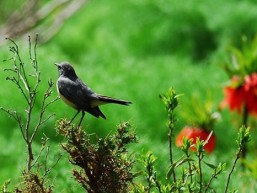
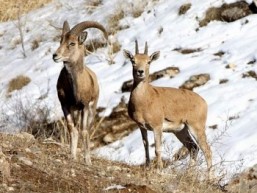
Registered in June 2015, Tang-e-Sayyad Sabzkouh is Iran’s latest addition to the UNESCO World Network of Biosphere Reserves. Located in the southwestern province of Chaharmahal and Bakhtiari, this sprawling reserve spans 532,878 hectares and represents a critical intersection of geological wonder and biological diversity.
A Landscape Shaped by Time
The reserve’s geography is a masterpiece of natural forces. Land subsidence, geological shifts, and melting ice caps have carved out a series of high-altitude wetlands. These ecosystems serve as a sanctuary for rare fauna, including:
The Wild Cat (Felis silvestris)
The Tiger Snake (Telescopus tessellatus)
The Lifeblood of the Karun River
The site is home to the Karun River, Iran’s largest and most iconic waterway. The river supports a robust aquatic ecosystem featuring 22 distinct fish species, most notably the Pike and the Mesopotamian Catfish.
Migratory Birds & Seasonal Wonders
During the winter months, the lush bushlands and wetlands become a vital stopover for migratory birds. Visitors and birdwatchers can observe:
White Storks
Greater Flamingos
Culture, Community, and Ecotourism
Tang-e-Sayyad Sabzkouh is not just a biological treasure but a cultural one. The abundance of rivers and natural springs has fostered a deep connection between the land and its people, leading to:
Traditional Agriculture & Husbandry: Managed sustainably by local communities.
Local Handicrafts: Unique artisanal works reflecting Bakhtiari culture.
Folk Festivals: Authentic celebrations that offer immense potential for sustainable tourism development.

Khangormaz
Khangormaz (also spelled Khan Garmz or Khan-Gormaz) is a prominent protected area and mountain massif in the Hamedan Province of western Iran. It is widely

Siah kuh
Siah Kuh (Persian: سیاه کوه), meaning “Black Mountain,” refers to several locations in Iran, but the most prominent is the Siah Kuh National Park. Located
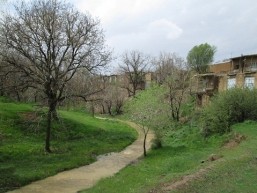
Lashgardar
The Lashgardar Protected Area, established in 1990, stands as one of the most ecologically significant regions in Western Iran. Spanning 16,089 hectares within the Hamedan
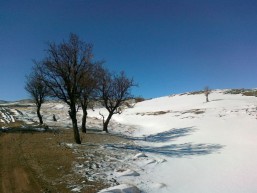
Bashgol
The Bashgol Protected Area is one of Iran’s most diverse ecological landscapes. Established in 1996, this 25,344-hectare sanctuary is a transition zone where rolling plains