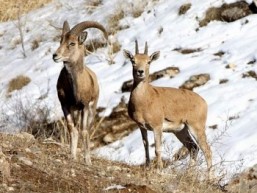
Khangormaz

Khangormaz

Khangormaz (also spelled Khan Garmz or Khan-Gormaz) is a prominent protected area and mountain massif in the Hamedan Province of western Iran. It is widely considered one of the most important genetic and ecological reserves in the region.

1. Geography and Landscape

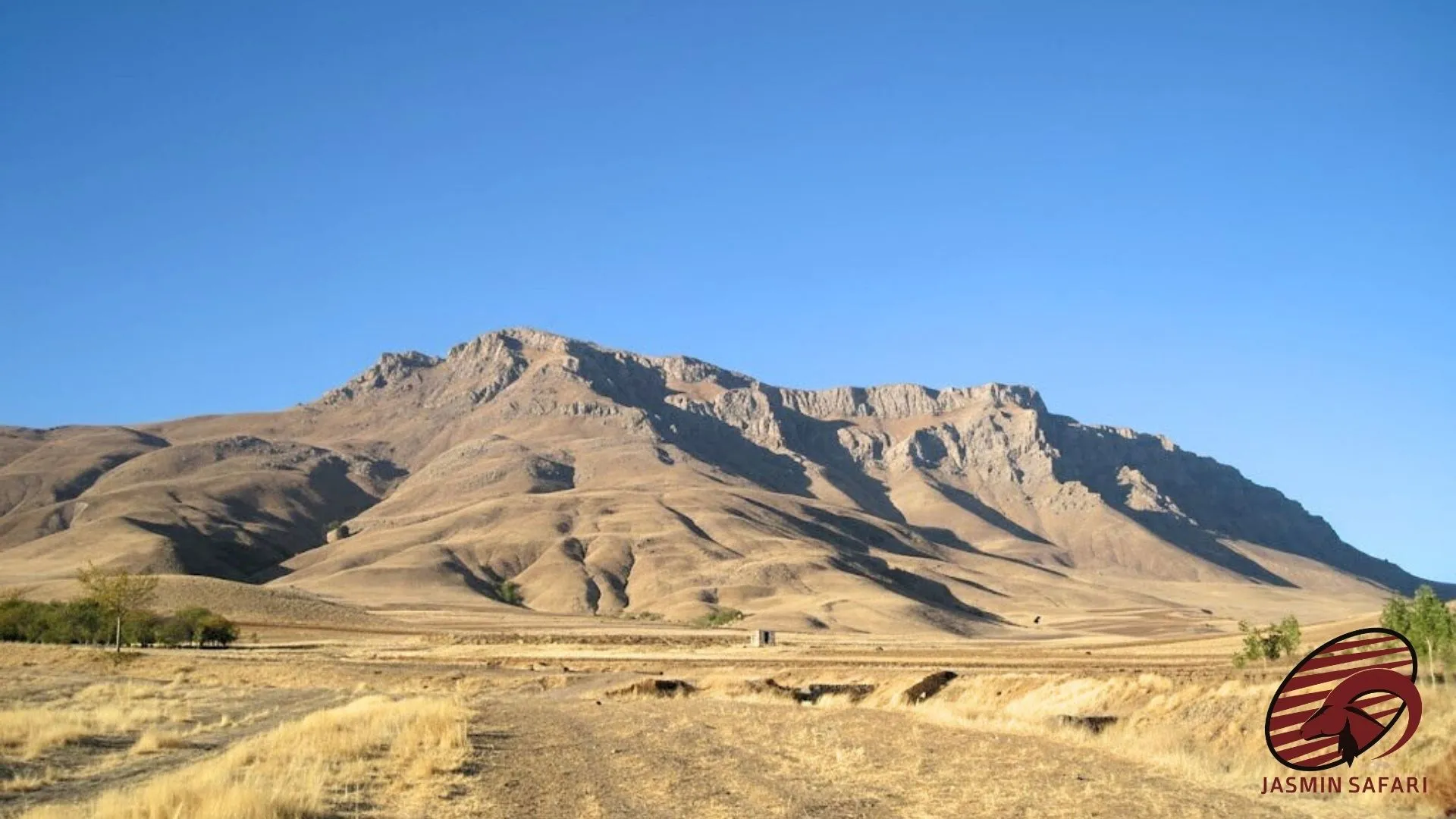
Located approximately 34 km west of Tuyserkan and 25 km east of Asadabad, Khangormaz is a rugged mountainous territory.

  • Area: It covers approximately 10,337 hectares (though some older records cite 5,000–9,000 ha).

  • Elevation: The altitude varies significantly, ranging from 1,580 m to a peak of 2,853 m.

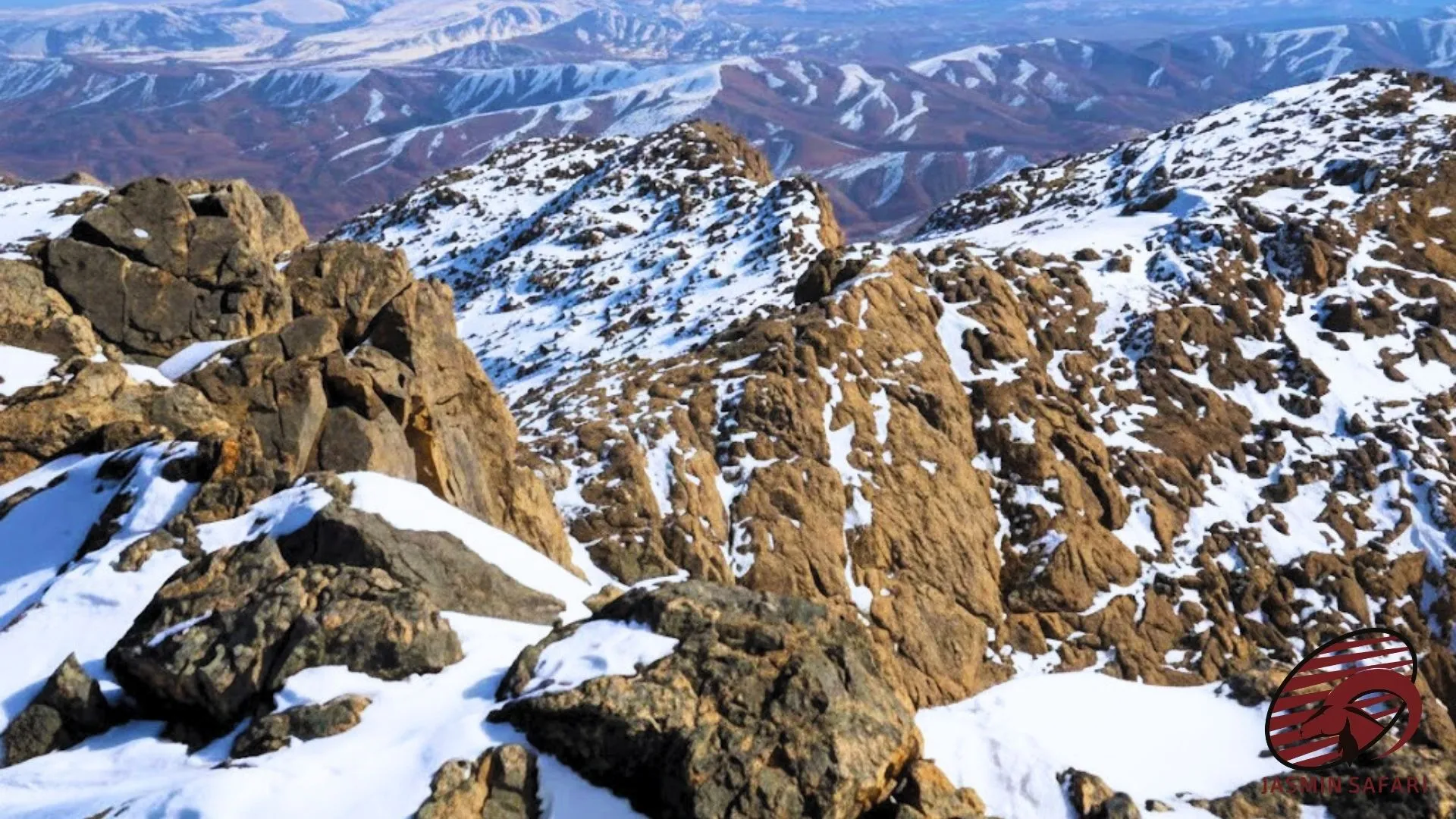
  • Terrain: The region is famous for its vertical cliffs, deep inaccessible valleys, and “complicated topography.” These natural barriers provide a safe haven for wildlife, as many parts of the mountain are nearly impossible for humans or livestock to reach.


2. Rare Wildlife

Khangormaz was designated a protected area in 2001 primarily to preserve its healthy populations of wild ungulates.

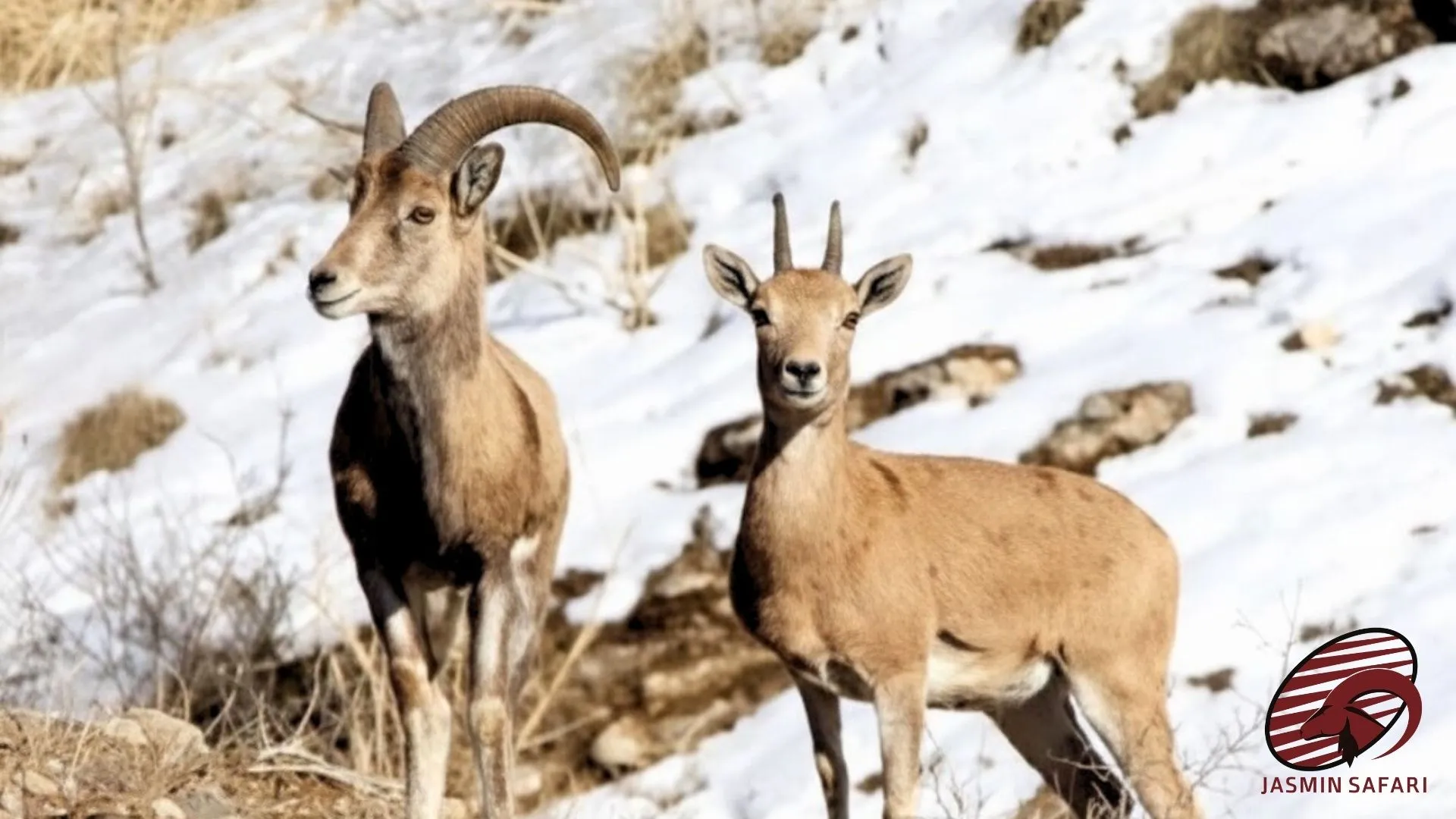
  • Armenian Mouflon (Ovis ammon gmelini): A significant colony lives here. Studies have shown their population is well-balanced and growing, thanks to the area’s protection.

  • Wild Goat (Capra aegagrus): This species is highly dense in the region, thriving on the steep rock faces.

  • Carnivores: The ecosystem supports predators like wolves, striped hyenas, foxes, and golden jackals.

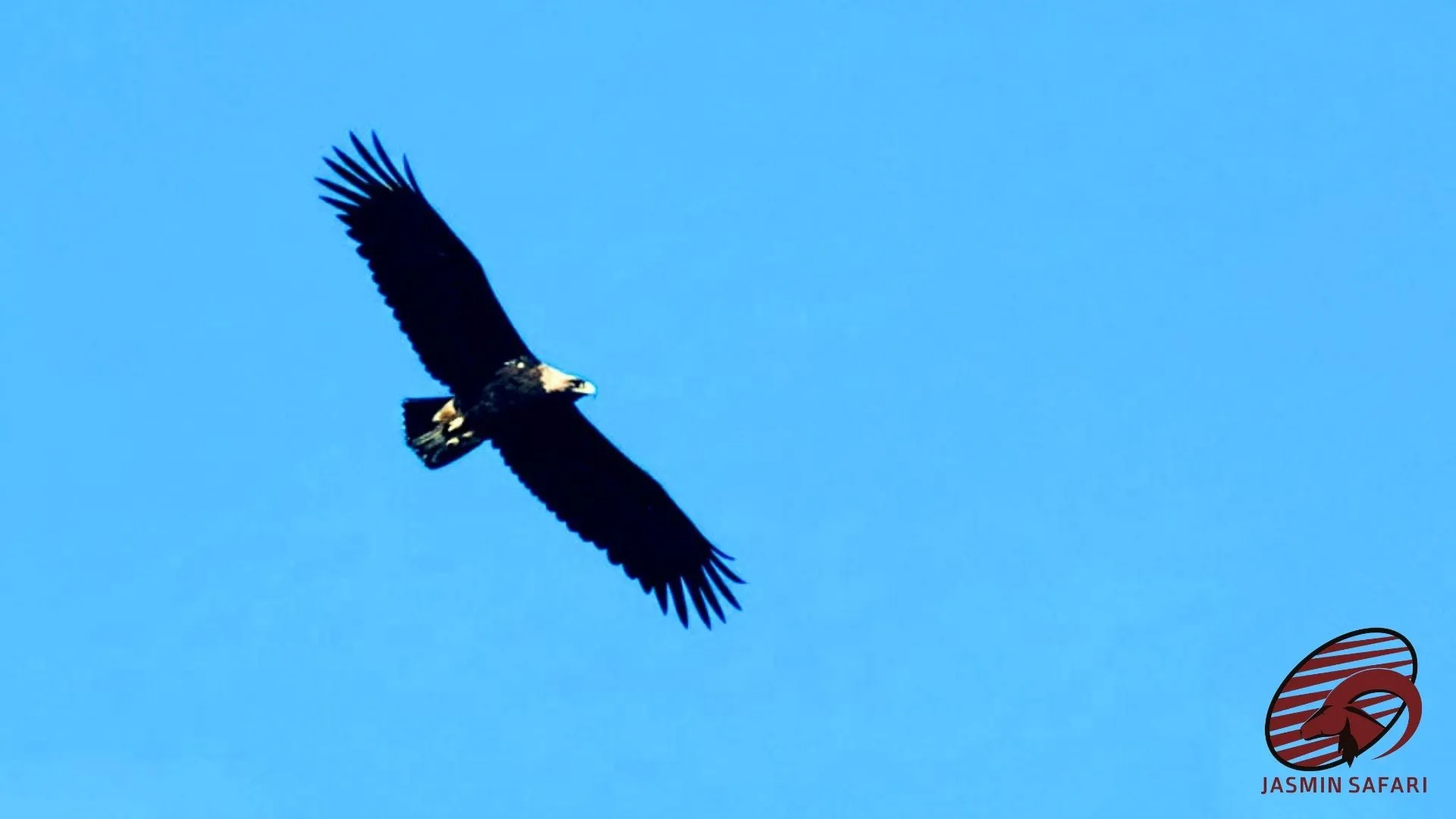
  • Birds: It is a birdwatcher’s paradise, home to the Golden Eagle, Black Vulture, Chukar Partridge and Red-billed Chough.

3. Floral Diversity

The area is a “genetic reserve” for plants, containing a mix of Irano-Turanian and Euro-Siberian elements.

  • Total Species: There are over 213 identified plant species (some surveys suggest up to 360) belonging to 45 different families.

  • Endemism: At least 17 to 29 species are endemic to Iran, making it a critical site for botanical conservation.

  • Key Plants: You will find wild almond, hawthorn, mountain nettle trees, and various medicinal herbs like Ziziphora and Thyme.

4. Climate

The region experiences a cold semi-arid climate.

  • Temperature: The mean annual temperature is around 9°C.

  • Precipitation: It receives about 400 mm of annual rainfall, often in the form of heavy snow during winter, which feeds the various natural springs that sustain the wildlife during the dry summer months.

Why it is famous locally

For people in Hamedan and Tuyserkan, Khangormaz is more than just a park; it is a symbol of “pristine nature.” Because it is distant from industrial pollution and noise, the air and water quality are exceptional. It is a frequent site for scientific research and Eco-tourism, though access is often regulated to ensure the animals remain undisturbed.

Khangormaz

Khangormaz (also spelled Khan Garmz or Khan-Gormaz) is a prominent protected area and mountain massif in the Hamedan Province of western Iran. It is widely

Read More »

Siah kuh

Siah Kuh (Persian: سیاه کوه), meaning “Black Mountain,” refers to several locations in Iran, but the most prominent is the Siah Kuh National Park. Located
Read More »

Lashgardar

The Lashgardar Protected Area, established in 1990, stands as one of the most ecologically significant regions in Western Iran. Spanning 16,089 hectares within the Hamedan
Read More »

Bashgol

The Bashgol Protected Area is one of Iran’s most diverse ecological landscapes. Established in 1996, this 25,344-hectare sanctuary is a transition zone where rolling plains

Read More »

Contact Us

Discover the thrill of Big Game Safaris and Wild Boar hunting in Iran! Our expert guides and trackers will lead you to the best-kept hunting grounds. Join us for an unforgettable adventure!
 
© All Rights Reserved. 2025

Address