Tandoureh

Tandoureh

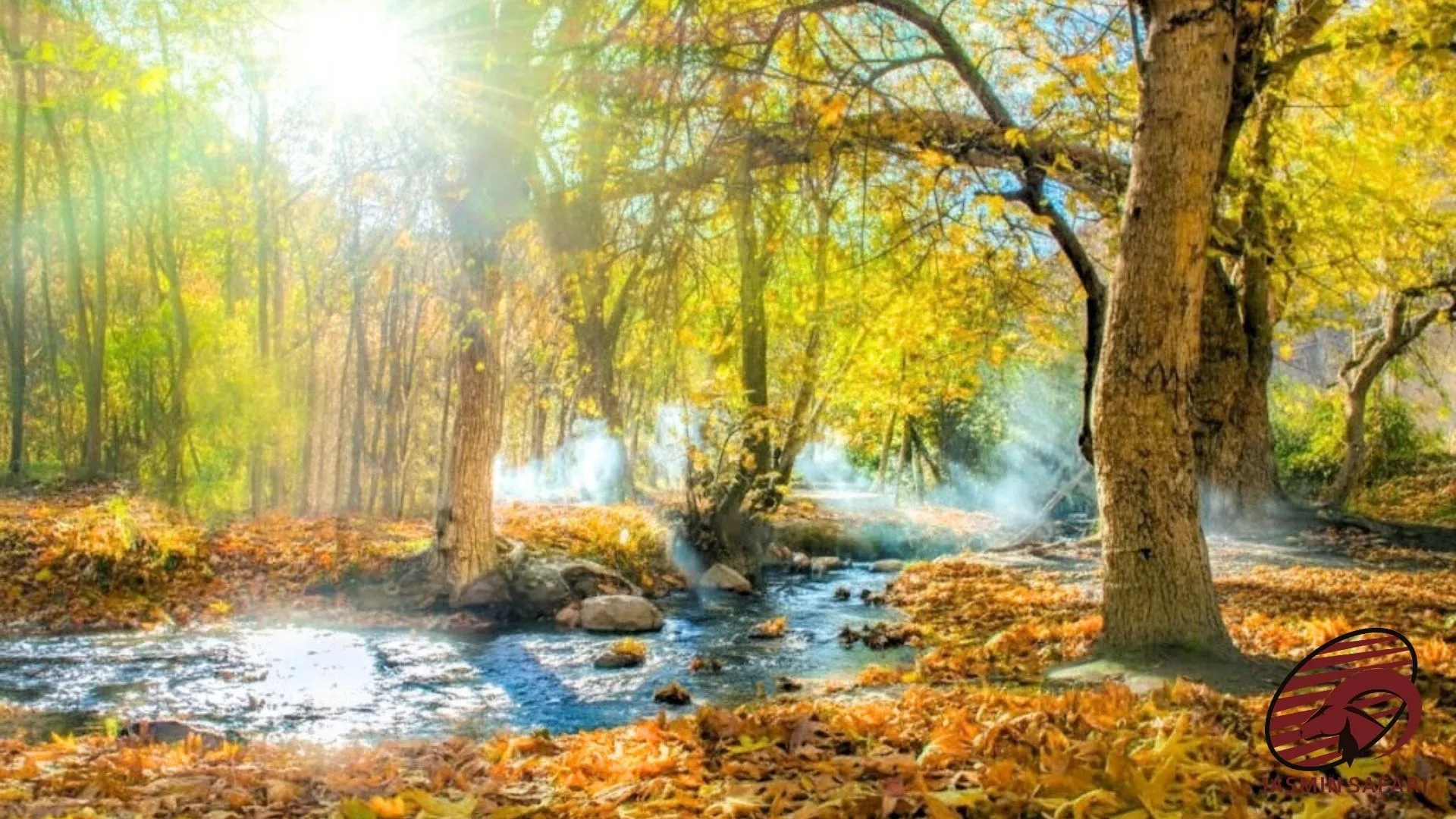
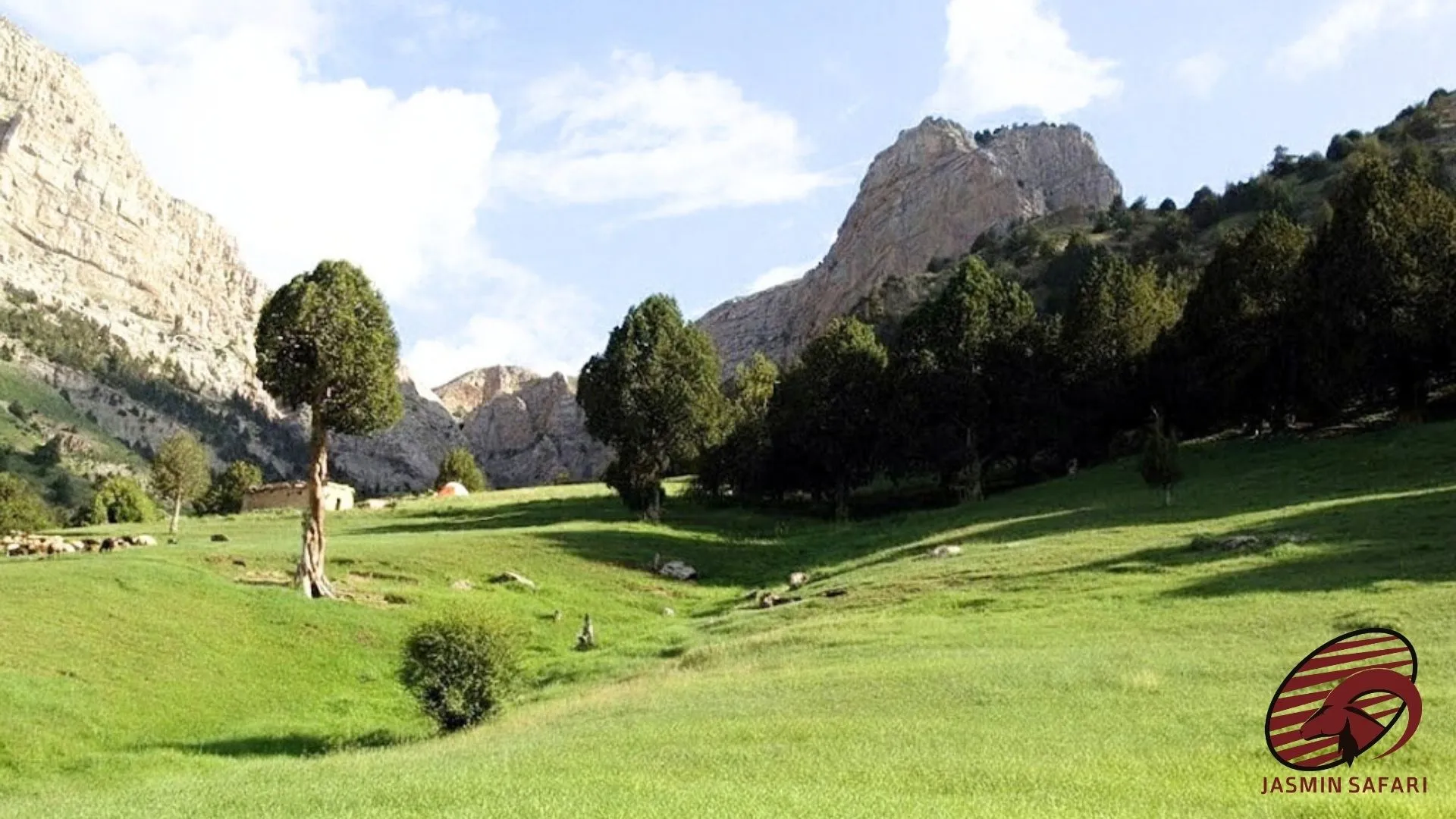
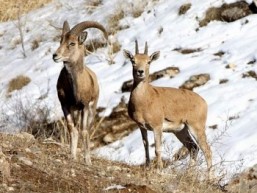
The Tandoureh Protected Area, located in the rugged terrains of Razavi Khorasan Province, stands as one of Iran’s most historically significant and ecologically diverse conservation zones. Established as a protected area in 1968 and later elevated to National Park status in 1974, this region remains a crown jewel of Iran’s natural heritage. While a focused northern section of 9,250 hectares was re-designated as a protected area in 1982, the region continues to thrive as a vital sanctuary for rare Middle Eastern fauna.


Geography and Climate

Tandoureh is characterized by its dramatic elevation shifts, ranging from 900 to 2,600 meters above sea level. This topography fosters a unique transition between warm Mediterranean and temperate semi-arid climates.

 
  • Precipitation: An average annual rainfall of 370 mm.

  • Temperature Profile: The region experiences a stable thermal range, with average lows of 2.5°C and highs reaching 26°C, creating a resilient environment for both flora and fauna.

Vegetation and Flora

The botanical landscape of Tandoureh is a rich tapestry of medicinal and hardy desert-mountain plants. Key species include:

 
  • Trees & Shrubs: Juniper, Hedge Maple, Wild Almond, and Fig.

  • Herbs & Grasses: Wormseed, Sheep’s Fescue, Stiff-hair Wheatgrass, Astragalus, St. John’s Wort, Asphodel, and Borage.

Wildlife and Rare Animal Species

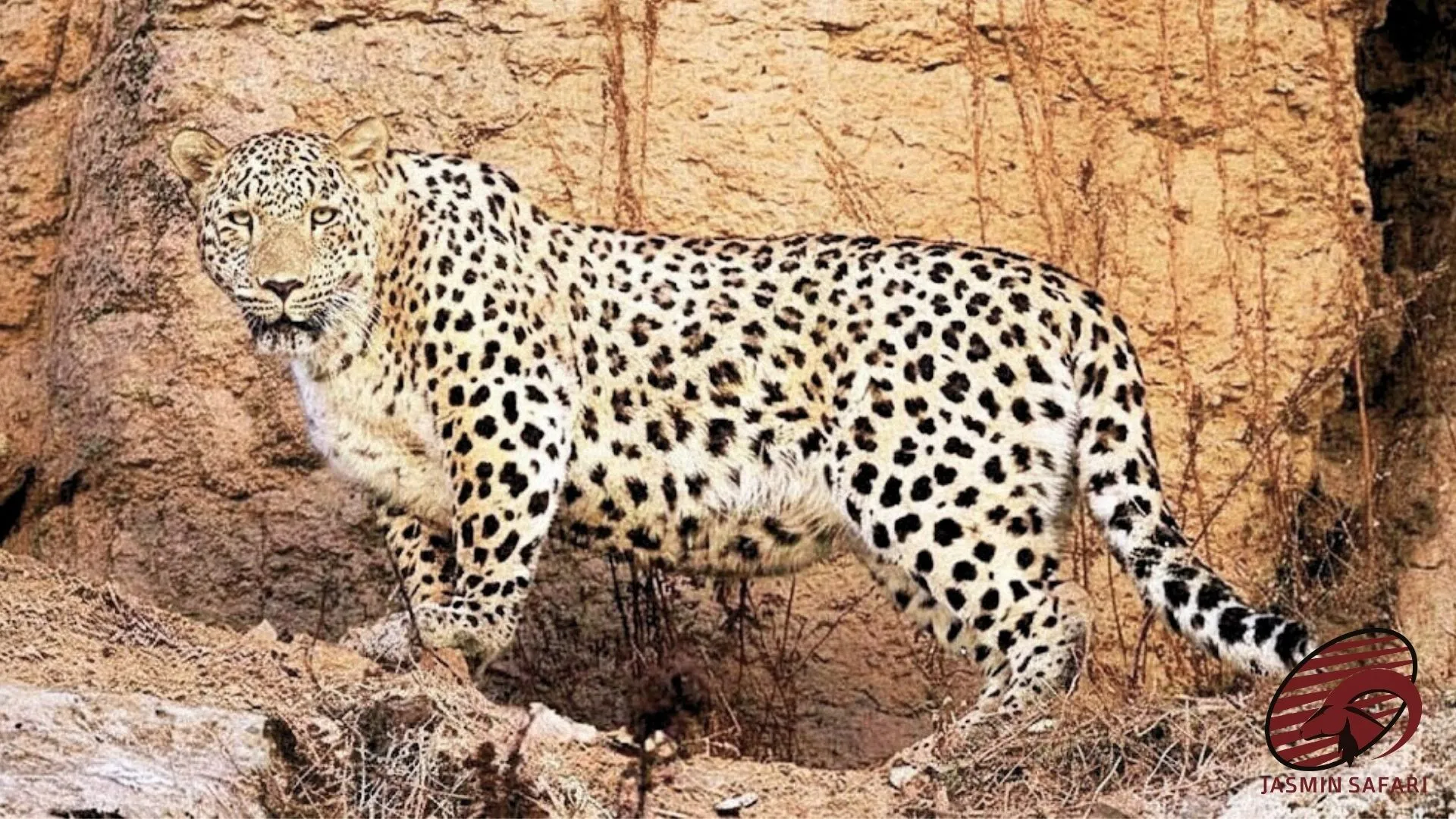
Tandoureh is internationally recognized as one of the best habitats for the Persian Leopard. The region’s diverse ecosystem supports a wide array of predators, mammals, and reptiles:


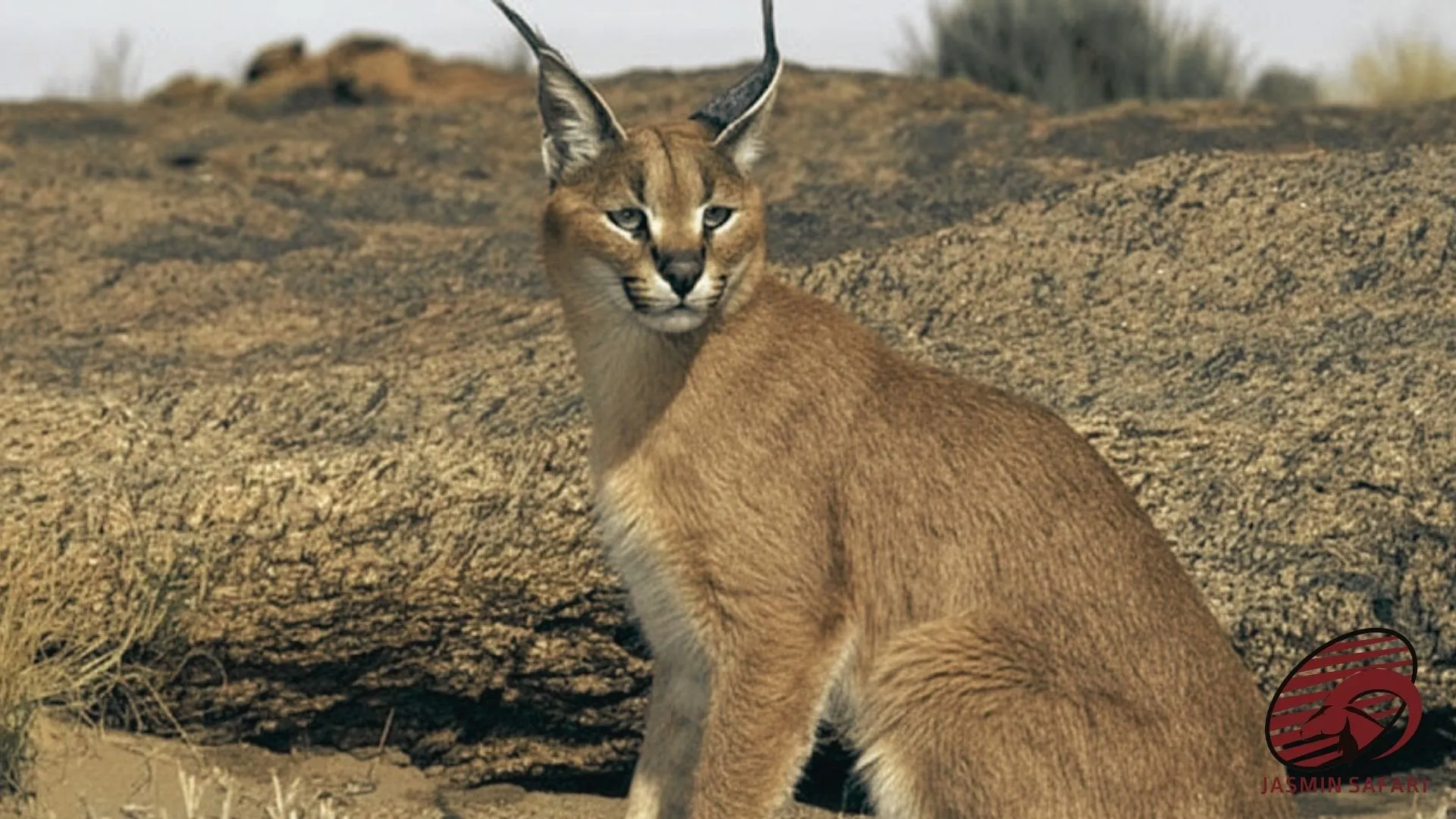
  • Mammals: Urial (wild sheep), Stone Marten, Wild Boar, Jackal, Common Fox, Cape Hare and Wild Cat.

  • Avifauna (Birds): Different species of Buzzards, Pigeons, Starlings, Chukar Partridges, Quails, Barn Swallows, Turtle Doves and Cuckoos.

  • Reptiles: Desert Black Snake, Viper and the formidable Horned Viper.

Khangormaz

Khangormaz (also spelled Khan Garmz or Khan-Gormaz) is a prominent protected area and mountain massif in the Hamedan Province of western Iran. It is widely

Read More »

Siah kuh

Siah Kuh (Persian: سیاه کوه), meaning “Black Mountain,” refers to several locations in Iran, but the most prominent is the Siah Kuh National Park. Located
Read More »

Lashgardar

The Lashgardar Protected Area, established in 1990, stands as one of the most ecologically significant regions in Western Iran. Spanning 16,089 hectares within the Hamedan
Read More »

Bashgol

The Bashgol Protected Area is one of Iran’s most diverse ecological landscapes. Established in 1996, this 25,344-hectare sanctuary is a transition zone where rolling plains

Read More »

Contact Us

Discover the thrill of Big Game Safaris and Wild Boar hunting in Iran! Our expert guides and trackers will lead you to the best-kept hunting grounds. Join us for an unforgettable adventure!
 
© All Rights Reserved. 2025

Address