Shirahmad

Shirahmad

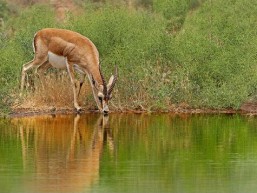
The Shirahmad Wildlife Refuge, located in the heart of Razavi Khorasan Province, stands as one of Iran’s most vital conservation success stories. Originally protected in 1996 to safeguard the Goitered Gazelle and unique Kavir (desert) habitats, it was officially designated as a Wildlife Refuge in 2002.

Spanning 22,847 hectares, this plain-and-hill ecosystem offers a rare glimpse into the resilient biodiversity of Iran’s warm, arid climates.

Geography and Climate

Shirahmad is characterized by its dramatic hilly terrain and vast plains, with an altitude ranging from 915 to 1,380 meters.

  • Climate: Warm and arid, with a mean annual temperature of 14°C.

  • Hydrology: The Kalshoor River forms the northern border and serves as the region’s lifeblood—the only permanent water supply in an area that receives just 175mm of annual rainfall.

Rare Wildlife and Fauna

Shirahmad is a premier destination for wildlife enthusiasts and photographers. It is home to a diverse array of mammals, reptiles, and birds of prey.

 
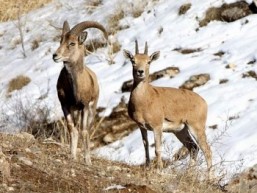
  • Mammals: The refuge is famous for its Goitered Gazelle and Jebeer Gazelle populations. It also hosts the caracal, wild cat, striped hyena, and wolf, alongside unique desert rodents like the large-toothed souslik.

  • Avifauna (Birds): Majestic raptors such as the Imperial Eagle, Saker Falcon, and Vulture soar above the plains. The Kalshoor River is a critical wintering site for migratory water birds, including herons, teals, and green-headed ducks.

  • Herpetology (Reptiles): The area is rich in desert reptiles, including the saw-scaled viper, monitor lizard, and the endemic Khorasan agama.

Flora and Vegetation

Despite the arid conditions, the refuge boasts a rich botanical profile. The landscape is dominated by:

  • Tamarisk and Mountain Almond

  • Astragal and Wormseed

  • Giant Fennel, Safflower, and the Yellow Horn Poppy

Conservation: The Jebeer Gazelle Project

A highlight of the refuge’s conservation efforts is the Jebeer Gazelle Reproduction Plan. This project is administered within a specialized 30-hectare enclosed area, ensuring the survival and growth of this vulnerable species through expert monitoring and protection.


Khangormaz

Khangormaz (also spelled Khan Garmz or Khan-Gormaz) is a prominent protected area and mountain massif in the Hamedan Province of western Iran. It is widely

Read More »

Siah kuh

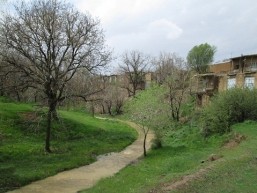
Siah Kuh (Persian: سیاه کوه), meaning “Black Mountain,” refers to several locations in Iran, but the most prominent is the Siah Kuh National Park. Located
Read More »

Lashgardar

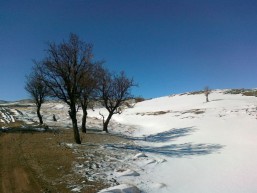
The Lashgardar Protected Area, established in 1990, stands as one of the most ecologically significant regions in Western Iran. Spanning 16,089 hectares within the Hamedan
Read More »

Bashgol

The Bashgol Protected Area is one of Iran’s most diverse ecological landscapes. Established in 1996, this 25,344-hectare sanctuary is a transition zone where rolling plains

Read More »

Contact Us

Discover the thrill of Big Game Safaris and Wild Boar hunting in Iran! Our expert guides and trackers will lead you to the best-kept hunting grounds. Join us for an unforgettable adventure!
 
© All Rights Reserved. 2025

Address