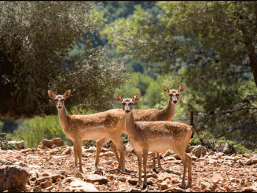
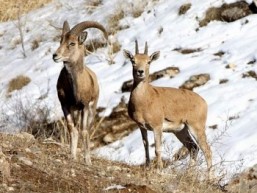
Located in the heart of the Mazandaran Province near Sari, the Semeskandeh Wildlife Refuge stands as one of the last remaining remnants of the ancient Caspian plain forests. Spanning 1,041 hectares, this protected area offers a unique glimpse into the subtropical temperate beauty of Northern Iran.
A Botanical Treasure of the Caspian Plain
Semeskandeh is celebrated for its lush, sub-humid climate, receiving an average of 800mm of annual rainfall. This creates a thriving ecosystem for rare Hyrcanian flora.
Dominant Tree Species: The canopy is composed of Chestnut-leaved Oak, Hornbeam, and the prehistoric Persian Ironwood.
Undergrowth: You will find Indian Date-plum, Hawthorn, European Alder, and wild Raspberry bushes throughout the refuge.
Wildlife and Conservation
Originally protected in 1973 and designated a Wildlife Refuge in 1975, the area serves as a critical biological corridor.
Persian Fallow Deer Reintroduction: The most significant conservation effort at Semeskandeh is the semi-natural breeding program for the Persian Fallow Deer (Dama mesopotamica), introduced from the Dez and Karkheh regions to prevent their extinction.
Native Fauna: The forest is home to wild boars, wolves, and jackals.
Avian Biodiversity: The refuge is a haven for birdwatchers, featuring Pheasants, various birds of prey, and a wide array of Passeriformes (perching birds).
Reptiles: Species such as the Kukri snake and the Common Blind snake inhabit the forest floor.
Note: Historically, the area was home to Red and Roe deer, though these species are now considered extinct within this specific local region.
Travel & Tourism Information
Semeskandeh’s proximity to Sari and its excellent access roads make it a top destination for nature lovers and eco-tourists in Northern Iran.
Elevation: 50m to 190m above sea level (gentle hiking terrain).
Climate: Mild and temperate, with a mean annual temperature of 20°C.
Best Features: Spectacular forest landscapes, rare wildlife viewing, and educational conservation zones.

Khangormaz
Khangormaz (also spelled Khan Garmz or Khan-Gormaz) is a prominent protected area and mountain massif in the Hamedan Province of western Iran. It is widely

Siah kuh
Siah Kuh (Persian: سیاه کوه), meaning “Black Mountain,” refers to several locations in Iran, but the most prominent is the Siah Kuh National Park. Located
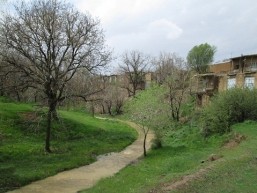
Lashgardar
The Lashgardar Protected Area, established in 1990, stands as one of the most ecologically significant regions in Western Iran. Spanning 16,089 hectares within the Hamedan
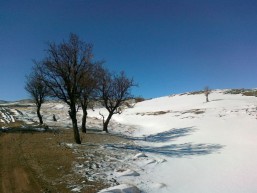
Bashgol
The Bashgol Protected Area is one of Iran’s most diverse ecological landscapes. Established in 1996, this 25,344-hectare sanctuary is a transition zone where rolling plains