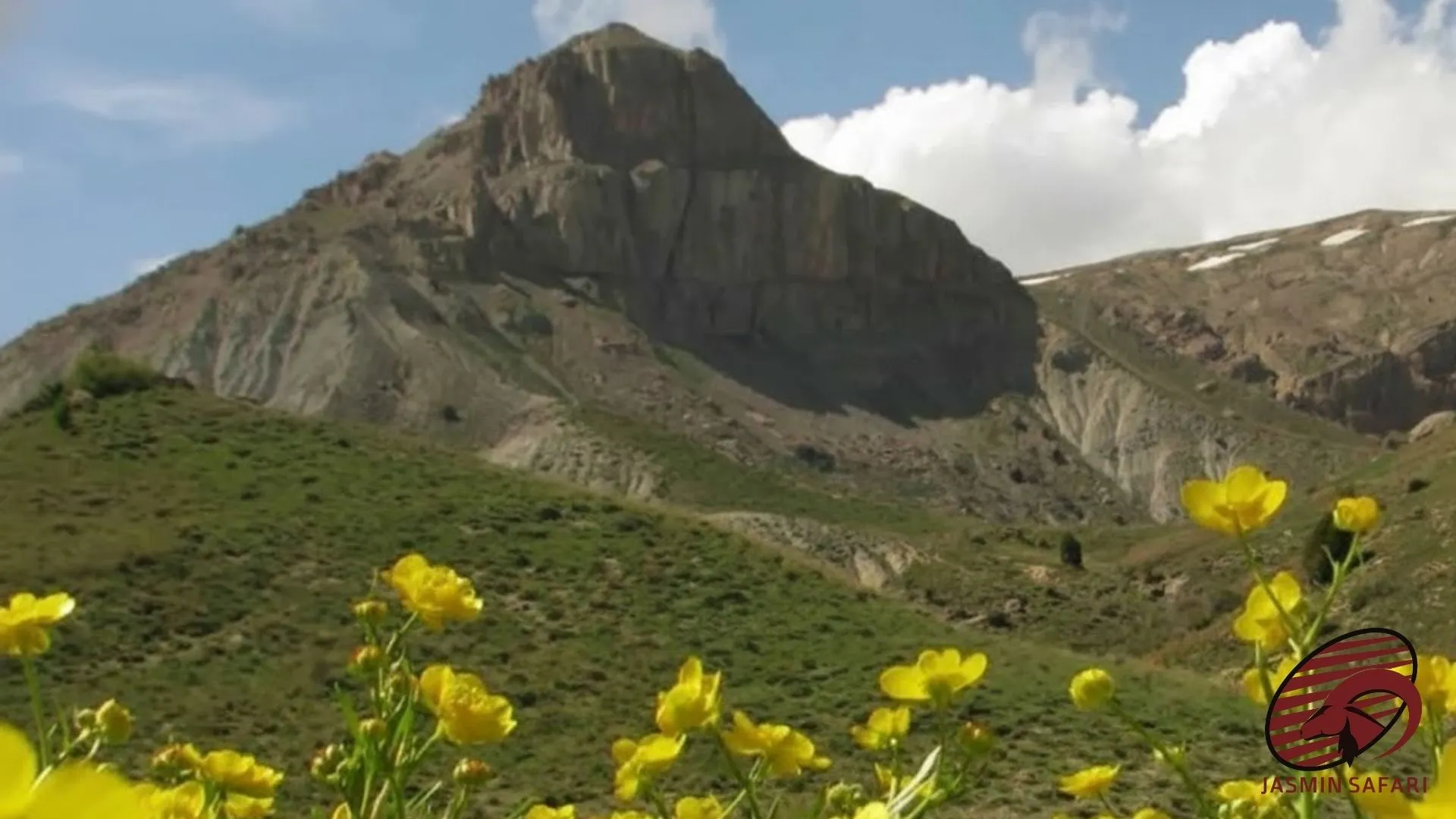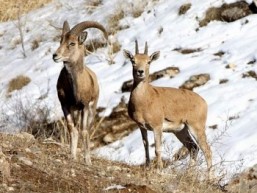
The Sarigol Protected Area, established in 1973 (formerly known as Shah Jahan), is a crown jewel of Iran’s natural heritage. Spanning 21,309 hectares in the North Khorasan Province, this region serves as a vital buffer zone to the Sarigol National Park. With its temperate semi-arid climate and rugged mountainous terrain, it remains one of the most intact genetic reserves in Central Asia.
Flora and Botanical Wealth
The region’s ecological value is anchored by its diverse vegetation. Sarigol is home to over 200 plant species, ranging from ancient forests to medicinal herbs.
Key Trees & Shrubs: Juniper, wild fig, walnut, willow, and oleaster.
Flowers & Herbs: Iris, borage, primrose, and the rare Rosa elymaitica.
Industrial Value: The area is famous for the frequent occurrence of the Galbanum plant, highly valued for its medicinal and industrial applications.
Rare Wildlife: Home of the Urial
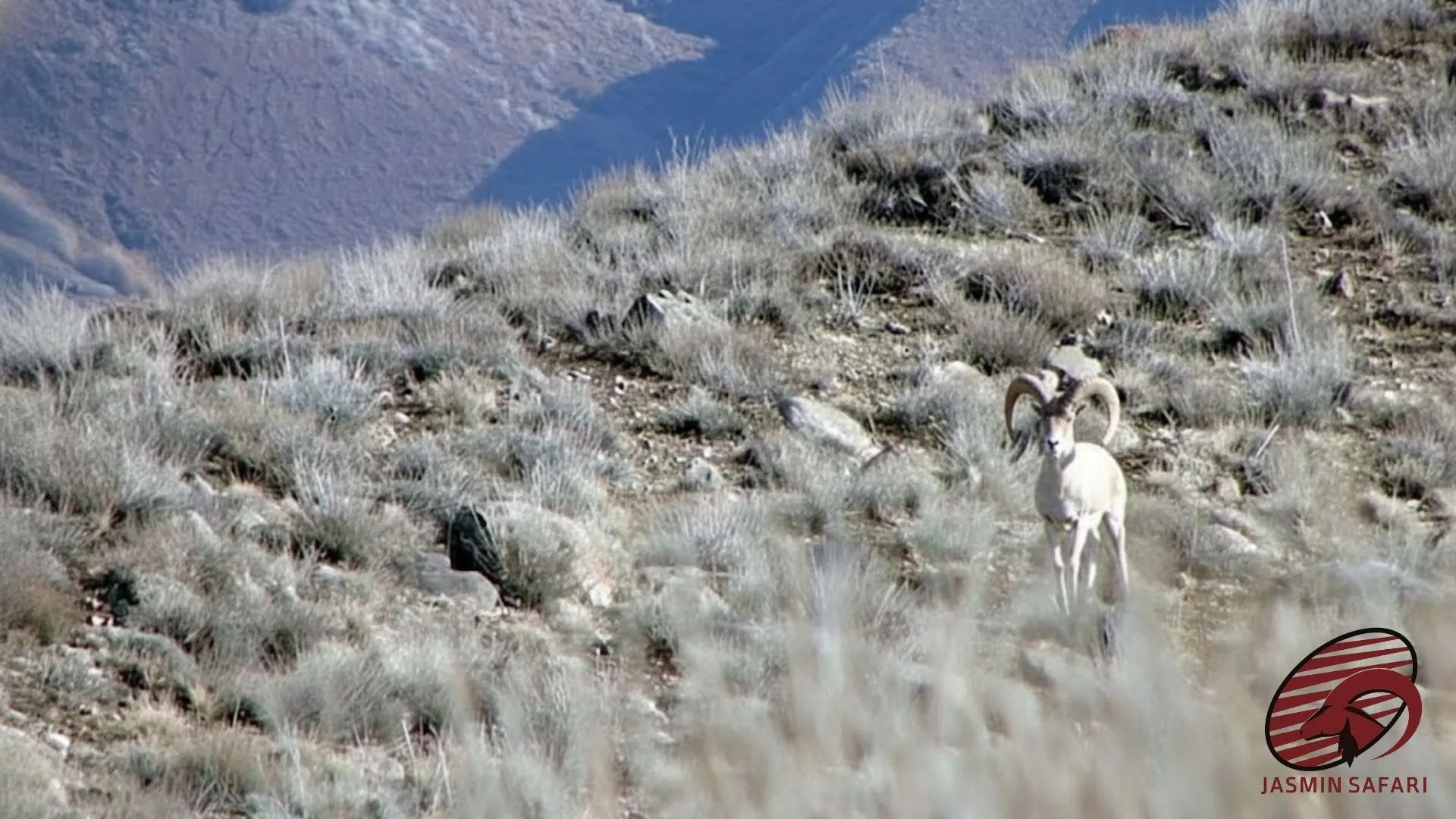
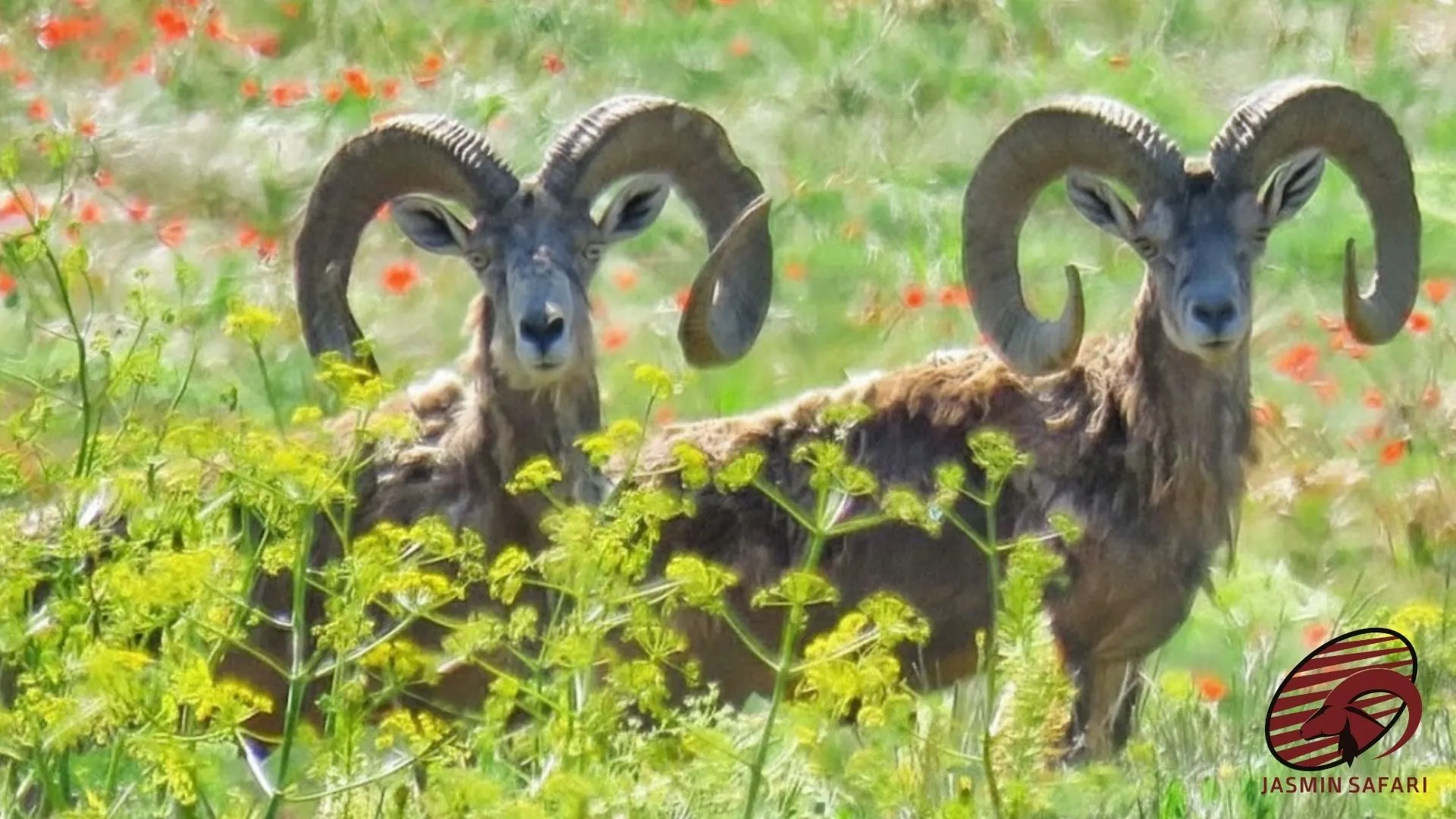
Sarigol is globally recognized for hosting the Urial (wild sheep), considered one of the noblest and most beautiful mammals in Iran. The high biodiversity of the region supports a complex food web of predators and scavengers:
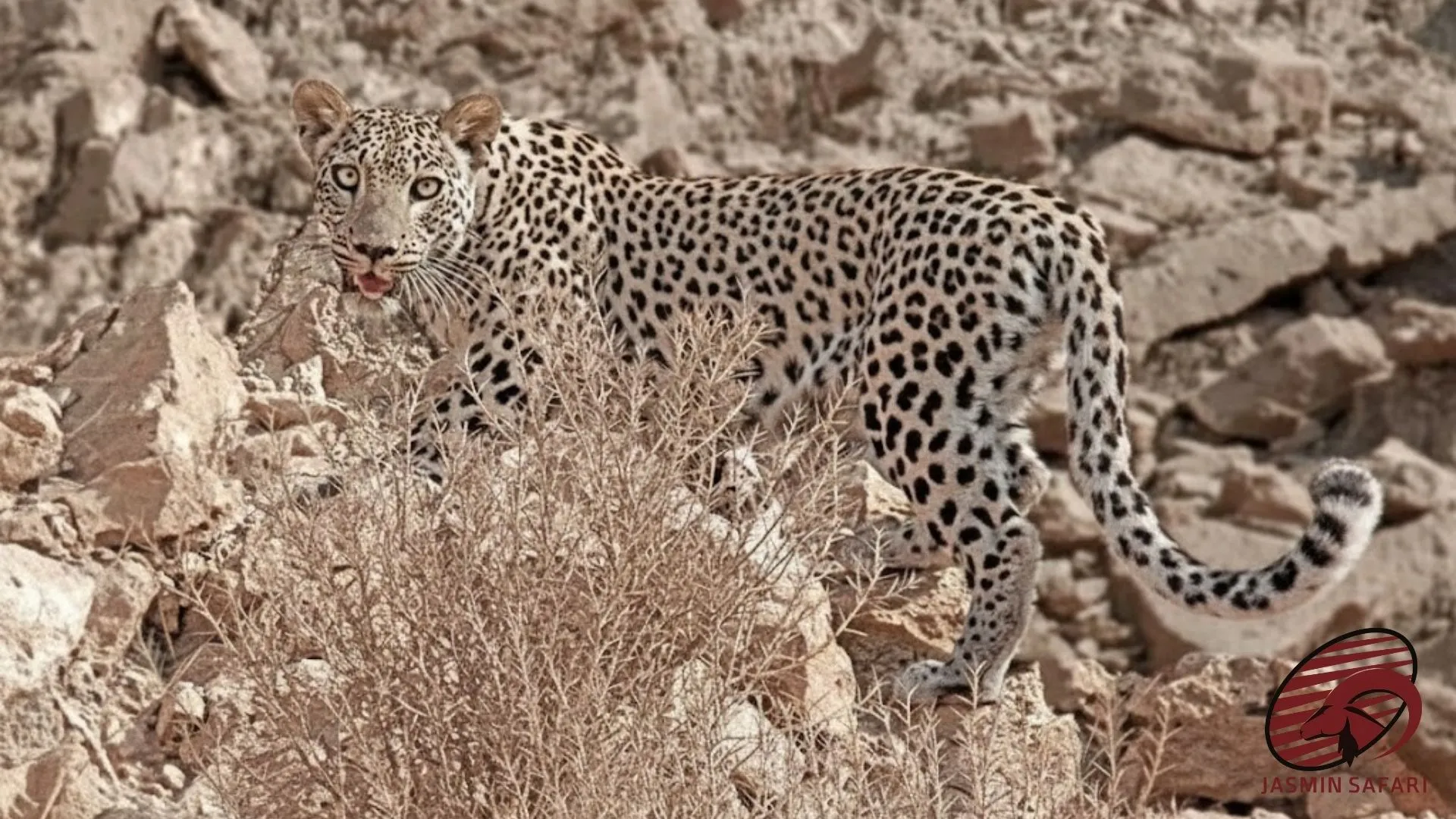
Predators: Persian leopard, wolf, Pallas’s cat, stone marten, and common fox.
Birds of Prey: Bearded vulture (Lammergeier), griffon vulture, saker falcon, and kestrel.
Reptiles: For herpetologists, the area is home to the Lavantine viper, Cobra, and the Steppe ribbon snake.
Climate and Geography
The region’s “rolling land” geography is supported by a temperate semi-arid climate.
Average Temperature: $12^{\circ}C$
Annual Precipitation: $275$ mm
This climate supports the lush green rangelands and high-flow rivers that feed the park’s waterfalls and valleys, creating a striking visual contrast against the mountain peaks.
Ecotourism and Research
With well-maintained access roads, Sarigol Protected Area has become a premier destination for:
Scientific Research: Acting as a genetic reserve for juniper forests and rare flora.
Wildlife Photography: Specifically for those looking to capture the Urial or the Persian leopard.
Nature Trekking: Exploring the diverse vernal flowers and dramatic waterfalls.

Khangormaz
Khangormaz (also spelled Khan Garmz or Khan-Gormaz) is a prominent protected area and mountain massif in the Hamedan Province of western Iran. It is widely

Siah kuh
Siah Kuh (Persian: سیاه کوه), meaning “Black Mountain,” refers to several locations in Iran, but the most prominent is the Siah Kuh National Park. Located
Lashgardar
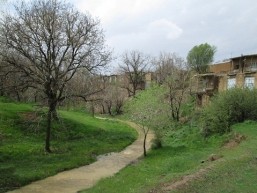
The Lashgardar Protected Area, established in 1990, stands as one of the most ecologically significant regions in Western Iran. Spanning 16,089 hectares within the Hamedan
Bashgol
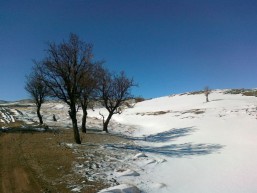
The Bashgol Protected Area is one of Iran’s most diverse ecological landscapes. Established in 1996, this 25,344-hectare sanctuary is a transition zone where rolling plains