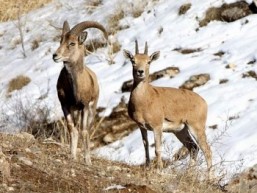
Sarany

Sarany

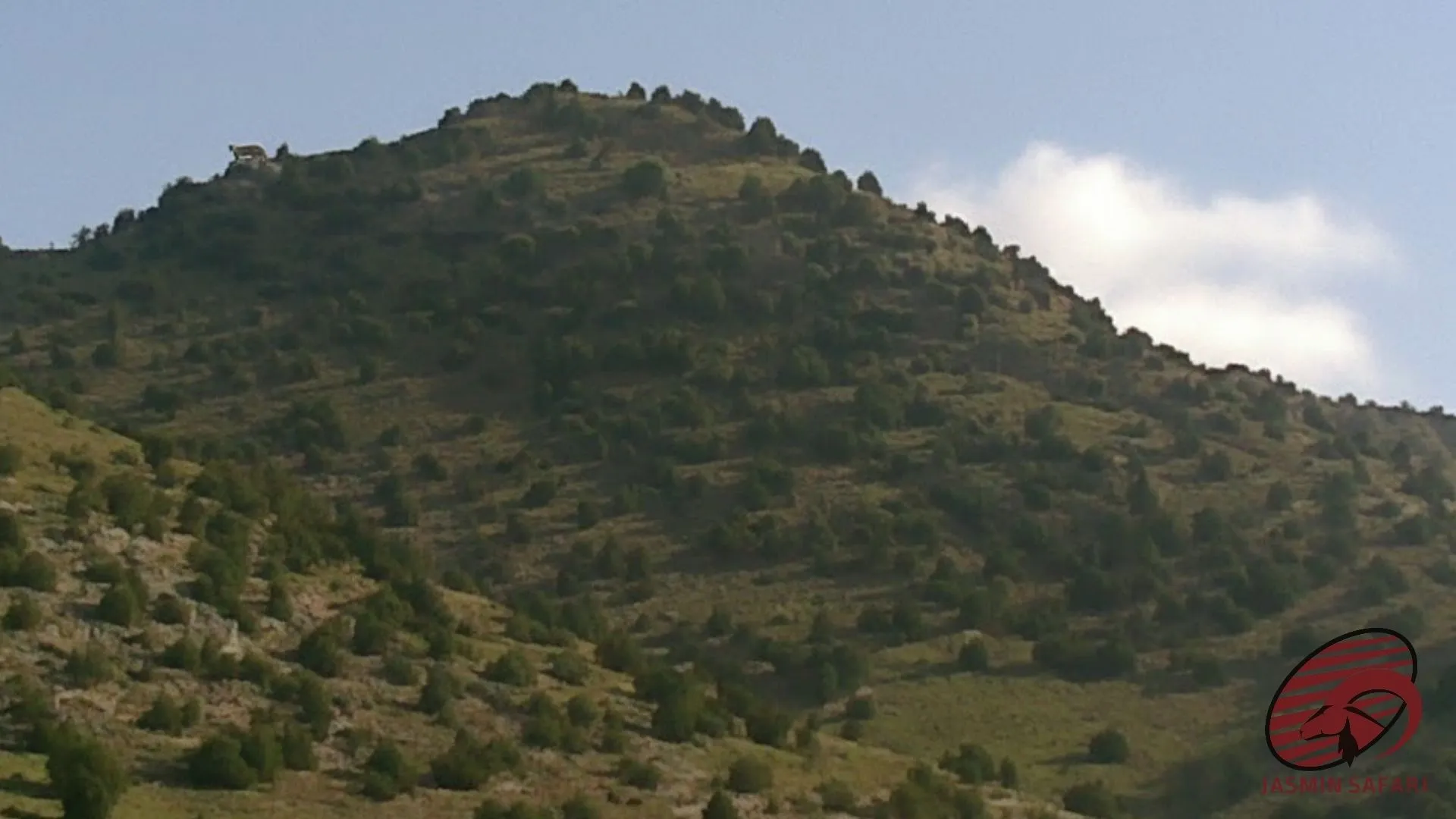
The Sarany Protected Area (also associated with the Sarigul region) is a premier ecological sanctuary in North Khorasan Province, Iran. Bordering Turkmenistan, this 1,589-hectare region is a critical genetic reserve, uniquely positioned as a bridge between high-altitude mountain ecosystems and temperate forests.

Geography and Climate

Established as a protected area in 1971—and briefly managed as a National Park from 1976 to 1982—Sarany boasts a rugged topography with altitudes ranging from 1,400m to 2,900m.

  • Climate: It features a temperate Mediterranean climate, characterized by a mean annual temperature of 8°C and significant precipitation of 450mm.

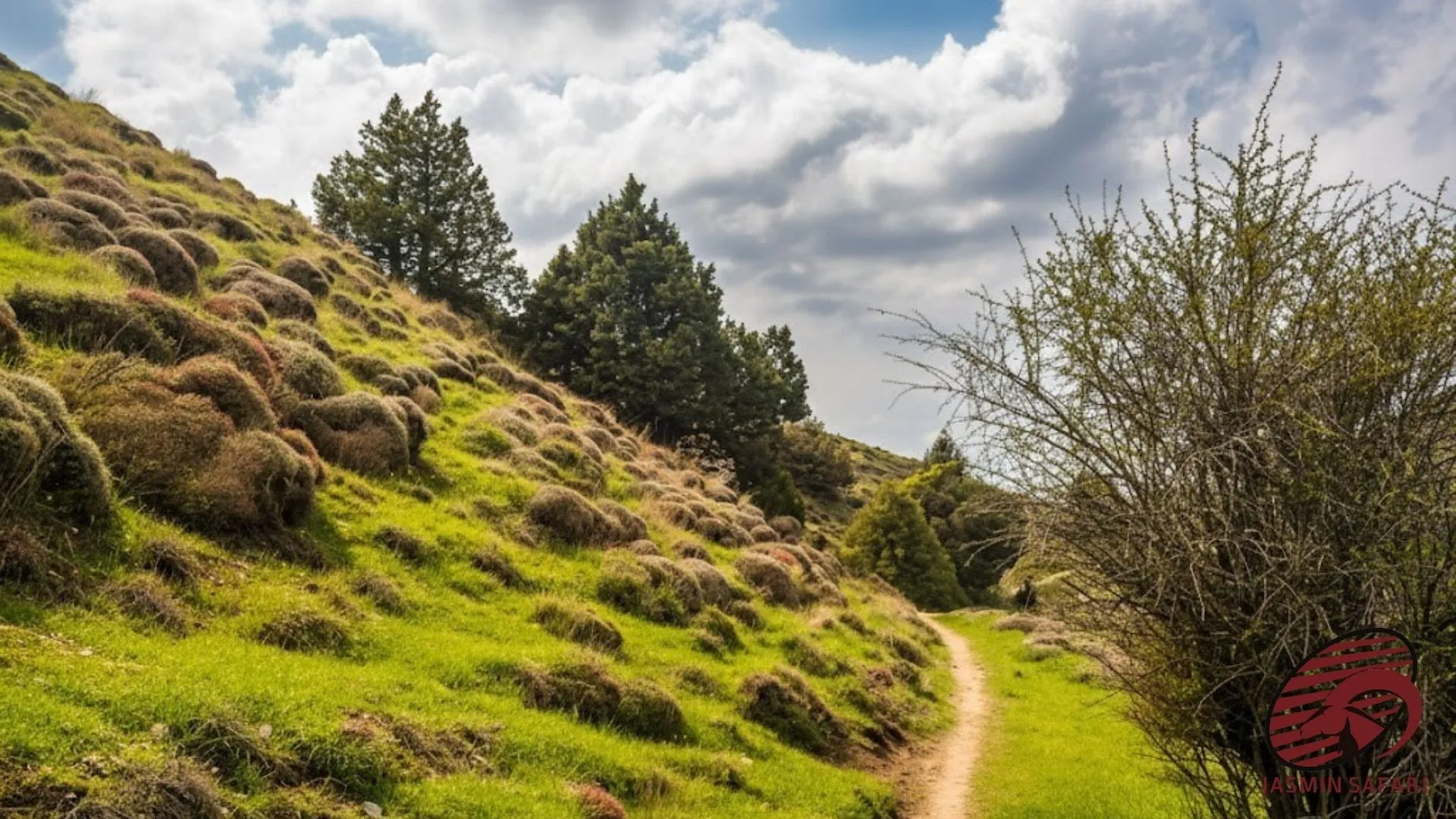
  • Landscape: The area is famed for its deep valleys, numerous natural springs, and pristine juniper woodlands.

Flora: A Genetic Reserve for Junipers

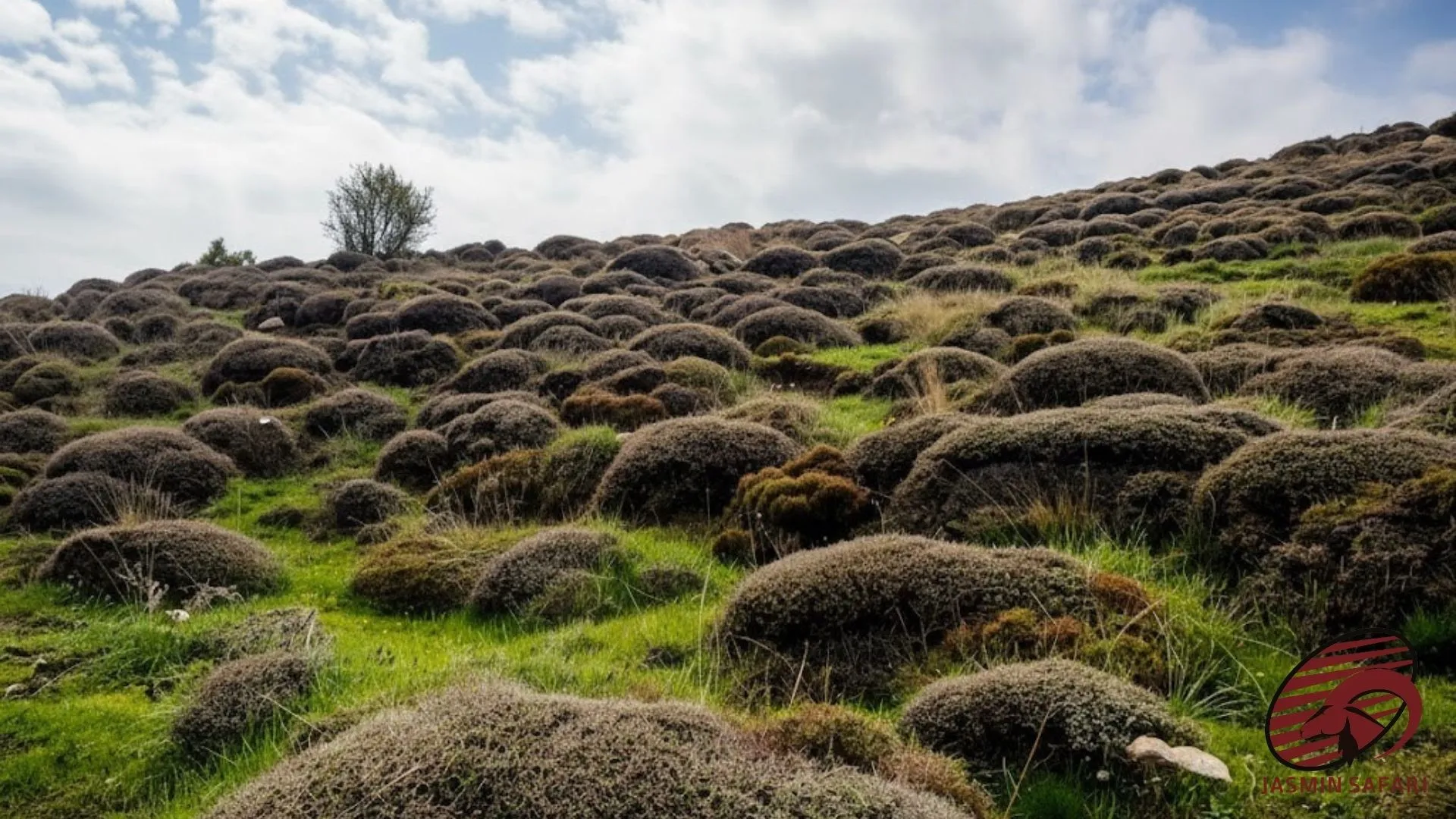
Sarany is recognized as a vital genetic reserve for Juniper forests. The vegetation grows in density from east to west, creating a lush canopy that supports over 160 plant species. Key flora includes:

  • Trees & Shrubs: Juniper, Almond, Fig, Black Thorn, and Berberry.

  • Medicinal & Wild Herbs: Saint John’s Wort, Borage, Astragal, Wormwood, and Prickly Thrift.

  • Grasses: Stiff-hair wheatgrass and Sheep’s fescue.

Fauna: Home of the Urial and Leopard

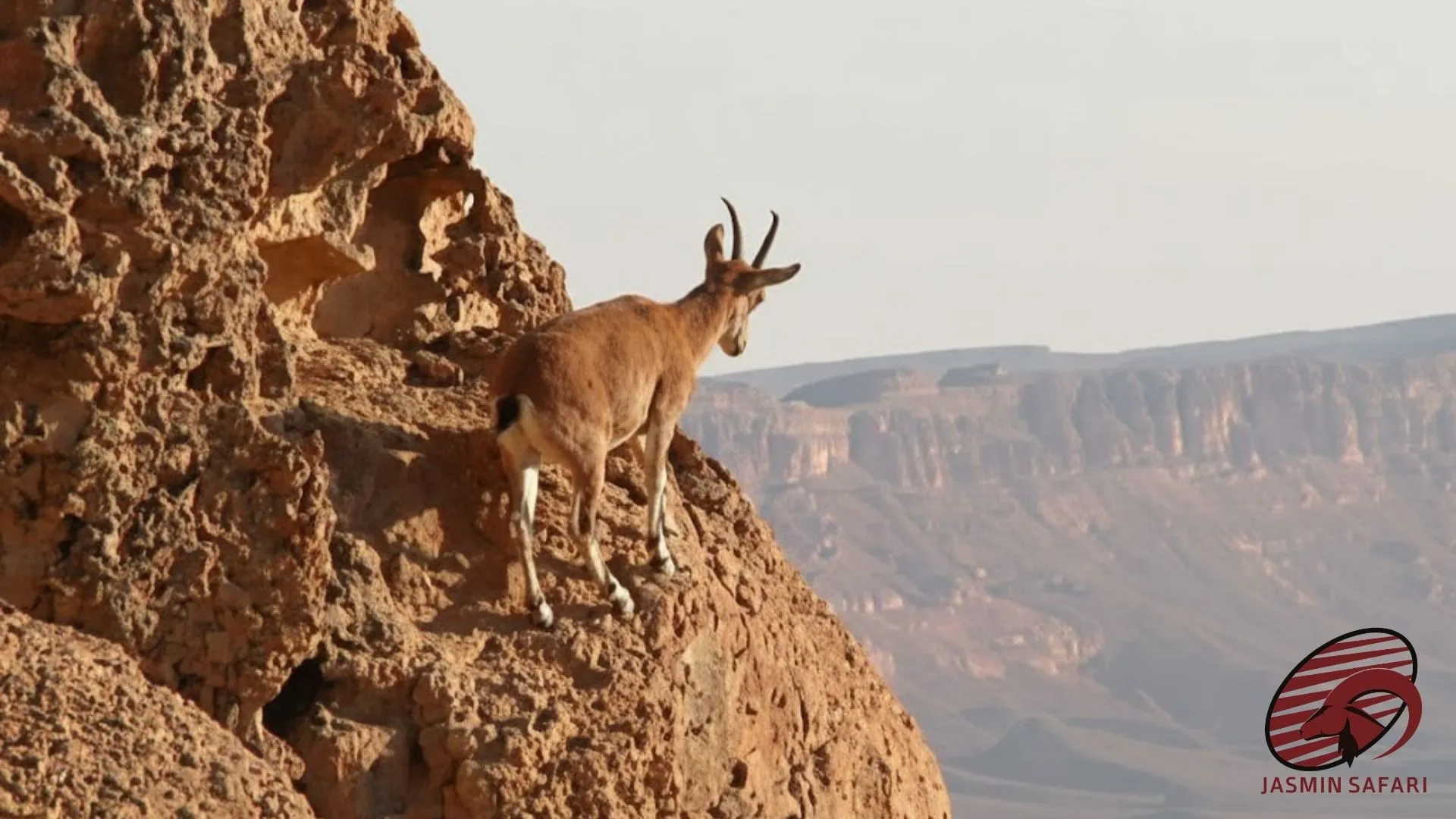
With over 120 animal species identified, Sarany is a paradise for wildlife enthusiasts and researchers. It is particularly noted for its high concentration of Urial sheep and Wild goats.

  • Mammals: Persian Leopard, Wild Cat, Pallas’s Cat, Wild Boar, Stone Marten, Indian Crested Porcupine, and the Afghan Pika.

  • Avifauna (Birds): Caspian Snowcock, Chukar Partridge, See-see Partridge, Kestrel, and various Finches.

  • Reptiles: Central Asian Tortoise, Persian Horned Viper, Cobra, Schmidt’s Whip Snake, and the Desert Dancer.

Scientific and Tourist Appeal

The combination of high biodiversity, dramatic “Black Mountain” vistas, and accessible springs makes Sarany a top destination for:

  1. Scientific Research: Specifically in the fields of botany and mountain ecology.

  2. Ecotourism: Ideal for birdwatching and wildlife photography.

  3. Conservation Education: Understanding the delicate balance of the North Khorasan border ecosystems.

Khangormaz

Khangormaz (also spelled Khan Garmz or Khan-Gormaz) is a prominent protected area and mountain massif in the Hamedan Province of western Iran. It is widely

Read More »

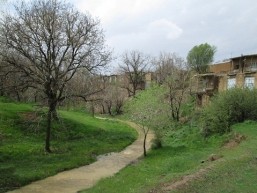
Siah kuh

Siah Kuh (Persian: سیاه کوه), meaning “Black Mountain,” refers to several locations in Iran, but the most prominent is the Siah Kuh National Park. Located
Read More »

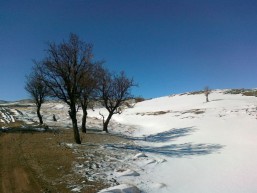
Lashgardar

The Lashgardar Protected Area, established in 1990, stands as one of the most ecologically significant regions in Western Iran. Spanning 16,089 hectares within the Hamedan
Read More »

Bashgol

The Bashgol Protected Area is one of Iran’s most diverse ecological landscapes. Established in 1996, this 25,344-hectare sanctuary is a transition zone where rolling plains

Read More »

Contact Us

Discover the thrill of Big Game Safaris and Wild Boar hunting in Iran! Our expert guides and trackers will lead you to the best-kept hunting grounds. Join us for an unforgettable adventure!
 
© All Rights Reserved. 2025

Address