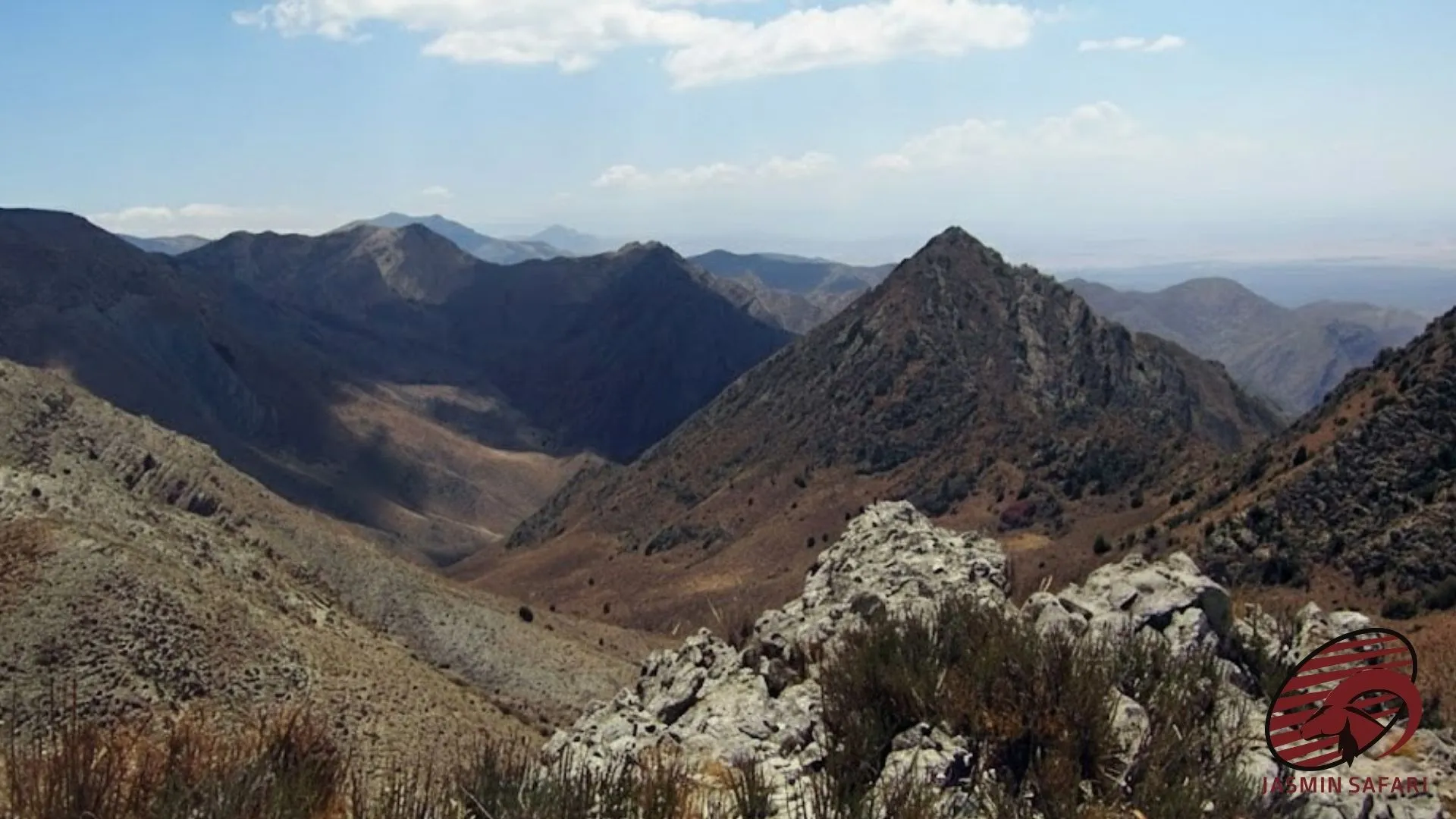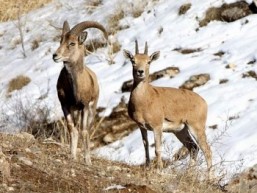
Established as a designated protected zone in 1973, the Salouk Protected Area is one of Iran’s most ecologically significant regions. Spanning 11,677 hectares and situated directly west of Salouk National Park in North Khorasan Province, this area serves as a vital corridor for rare wildlife and ancient flora.
Geography and Climate
Salouk features a dramatic altitude range, stretching from 1,140 to 2,780 meters. This elevation variety, combined with a mean annual temperature of 12°C and precipitation of 280 mm, creates a temperate semi-arid climate. These conditions foster a unique environment where high-altitude mountain species meet steppe-dwelling wildlife.
Flora and Vegetation
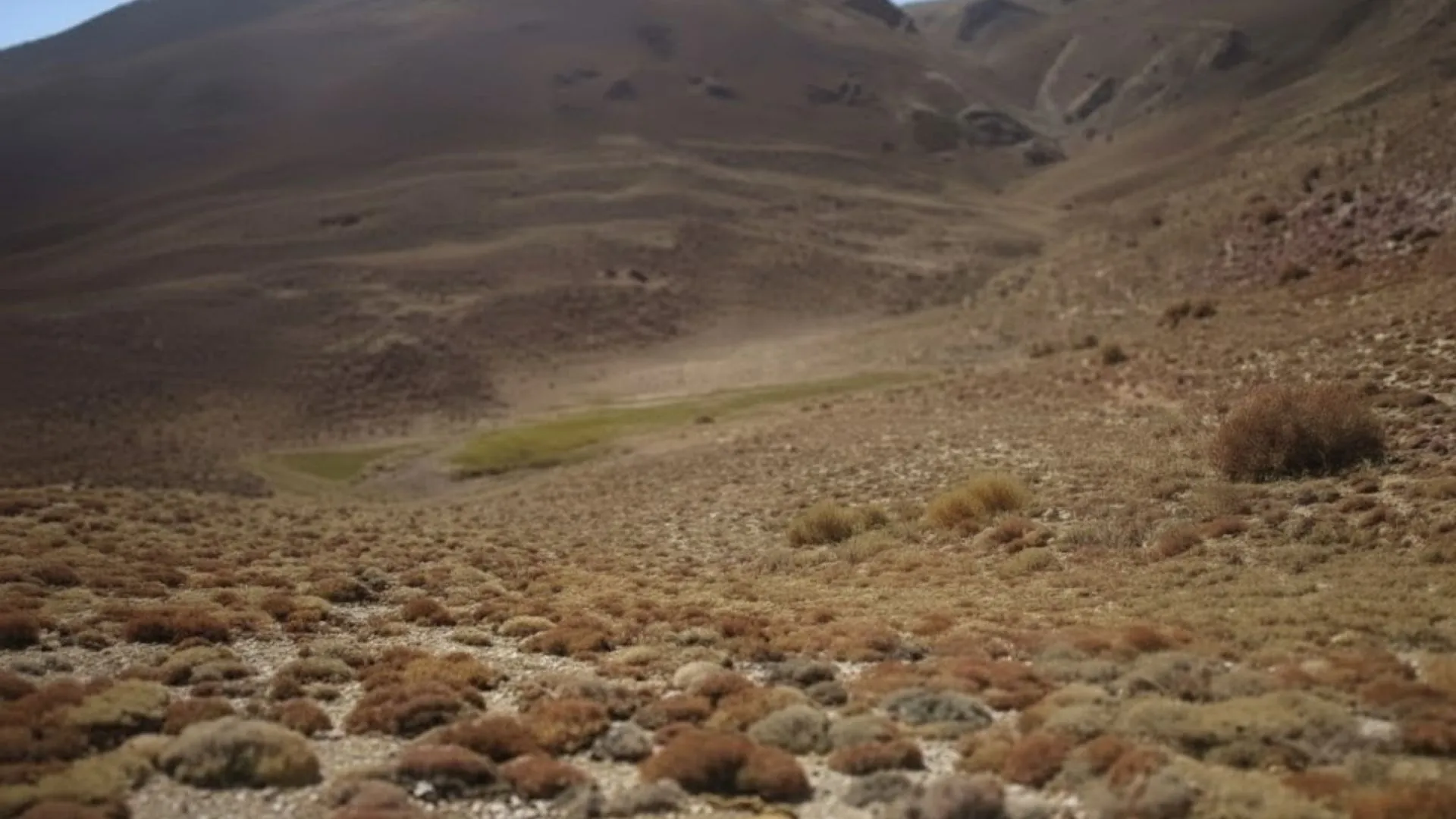
The landscape is characterized by its rich botanical diversity. The vegetation is dominated by Wormseed (Artemisia), which forms a lush carpet across the region. Visitors and researchers will also find:
Scattered Juniper Forests: Ancient stands that provide essential cover for wildlife.
Key Plant Species: Astragal, Prickly Thrift, Ephedra, Dog Rose, Giant Fennel, Wild Fig, Barberry, and Blackthorn.
Wildlife and Rare Animal Species
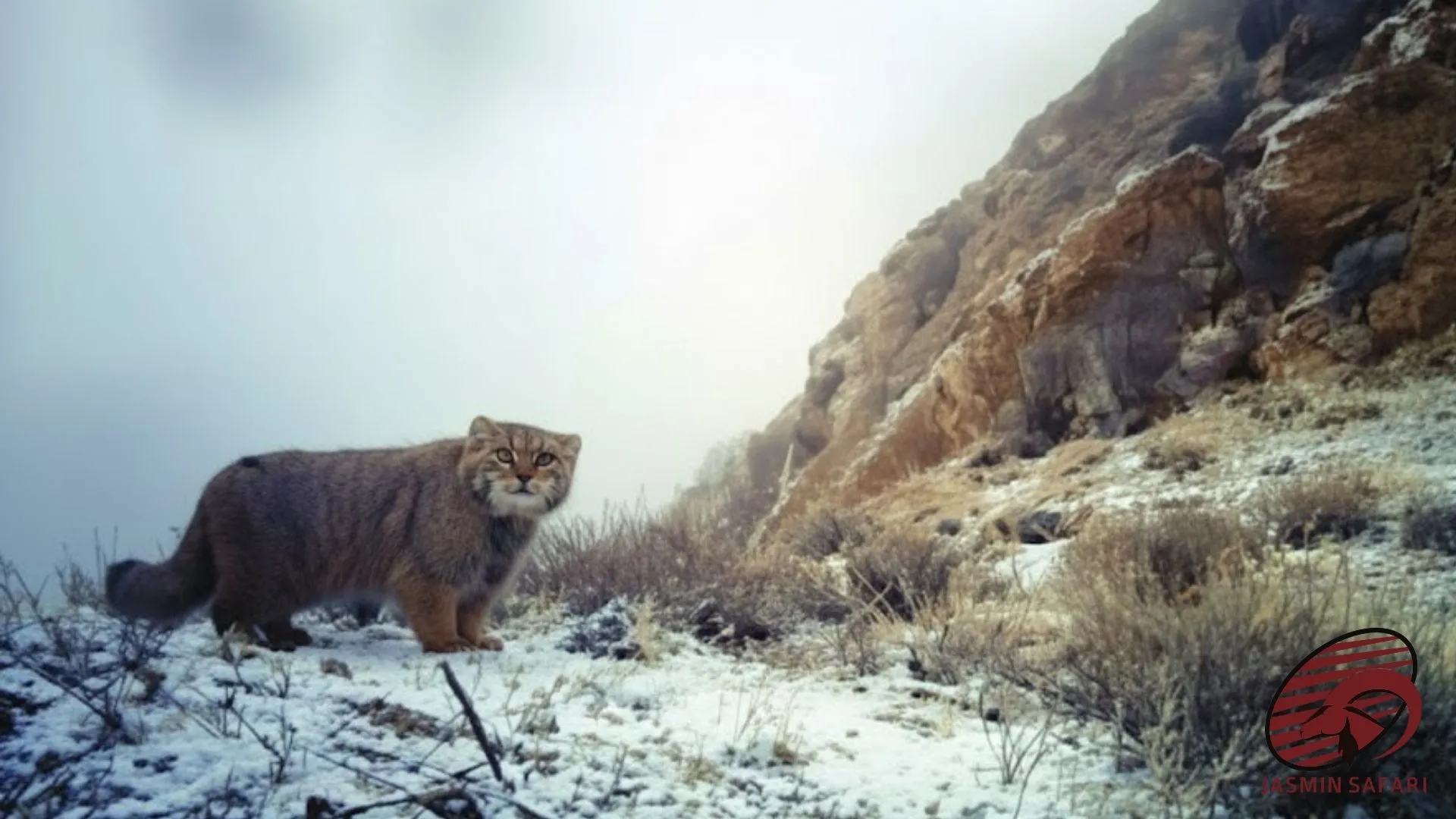
Salouk is a sanctuary for some of Iran’s most iconic fauna. The region is particularly famous for its predators and large herbivores:
Mammals: Persian Leopard, Goitred Gazelle, Urial (wild sheep), Wild Goat, Hyena, Wolf, Jackal, Common Fox, Stone Marten, and the Large-toothed Souslik.
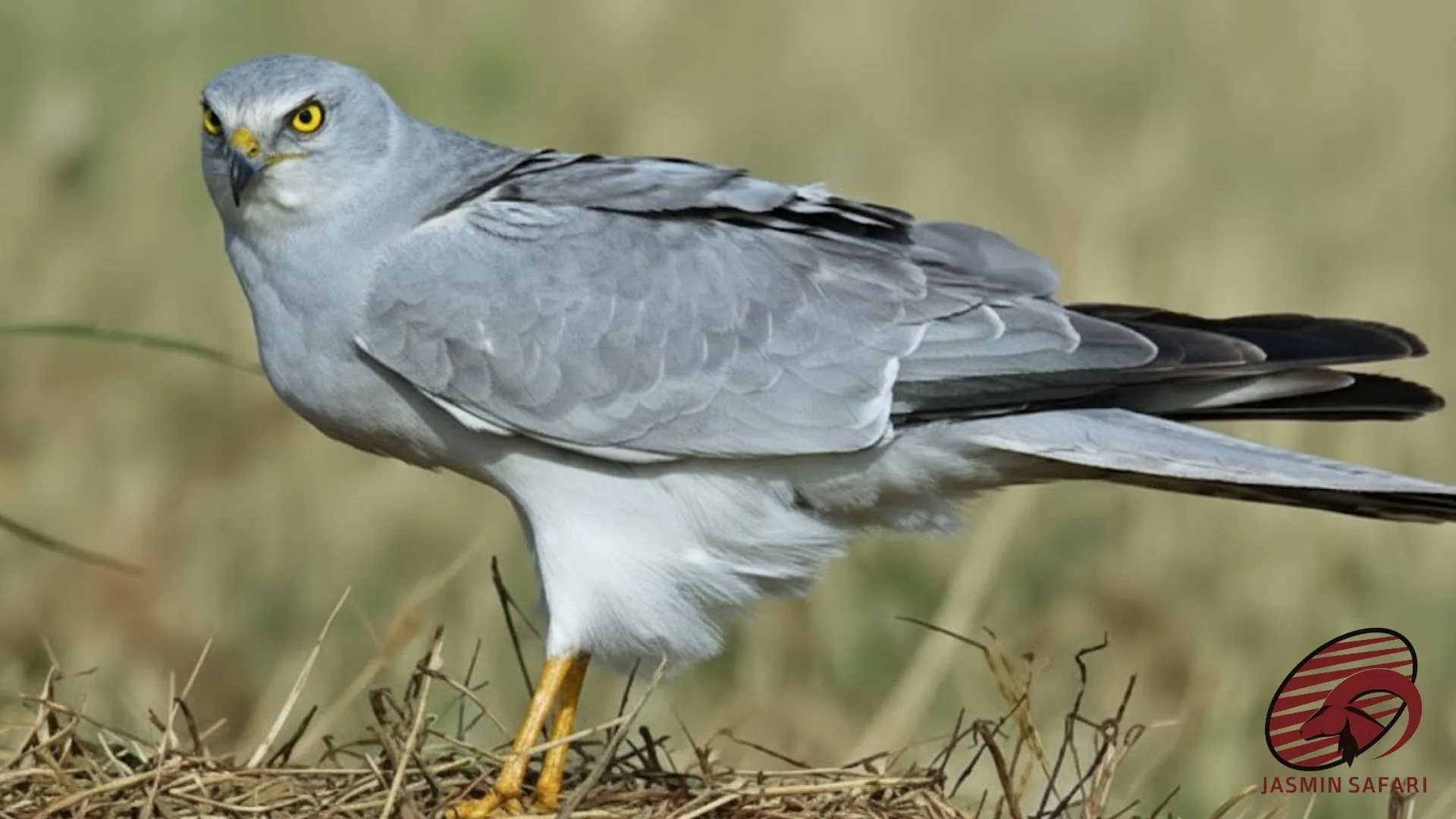
Avifauna (Birds): A haven for birdwatchers, featuring Chukar Partridge, See-see Partridge, Owls, Larks, and various species of Sandgrouse.
Ecotourism and Heritage
Salouk is more than just a biological reserve; it is a destination for nature lovers and history enthusiasts alike.
Scenic Landscapes: Eye-catching valleys and dense Juniper stands offer incredible photography and trekking opportunities.
Historical Sites: The Pish-qaleh monument adds a layer of cultural heritage to the natural landscape.
Accessibility: With well-maintained access roads, Salouk is one of the more reachable protected areas in North Khorasan for responsible tourists.

Khangormaz
Khangormaz (also spelled Khan Garmz or Khan-Gormaz) is a prominent protected area and mountain massif in the Hamedan Province of western Iran. It is widely

Siah kuh
Siah Kuh (Persian: سیاه کوه), meaning “Black Mountain,” refers to several locations in Iran, but the most prominent is the Siah Kuh National Park. Located
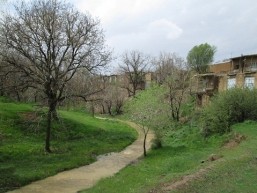
Lashgardar
The Lashgardar Protected Area, established in 1990, stands as one of the most ecologically significant regions in Western Iran. Spanning 16,089 hectares within the Hamedan
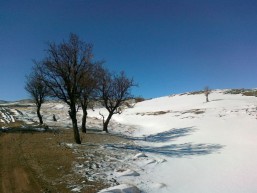
Bashgol
The Bashgol Protected Area is one of Iran’s most diverse ecological landscapes. Established in 1996, this 25,344-hectare sanctuary is a transition zone where rolling plains