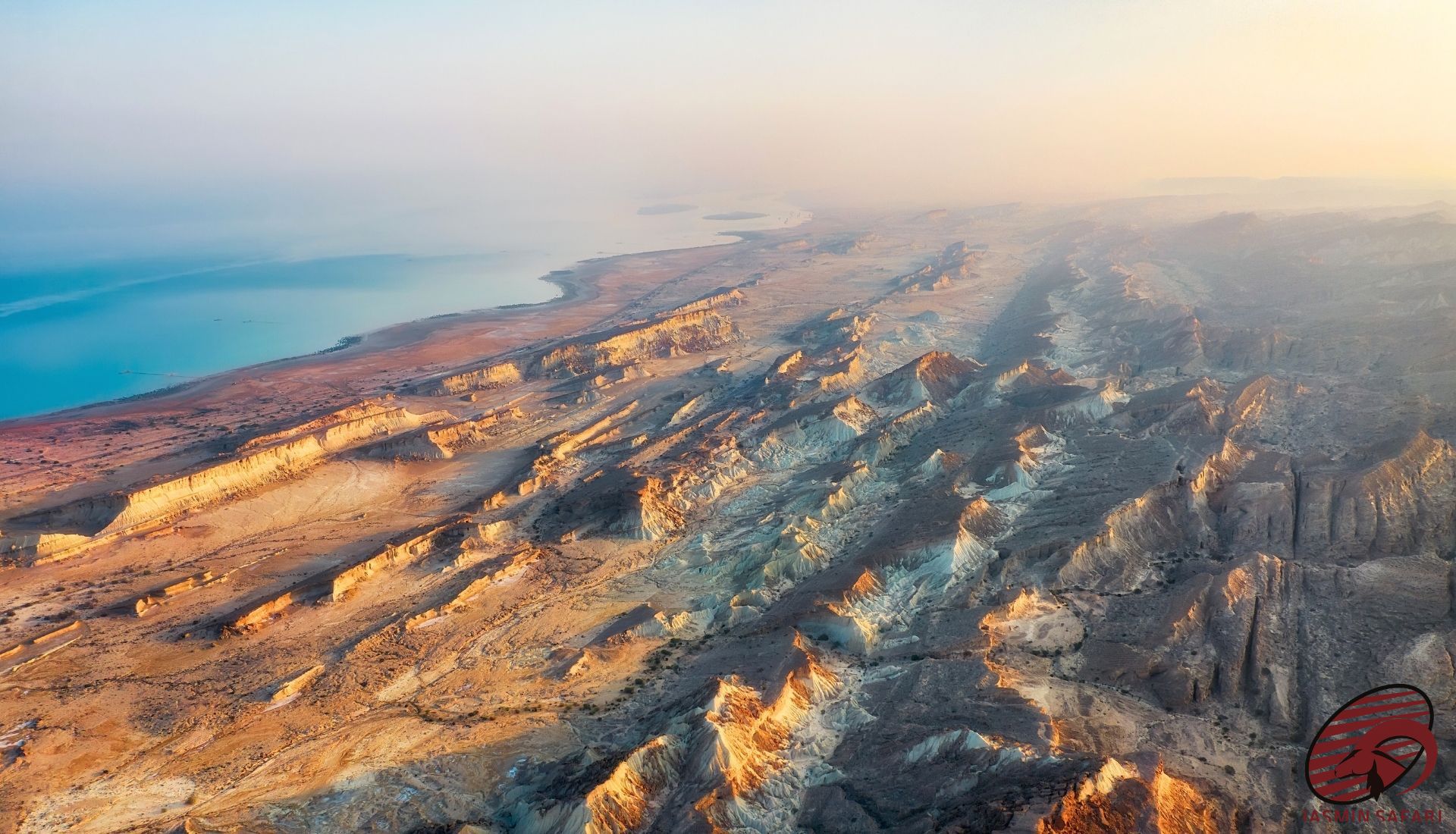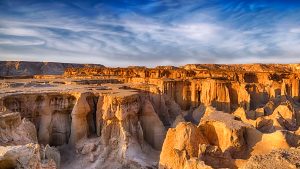
Qeshm Island, the largest island in the Persian Gulf and a jewel of Hormozgan province, is a unique destination in Southern Iran. Declared a UNESCO Global Geopark in 2017, the island is globally significant for its exceptional geological phenomena, ecological diversity, and rich local culture. It’s a top choice for ecotourism and adventure travel in Iran.
Geographical and General Information
Location: Situated in the strategic Strait of Hormuz, just a few kilometers off the southern Iranian mainland (opposite the port city of Bandar Abbas).
Size: Approximately 1,491 square kilometers, making it the largest island in the Persian Gulf (larger than Bahrain).
Status: Qeshm operates as a Free Trade and Industrial Zone (Qeshm Free Zone), offering visa-free entry for citizens of many countries.
Climate: Hot and humid (subtropical) with long, hot summers (warmest months: June-August) and mild, pleasant winters (coldest: January-February). The best time to visit Qeshm is typically from October to March.
Local Culture: The local population, known as the Bandari people, are engaged in fishing, trade, and traditional dhow (Lenj) construction. The island is known for its distinctive traditional clothing, music, and festivals like the “Fisherman’s Norooz.”
Top Qeshm Island Attractions (Geopark Wonders)
| Attraction | Description | Activity |
| Namakdan Salt Cave | The longest salt cave in the world (over 6 km). Part of a massive salt diapir, featuring stunning salt stalactites and underground salt streams. | Cave exploration, photography. |
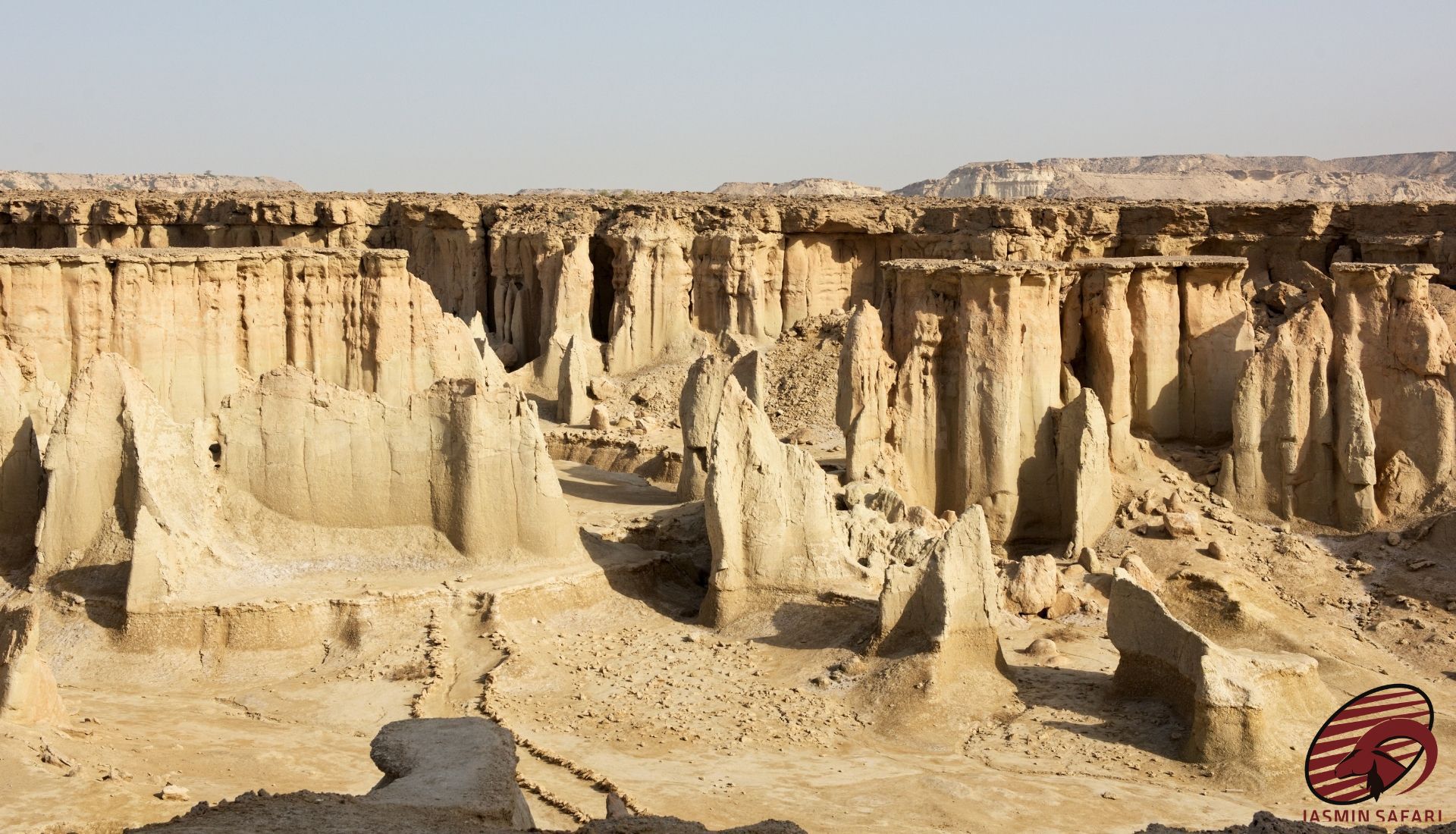
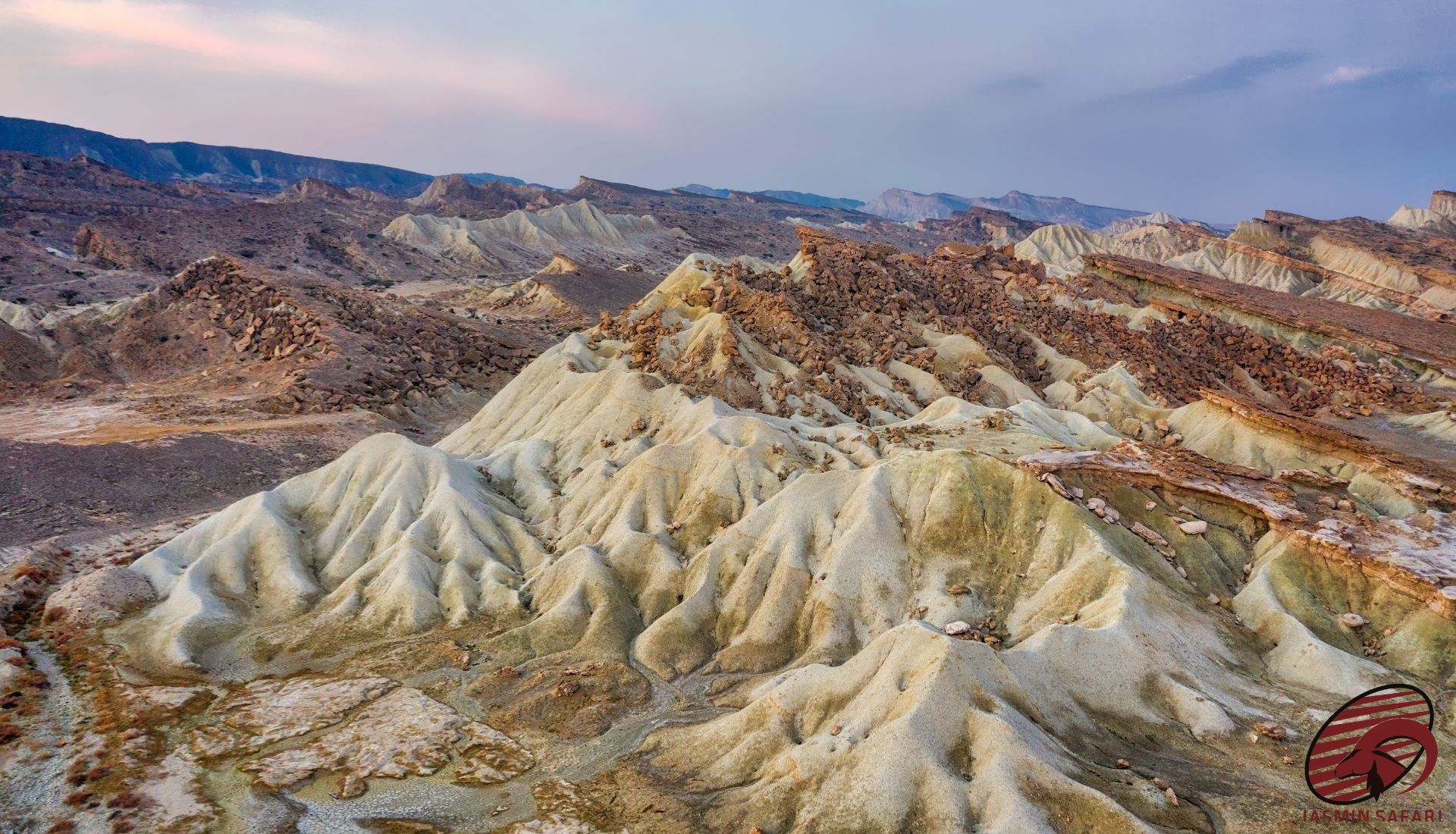
| Valley of Stars (Darreh Setāregān) | A surreal landscape of towering pillars, eroded cliffs, and intricate geological formations. Local legend attributes its formation to falling stars. Excellent for geotourism. | Hiking, photography, stargazing. |
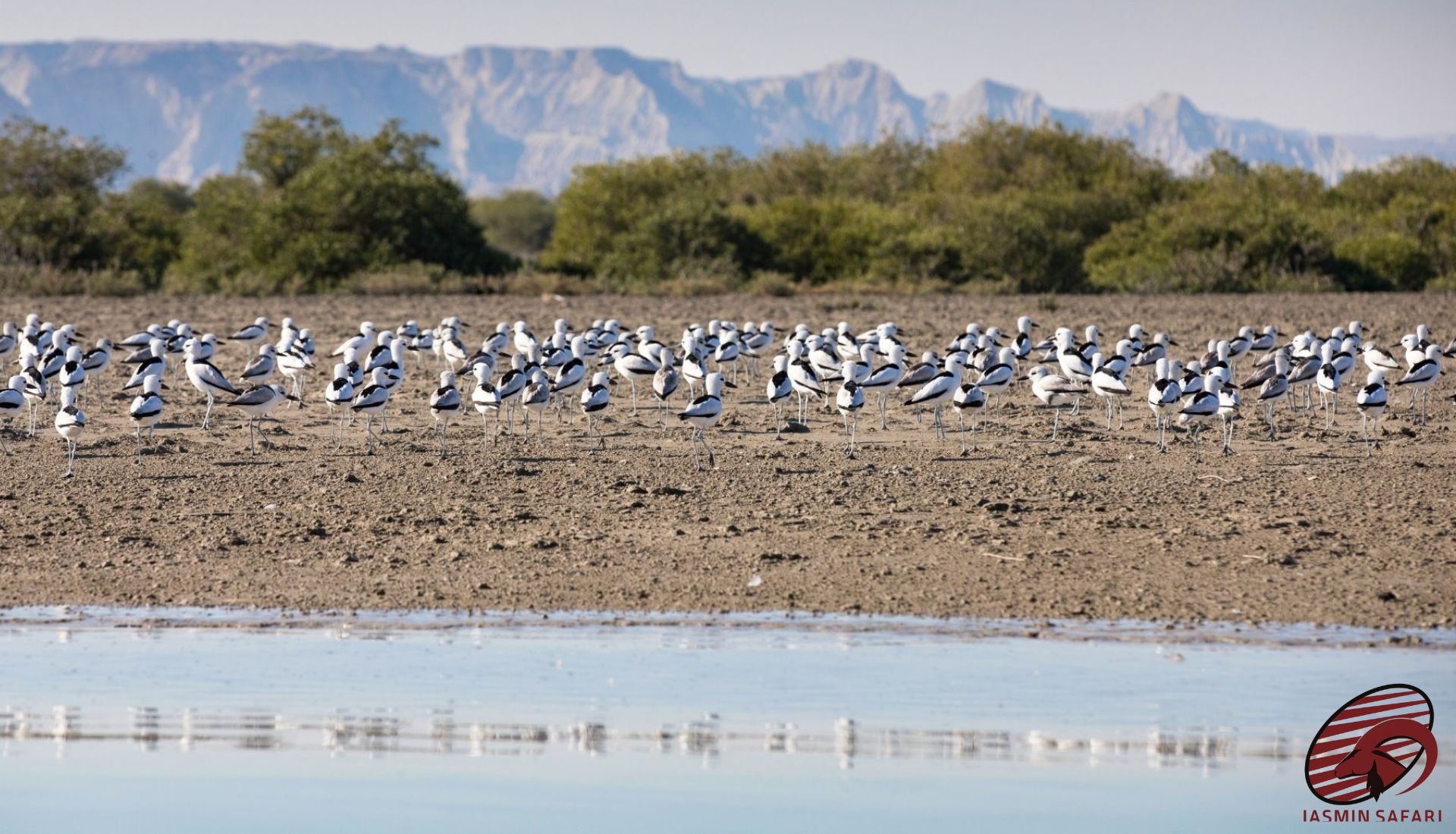
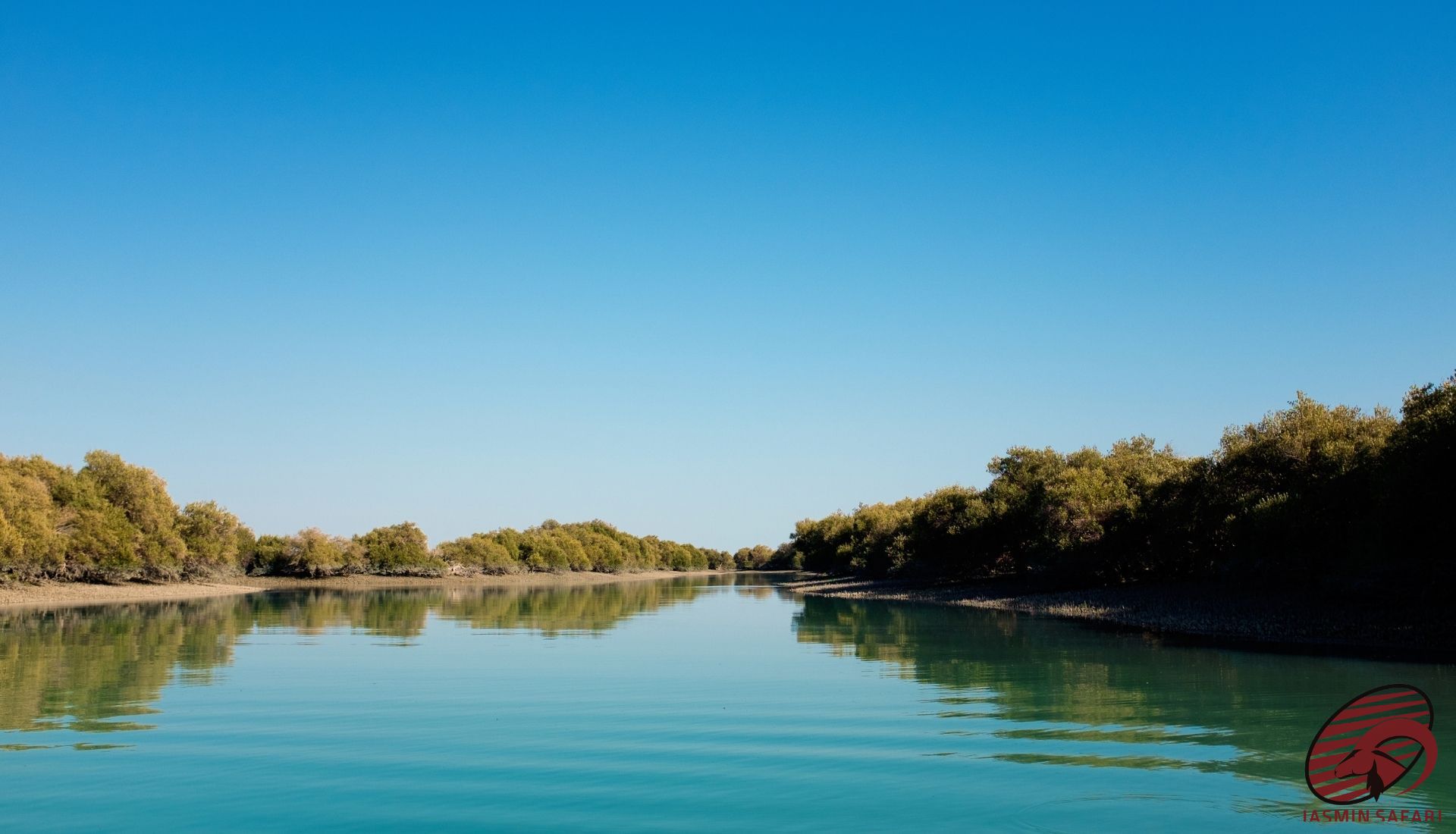
| Hara Mangrove Forest (Jangal-e Harra) | A protected biosphere reserve of unique, saltwater-adapted Avicennia marina trees. Crucial ecosystem for migratory birds (1.5% of the world's birds) and marine life. | Birdwatching, scenic boat tours, kayaking. |
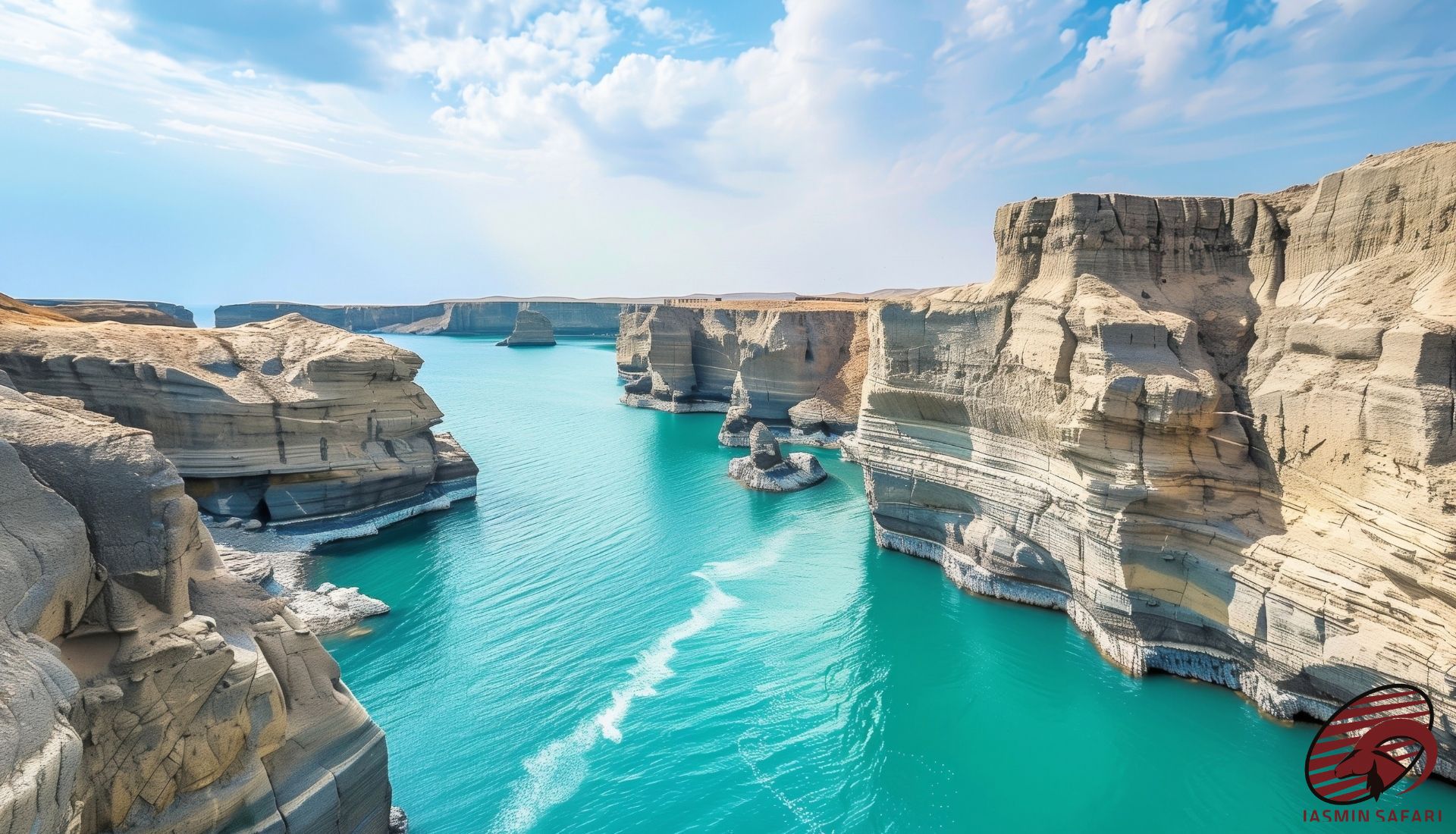
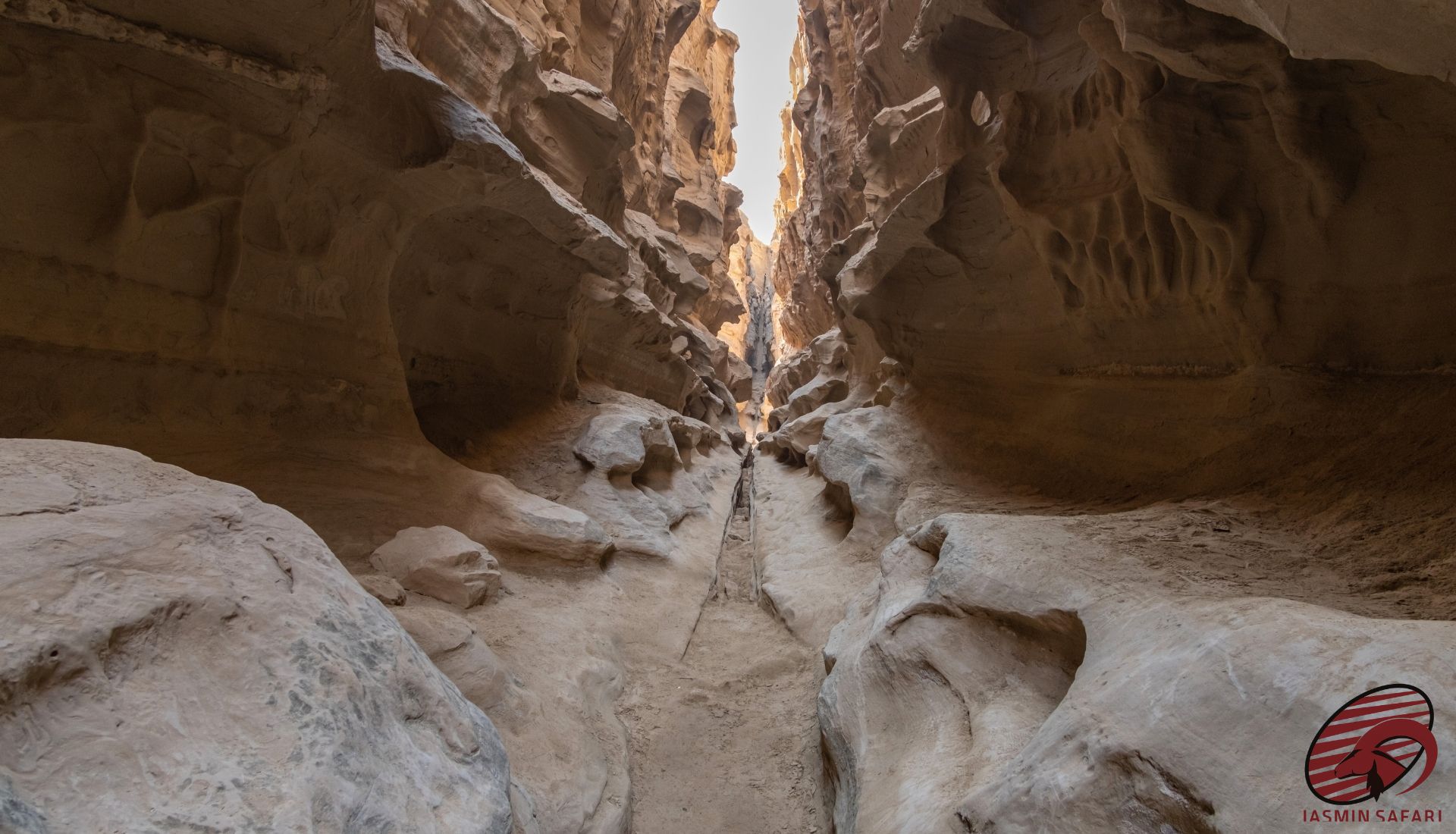
| Chahkooh Canyon | A deep, narrow gorge carved into sedimentary rock by water erosion. Its walls, up to 100 meters high, feature unique geometric patterns and natural wells (""Chah""). | Hiking, geological touring. |
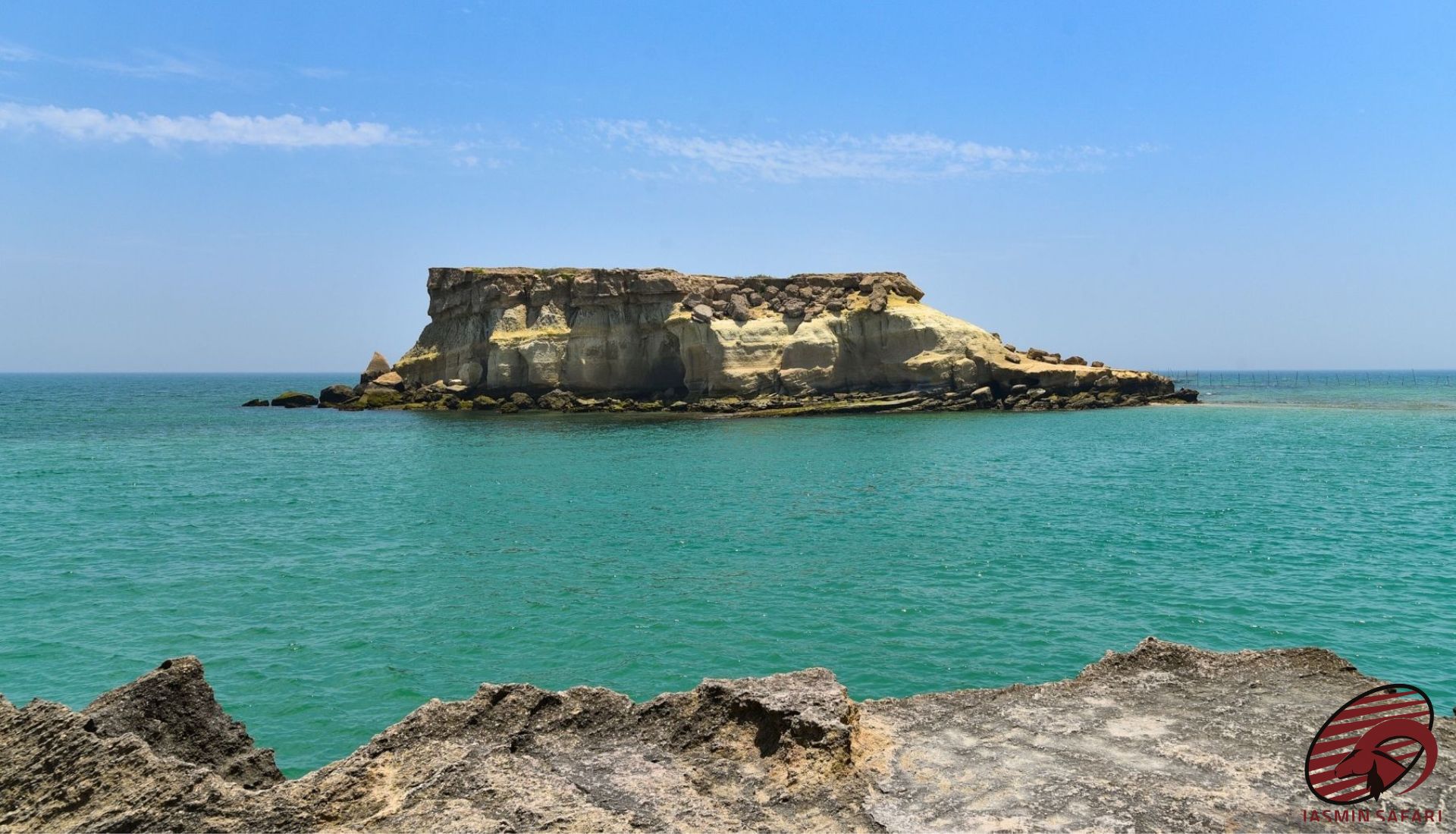
| Naz Islands | Small rocky islands connected to Qeshm's shore by a tidal strip of land that appears and disappears with the low and high tides. | Walking in the sea at low tide, horseback riding, camel riding. |
| Hengam Island | A nearby small island famous for dolphin watching (especially in the morning) and its clear waters perfect for snorkeling. | Dolphin watching tours, snorkeling, diving. |
| Laft Historical Port | A picturesque village known for its traditional Persian architecture, especially its numerous wind towers (Badgir) and the ancient Tela Wells (historical water source). | Cultural touring, architecture photography. |
| Portuguese Castle | A 16th-century fortress built by the Portuguese, reflecting the island's strategic historical importance in the Strait of Hormuz. | Historical exploration. |
History and Significance
Ancient Names: Known historically as Abarkawan during the Sasanian era.
Strategic Hub: Its location near the mouth of the Persian Gulf made it a vital maritime trade center, linking Mesopotamia, India, and Africa.
Colonial History: The island was occupied by the Portuguese in the 16th and 17th centuries until the Anglo-Persian capture of Qeshm in 1622.
UNESCO Status: The designation as the first and only UNESCO Global Geopark in the Middle East highlights its spectacular geological diversity and commitment to sustainable development and community involvement.
Qeshm Island offers a truly unique combination of dramatic natural landscapes, fascinating geological history, and vibrant, untouched Persian Gulf culture, making it a must-visit destination for any traveler to Iran.

Qeshm Island
Qeshm Island, the largest island in the Persian Gulf and a jewel of Hormozgan province, is a unique destination in Southern Iran. Declared a UNESCO
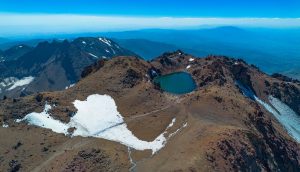
Mount Sabalan
Mount Sabalan (Savalan): Iran’s Sacred Volcanic Summit Mount Sabalan, known locally as Savalan, is one of the most magnificent and important natural and spiritual landmarks
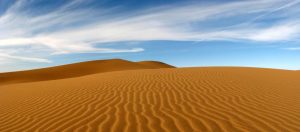
Maranjab Desert
Maranjab Desert The Maranjab Desert is one of Iran’s most accessible and picturesque desert landscapes, offering a perfect blend of towering golden sand dunes, historical
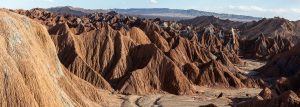
Lut Desert
Dasht-e Lut (Lut Desert) The Dasht-e Lut, meaning “Emptiness Plain” in Persian, is a large salt desert located in the southeastern part of Iran. It