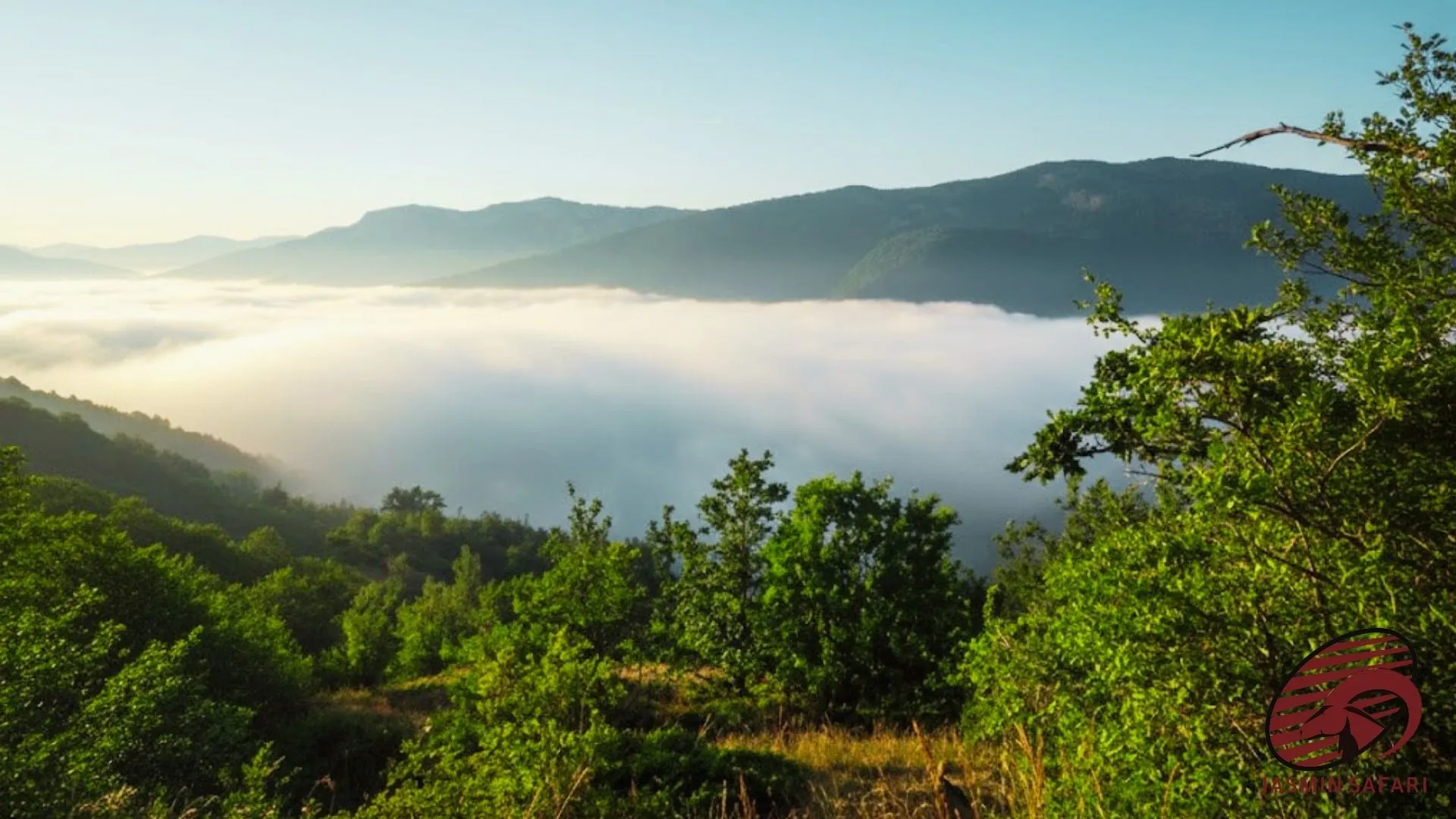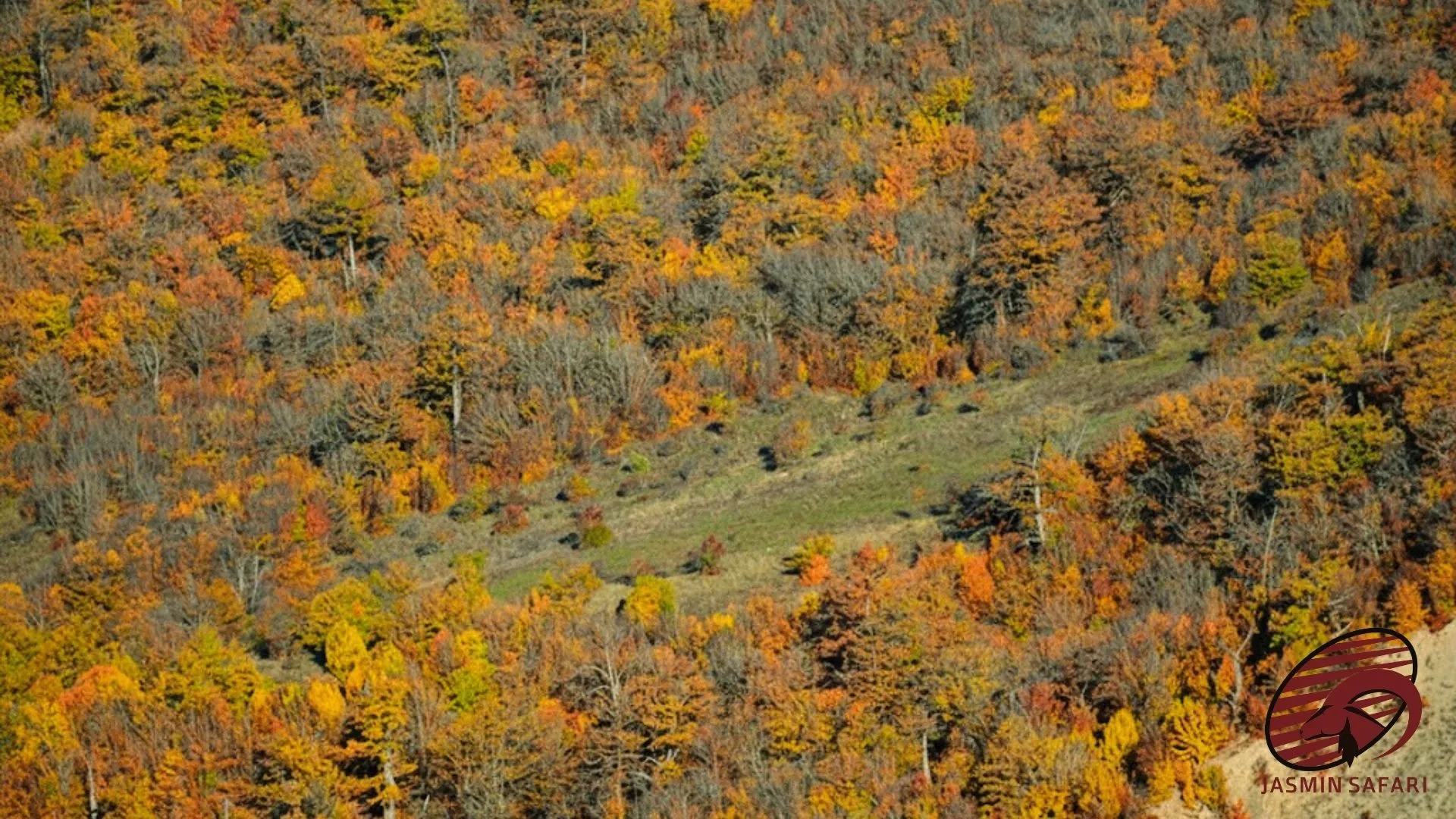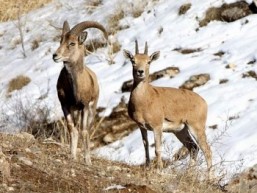
Parvar Protected Area, located in the Semnan Province, is one of Iran’s most ecologically diverse sanctuaries. Spanning 64,563 hectares, this region has been under conservation since 1967. It serves as a vital ecological corridor, bordering the Dodangeh Wildlife Refuge and the Boola Protected Area.
A Unique Ecological Crossroads
The defining characteristic of Parvar is its position at the transition zone between two distinct biomes:
Northern Region: Dominated by the lush, humid Hyrcanian forests.
Southern Region: Transitioning into the Central Iranian desert steppes.
With an altitude ranging from 1,190m to 3,300m, the area experiences a climate that shifts from temperate humid to cold semi-arid, creating a “mosaic” of habitats found nowhere else in the province.
Botanical Diversity & Ancient Forests
The northern mountains are crowned with vast upland ranges and rare Hyrcanian flora. Key plant species include:
Trees: Chestnut-leaved Oak, Beech, Hornbeam, Scotch Elm, and Juniper.
Flora & Medicinal Plants: Hawthorn, Daphne, Holly, Thyme, Borage, and various species of Gramineae.
Shrubs: Barberry and Wild Pear.
Wildlife: A Sanctuary for Rare Species
Parvar’s high biodiversity makes it a premier destination for wildlife research and ecotourism. The area supports a wide array of mammals, birds, and reptiles:
| Category | Key Species |
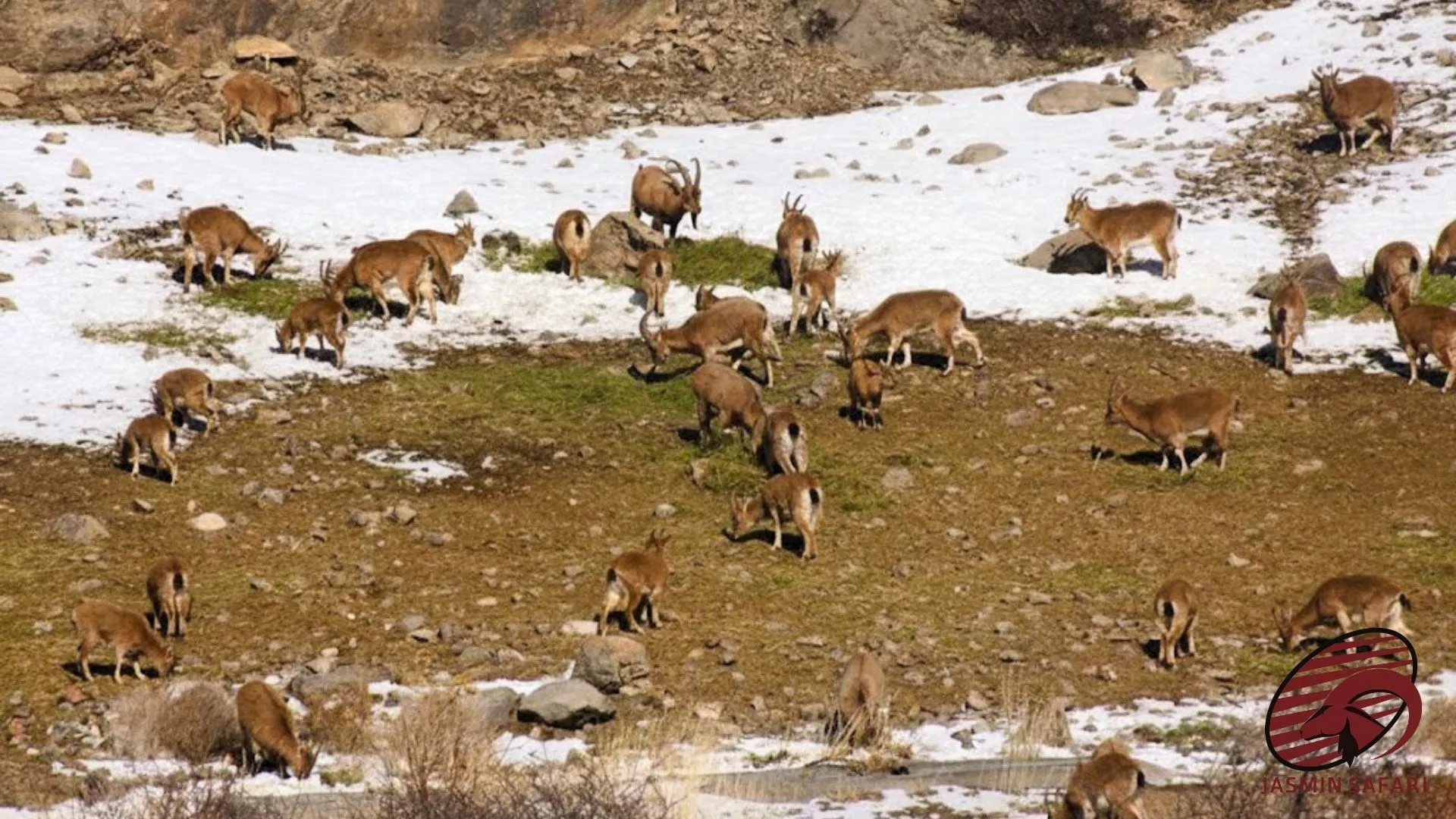
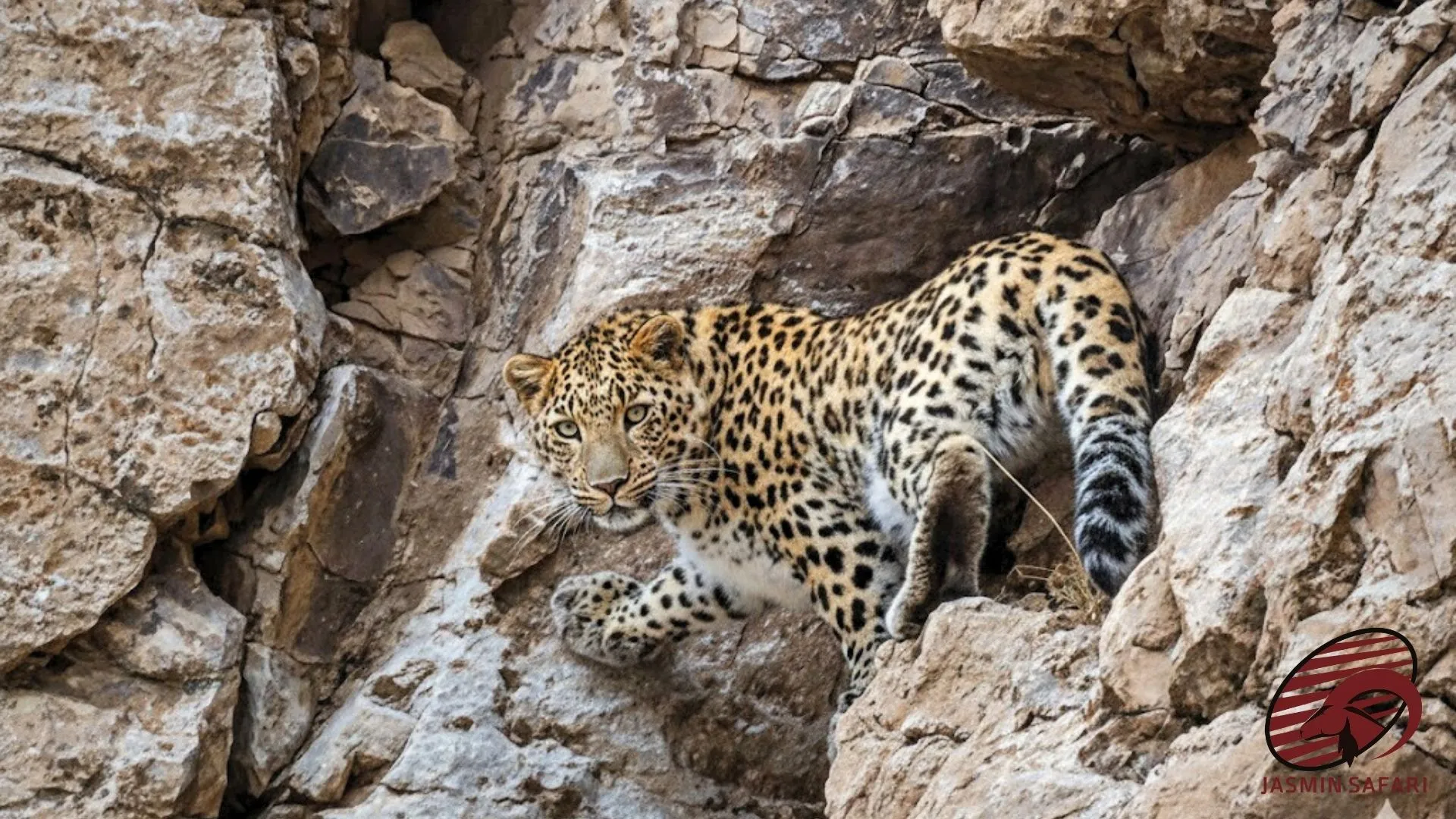
| Large Mammals | Red Deer (Maral), Roe Deer, Persian Leopard, Brown Bear |
| Highland Species | Wild Goat, Wild Sheep, Goitred Gazelle |
| Predators | Wolf, Wild Cat, Jackal |
| Avifauna | Chukar Partridge, See-see Partridge, and various Birds of Prey |
| Reptiles | Latifi’s Viper (Endemic), Levantine Viper, Mediterranean Spur-thighed Tortoise |
Climate and Visit Information
Mean Annual Temperature: 12°C
Mean Annual Precipitation: 320 mm
Best Time to Visit: Late spring and summer offer the most accessible conditions for the high-altitude ranges and forest trekking.
Tourism & Research Potential
Thanks to its proper access roads and proximity to Semnan, Parvar has become a hub for:
Scientific Research: Studying the transition between humid and arid ecosystems.
Ecotourism: Wildlife spotting and photography.
Botany: Exploring vast rangelands rich in medicinal herbs.

Khangormaz
Khangormaz (also spelled Khan Garmz or Khan-Gormaz) is a prominent protected area and mountain massif in the Hamedan Province of western Iran. It is widely

Siah kuh
Siah Kuh (Persian: سیاه کوه), meaning “Black Mountain,” refers to several locations in Iran, but the most prominent is the Siah Kuh National Park. Located
Lashgardar
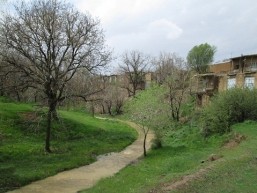
The Lashgardar Protected Area, established in 1990, stands as one of the most ecologically significant regions in Western Iran. Spanning 16,089 hectares within the Hamedan
Bashgol
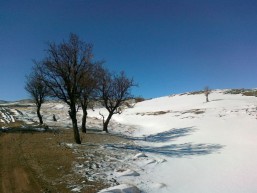
The Bashgol Protected Area is one of Iran’s most diverse ecological landscapes. Established in 1996, this 25,344-hectare sanctuary is a transition zone where rolling plains