Mount Damavand

Mount Damavand

Mount Damavand

The Majestic Crown of Iran and Asia’s Highest Volcano

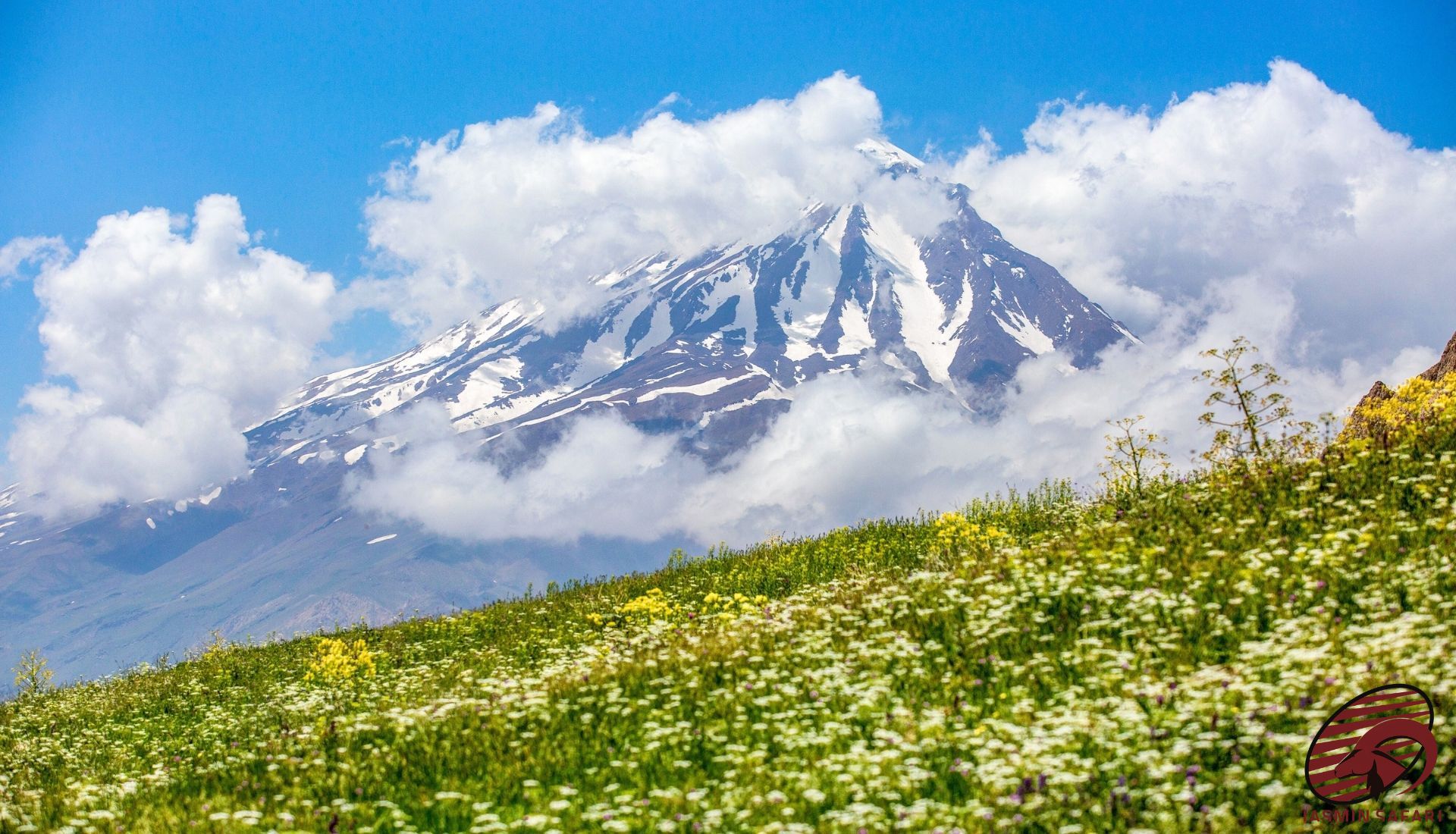
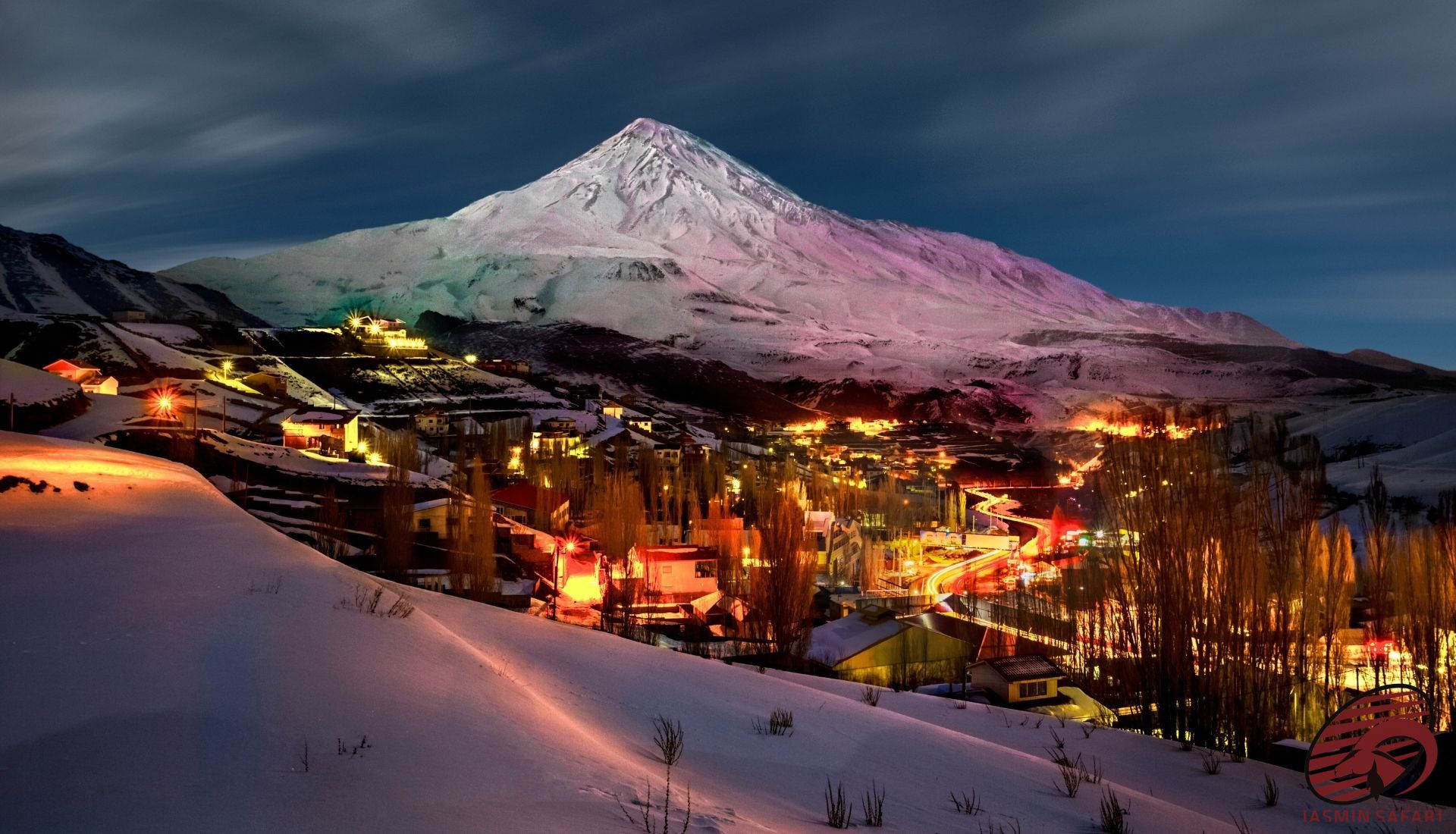
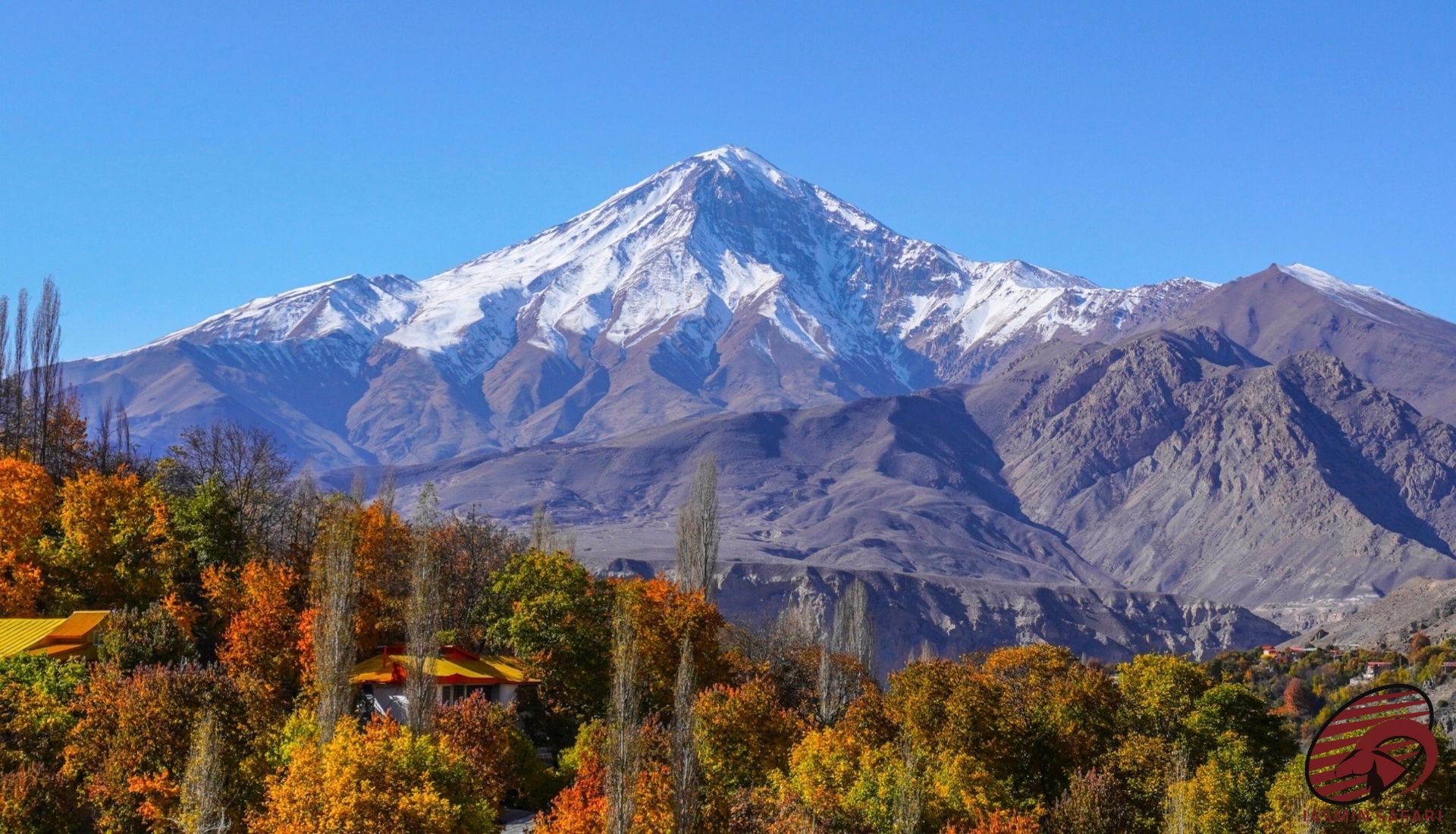
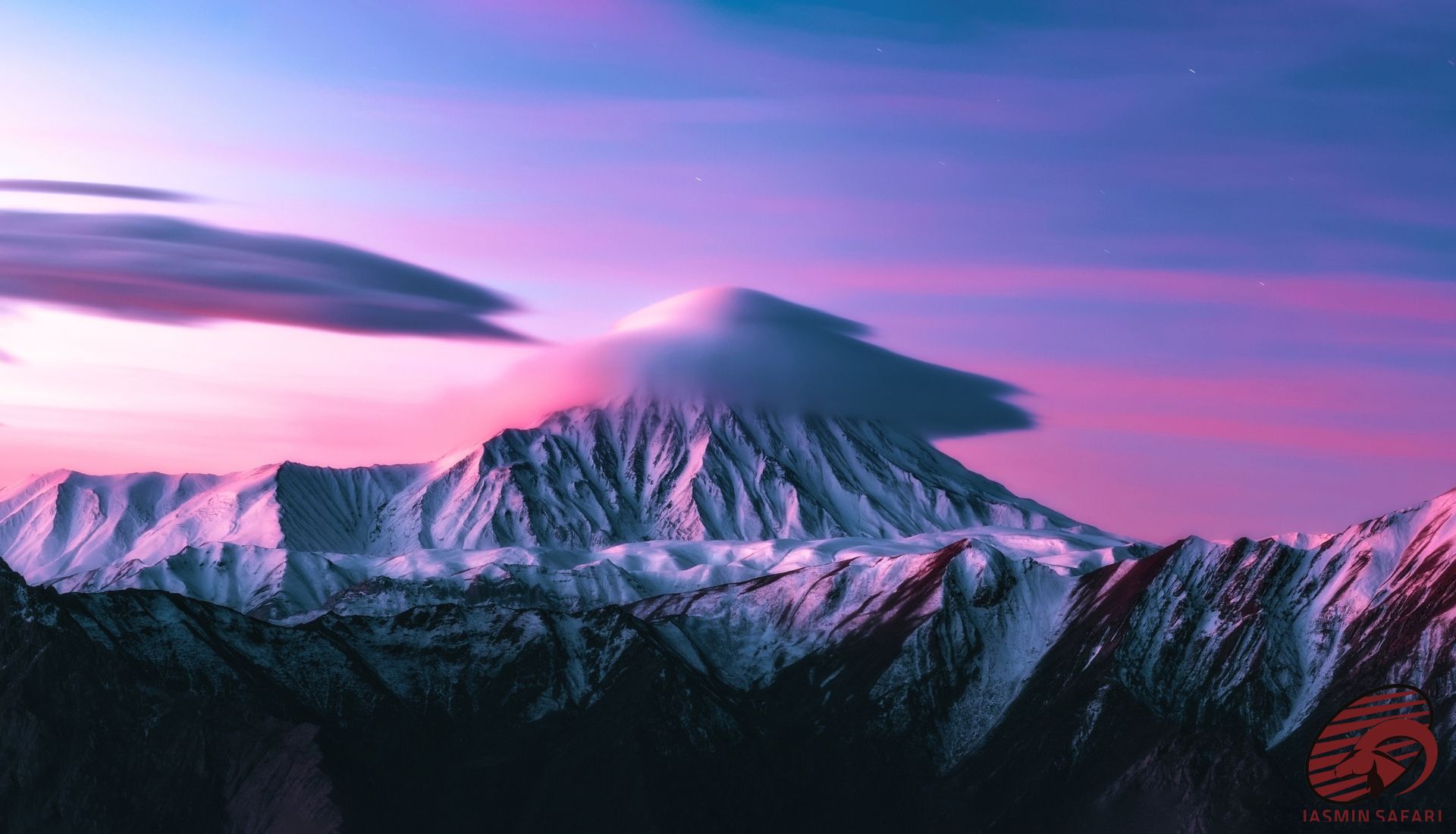
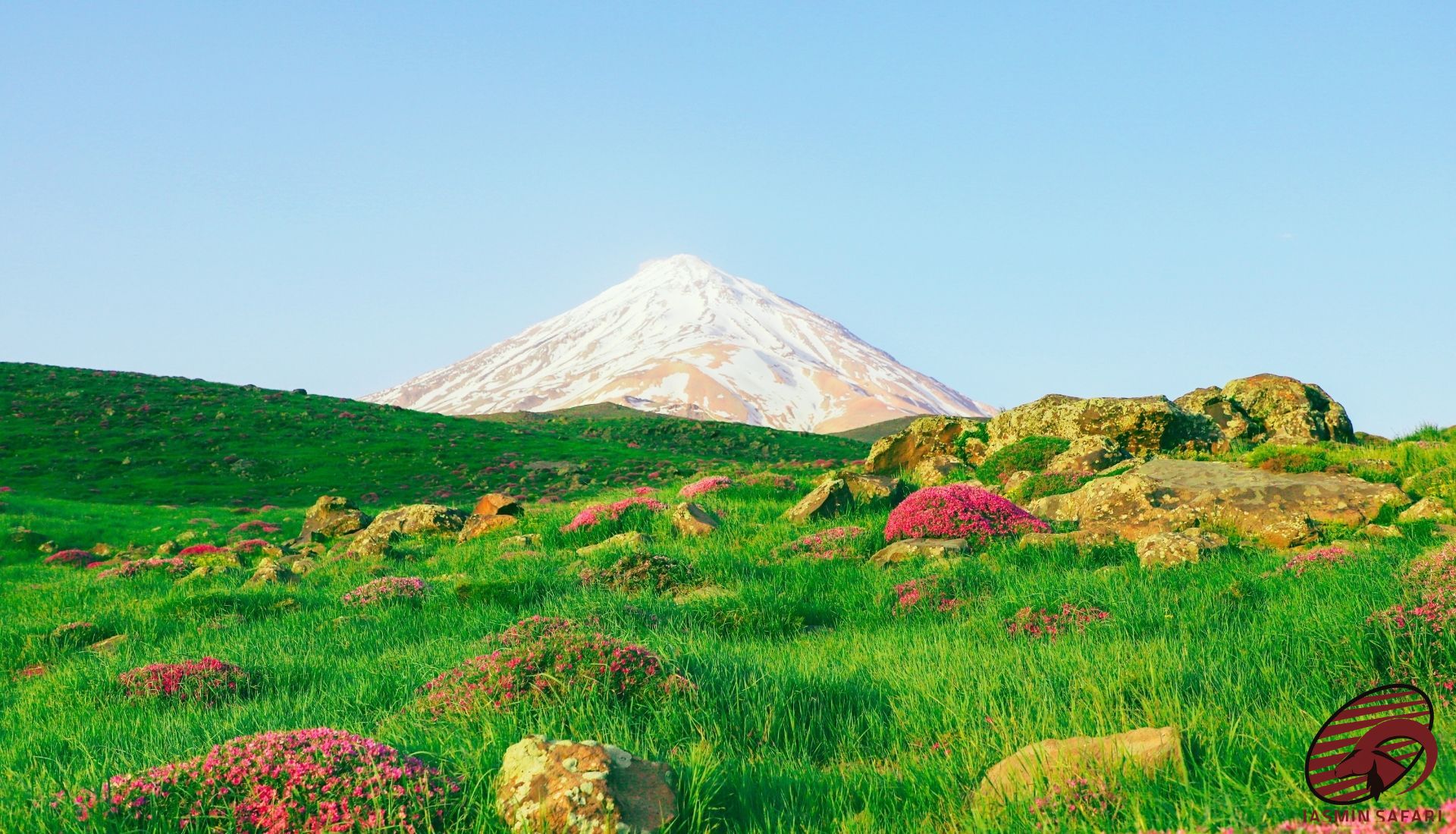
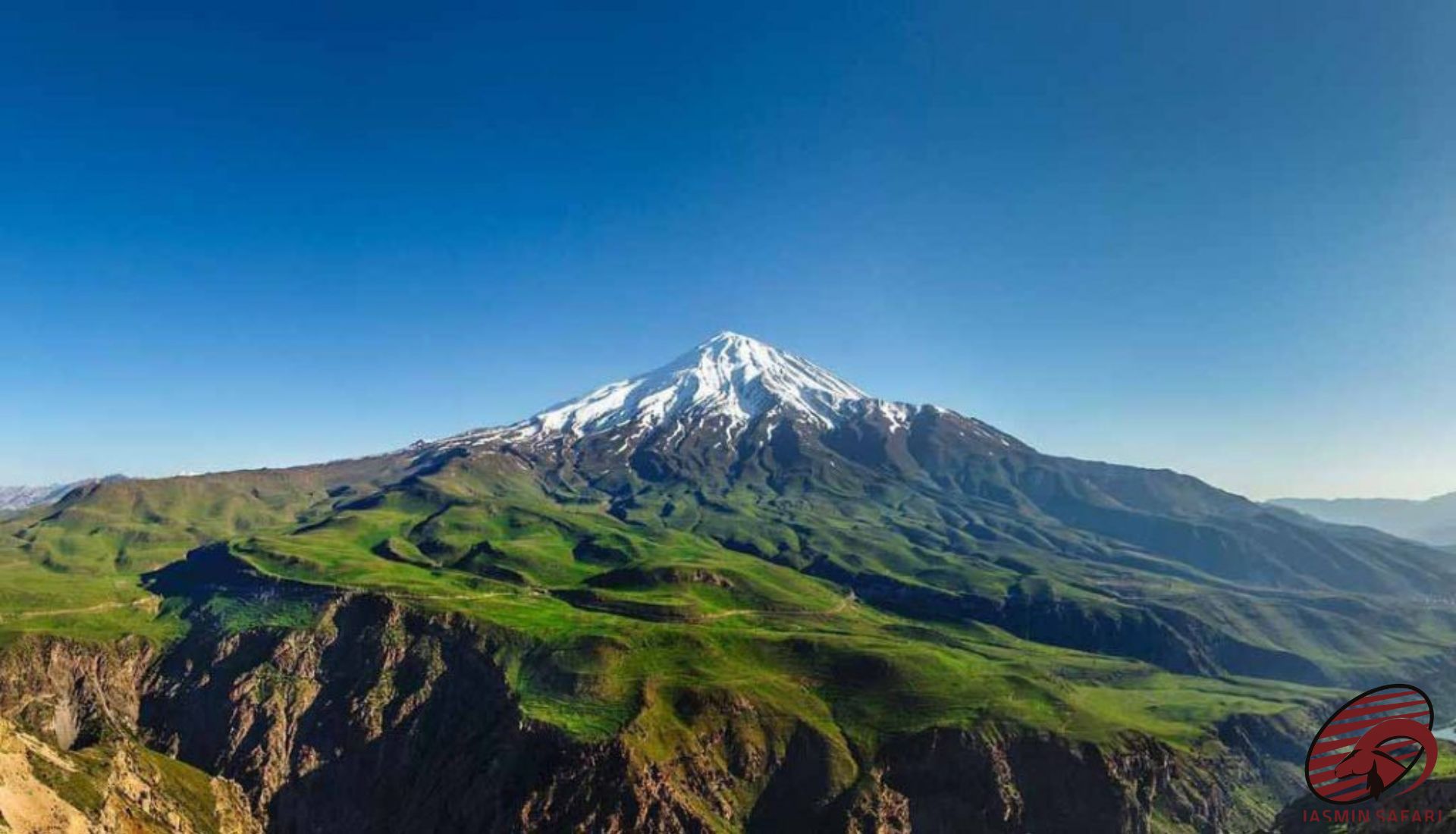
Mount Damavand is a colossal, snow-capped stratovolcano and a national symbol of Iran. It is the highest mountain in the Middle East and the highest volcano in all of Asia, a challenge for mountaineers and a monument steeped in Persian mythology.

Geography & Location

  • Elevation: 5,610 meters (18,406 ft). Its prominence is 4,667 meters, making it the 12th most prominent peak in the world and the 2nd most prominent in Asia after Mount Everest.

  • Location: Situated in the central part of the Alborz Mountain Range (also known as Elburz) in northern Iran, Mazandaran Province, Amol County.

  • Proximity: Located ∼66 km (∼41 miles) northeast of Tehran and ∼70 km south of the Caspian Sea.

  • Visible From: On a clear day, the conical peak can be seen from Tehran and the southern coast of the Caspian Sea.


Cultural & Mythological Significance

  • National Symbol: Damavand is deeply woven into Iranian culture and literature. It was registered as the first national natural monument of Iran in 2008.

  • Persian Mythology: In Persian folklore and the epic poem Shahnameh (Book of Kings), Damavand is where the heroic figure Fereydun chains the evil tyrant Zahhak. The mountain is seen as a symbol of Iranian resistance, stability, and freedom.


Climbing Season

  • Best Time (High Season): Mid-June to Mid-September. The weather is mild and stable, snow is minimal on the lower trails, and facilities are fully operational. July and August are the peak months.

  • Off-Season (Winter): October to May. Only suitable for highly experienced, well-equipped mountaineers due to extreme cold (down to −60∘C wind chill), deep snow, ice, and avalanche risks.


Challenge: Despite the accessibility of the Southern Route, Mount Damavand is a serious high-altitude climb. Climbers must be physically fit and properly prepared to deal with the effects of the low oxygen levels (altitude sickness) and potentially harsh weather conditions.

Qeshm Island, the largest island in the Persian Gulf and a jewel of Hormozgan province, is a unique destination in Southern Iran.

Qeshm Island

Qeshm Island, the largest island in the Persian Gulf and a jewel of Hormozgan province, is a unique destination in Southern Iran. Declared a UNESCO
Read More »
Mount Sabalan, known locally as Savalan, is one of the most magnificent and important natural and spiritual landmarks in Iran

Mount Sabalan

Mount Sabalan (Savalan): Iran’s Sacred Volcanic Summit Mount Sabalan, known locally as Savalan, is one of the most magnificent and important natural and spiritual landmarks
Read More »
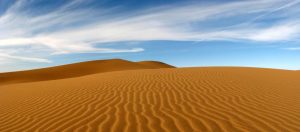
The Maranjab Desert is one of Iran's most accessible and picturesque desert landscapes, offering a perfect blend of towering golden sand dunes, historical Silk Road architecture, and vast salt lakes.

Maranjab Desert

Maranjab Desert The Maranjab Desert is one of Iran’s most accessible and picturesque desert landscapes, offering a perfect blend of towering golden sand dunes, historical
Read More »
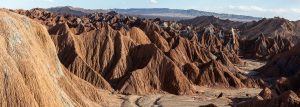
The Dasht-e Lut, meaning "Emptiness Plain" in Persian, is a large salt desert located in the southeastern part of Iran

Lut Desert

Dasht-e Lut (Lut Desert) The Dasht-e Lut, meaning “Emptiness Plain” in Persian, is a large salt desert located in the southeastern part of Iran. It

Read More »

Contact Us

Discover the thrill of Big Game Safaris and Wild Boar hunting in Iran! Our expert guides and trackers will lead you to the best-kept hunting grounds. Join us for an unforgettable adventure!
 
© All Rights Reserved. 2025

Address