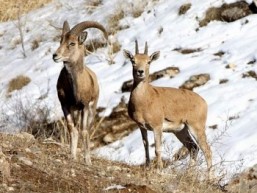
The Mooteh Wildlife Refuge, spanning the borders of Isfahan and Markazi Provinces, stands as one of Iran’s most prestigious and ecologically significant protected areas. Originally protected in 1964 and officially designated as a Wildlife Refuge in 1990, this 204,350-hectare expanse is a premier destination for researchers, nature enthusiasts, and eco-tourists.
Geography and Climate
Characterized by a dramatic landscape of mountainous plains and rolling lands, Mooteh sits at an altitude ranging from 1,500 to 2,900 meters.
Climate: The region features a temperate arid to semi-arid climate.
Weather Stats: With a mean annual temperature of 12°C and average precipitation of 275 mm, it offers a cooler, more hydrated environment compared to the surrounding desert plateaus.
Flora and Vegetation
Mooteh boasts a high level of plant biodiversity. The vegetation cover is a rich tapestry of desert and mountain flora, including:
Shrubs & Trees: Mountain Almond, Bean Caper, and various Astragals.
Herbs & Wildflowers: Wormwood, Persian Globe Thistle, Poppy, Salvia, Borage, and Goat’s Wheat.
Wildlife: The Stronghold of the Goitred Gazelle
Mooteh is internationally recognized as one of the best habitats for the Goitred Gazelle in Iran. Beyond the gazelle, the refuge is a thriving ecosystem for:
Mammals: Persian Leopard, Wild Sheep, Wild Goat, Wolf, Cape Hare, and the Indian Crested Porcupine.
Avifauna (Birds): Golden Eagle, Falcon, Sparrow Hawk, Vulture, Chukar Partridge, and the Red-billed Chough.
Reptiles: Various species of Turtle and Agama.
Research and Ecotourism
Despite the environmental challenges posed by local mining activities, Mooteh remains a hub for scientific advancement. Its proximity to major academic centers and excellent access roads make it a top-tier location for:
Scientific research and field studies.
Educational tours for biology and environmental science students.
Sustainable nature tourism and wildlife photography.

Khangormaz
Khangormaz (also spelled Khan Garmz or Khan-Gormaz) is a prominent protected area and mountain massif in the Hamedan Province of western Iran. It is widely

Siah kuh
Siah Kuh (Persian: سیاه کوه), meaning “Black Mountain,” refers to several locations in Iran, but the most prominent is the Siah Kuh National Park. Located
Lashgardar
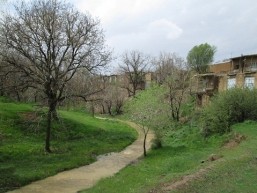
The Lashgardar Protected Area, established in 1990, stands as one of the most ecologically significant regions in Western Iran. Spanning 16,089 hectares within the Hamedan
Bashgol
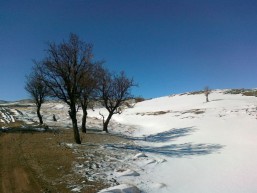
The Bashgol Protected Area is one of Iran’s most diverse ecological landscapes. Established in 1996, this 25,344-hectare sanctuary is a transition zone where rolling plains