Maranjab Desert

Maranjab Desert

Maranjab Desert

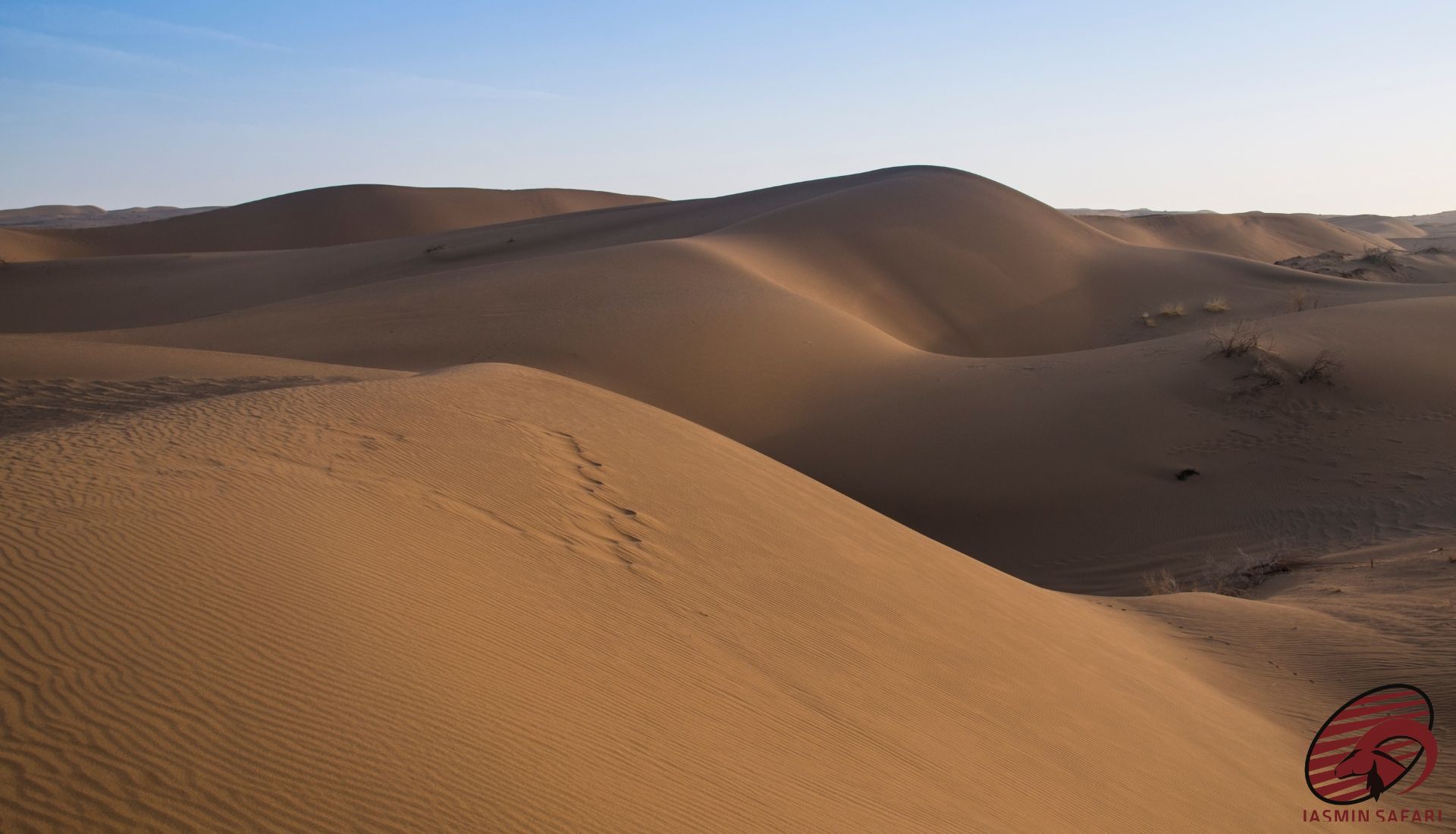
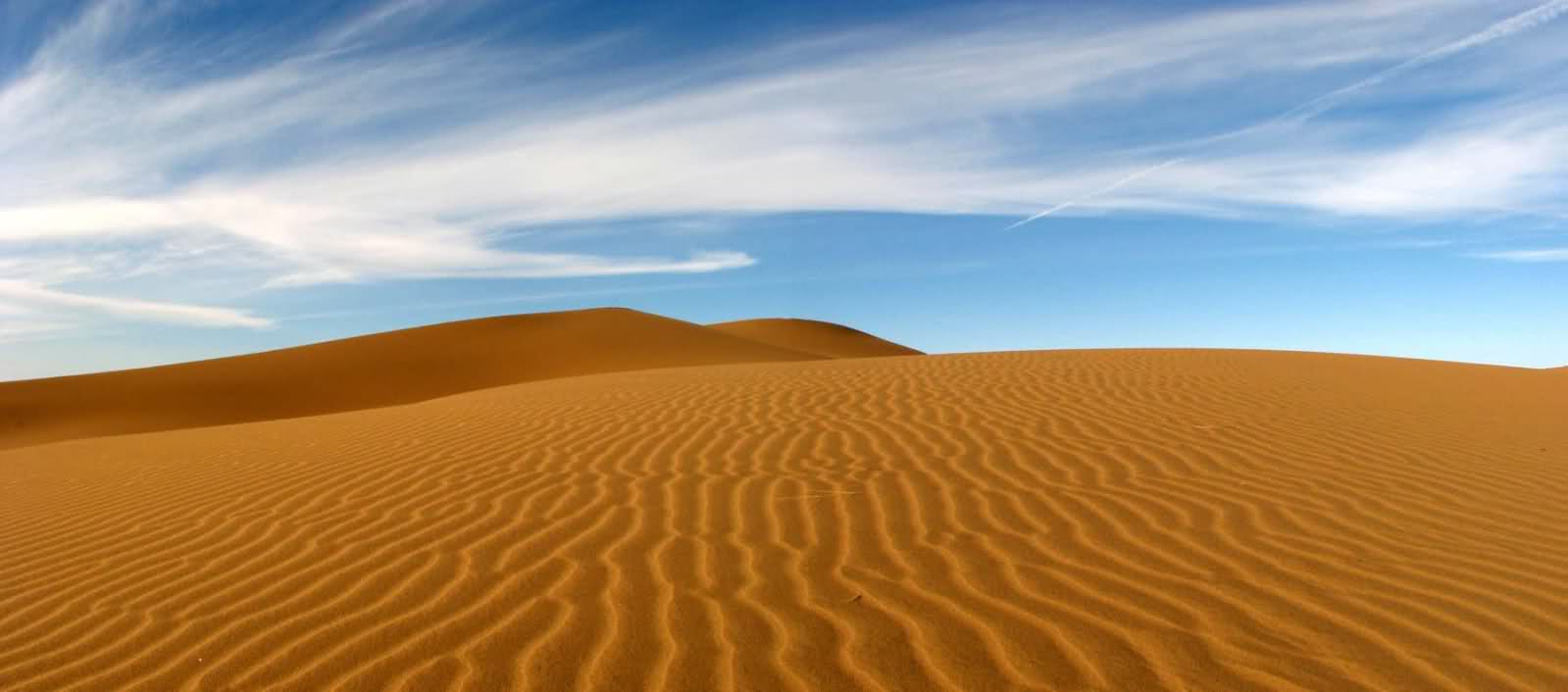
The Maranjab Desert is one of Iran’s most accessible and picturesque desert landscapes, offering a perfect blend of towering golden sand dunes, historical Silk Road architecture, and vast salt lakes. Located in the north of Isfahan Province, it is an ideal destination for adventure travelers, stargazers, and history enthusiasts visiting Central Iran.

Feature Details
Location North of Aran and Bidgol County, Isfahan Province, Iran. Closest major city is Kashan (∼60 km to the southwest).
Part of Dasht-e Kavir (Great Salt Desert), one of Iran's two major deserts.
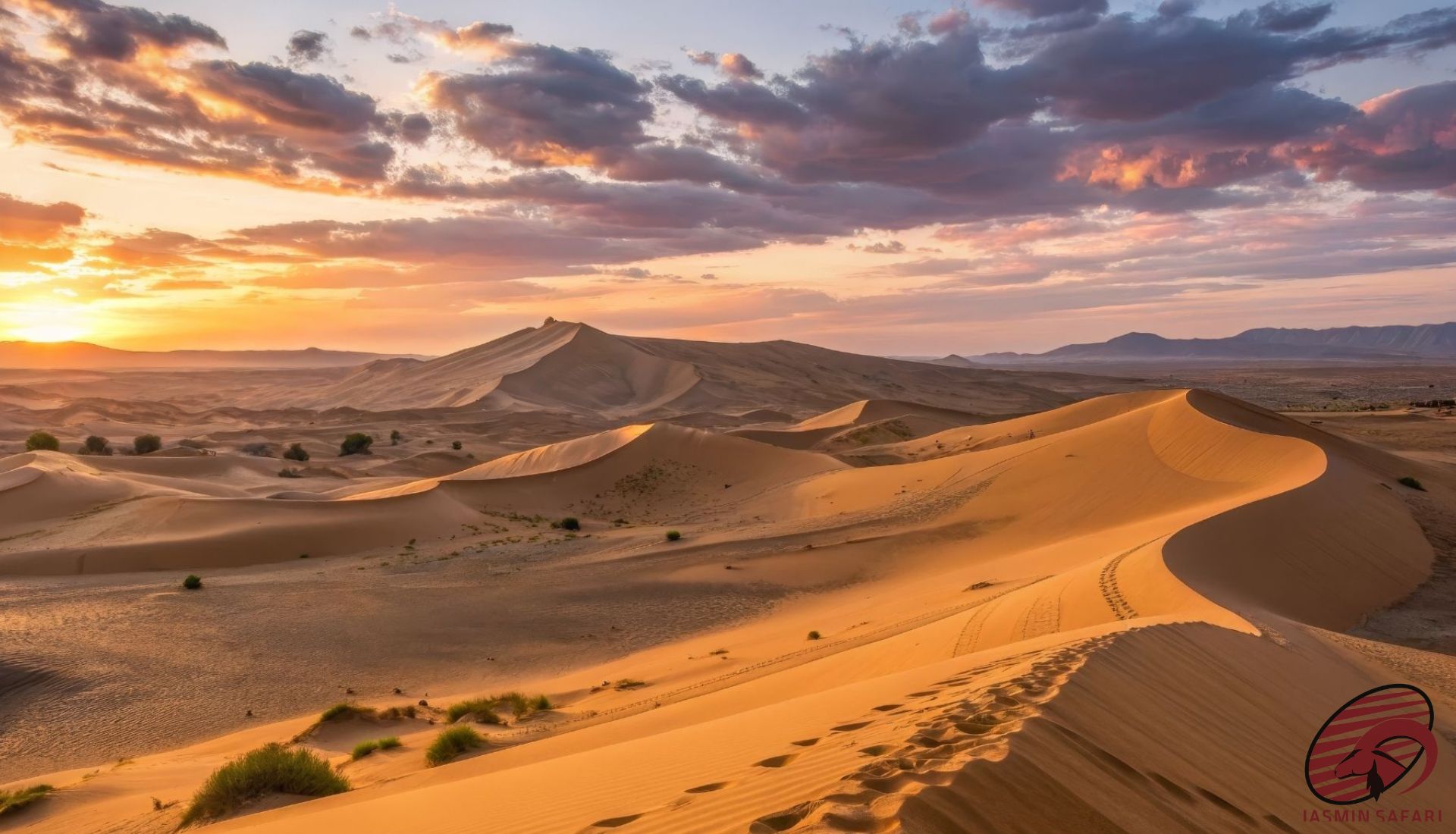
Landscape High, golden sand dunes (∼50 meters), vast salt flats (Playa), and low-lying vegetation.
Historical Significance An important stop along the ancient Silk Road trade route.
Best Time to Visit Autumn (September–November) and Spring (March–May), when temperatures are mild. Winter nights are very cold. Avoid the summer heat.
Access Relatively easy access via a ∼50 km dirt road from Aran and Bidgol/Kashan, best traveled with a 4x4 vehicle.

Activities & Adventures

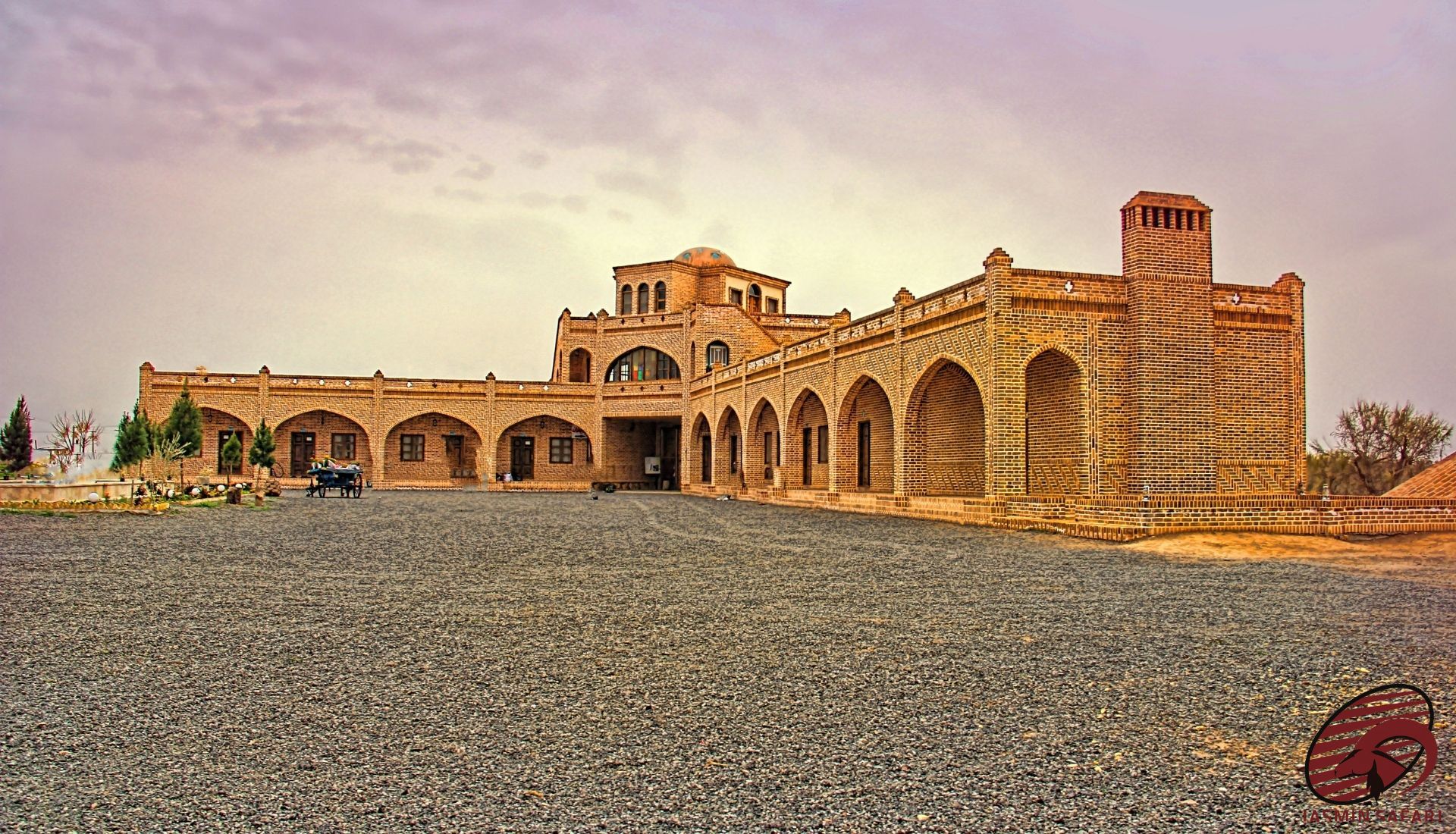
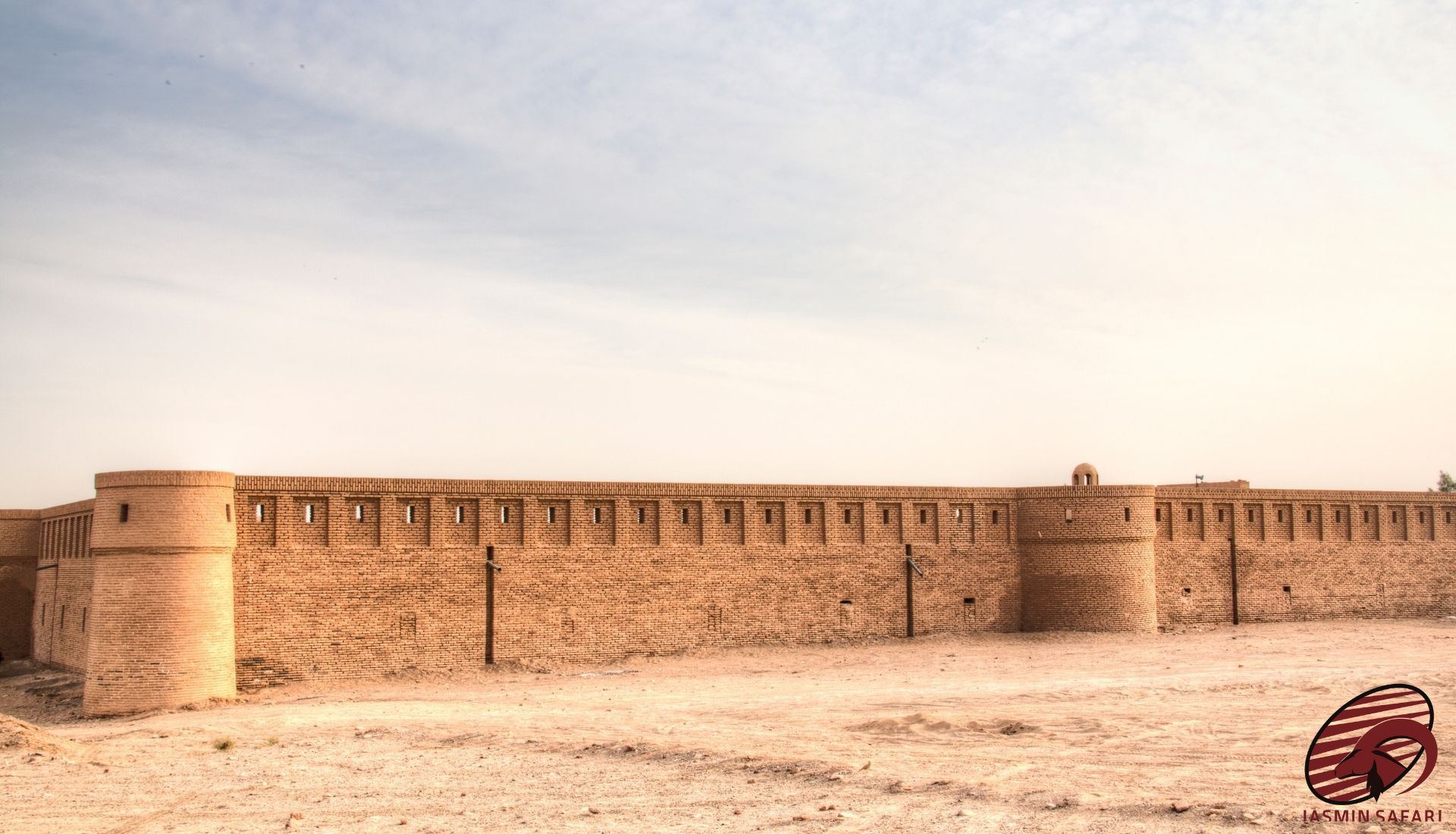
  1. Shah Abbasi Caravanserai: A historical Safavid-era (17th century) inn located deep within the desert. It once sheltered merchants on the Silk Road and now serves as a protected monument and sometimes a rustic overnight stay for tourists.

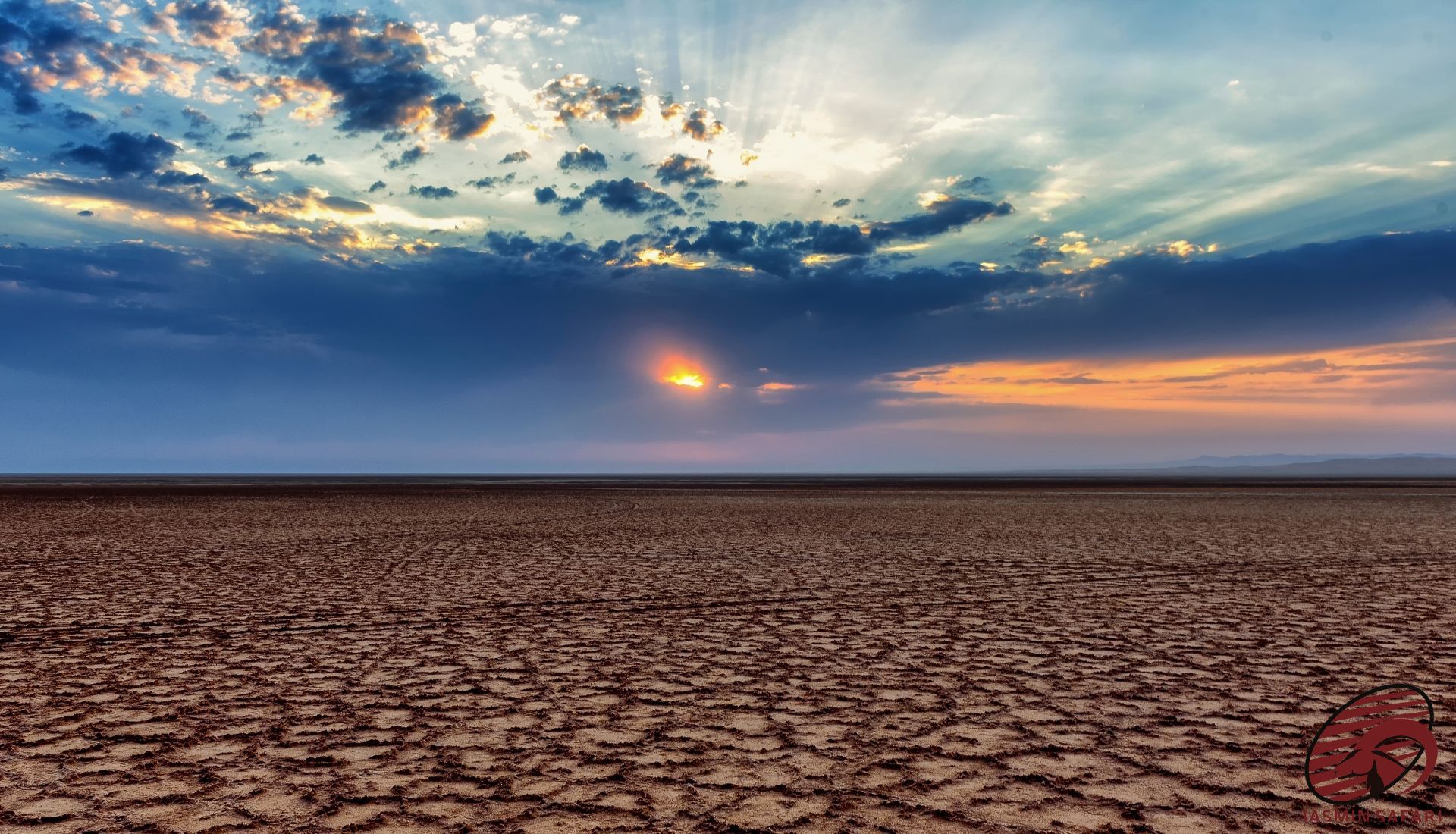
  2. Maranjab Salt Lake (Aran and Bidgol Salt Lake): A massive salt flat that covers an area of ∼650 km2. After seasonal rains evaporate, the surface is covered in spectacular, geometric salt crystal patterns (polygons), creating a unique, snow-like landscape.

  3. Jazireh Sargardan (Wandering Island): An optical illusion on the Salt Lake. It appears to be a floating island surrounded by water (or salt) that seems to shift as a person moves, especially after rainfall.

  4. High Sand Dunes: The tall, golden dunes, particularly around the Band-e Rig area, offer stunning views, especially at sunrise and sunset.

  5. Dastkand Well: A historical freshwater well near the caravanserai, filtered naturally by the surrounding sand, a testament to desert survival.

Flora and Fauna

Despite the arid climate, Maranjab has diverse life, adapted to the saline conditions:

  1. Flora (Halophytes): Tagh trees (Haloxylon persicum), Tamarisk trees (Tamarix spp.), and various salt-tolerant bushes.
  2. Fauna: Sand foxes, sand cats, jackals, hyenas, chameleons, various lizards, snakes, scorpions, and birds of prey.
Qeshm Island, the largest island in the Persian Gulf and a jewel of Hormozgan province, is a unique destination in Southern Iran.

Qeshm Island

Qeshm Island, the largest island in the Persian Gulf and a jewel of Hormozgan province, is a unique destination in Southern Iran. Declared a UNESCO
Read More »
Mount Sabalan, known locally as Savalan, is one of the most magnificent and important natural and spiritual landmarks in Iran

Mount Sabalan

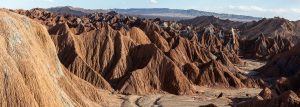
Mount Sabalan (Savalan): Iran’s Sacred Volcanic Summit Mount Sabalan, known locally as Savalan, is one of the most magnificent and important natural and spiritual landmarks
Read More »
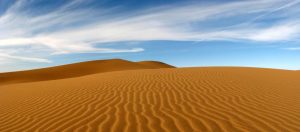
The Maranjab Desert is one of Iran's most accessible and picturesque desert landscapes, offering a perfect blend of towering golden sand dunes, historical Silk Road architecture, and vast salt lakes.

Maranjab Desert

Maranjab Desert The Maranjab Desert is one of Iran’s most accessible and picturesque desert landscapes, offering a perfect blend of towering golden sand dunes, historical
Read More »
The Dasht-e Lut, meaning "Emptiness Plain" in Persian, is a large salt desert located in the southeastern part of Iran

Lut Desert

Dasht-e Lut (Lut Desert) The Dasht-e Lut, meaning “Emptiness Plain” in Persian, is a large salt desert located in the southeastern part of Iran. It

Read More »

Contact Us

Discover the thrill of Big Game Safaris and Wild Boar hunting in Iran! Our expert guides and trackers will lead you to the best-kept hunting grounds. Join us for an unforgettable adventure!
 
© All Rights Reserved. 2025

Address