Dasht-e Lut (Lut Desert)
The Dasht-e Lut, meaning “Emptiness Plain” in Persian, is a large salt desert located in the southeastern part of Iran. It is globally famous for its exceptional geological phenomena and is one of the driest and hottest places on the planet.
Key Facts and Geographical Features
| Feature | Description |
| Location | Southeastern Iran, spanning parts of Kerman, Sistan and Baluchestan, and South Khorasan provinces. |
| Status | UNESCO World Heritage Site (Inscribed in 2016) – Iran’s first natural World Heritage site. |
| Area | pproximately 51,800 to 120,000 km2 (depending on delineation). |
| Extreme Heat | Holds the record for the highest land surface temperature ever reliably recorded on Earth, reaching 70.7°C (159.3°F) in 2005. The area is considered the planet's ""geothermal pole."" |
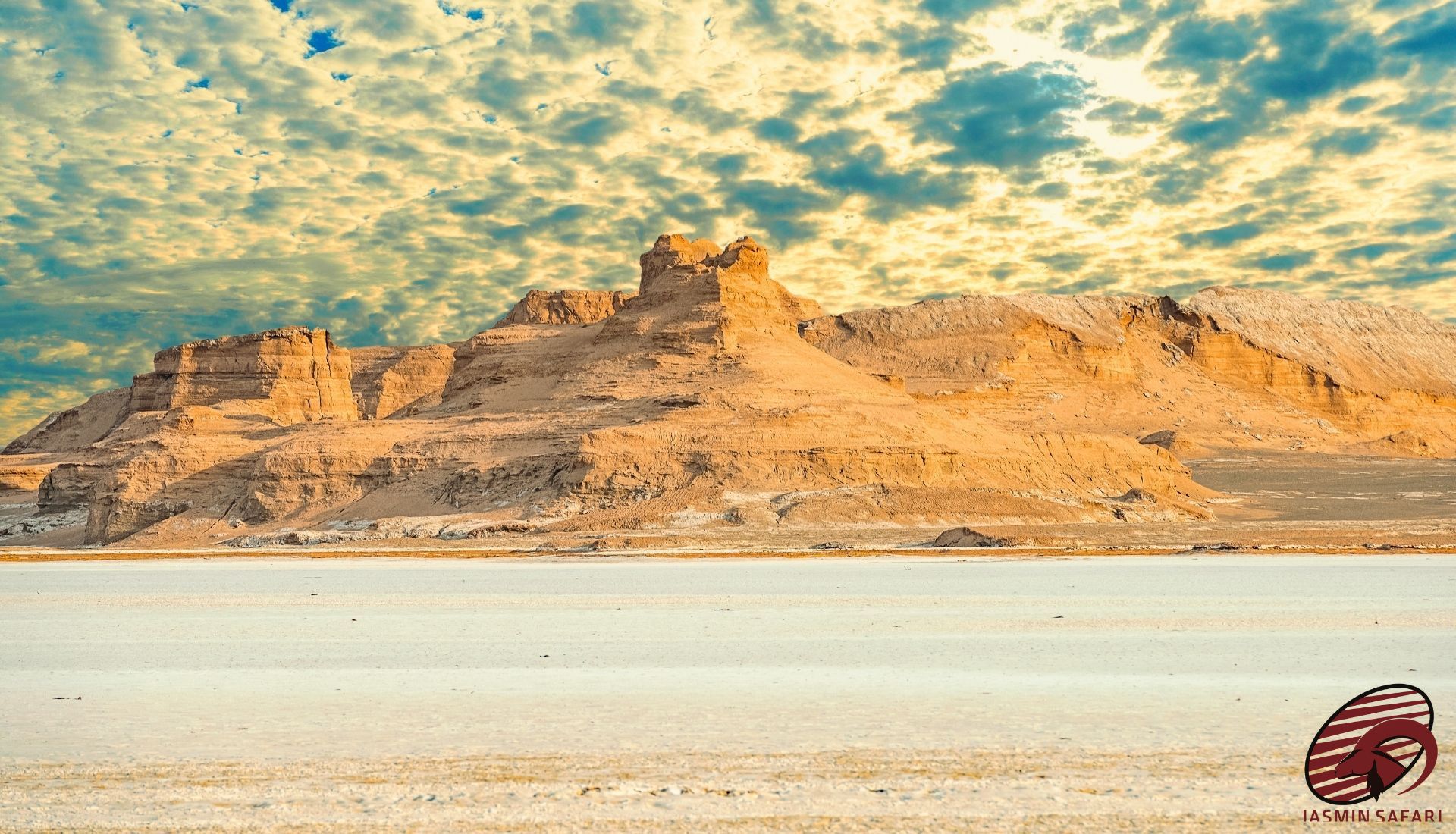
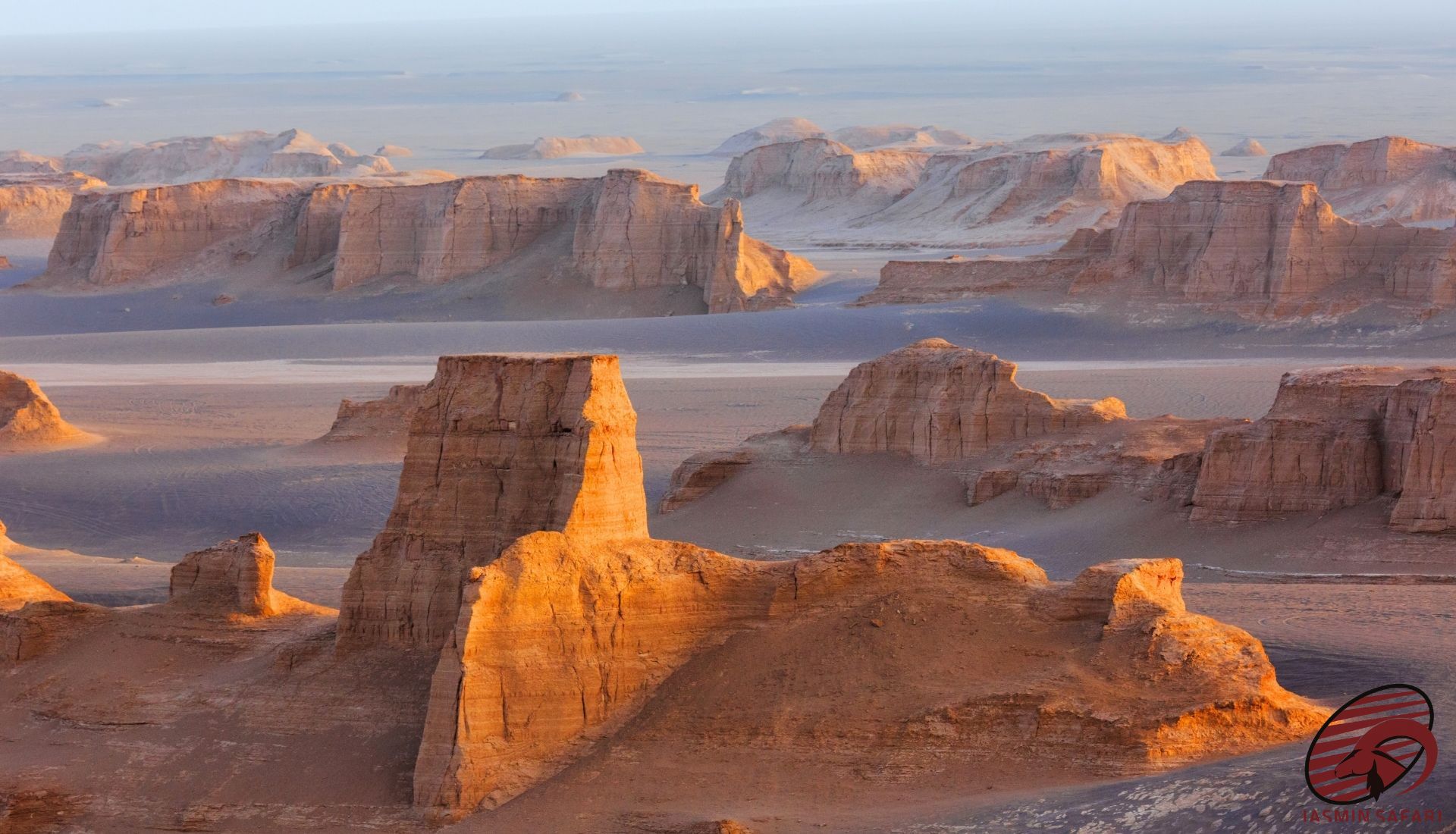
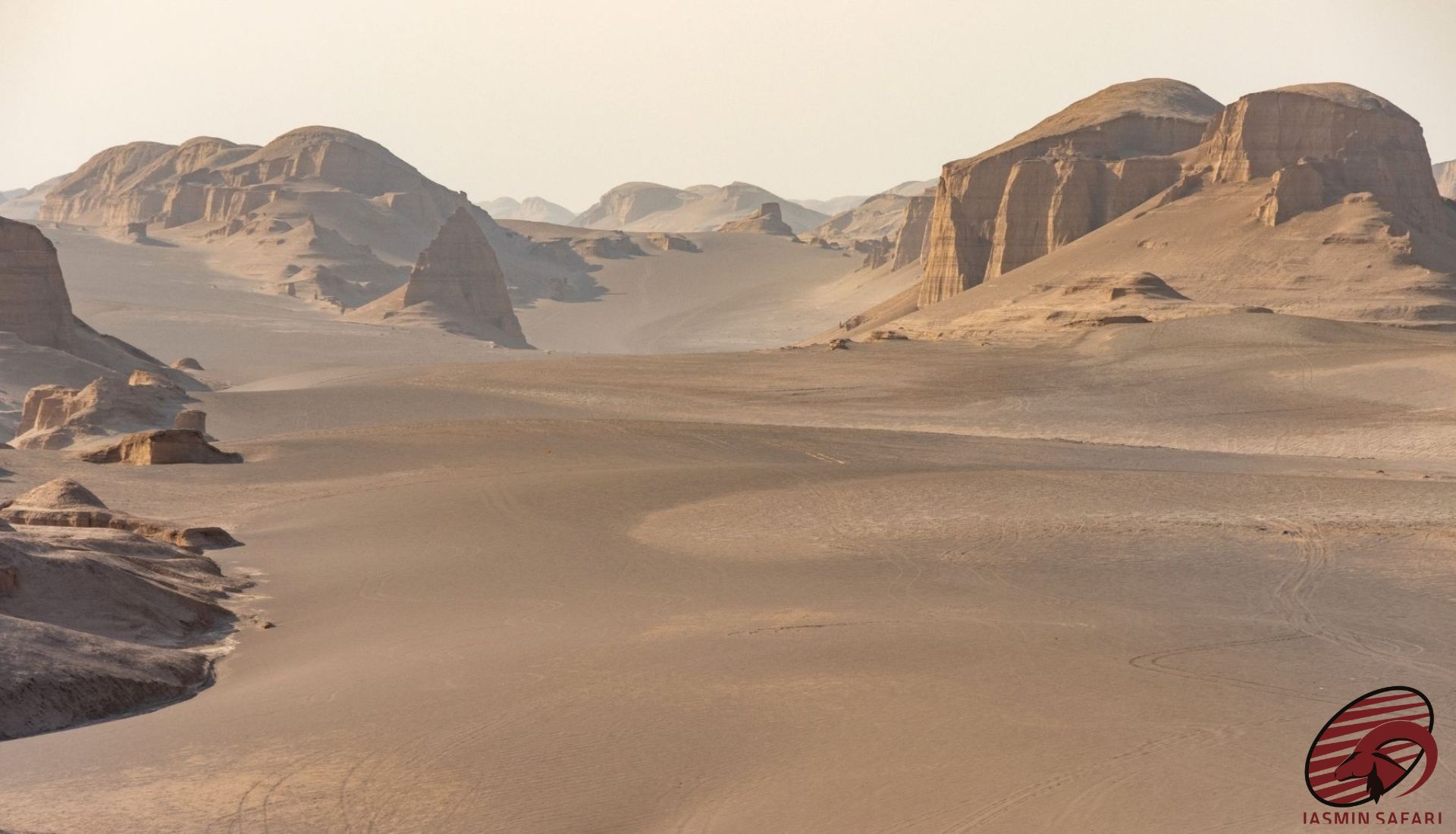
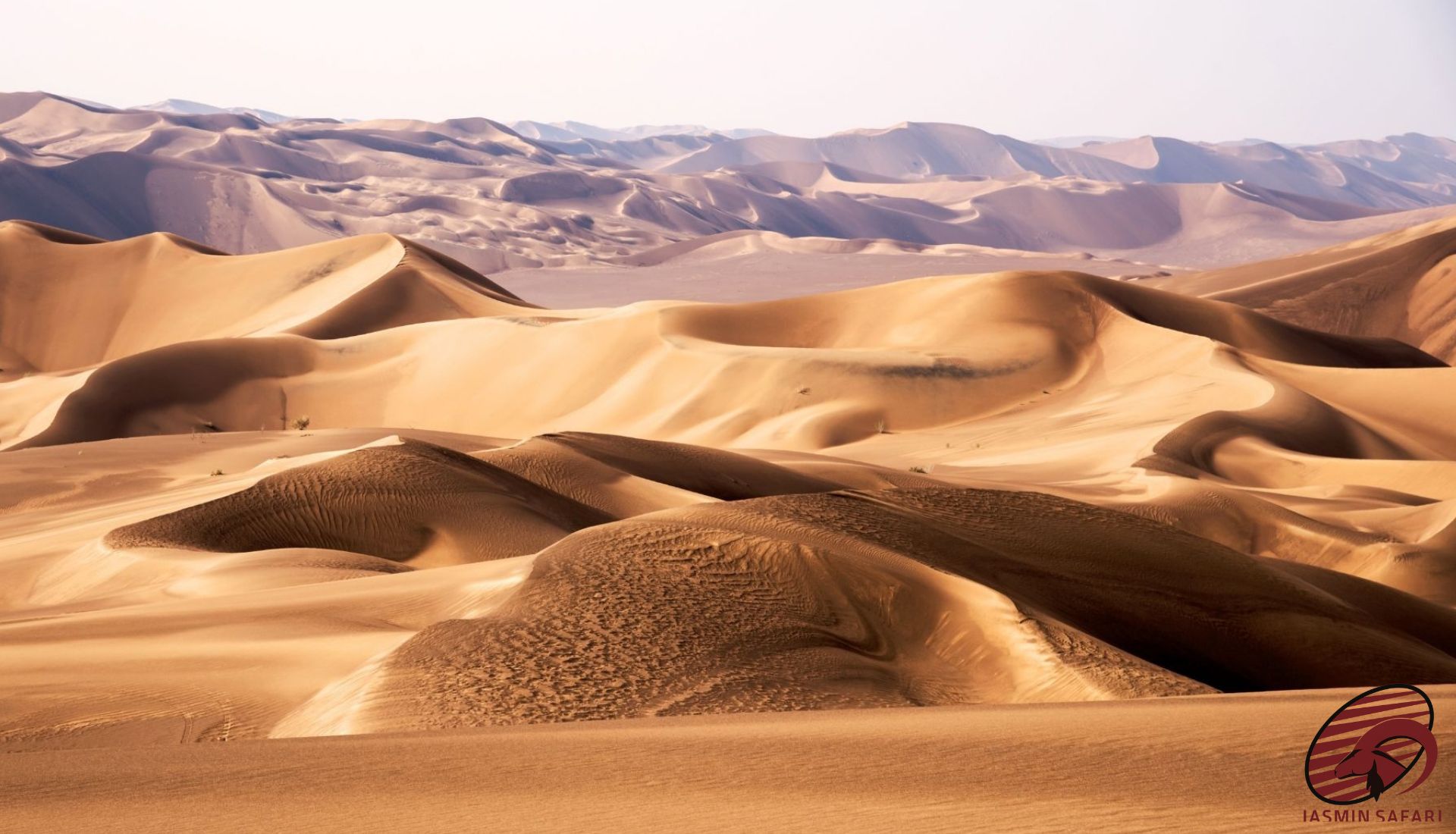
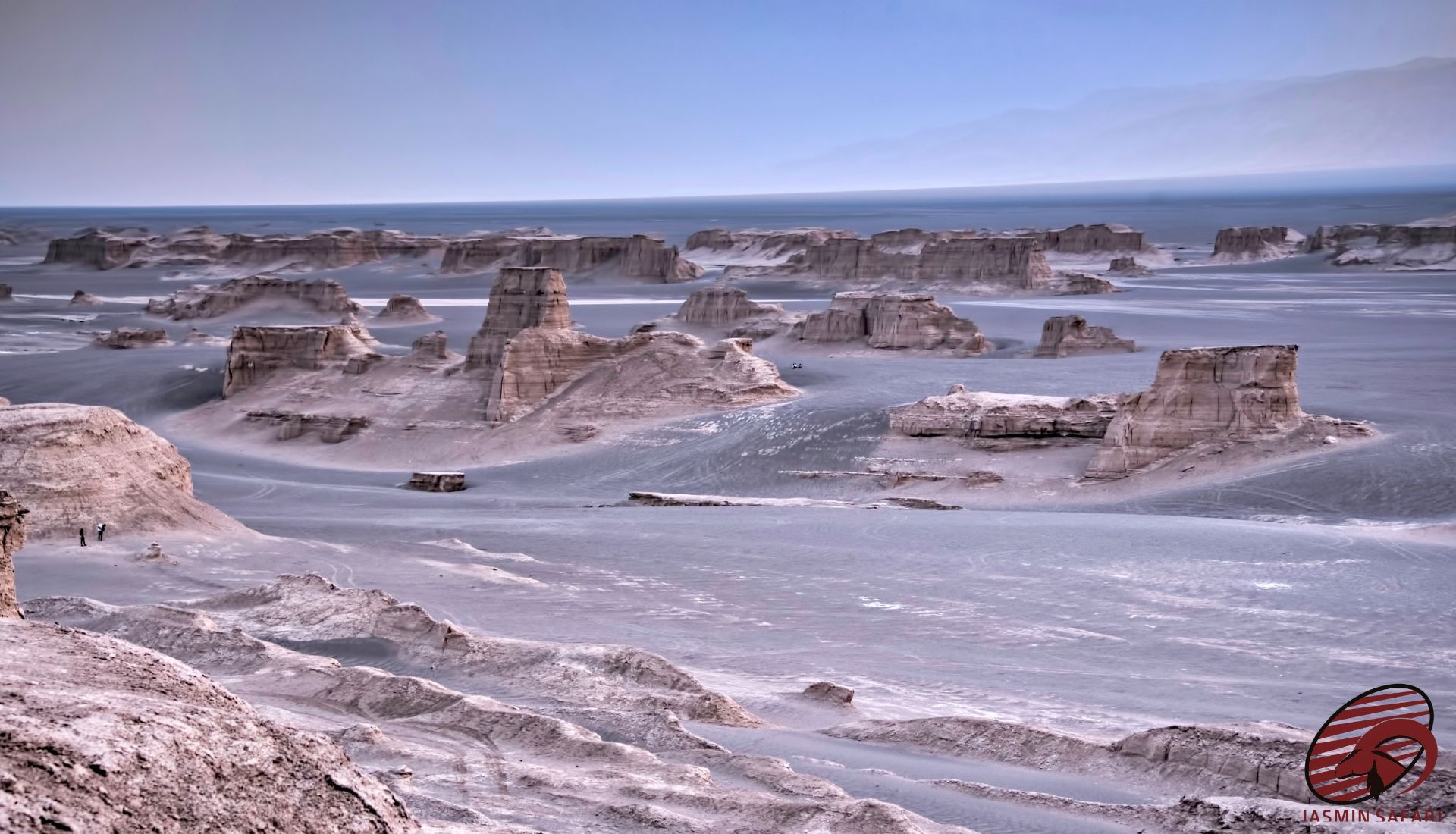
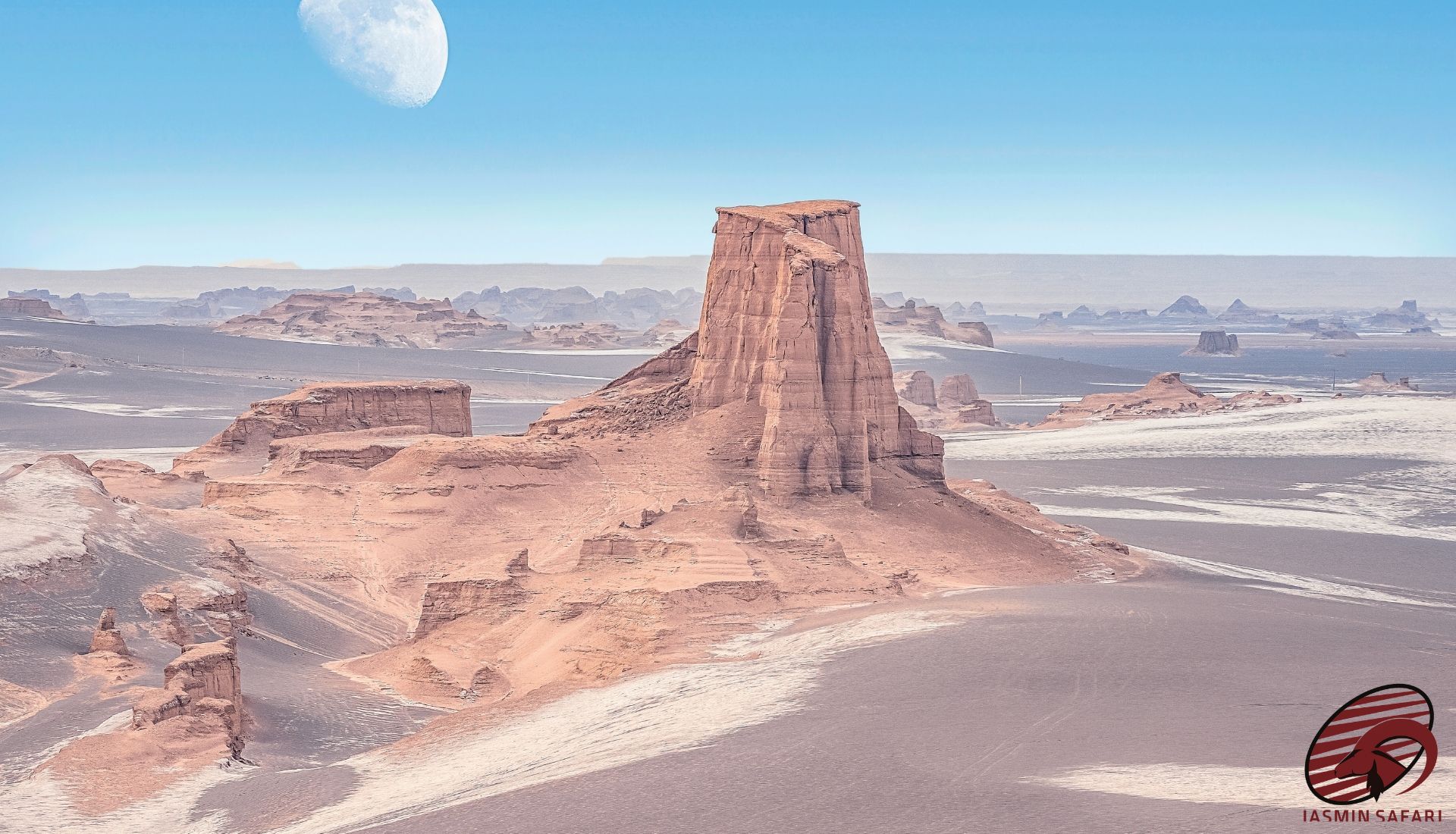
| Unique Landforms | The desert is divided into distinct zones, showcasing exceptional desert geomorphology: Kaluts/Yardangs, Sand Dunes, and Salt Flats. |
| Wind Action | Experiences strong, prolonged winds (especially from June to October) that shape the unique landforms through colossal aeolian erosion. |
Main Geomorphological Wonders
| Feature | Description |
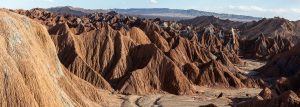
| Kaluts (Shahdad) | The Lut Desert's Yardangs are globally significant and are considered the world's best examples of these wind-eroded desert landforms, a major factor in the Dasht-e Lut being designated a UNESCO World Heritage Site. |
| Sand Dunes (Erg/Rig) | Vast sand seas with some of the tallest sand dunes in the world, reaching heights up to 475 meters. |
| Nebkhas | Unique vegetated sand dunes (dune-hummocks) formed around hardy desert plants like tamarisk. They are arguably the highest in the world, reaching up to 12 meters. |
| Salt Flats/Playas | Extensive, shimmering salt-crusted areas with intricate pressure-induced features like salt polygons and gypsum domes, especially in the central and eastern portions. |
| Gandom Beryan | A plateau covered in dark basaltic lava, often cited (though debated) as the specific spot where the highest temperatures were recorded, giving it a black appearance that absorbs more heat. |
Climate, Life, and Archaeology
Climate: Hyper-arid and characterized by extreme temperature fluctuations (scorching hot days, cold nights). Precipitation is minimal (less than 30 mm annually).
Flora & Fauna: While the central core is mostly devoid of life, the surrounding areas host unique adapted species, including reptiles, insects, desert foxes, and specific salt-tolerant plants.
Archaeology: The periphery of the Lut Desert, particularly near Shahdad, has evidence of ancient civilizations, including the Bronze Age Jiroft culture and the discovery of the world’s oldest known metal flag (Derafsh Shahdad), dating back over 5,000 years.
Tourism and Activities
- Desert Safaris/Trekking: Exploring the Kaluts and sand dunes, often based out of towns like Shahdad and Kerman.
- Stargazing: The remote location and clear, pollution-free air make for some of the best astronomical viewing in the world.
- Ecotourism: Staying at local eco-lodges and visiting the nearby historical and cultural sites.
- Photography: The dramatic landscapes and extreme colors are a photographer’s dream.

Qeshm Island
Qeshm Island, the largest island in the Persian Gulf and a jewel of Hormozgan province, is a unique destination in Southern Iran. Declared a UNESCO
Mount Sabalan
Mount Sabalan (Savalan): Iran’s Sacred Volcanic Summit Mount Sabalan, known locally as Savalan, is one of the most magnificent and important natural and spiritual landmarks
Maranjab Desert
Maranjab Desert The Maranjab Desert is one of Iran’s most accessible and picturesque desert landscapes, offering a perfect blend of towering golden sand dunes, historical
Lut Desert
Dasht-e Lut (Lut Desert) The Dasht-e Lut, meaning “Emptiness Plain” in Persian, is a large salt desert located in the southeastern part of Iran. It