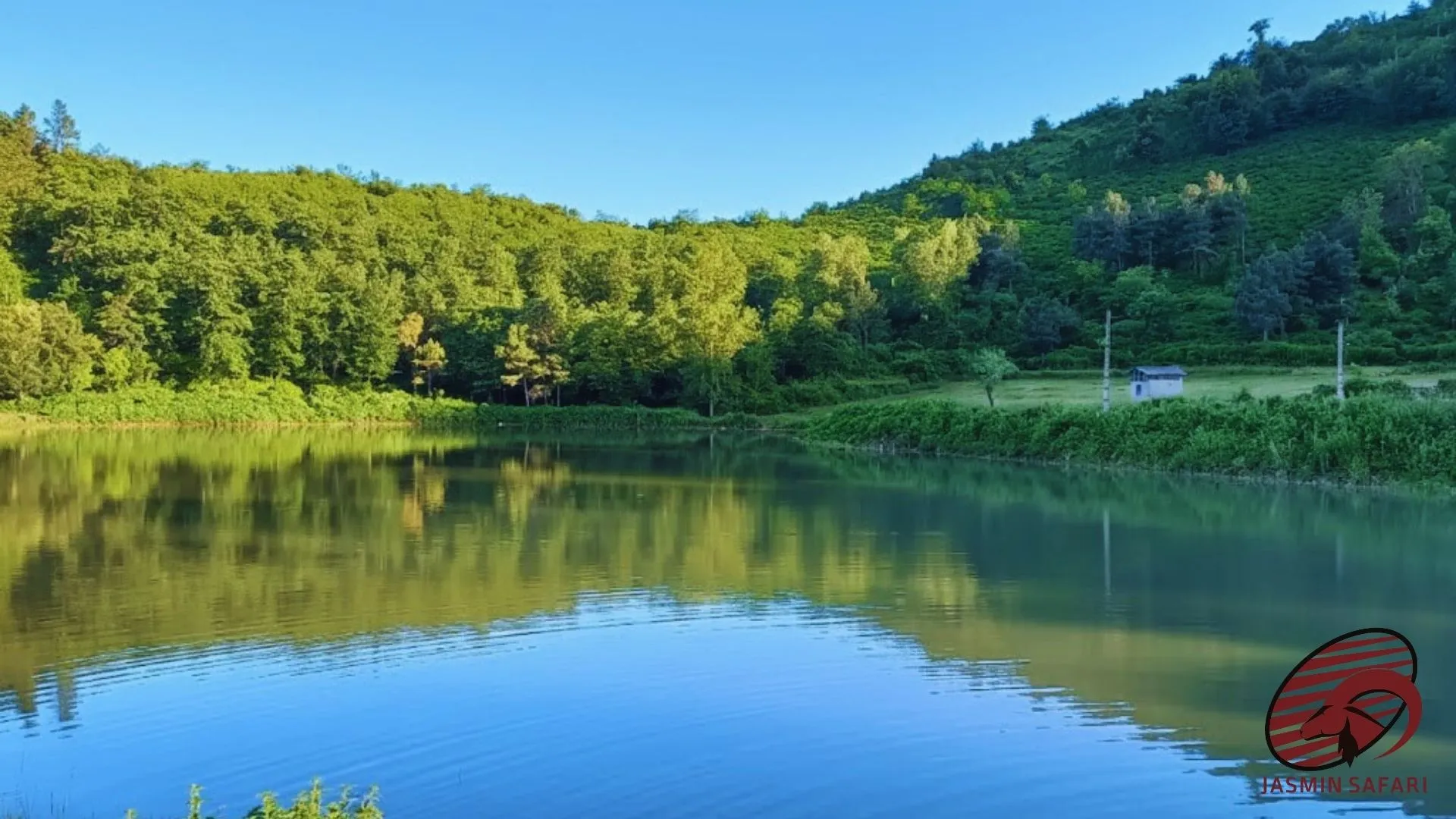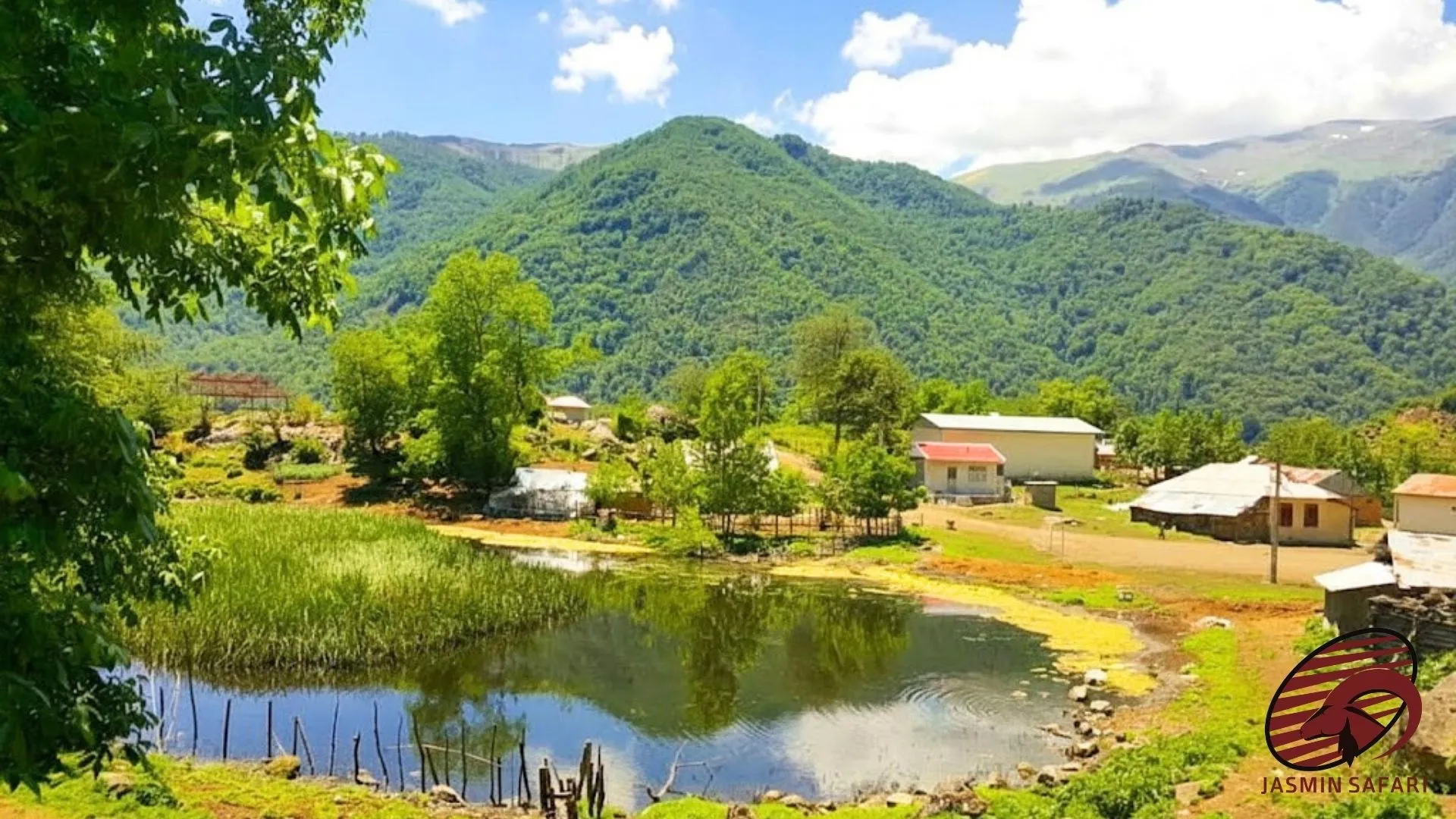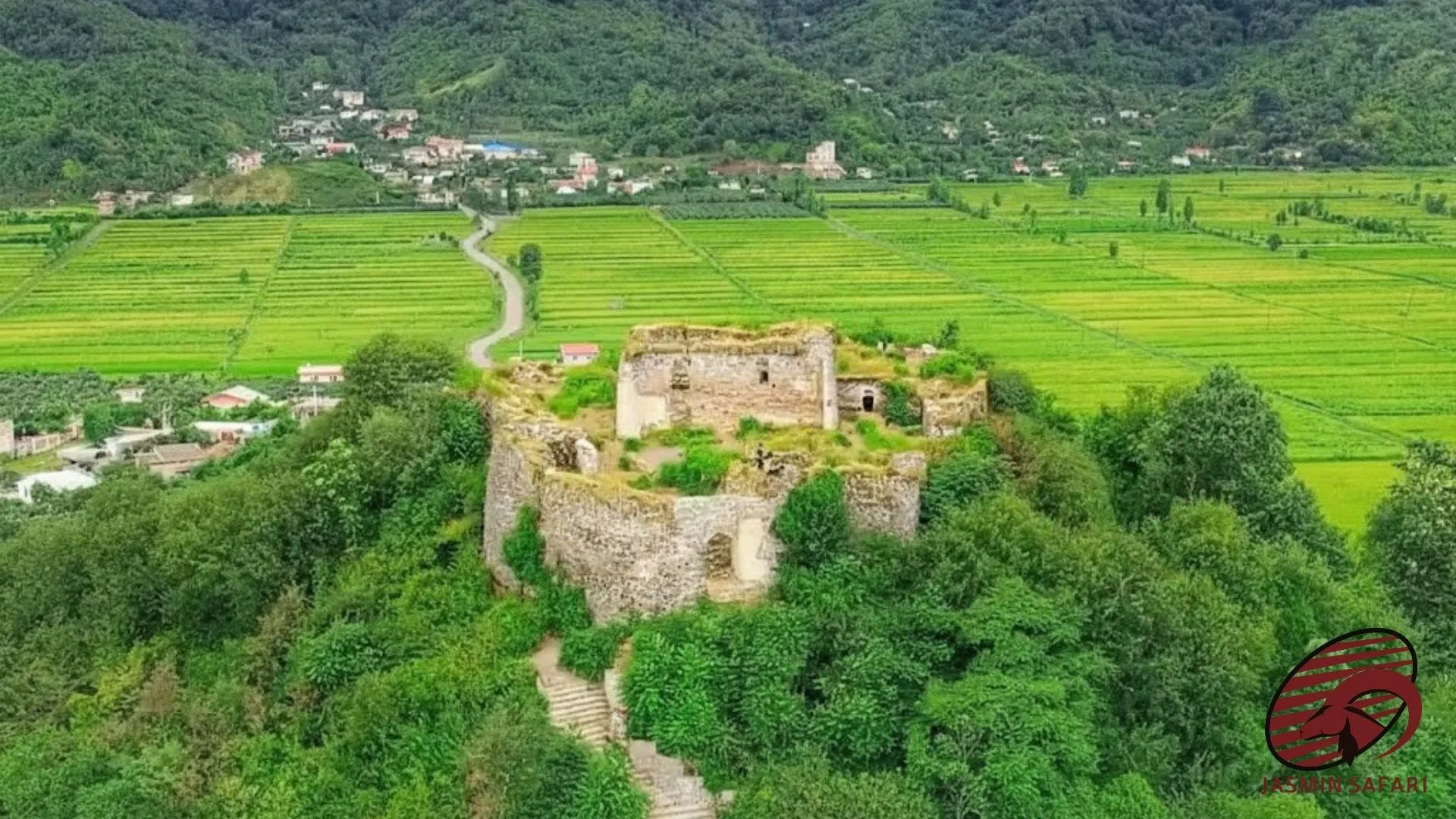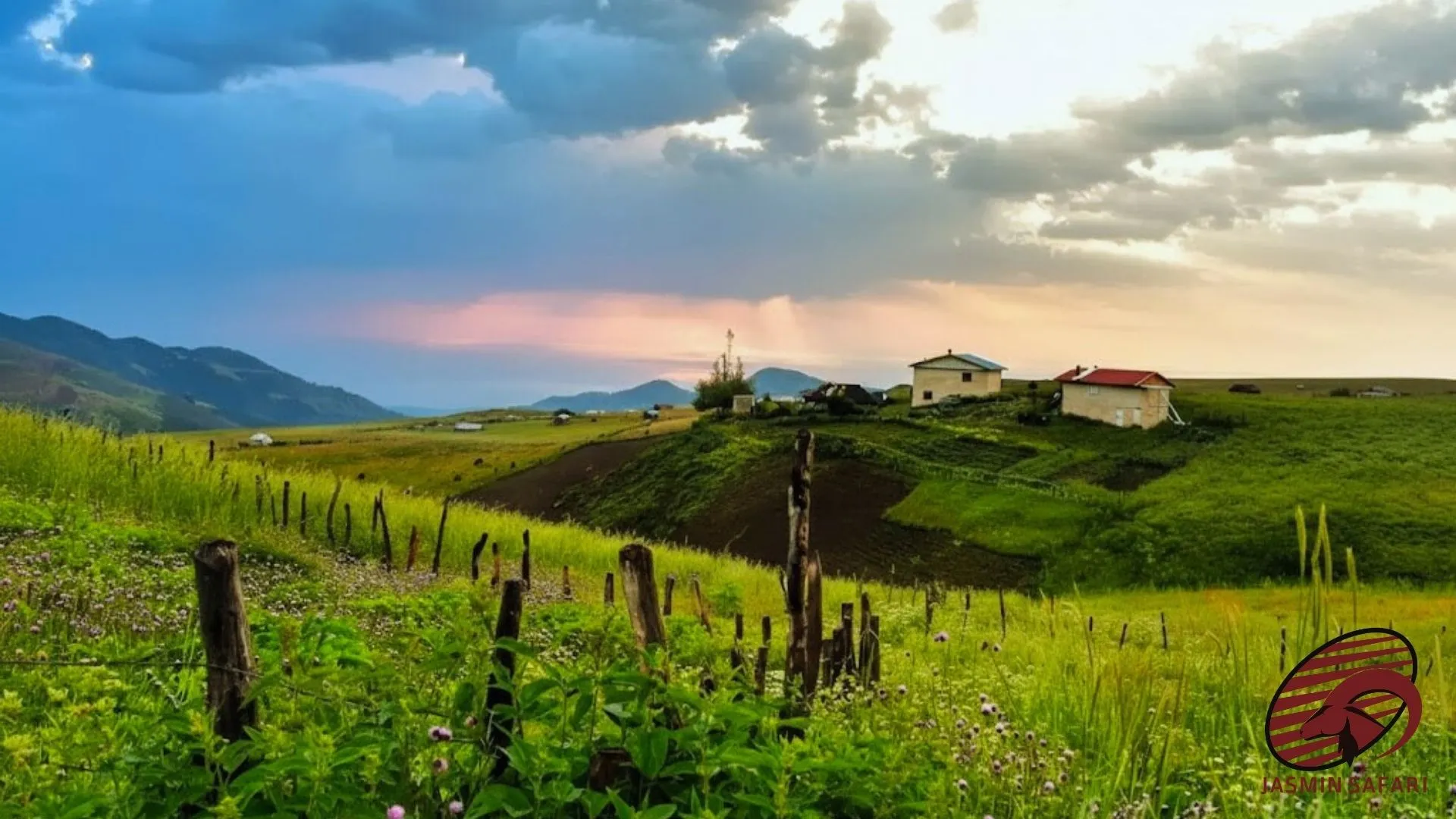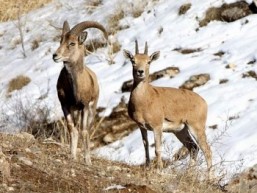
Lisar Protected Area (often referred to as Tang-e Lisar) is one of Iran’s most ecologically diverse sanctuaries. Spanning 31,142 hectares across the border of Gilan and Ardabil provinces, this region has been under strict conservation since 1969. It is a rare destination where the lush Hyrcanian forests meet high-altitude alpine rangelands, offering a complete vertical ecosystem.
A Geographical Marvel: From Sea Level to Alpine Peaks
The park’s unique topography creates a dramatic altitude range from -20 meters (near the Caspian shore) to 3,000 meters at its highest peaks.
Climate: With annual precipitation reaching up to 1,100 mm, the area enjoys a Mediterranean and temperate per-humid climate.
Zones: The area is divided into three distinct landscapes: coastal plains, dense mountainous forests, and upland rangelands.
Rare Wildlife and Biodiversity
Lisar is an invaluable stronghold for the ancient Hyrcanian forest fauna. Over 90 animal species thrive here, including:
Large Mammals: Red deer (Maral), roe deer, brown bear, Eurasian lynx, and wild goat.
Avifauna: The Caspian snowcock, pheasant, green-headed duck, and various migratory larks.
Aquatic Life: The pristine waters support populations of brook trout.
Botanical Wealth: The Hyrcanian Heritage
Home to over 70 identified plant species, Lisar protects the “living fossils” of the Hyrcanian forests.
Tree Species: Beech, hornbeam, chestnut-leaved oak, and the rare Persian Ironwood.
Flora: Box trees, zelkova, and velvet maple dominate the mid-altitudes, while astragal and prickly thrift cover the timberline.
Lake Neor: The Jewel of the Highlands
Located in the western portion of the region at an altitude of 2,460 meters, Lake Neor is a freshwater paradise.
Winter Wonderland: The lake remains frozen for 5–6 months of the year.
Ecosystem: Dominated by pondweed, cat’s tail, and duckweed, it serves as a critical stopover for migratory birds.
Recreation: Its accessibility makes it a premier destination for scientific research, birdwatching, and nature photography.

Khangormaz
Khangormaz (also spelled Khan Garmz or Khan-Gormaz) is a prominent protected area and mountain massif in the Hamedan Province of western Iran. It is widely

Siah kuh
Siah Kuh (Persian: سیاه کوه), meaning “Black Mountain,” refers to several locations in Iran, but the most prominent is the Siah Kuh National Park. Located
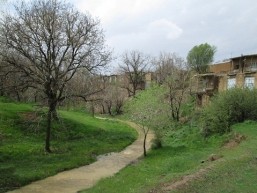
Lashgardar
The Lashgardar Protected Area, established in 1990, stands as one of the most ecologically significant regions in Western Iran. Spanning 16,089 hectares within the Hamedan
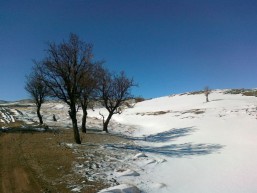
Bashgol
The Bashgol Protected Area is one of Iran’s most diverse ecological landscapes. Established in 1996, this 25,344-hectare sanctuary is a transition zone where rolling plains