Lavandevil

Lavandevil

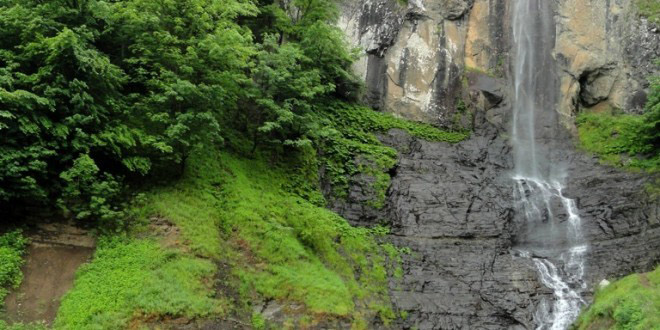
The Lavandevil Wildlife Refuge is a critical ecological treasure located at the westernmost edge of Iran’s UNESCO-listed Hyrcanian Forests. Spanning 1,074 hectares in the Gilan Province, this protected area is one of the few remaining examples of pristine coastal plain forests in the region. Situated 20 meters below sea level, Lavandevil offers a unique landscape where dense wooded wetlands meet the Caspian shoreline.

A Legacy of Conservation

Established as a protected area in 1973 and elevated to a wildlife refuge in 1975, Lavandevil is managed with a focus on preserving its delicate temperate per-humid climate. With an impressive annual precipitation of 1,100 mm and a mild mean temperature of 15°C, the refuge sustains a lush, year-round green canopy.

Rare Flora & Unique Ecosystems

Lavandevil is a botanical haven, characterized by its mix of ponds and wooded wetlands which cover one-third of the territory. The refuge serves as a vital genetic reservoir for Hyrcanian plain forest species, including:

  • Canopy Trees: European Alder, Caucasian Wingnut, and Honey Locust.

  • Fruit & Shrubbery: Wild Pomegranate, Medlar Tree, Elder, and Raspberry.

  • Wetland Vegetation: Reed, Cat’s Tail, and Wheat Grass.

Exceptional Biodiversity: From Caspian Seals to Pheasants

The refuge is home to 125 identified animal species, thriving in a mosaic of terrestrial and aquatic habitats. It is particularly renowned as a premier habitat for the Pheasant and serves as a vital stopover for migratory birds.

  • Mammals: Wild Boar, Indian Crested Porcupine, Otter, Jackal, Marten, Badger, and the rare Caspian Seal.

  • Avian Life: A birdwatcher’s paradise featuring Mute Swans, Whooper Swans, Golden Eye Ducks, Pygmy Cormorants, and various Eagles and Owls.

  • Reptiles: The Caspian Pond Turtle and European Pond Turtle are key indicators of the region’s wetland health.

Research and Accessibility

Unlike more inaccessible wilderness zones, Lavandevil boasts proper access roads, making it a “living laboratory” for scientists and researchers. Its high biodiversity and proximity to the Astara-Rasht corridor make it a top destination for ecotourism in Northern Iran and specialized environmental studies.

Khangormaz

Khangormaz (also spelled Khan Garmz or Khan-Gormaz) is a prominent protected area and mountain massif in the Hamedan Province of western Iran. It is widely

Read More »

Siah kuh

Siah Kuh (Persian: سیاه کوه), meaning “Black Mountain,” refers to several locations in Iran, but the most prominent is the Siah Kuh National Park. Located
Read More »

Lashgardar

The Lashgardar Protected Area, established in 1990, stands as one of the most ecologically significant regions in Western Iran. Spanning 16,089 hectares within the Hamedan
Read More »

Bashgol

The Bashgol Protected Area is one of Iran’s most diverse ecological landscapes. Established in 1996, this 25,344-hectare sanctuary is a transition zone where rolling plains

Read More »

Contact Us

Discover the thrill of Big Game Safaris and Wild Boar hunting in Iran! Our expert guides and trackers will lead you to the best-kept hunting grounds. Join us for an unforgettable adventure!
 
© All Rights Reserved. 2025

Address