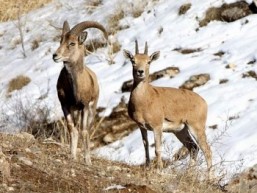
Having been protected since 1973, this region was promoted to wildlife refuge in 1975. Located in East Azarbaijan Province, the region has an area of 96952 ha and limited plain lands. The Aras border river forms the northern limit of the area. The altitude range of 540 to 341 m, and mean annual precipitation and temperature of 336 m and 11 C, respectively, have led to a temperate semi-arid climate in the region.
A vast area of the region is covered with herbal vegetation especially xerophyte species. Some of the plant species of the region include Turk terebinh pistache, juniper, berberry, prickly thrift, milfoil, camel’s thorn, pagoda green bier, astragal, wormseed, beet, bean caper, ziziphora, dog rose, iris, borage, cow parsnip, and thyme. Wild goat is the major animal species of the region. Other animal species include Armenian sheep, leopard, brown bear, Eurasian lynx, wild boar, Caspian snowcock, golden eagle, lesser kestrel, bearded vulture, and different crap fish. Permanent high-flow rivers, beautiful cliffs, novel landscapes, high biodiversity and proximity to a number of cities have facilitated research and tourist activities in the region.

Khangormaz
Khangormaz (also spelled Khan Garmz or Khan-Gormaz) is a prominent protected area and mountain massif in the Hamedan Province of western Iran. It is widely

Siah kuh
Siah Kuh (Persian: سیاه کوه), meaning “Black Mountain,” refers to several locations in Iran, but the most prominent is the Siah Kuh National Park. Located
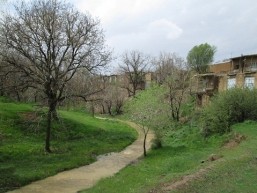
Lashgardar
The Lashgardar Protected Area, established in 1990, stands as one of the most ecologically significant regions in Western Iran. Spanning 16,089 hectares within the Hamedan
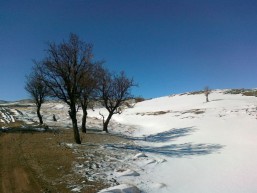
Bashgol
The Bashgol Protected Area is one of Iran’s most diverse ecological landscapes. Established in 1996, this 25,344-hectare sanctuary is a transition zone where rolling plains