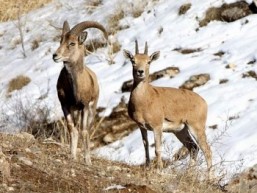
Established in 1990, the Kalmand-Bahadoran Protected Area is a vital conservation zone in the heart of Yazd Province. Spanning 229,107 hectares, this region was specifically designated to protect a unique desert-to-mountain corridor that supports some of Iran’s most iconic and rare species, including the Asiatic Cheetah and the Houbara Bustard.
Geography and Unique Climate
The area is a stunning transition zone between the arid desert and the foothills of the Shirkuh Heights.
Altitude Range: 1,200 to 3,000 meters.
Climate: A temperate extra-arid climate characterized by a mean annual temperature of 15°C and low precipitation of 200 mm.
Landscapes: Visitors can experience a dramatic shift from sandy desert and vast steppes to rugged mountainous terrain in a single day.
Rare Birdlife and The Houbara Research Center
Kalmand is world-renowned among birdwatchers. It serves as a primary habitat for:
Houbara Bustard: A rare and majestic bird that is the flagship species of the park.
Pleske’s Ground Jay: The only bird species endemic to Iran.
Specialized Research: The region hosts a dedicated Houbara Research Center, leading the way in desert avian conservation.
Wildlife Highlights: From Cheetahs to Wild Asses
The park is home to a high density of mammals and reptiles adapted to the harsh Iranian plateau.
The Persian Onager Project: A key feature of the region is the Kalmand Wild Ass Rearing Center, where Persian wild asses are successfully bred and protected.
Predators & Herbivores: The area supports the Asiatic Cheetah, Caracal, Goitred Gazelle, Wild Goat, and various jerboas.
Birds of Prey: Look for the Griffon Vulture, Saker Falcon, Golden Eagle, and Buzzards.
Reptiles: Notable species include the Mediterranean Spur-thighed Tortoise, Desert Monitor, and the Dwarf Sand Boa.
Flora of the Arid Steppe
Despite its arid nature, Kalmand boasts a rich botanical map with species like:
Trees: Turk Terebinth Pistachio, Tamarisk, and Fig.
Herbs & Shrubs: Wormseed, Thyme, Astragalus, and Milfoil.

Khangormaz
Khangormaz (also spelled Khan Garmz or Khan-Gormaz) is a prominent protected area and mountain massif in the Hamedan Province of western Iran. It is widely

Siah kuh
Siah Kuh (Persian: سیاه کوه), meaning “Black Mountain,” refers to several locations in Iran, but the most prominent is the Siah Kuh National Park. Located
Lashgardar
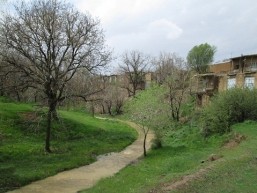
The Lashgardar Protected Area, established in 1990, stands as one of the most ecologically significant regions in Western Iran. Spanning 16,089 hectares within the Hamedan
Bashgol
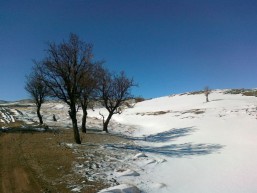
The Bashgol Protected Area is one of Iran’s most diverse ecological landscapes. Established in 1996, this 25,344-hectare sanctuary is a transition zone where rolling plains