Hormuz Island
Hormuz Island, often dubbed the “Rainbow Island of Iran,” is a spectacular geological wonder and a growing ecotourism destination located in the Persian Gulf, just off the coast of Bandar Abbas. Known for its vibrant, multi-colored landscapes, rich cultural heritage, and strategic historical importance, Hormuz offers a unique travel experience in Southern Iran.
Key Attractions & Natural Wonders (Must-See)
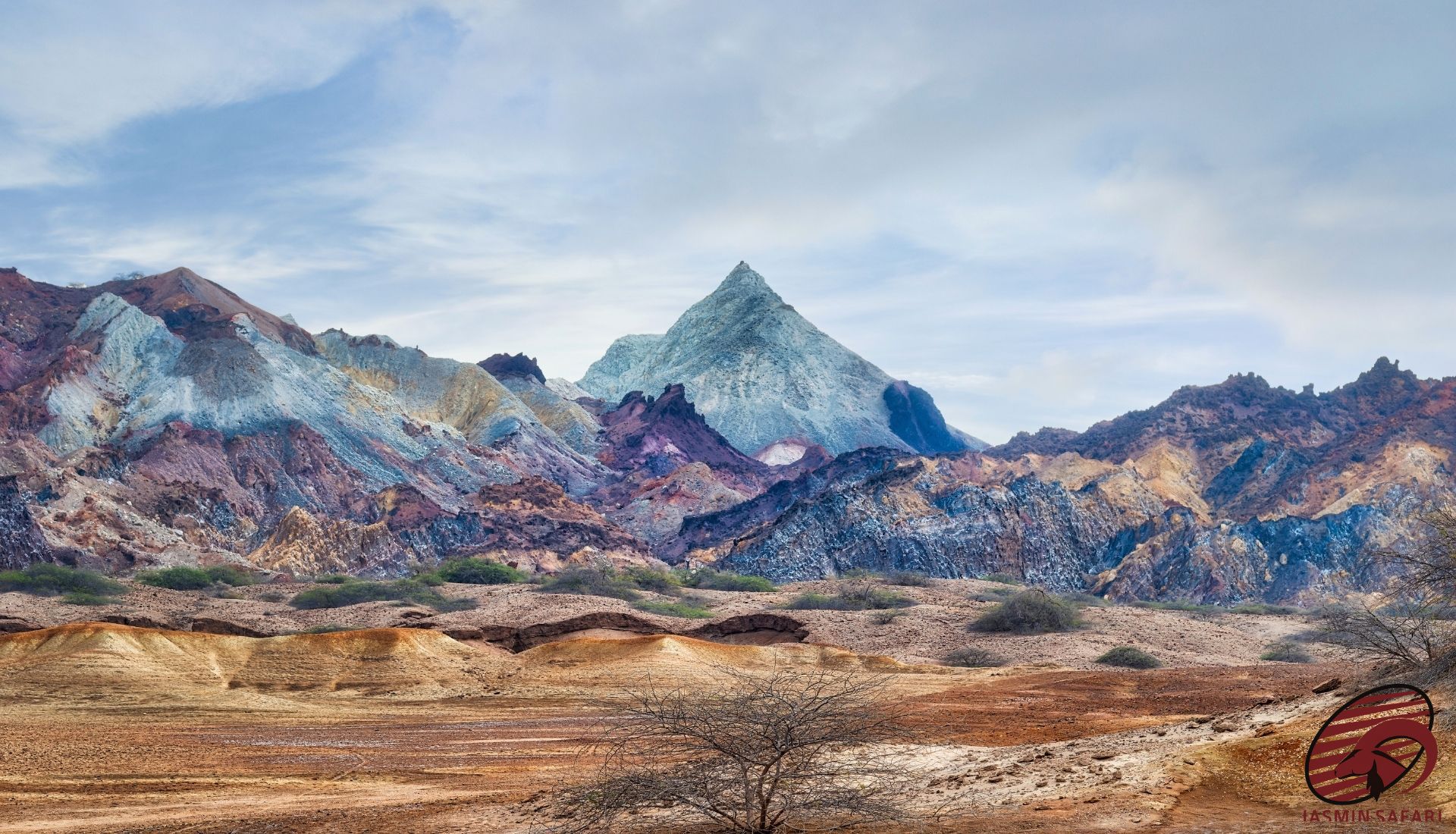
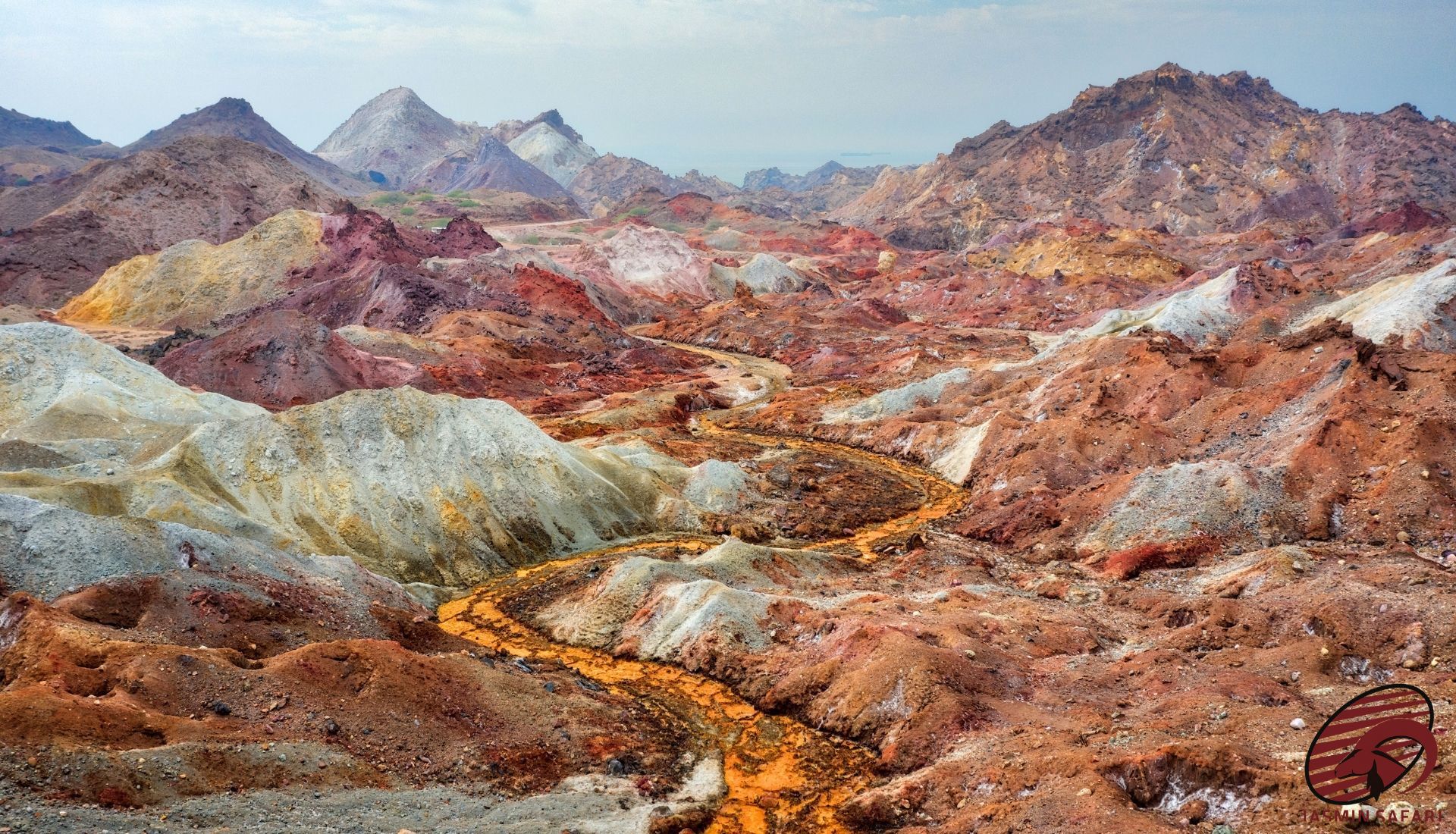
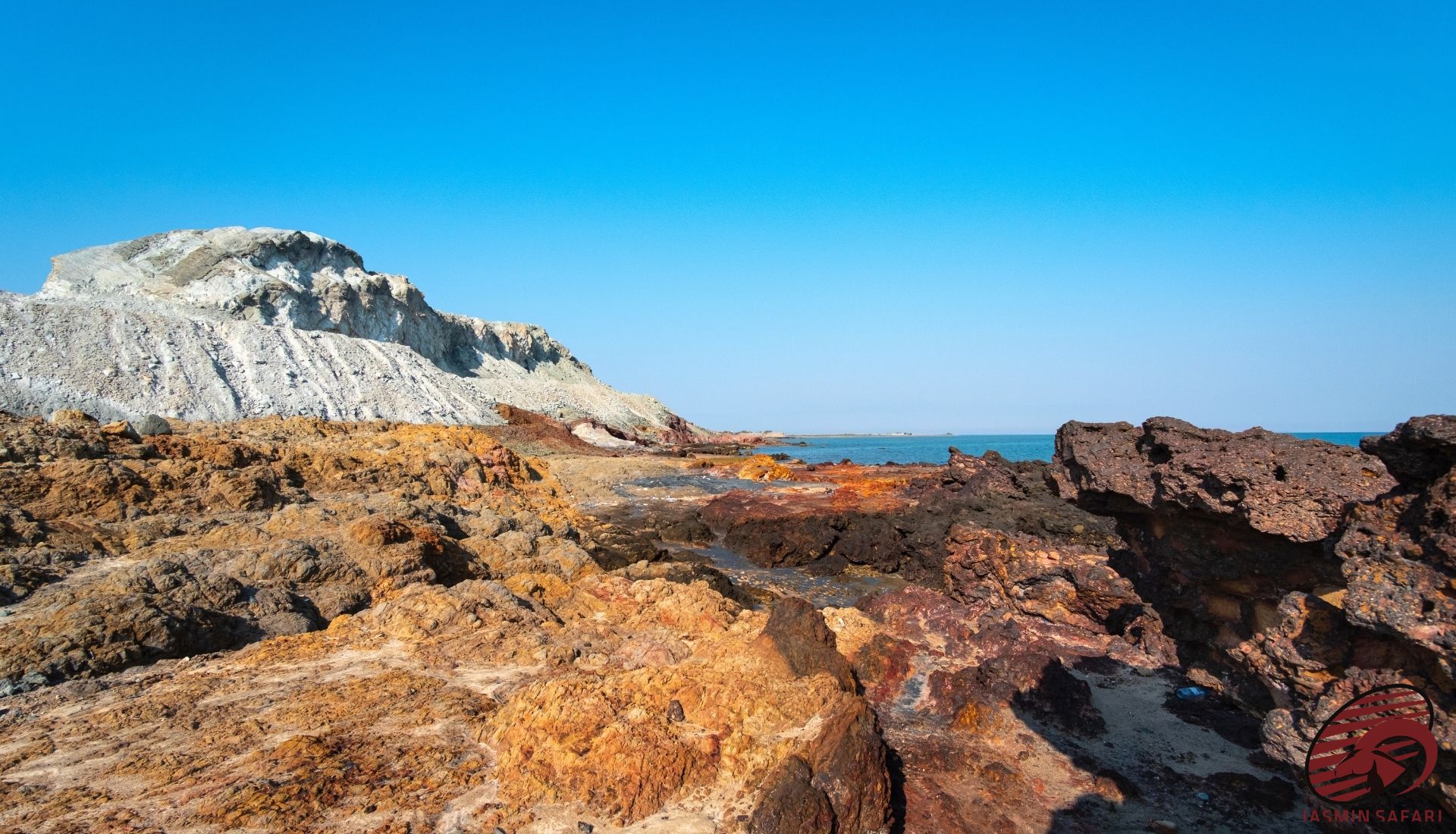
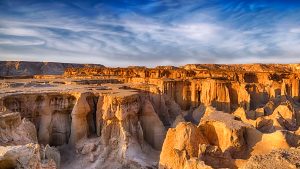
Rainbow Valley/Rainbow Mountains (Darreh-ye Rangin Kaman): The island’s signature attraction. This valley showcases mountains and soils in a stunning array of colors—red, yellow, orange, purple, white, and more—due to a high concentration of mineral deposits like iron oxide.
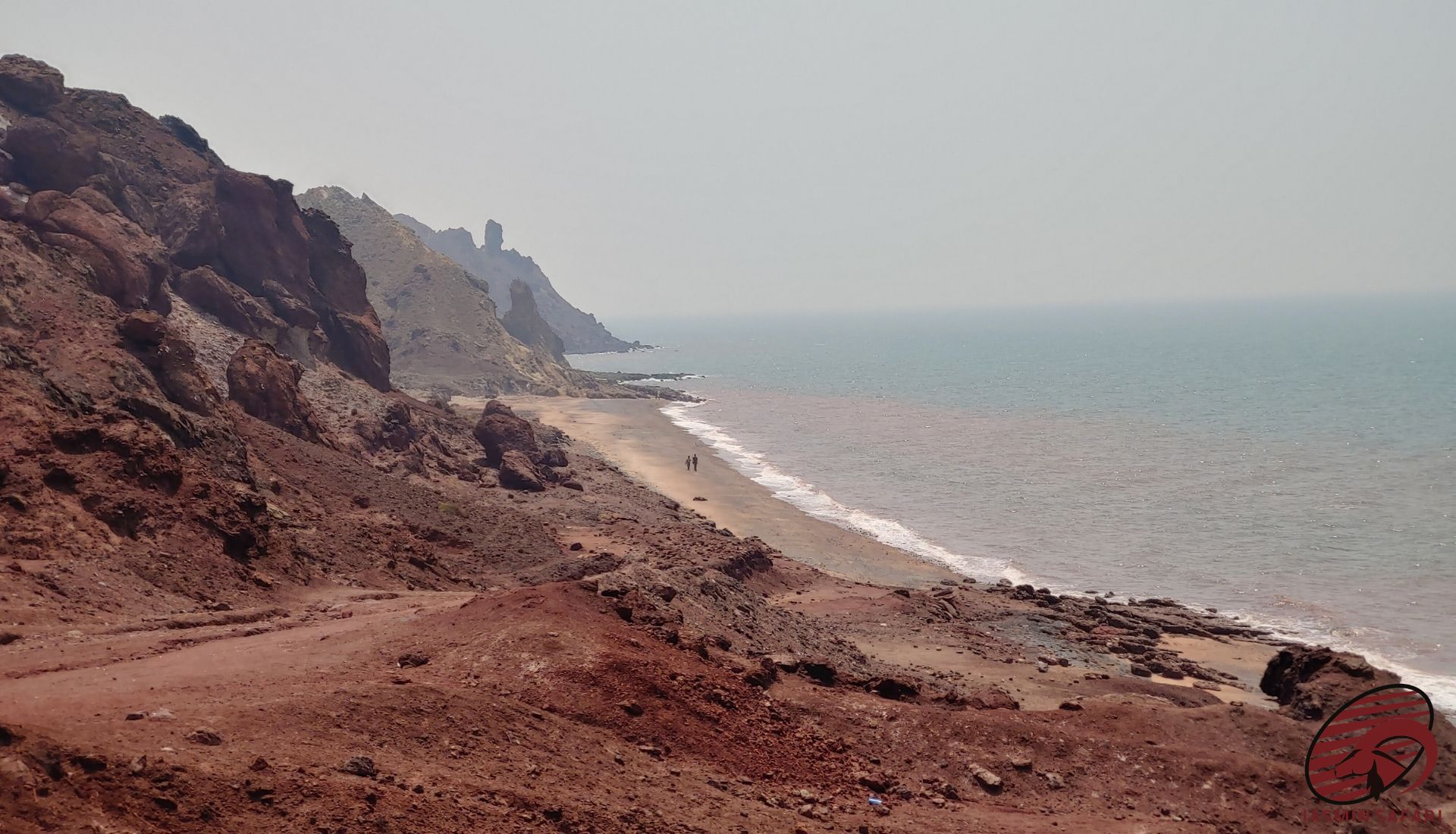
Red Beach (Gelak/Blood Beach): Famous for its soil, which is a rare, vivid red ochre. This valuable edible soil (used locally as a spice, called gelak) creates a crimson hue on the beach and in the surrounding waves.
Valley of Statues (Darreh-ye Tandis-ha): A surreal landscape where towering rocks have been sculpted by wind and water erosion into fantastical shapes, resembling animals and mythical creatures.
Silence Valley (Darreh-ye Sokoot): A serene area known for its unique salt formations and an almost complete absence of sound, giving it a mystical atmosphere. It is home to the Goddess of Salt mountain/cave.
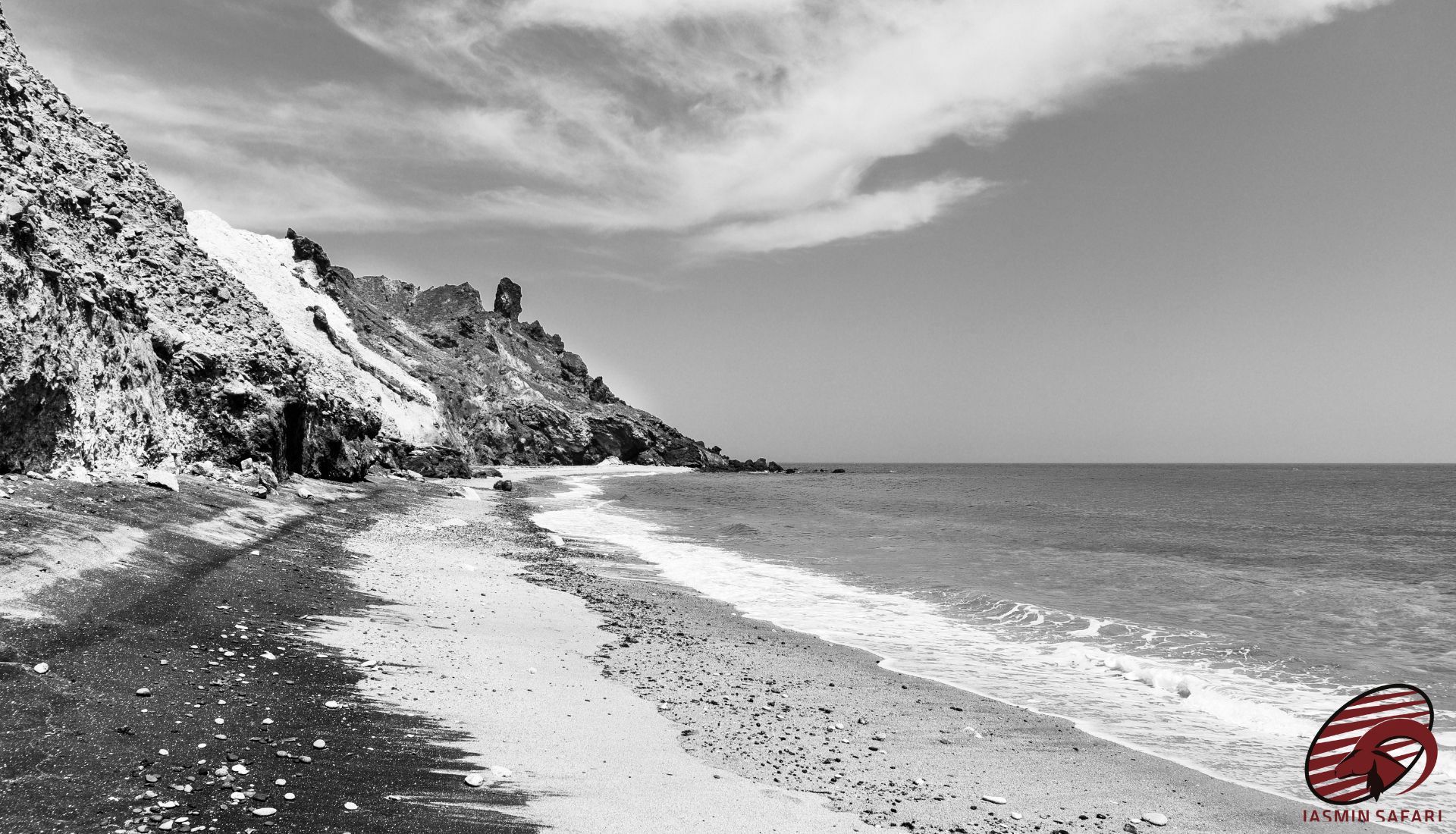
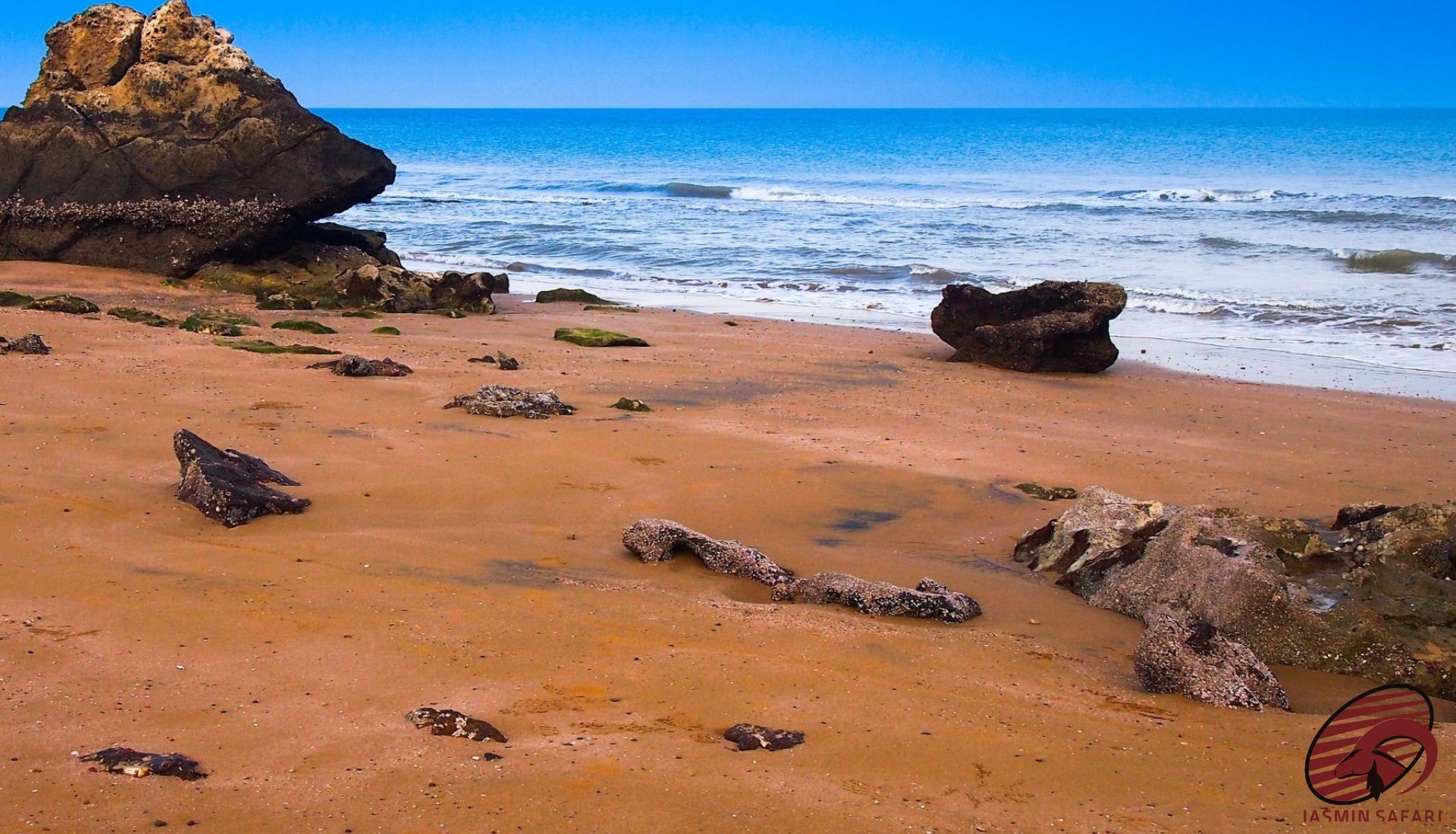
Silver Beach: A stretch of sand that sparkles due to high content of metallic compounds, especially mesmerizing at sunrise or sunset.
Portuguese Castle (Qal’eh-ye Portughālīhā): A historical, reddish-stone fortress built by the Portuguese in the early 16th century, a major relic of the island’s colonial past and its strategic position.
Location & Geography
Location: Southern Iran, in the Strait of Hormuz, connecting the Persian Gulf and the Gulf of Oman.
Proximity: Approximately 8 km (5 miles) from the mainland coast (near Bandar Abbas) and about 18 km from Qeshm Island.
Strategic Importance: The island sits at the narrowest point of the Strait of Hormuz, a globally critical oil chokepoint through which a significant portion of the world’s seaborne oil and liquefied natural gas (LNG) passes.
Culture & Local Life
People: The local population, mainly residing in Hormuz village, are known for their warm hospitality and preserving distinct customs.
Economy: Primarily centered on fishing, tourism, and historically, the export of the red ochre soil.
Art & Environment: The island has become an inspiration for Iranian artists, including the globally recognized environmental artist Ahmad Nadalian, whose works are displayed at the local museum.
Cuisine: Local food is centered around fresh seafood, often prepared with local spices, including the famous edible red soil (gelak).
Travel Tips & Logistics
Best Time to Visit: Autumn and Winter (November to March), when the climate is moderate and pleasant. Summers are extremely hot and humid.
Getting There: Accessible primarily by ferry from Bandar Abbas (Shahid Haqqani Port) or Qeshm Island.
Accommodation: No large luxury hotels; visitors typically stay in eco-lodges (Ecolodges), local guesthouses (Homestays), or enjoy camping on the designated beaches.
Activities: Photography, nature tours (often by local auto-rickshaws), hiking, exploring beaches and caves, swimming, and birdwatching (Hormuz is an Important Bird Area – IBA).

Qeshm Island
Qeshm Island, the largest island in the Persian Gulf and a jewel of Hormozgan province, is a unique destination in Southern Iran. Declared a UNESCO
Mount Sabalan
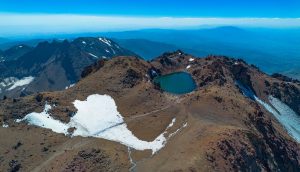
Mount Sabalan (Savalan): Iran’s Sacred Volcanic Summit Mount Sabalan, known locally as Savalan, is one of the most magnificent and important natural and spiritual landmarks
Maranjab Desert
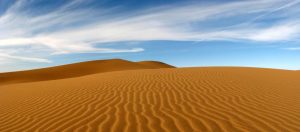
Maranjab Desert The Maranjab Desert is one of Iran’s most accessible and picturesque desert landscapes, offering a perfect blend of towering golden sand dunes, historical
Lut Desert
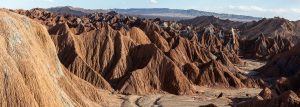
Dasht-e Lut (Lut Desert) The Dasht-e Lut, meaning “Emptiness Plain” in Persian, is a large salt desert located in the southeastern part of Iran. It