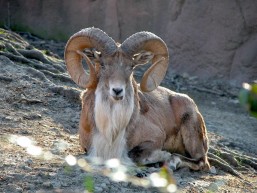
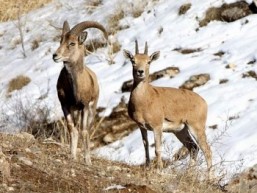
The Heidary Wildlife Refuge is one of Iran’s most storied conservation sites. Originally established as a historical game reserve in the 1970s, it was officially promoted to a Wildlife Refuge in 2002. Spanning 46,865 hectares on the western slopes of the Binalood Mountain Range, this protected area is a cornerstone of biodiversity in northeastern Iran.
Geography and Climate
Located in Razavi Khorasan Province, the refuge takes its name from the picturesque Heidary village and its surrounding valley. The terrain is a rugged tapestry of high mountains, rolling hills, and deep valleys.
Altitude: Ranges from 1,380 m to 2,940 m above sea level.
Climate: A mix of temperate semi-arid and warm Mediterranean, characterized by a mean annual temperature of 12°C and roughly 300 mm of precipitation.
Unique Flora and Botanical Diversity
Heidary is distinguished by its young juniper stands and their remarkable natural regeneration. The botanical landscape is rich and varied, featuring:
Trees & Shrubs: Hedge maple, nettle tree, oleaster, willow, tamarisk, and barberry.
Medicinal & Wild Plants: Giant fennel, astragal, wormseed, cotoneaster, plantain, milfoil, asphodel, and various orchids.
Rare Wildlife and Fauna
The refuge is world-renowned for hosting a high population of Urial sheep, the largest in the region. The diverse ecosystems support a wide array of predators and scavengers, including:
Mammals: Persian leopard, wolf, wild boar, striped hyena, common fox, wild cat, marten and Indian crested porcupine.
Birds of Prey: Golden eagle, falcon, peregrine falcon, vulture, and various buzzards.
Ground Birds: Chukar partridge, see-see partridge, and sandgrouses.
Tourism and Research Opportunities
With its stunning landscapes, abundant natural springs and proper access roads, Heidary Wildlife Refuge is an ideal destination for:
Scientific Research: Studying juniper regeneration and Urial sheep populations.
Eco-Tourism: Nature photography, birdwatching and mountainous trekking.
Wildlife Observation: One of the best locations in Iran to view large mammals in their natural habitat.

Khangormaz
Khangormaz (also spelled Khan Garmz or Khan-Gormaz) is a prominent protected area and mountain massif in the Hamedan Province of western Iran. It is widely

Siah kuh
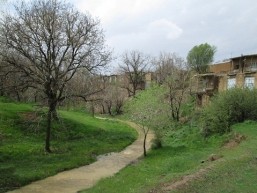
Siah Kuh (Persian: سیاه کوه), meaning “Black Mountain,” refers to several locations in Iran, but the most prominent is the Siah Kuh National Park. Located
Lashgardar
The Lashgardar Protected Area, established in 1990, stands as one of the most ecologically significant regions in Western Iran. Spanning 16,089 hectares within the Hamedan
Bashgol
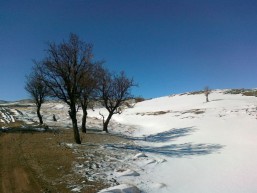
The Bashgol Protected Area is one of Iran’s most diverse ecological landscapes. Established in 1996, this 25,344-hectare sanctuary is a transition zone where rolling plains