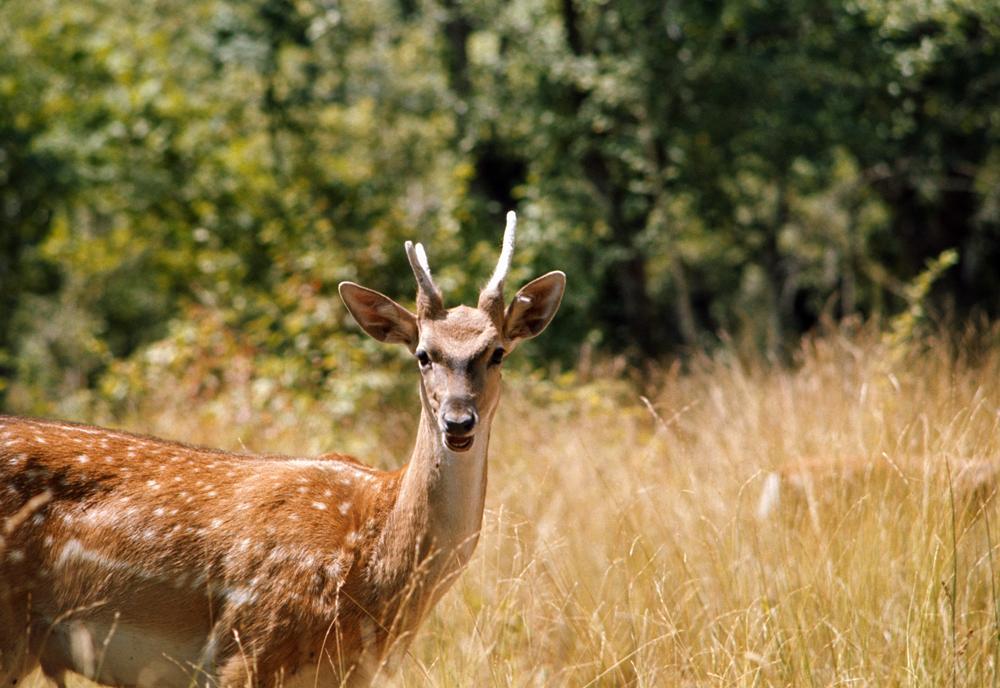
Dasht-e Naz Protected Area, located in the heart of Mazandaran Province, is one of Iran’s most vital conservation sites. Established in 1963 specifically to preserve the endangered Persian fallow deer, this 56-hectare lowland forest offers a rare glimpse into the prehistoric beauty of the Hyrcanian Caspian forests.
A Rare Hyrcanian Ecosystem
Situated at an altitude of -5 meters below sea level, Dasht-e Naz enjoys a temperate sub-humid climate with an average annual precipitation of 800mm. This lush environment supports a unique botanical community, including:
Chestnut-leaved Oak (Quercus castaneifolia)
Persian Ironwood (Parrotia persica)
European Hornbeam (Carpinus betulus)
Box Tree understory (Buxus hyrcana)
This vegetation is a living remnant of the ancient Querco-Buxetum communities that once blanketed the Northern Iranian plains.
Wildlife and Birdwatching
The primary attraction of Dasht-e Naz is the Persian fallow deer, a species that has drawn researchers and nature enthusiasts from around the world. However, the park’s biodiversity extends far beyond:
Avian Migration: In the fall, the area becomes a hub for wood pigeons. Other residents include the Eurasian woodcock, turtle dove, Eurasian collared dove, and various birds of prey.
Herpetofauna: The park is home to the Kukri snake and the grass snake.
Visitor Information & Accessibility
Dasht-e Naz is highly accessible via paved roads, making it a top destination for ecotourism in Mazandaran. Its combination of beautiful forest landscapes and rare wildlife sightings makes it a perfect stop for families, photographers, and ecological researchers.

Khangormaz
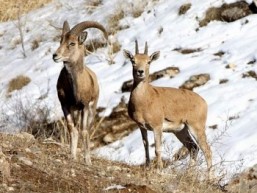
Khangormaz (also spelled Khan Garmz or Khan-Gormaz) is a prominent protected area and mountain massif in the Hamedan Province of western Iran. It is widely

Siah kuh
Siah Kuh (Persian: سیاه کوه), meaning “Black Mountain,” refers to several locations in Iran, but the most prominent is the Siah Kuh National Park. Located
Lashgardar
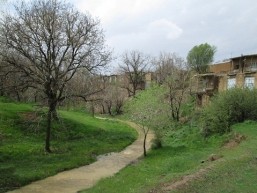
The Lashgardar Protected Area, established in 1990, stands as one of the most ecologically significant regions in Western Iran. Spanning 16,089 hectares within the Hamedan
Bashgol
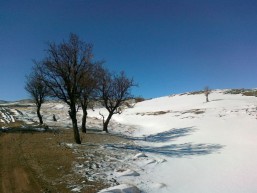
The Bashgol Protected Area is one of Iran’s most diverse ecological landscapes. Established in 1996, this 25,344-hectare sanctuary is a transition zone where rolling plains