
Author: jasminsafari
-
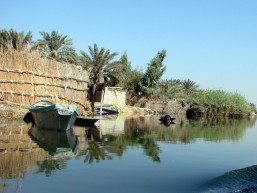
Shadegan
Located in the north of Persian Gulf in the Khuzestan Province, this wetland area was designated wildlife refuge in 1972 and was later registered as an international wetland in 1975. Level to open seas, the region has an an area of 328926 ha. Mean annual precipitation and temperature of 218 mm and 26 C, respectively, giving it a warm extra-arid climate…
-
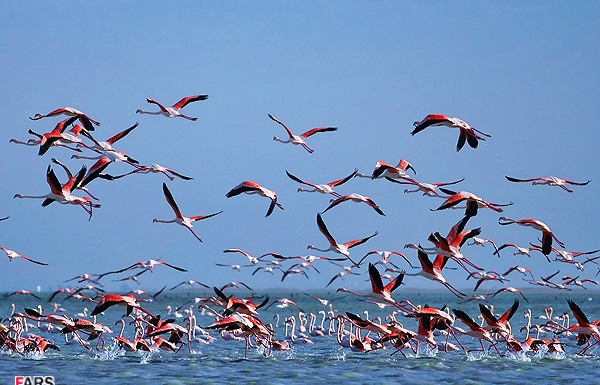
Miankaleh
Biosphere Reserve & International Wetland Having an area of 66933 ha, this Mazandarn Province-located region was designated protected area international wetland in 1969 and 1975, respectively. The unique characteristics of the area led to its promotion to a wildlife refuge in 1975 followed by its recognition as a biosphere reserve since 1976. Located 27 meters below…
-
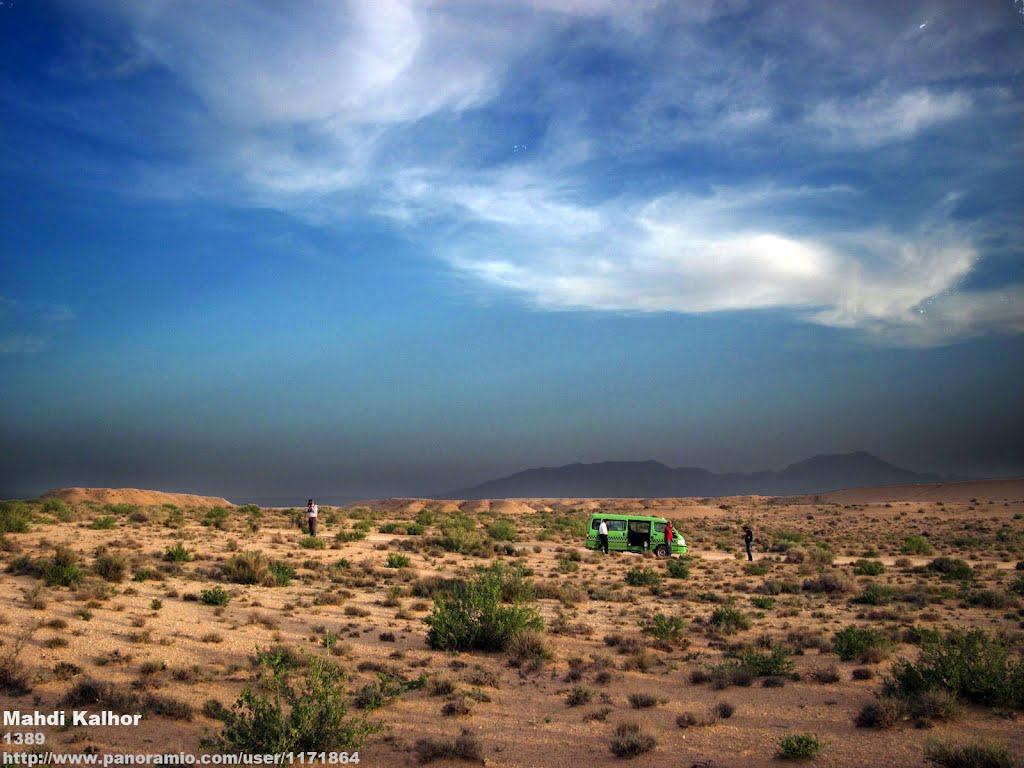
Khar Touran
The southeastern part of Touran protected area with an area of 303330 ha which has been protected since 1972, became a wildlife refuge in 1976. As a part of the vast Touran region, this area was selected as a biosphere reserve in the same year. This desert area is located in Semnan Province. Altitude ranges between 700 and 2200 mm,…
-

Kavir
Kavir National Park has an area of 4,000 square kilometers (1,500 mile²). The park is located 120 kilometers south of Tehran and 100 kilometers east of Qom, and it sits on the western end of one of Iran’s two major deserts, the Dasht-e Kavir (Great Salt Desert). Kavir National Park lies in the central province of Semnan. The park encompasses…
-

Golestan
Golestan Biosphere Reserve is located in the northern part of Iran at the border to Turkmenistan. It belongs to the Caucaso-Iranian highlands and is situated in-between the sub-humid and semi-arid Caspian regions. The biosphere reserve represents three biomes: temperate rain forest, cold (continental) winter and semi-deserts and mixed mountain and highland systems. A vast variety…
-

Kolah Ghazy
Being protected since 1967, this region was designated wildlife refuge in 1975. Located in Esfahan province, this 3736 ha area is composed of two distinct parts. The altitude range of 1540 to 1840 m and mean annual temperature and precipitation of 12 C and 100mm, have given the region a temperate extra-arid climate. The main…
-

Bakhtegan
This area has been protected since 1968. Covering an area of 242223 ha, this Fars Province located area was designated wildlife refuge and international wetland in 1975. The altitude range of 1560-2960 m, and mean annual precipitation and temperature of 230 mm and 15 C. Bakhtegan national park divides the area into two northern and…
-
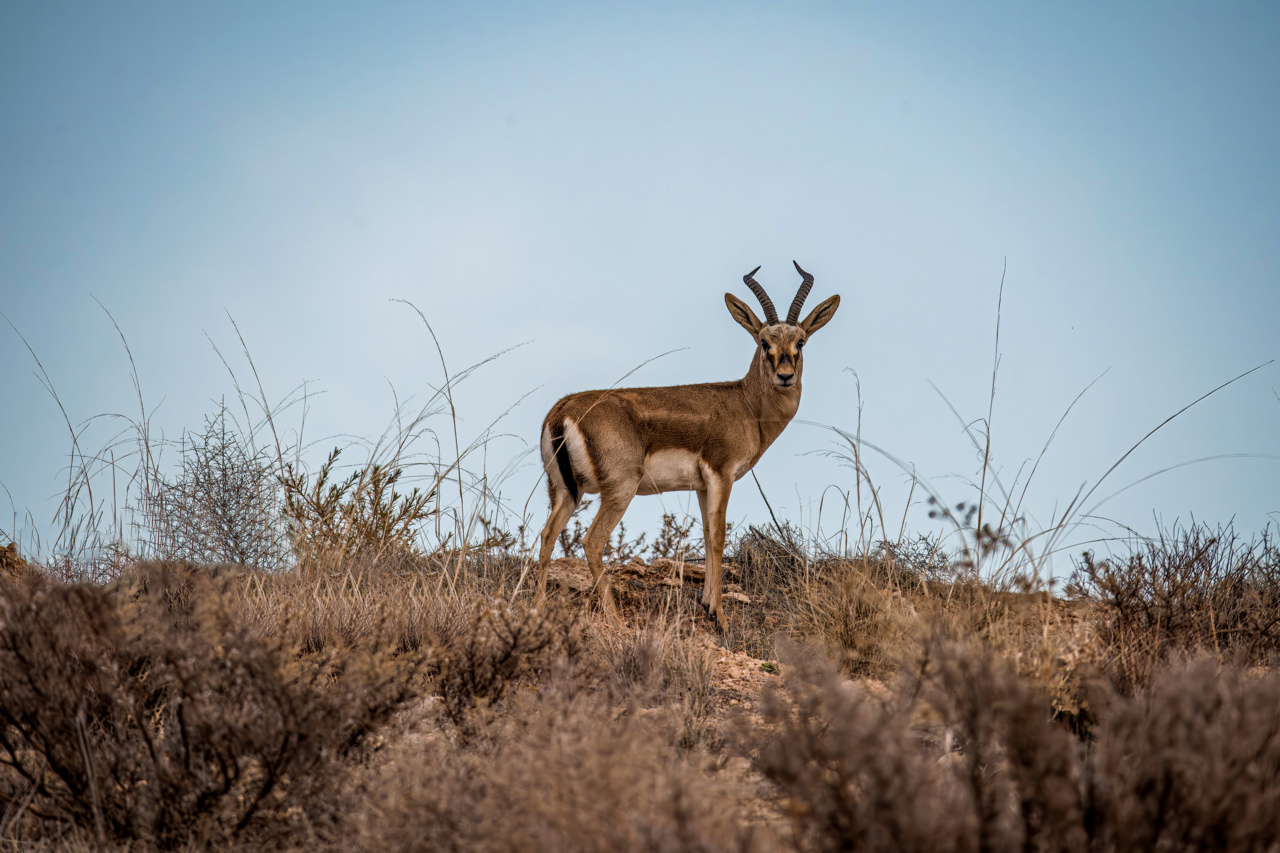
Jabir Gazelle
The chinkara, also called Jebeer gazelle, is a gazelle species native to Iran, Pakistan and India. Chinkara live in arid plains and hills, deserts, dry scrub and light forests. They inhabit the Kavir National Park in Iran. Chinkaras are shy and avoid human habitation. They can go without water for long periods and can get…
-

Laristan Sheep
Laristan Sheep (Ovis orientalis laristanica) are the smallest wild sheep in the world. Laristan wild sheep inhabit the Desert Mountains and hills of the Laristan and Fars provinces of south/southeastern Iran. Their normal habitats are steep mountainous woods near tree lines. In winter, they migrate to lower altitudes. Horns are similar to the urial’s, curving…
-

Afghan Urial
Afghan Urial (Ovis vignei cycloceros) is found in western central Asia from northeastern Iran and western Kazakhstan to Pakistan’s Balochistan and Ladakh. To the east they are displaced by the bigger Argalis and to the southwest by the Asiatic Mouflons. The habitat consists of grassy slopes below the timberline. Urials rarely move to the rocky…