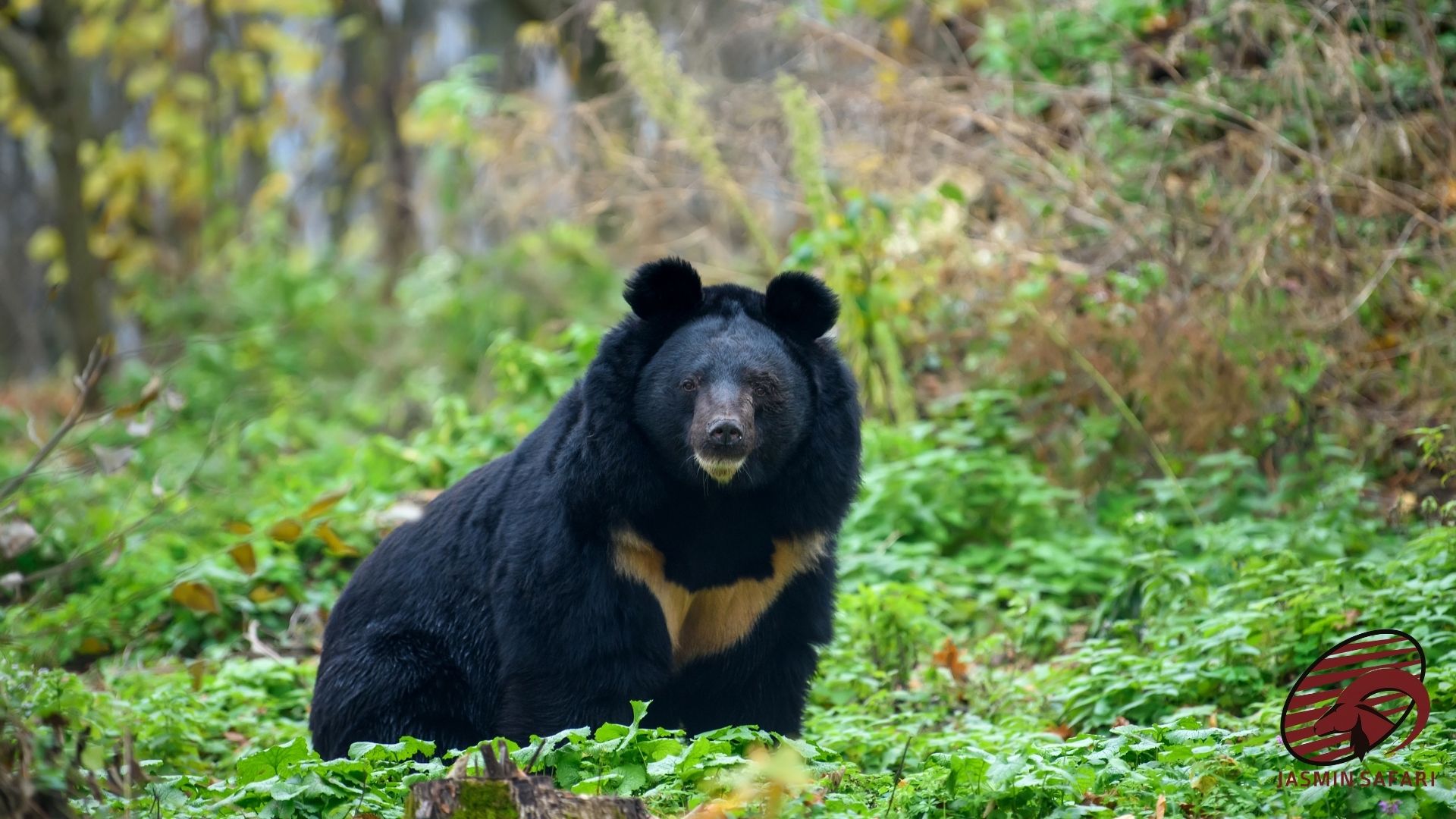
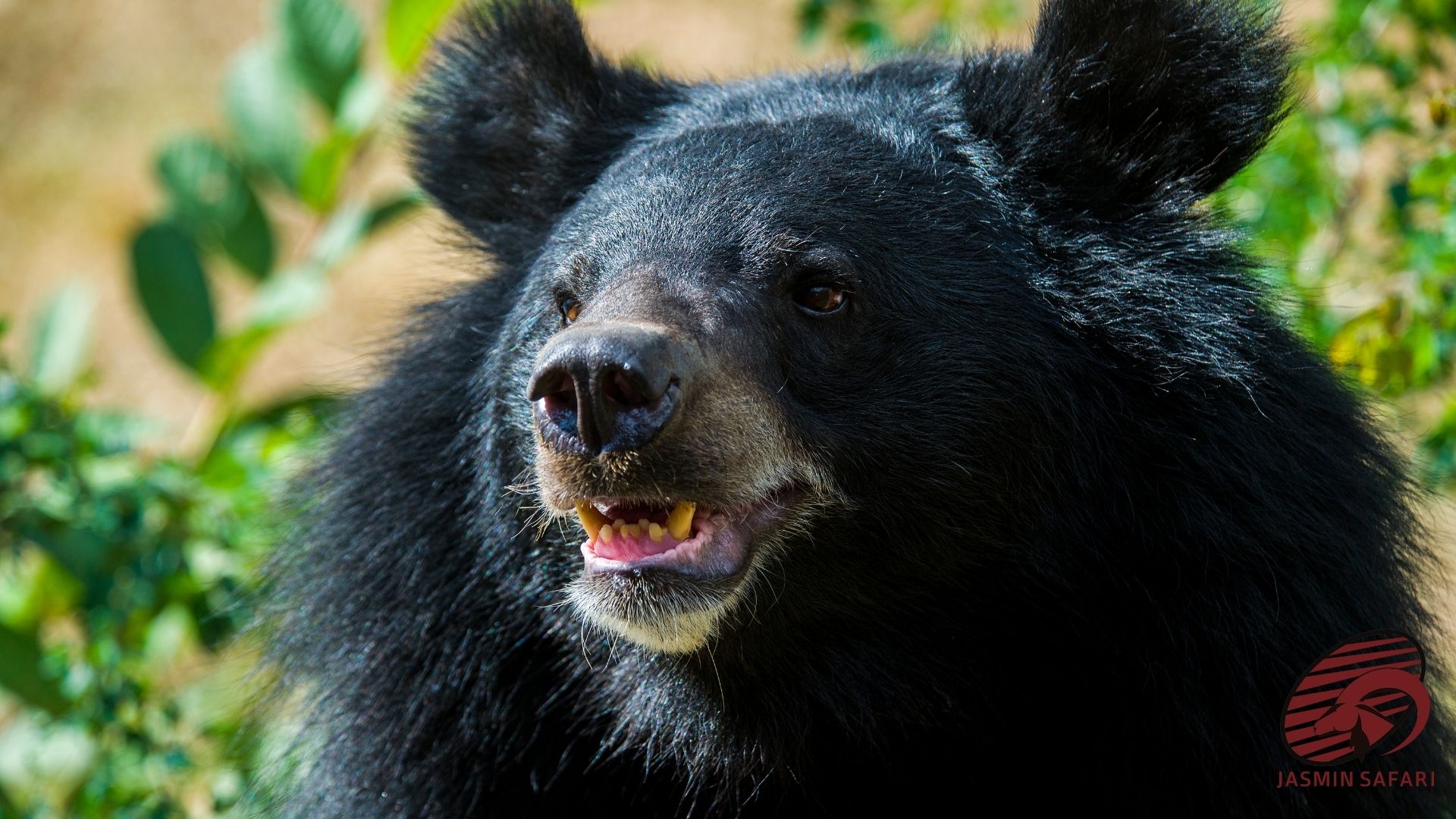
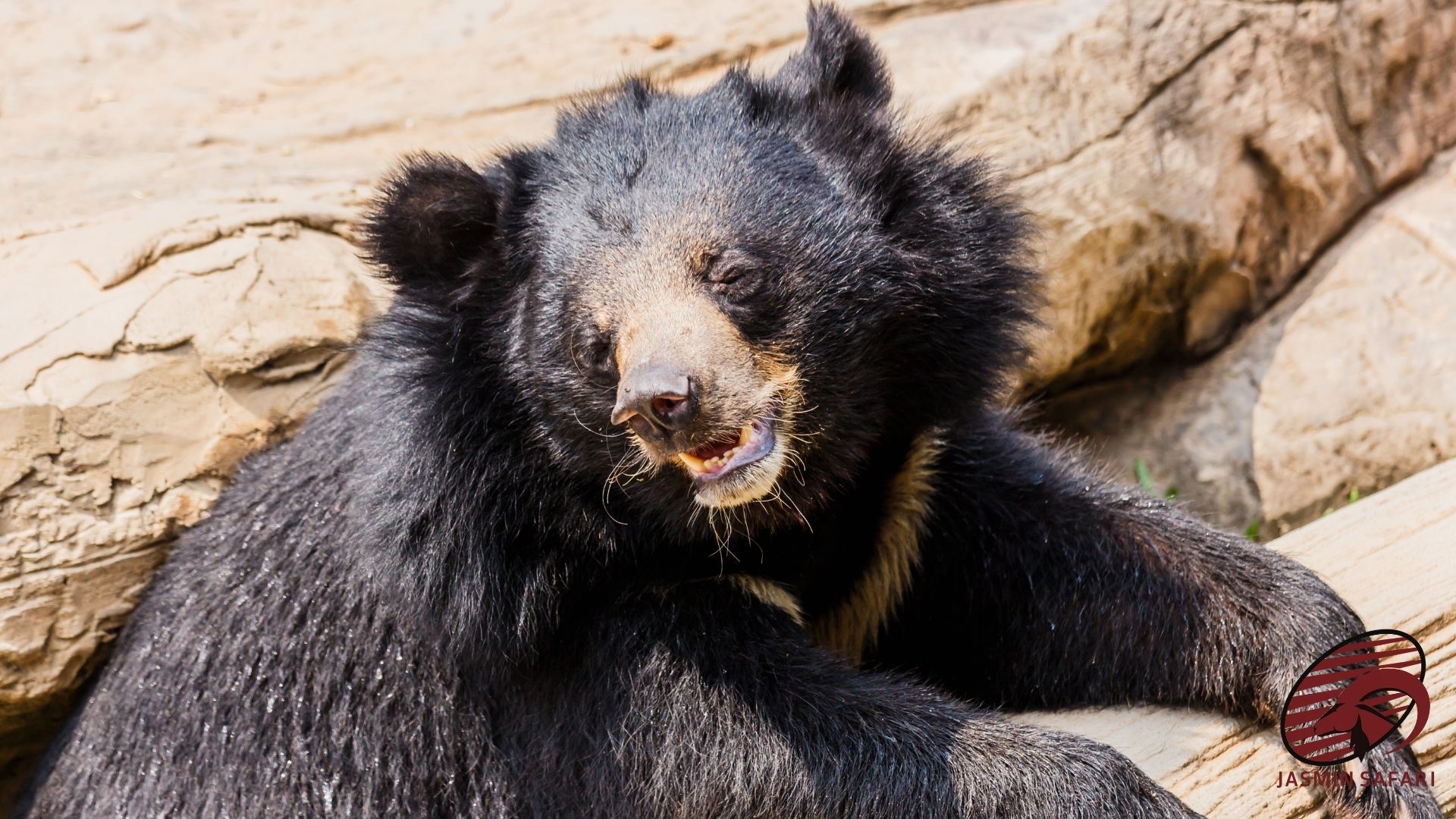
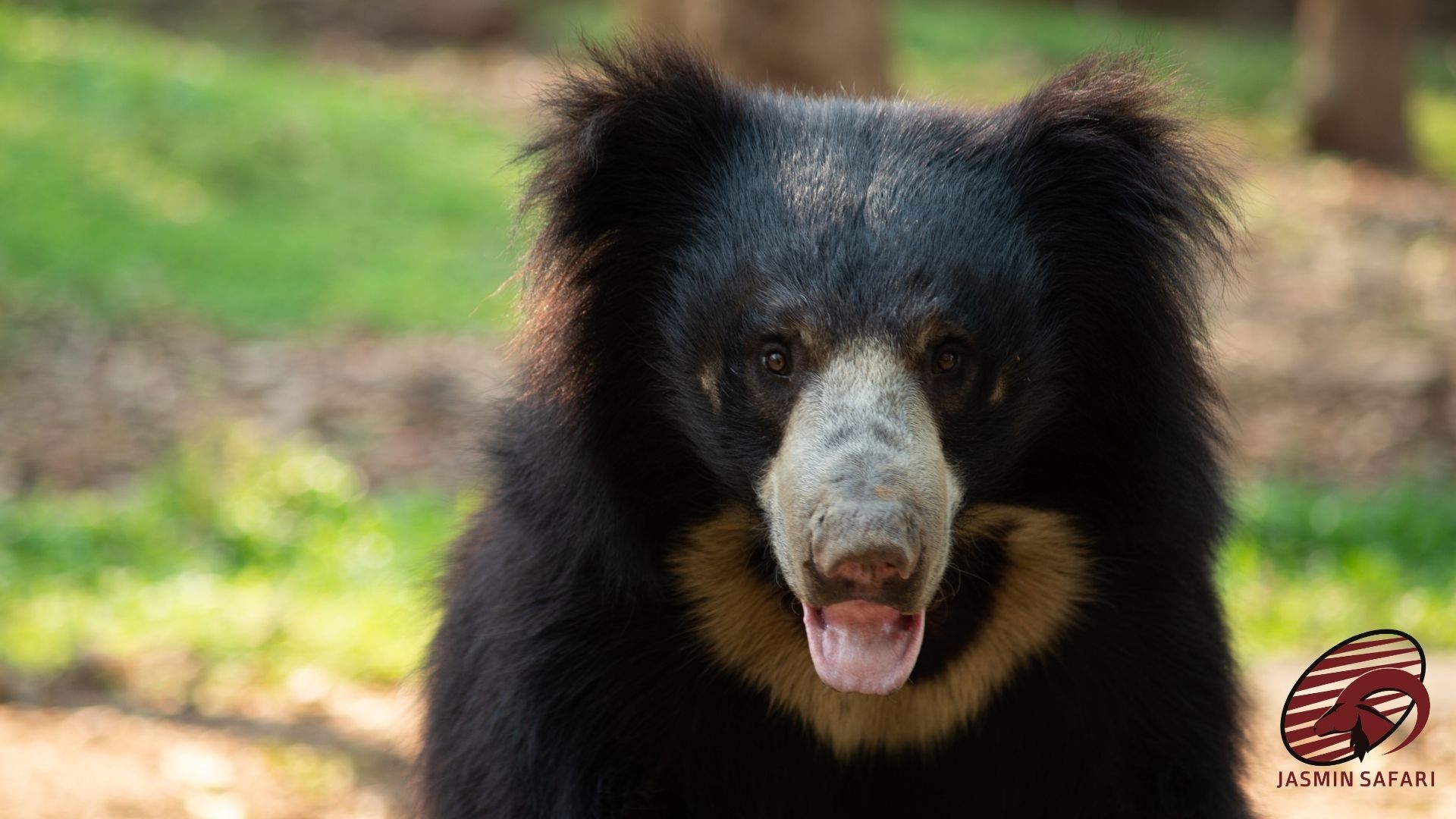
The Asiatic Black Bear (Ursus thibetanus), specifically the Baluchistan Black Bear subspecies (U. t. gedrosianus), is a highly significant but critically endangered mammal in Iran. As the westernmost edge of the species’ global range, the bears in Iran face unique conservation challenges.
Habitat and Distribution in Iran
Iran represents the western limit of the Asiatic Black Bear’s distribution. This isolated population is primarily found in the dry, mountainous regions of Sistan and Baluchestan, Kerman, and Hormozgan provinces in the southeast.
Unlike their counterparts in East Asia, which inhabit dense forests, the Iranian bears have adapted to the drier, more rugged environment, utilizing rocky caves and dense thorn-brush forests for shelter. This adaptation to arid habitats makes their survival even more precarious.
Diet and Behavior
The Asiatic Black Bear is an omnivorous species. Its diet in Iran is highly seasonal and includes:
Vegetation: Fruits, nuts, berries, acorns, roots, and young shoots.
Insects: Grubs and honey (making them adept tree climbers).
Protein: Small mammals, carrion, and occasionally domestic livestock.
They are generally solitary and often become nocturnal when living near human settlements to avoid conflict. They are exceptional climbers, using their powerful forelimbs and hooked claws to forage for food and create “tree nests” for feeding and resting.
Conservation Status and Threats
Globally, the Asiatic Black Bear is listed as Vulnerable. However, the subspecies in Iran is considered Critically Endangered due to its small, fragmented population.
The primary threats to the Asiatic Black Bear in Iran include:
Habitat Loss and Fragmentation: Deforestation, agricultural expansion, and infrastructure development destroy their habitat and isolate small populations.
Human-Bear Conflict: As their habitat shrinks, bears venture into farms, preying on livestock or eating crops, which leads to retaliatory killings by farmers.
Poaching: Bears are illegally hunted for their body parts, primarily the gall bladder, which is used in traditional Asian medicine.

Wolf
In Iran, the wolf is a creature of myth, legend, and ecological necessity. The Persian Wolf (a subspecies of the Grey Wolf, Canis lupus) is

Snake
Iran is a land of extreme contrasts, providing a sanctuary for a staggering diversity of reptiles. With over 80 species of snakes across 7 families,

The Persian Fallow Deer
The Persian Fallow Deer (Dama dama mesopotamica), known in Farsi as Gavazn-e Zard, is one of the rarest and most beautiful cervids in the world.

Goat
In Iran, the Goat is not just an animal; it is a foundational icon of civilization. From the ancient rock carvings of the Zagros Mountains