Arasbaran

Arasbaran

The Arasbaran Protected Area is a stunning 80,654-hectare mountainous region located on the south bank of the Aras River in Iran’s East Azerbaijan Province. Designated as a protected area in 1973 and elevated to a UNESCO Biosphere Reserve in 1976, it is globally recognized for its unique endemic species and extraordinary biological richness.

Geography and Climate

With an elevation range from 256 m to 2,896 m, Arasbaran acts as a climatic bridge between the Caspian, Caucasus, and Mediterranean regions.

  • Climate: Ranges from semi-arid to temperate sub-humid.

  • Conditions: Mean annual precipitation of 275 mm and a cool average temperature of 10°C.

  • Landscape: Over 50% of the territory is covered by dense, lush forest stands, often shrouded in mist.

A Botanical Treasure Trove (1,000+ Species)

Arasbaran is a critical genetic reserve, boasting over 1,028 identified plant species. The region is a “living museum” of Caucasian flora.

  • Key Trees: Persian Oak, Hornbeam, Yew, Walnut, and Juniper.

  • Wild Fruits: Wild Pomegranate, Cherry, Plum, and Cornel Tree.

  • Specialty Flora: Sumac, Montpellier Maple, and the majestic Plane Tree.

Rare Wildlife and Red Deer Rehabilitation

The region is a sanctuary for some of the most elusive fauna in the Middle East.

  • Flagship Species: The Caucasian Black Grouse (unique to this region) and the Persian Leopard.

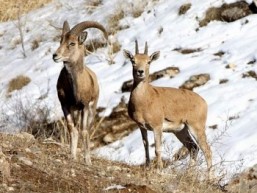
  • Mammals: Brown Bear, Eurasian Lynx, Wild Sheep, and Wild Boar.

  • Avian Predators: Bearded Vulture and various eagles and falcons.

  • Conservation Success: A dedicated portion of the park is allocated to the rehabilitation and protection of the Red Deer (Maral).

Historical Monuments and Tourism

Unlike many wild reserves, Arasbaran is steeped in history, offering a rare blend of nature and ancient architecture.

  • Babak Castle (Qaleh Babak): The legendary 9th-century fortress perched atop a mountain peak.

  • Toumanians Castle: A stunning historical mansion reflecting the region’s diverse cultural past.

  • Ancient Churches: Reflecting the long-standing heritage of the Armenian community along the Aras border.

Khangormaz

Khangormaz (also spelled Khan Garmz or Khan-Gormaz) is a prominent protected area and mountain massif in the Hamedan Province of western Iran. It is widely

Read More »

Siah kuh

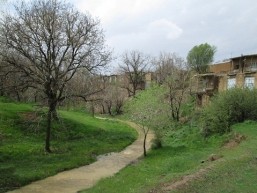
Siah Kuh (Persian: سیاه کوه), meaning “Black Mountain,” refers to several locations in Iran, but the most prominent is the Siah Kuh National Park. Located
Read More »

Lashgardar

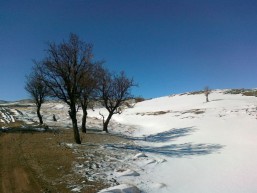
The Lashgardar Protected Area, established in 1990, stands as one of the most ecologically significant regions in Western Iran. Spanning 16,089 hectares within the Hamedan
Read More »

Bashgol

The Bashgol Protected Area is one of Iran’s most diverse ecological landscapes. Established in 1996, this 25,344-hectare sanctuary is a transition zone where rolling plains

Read More »

Contact Us

Discover the thrill of Big Game Safaris and Wild Boar hunting in Iran! Our expert guides and trackers will lead you to the best-kept hunting grounds. Join us for an unforgettable adventure!
 
© All Rights Reserved. 2025

Address