Anguran

Anguran

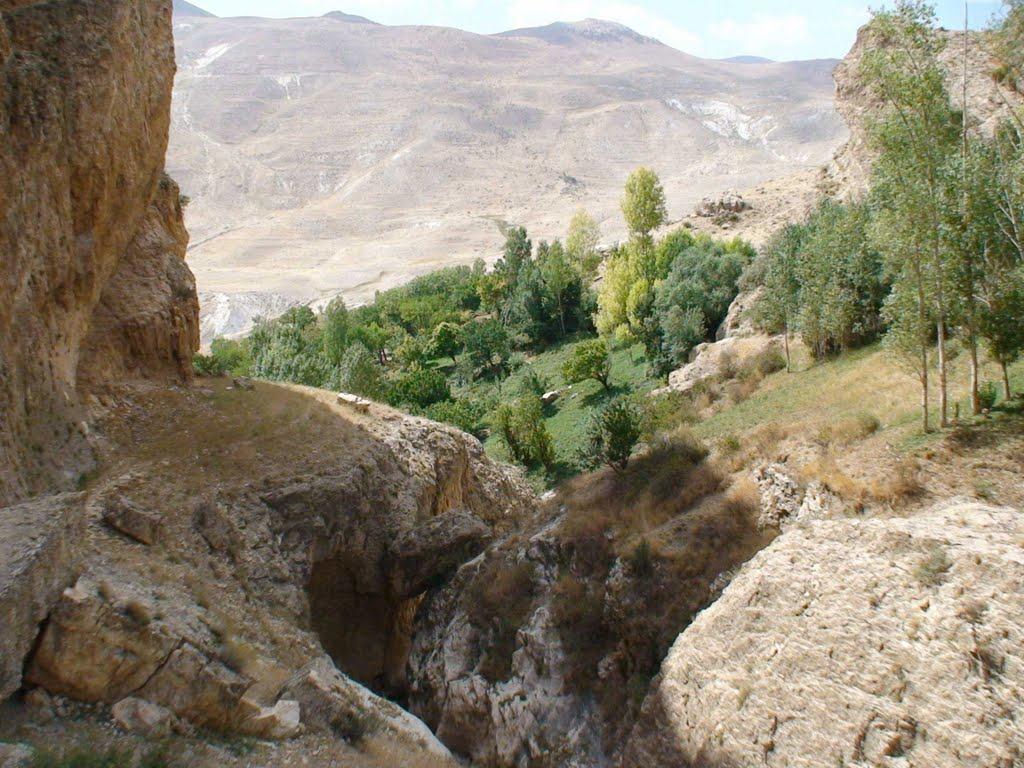
The Anguran Wildlife Refuge, located in the heart of Zanjan Province, stands as one of Iran’s most historically significant and ecologically diverse protected zones. Originally established as a protected area in 1970, its status was elevated to a Wildlife Refuge in 1975 to preserve its invaluable biological reserves and unique mountainous rolling landscapes.

Geography and Climate

Spanning 29,812 hectares, Anguran is characterized by its dramatic topography, with altitudes ranging from 1,280 to 2,200 meters.

  • Climate: The region enjoys a temperate semi-arid climate.

  • Weather Stats: With a mean annual temperature of 10°C and a healthy annual precipitation of 400 mm, the refuge supports a lushness not commonly found in the surrounding arid plains.

Flora and Vegetation

The botanical diversity of Anguran is a major draw for researchers and nature enthusiasts. The landscape is a mosaic of:

  • Shrubs & Trees: Barberry, wild almond, and Turk terebinth pistachio.

  • Medicinal & Rare Plants: Thyme, Astragalus, Wormwood, and the striking Crown Imperial Fritillary.

  • Grasslands: Various species of Gramineae that provide essential grazing for the refuge’s herbivores.

Wildlife and Aquatic Life

The confluence of the Ghazel Ozan and Anguran Chay rivers has created a thriving habitat for a wide array of species.

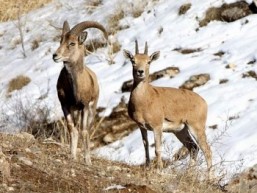
  • Mammals: This is a primary stronghold for the Armenian wild sheep. Other key inhabitants include the brown bear, Eurasian lynx, striped hyena, wolf, and the elusive river otter.

  • Birds: The skies are home to the Caspian snowcock, eagles, falcons, and vibrant water birds like the Great White Heron and teal.

  • Reptiles: Notable species include the Latifi’s viper (endemic to Iran) and the zigzag mountain viper.

  • Fish: The Ghazel Ozan river is rich with Caspian barbel and Danube catfish.

Why Visit Anguran?

Beyond its scientific and research value, Anguran offers immense recreational and educational appeal. Visitors are drawn to:

  1. Natural Beauty: Rolling hills and river vistas perfect for nature photography.

  2. Thermal Spas: The region is famous for its natural spas, offering a therapeutic experience in the wild.

  3. Fishing & Birdwatching: The river systems offer some of the best freshwater fish reserves in the province.

annual precipitation of 400 mm, have resulted in a temperate semi-arid climate.


Khangormaz

Khangormaz (also spelled Khan Garmz or Khan-Gormaz) is a prominent protected area and mountain massif in the Hamedan Province of western Iran. It is widely

Read More »

Siah kuh

Siah Kuh (Persian: سیاه کوه), meaning “Black Mountain,” refers to several locations in Iran, but the most prominent is the Siah Kuh National Park. Located
Read More »

Lashgardar

The Lashgardar Protected Area, established in 1990, stands as one of the most ecologically significant regions in Western Iran. Spanning 16,089 hectares within the Hamedan
Read More »

Bashgol

The Bashgol Protected Area is one of Iran’s most diverse ecological landscapes. Established in 1996, this 25,344-hectare sanctuary is a transition zone where rolling plains

Read More »

Contact Us

Discover the thrill of Big Game Safaris and Wild Boar hunting in Iran! Our expert guides and trackers will lead you to the best-kept hunting grounds. Join us for an unforgettable adventure!
 
© All Rights Reserved. 2025

Address