Abstract
Nature-based tourism and ecotourism have significant potential in Iran to generate income, create jobs, and raise public awareness of environmental conservation. Yet when tourism expands without proper planning and management, it can also damage habitats, increase waste and pollution, disturb wildlife, and place growing pressure on natural resources. Golestan National Park provides a particularly important case for examining this relationship. Its exceptional biodiversity, distinctive geographical setting, and connection to the Hyrcanian Forests make it one of Iran’s most valuable natural areas. The Hyrcanian Forests were inscribed on the UNESCO World Heritage List in 2019, with parts of this ecosystem located in Golestan Province. UNESCO has also emphasized the importance of developing a comprehensive sustainable tourism plan, particularly for Golestan National Park.
Keywords: sustainable tourism, biodiversity, Golestan National Park, ecotourism, environment, Hyrcanian Forests
Introduction
Iran’s diverse climates, ecosystems, and landscapes give the country considerable potential for nature-based tourism. Protected areas can play a particularly important role by connecting ecotourism with local economic development, community participation, and nature conservation.
However, tourism and biodiversity do not automatically support one another. When visitor numbers grow without effective planning, the resulting pressure on natural resources can undermine the very ecosystems that attract tourists in the first place. The goal, therefore, should not be to remove tourism from natural areas, but to manage it in a way that balances visitor access with long-term ecosystem protection.
Golestan National Park: A Valuable Example of Iran’s Biodiversity
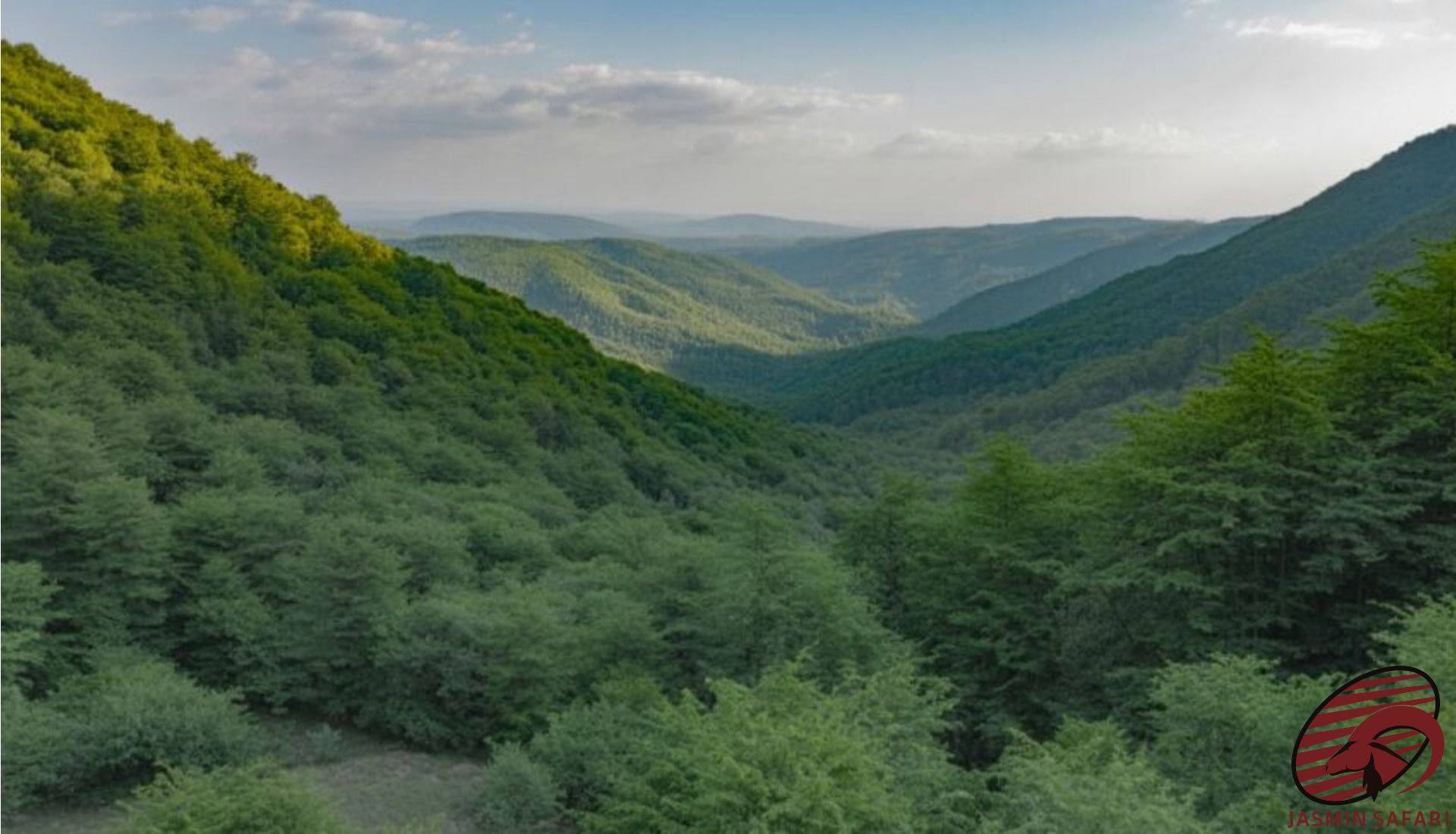
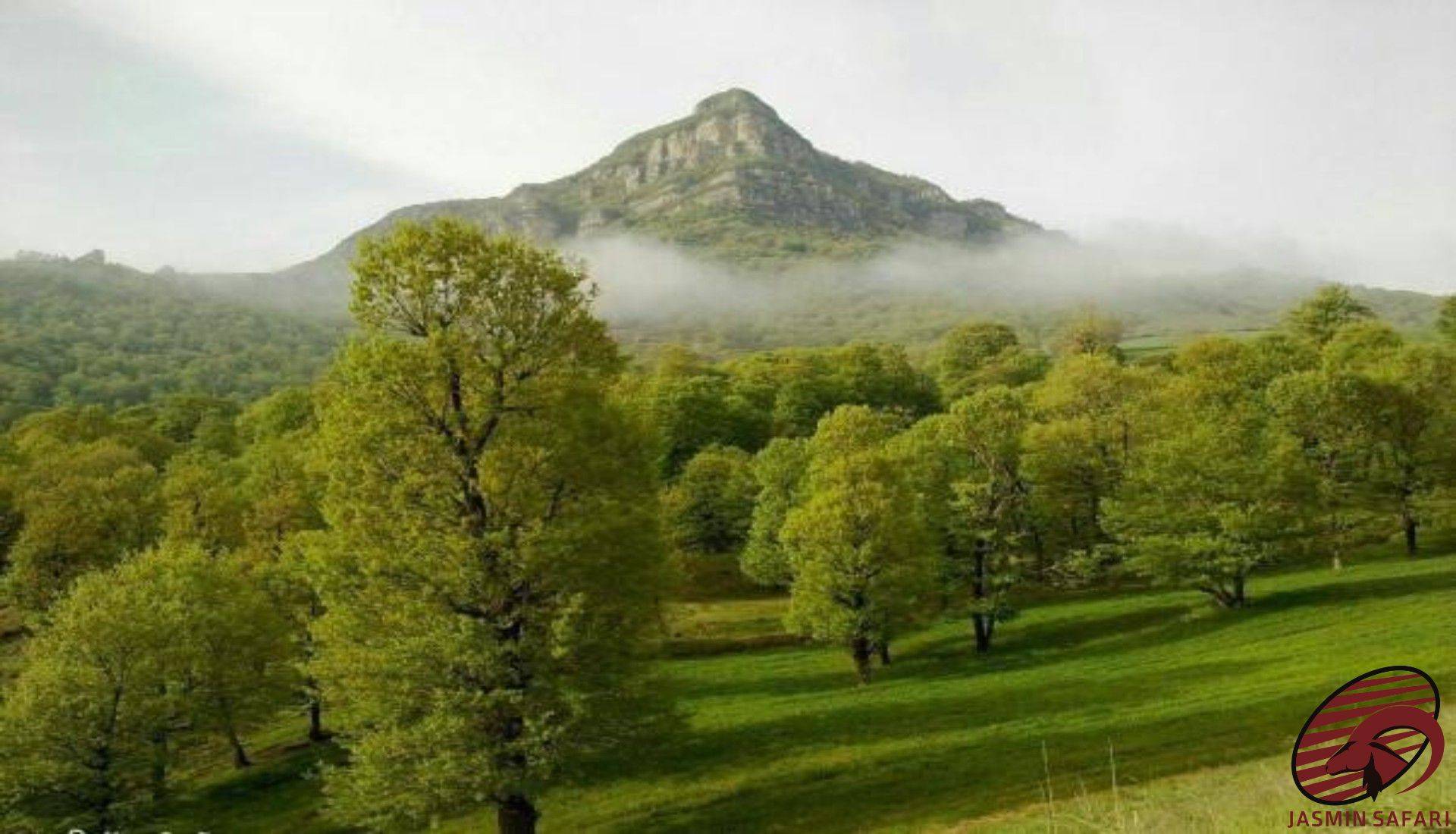
Golestan National Park is one of Iran’s most important natural areas, located within a region of exceptional ecological value. The Hyrcanian Forests contain more than 3,200 species of vascular plants and support a rich variety of wildlife. UNESCO has highlighted the presence of species such as leopards, wolves, and brown bears, as well as the conservation importance of the ecosystem’s rare and endemic species.
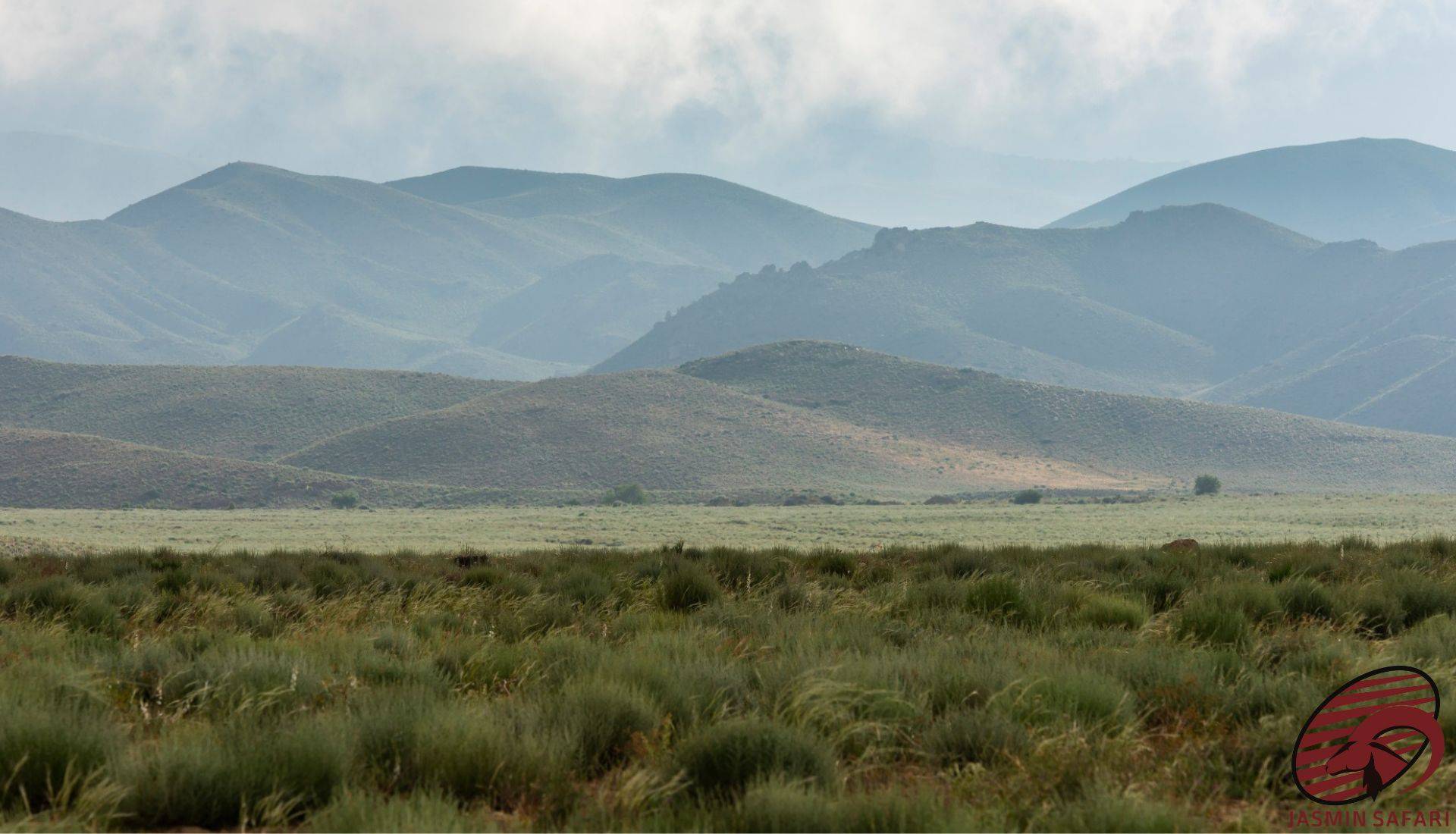
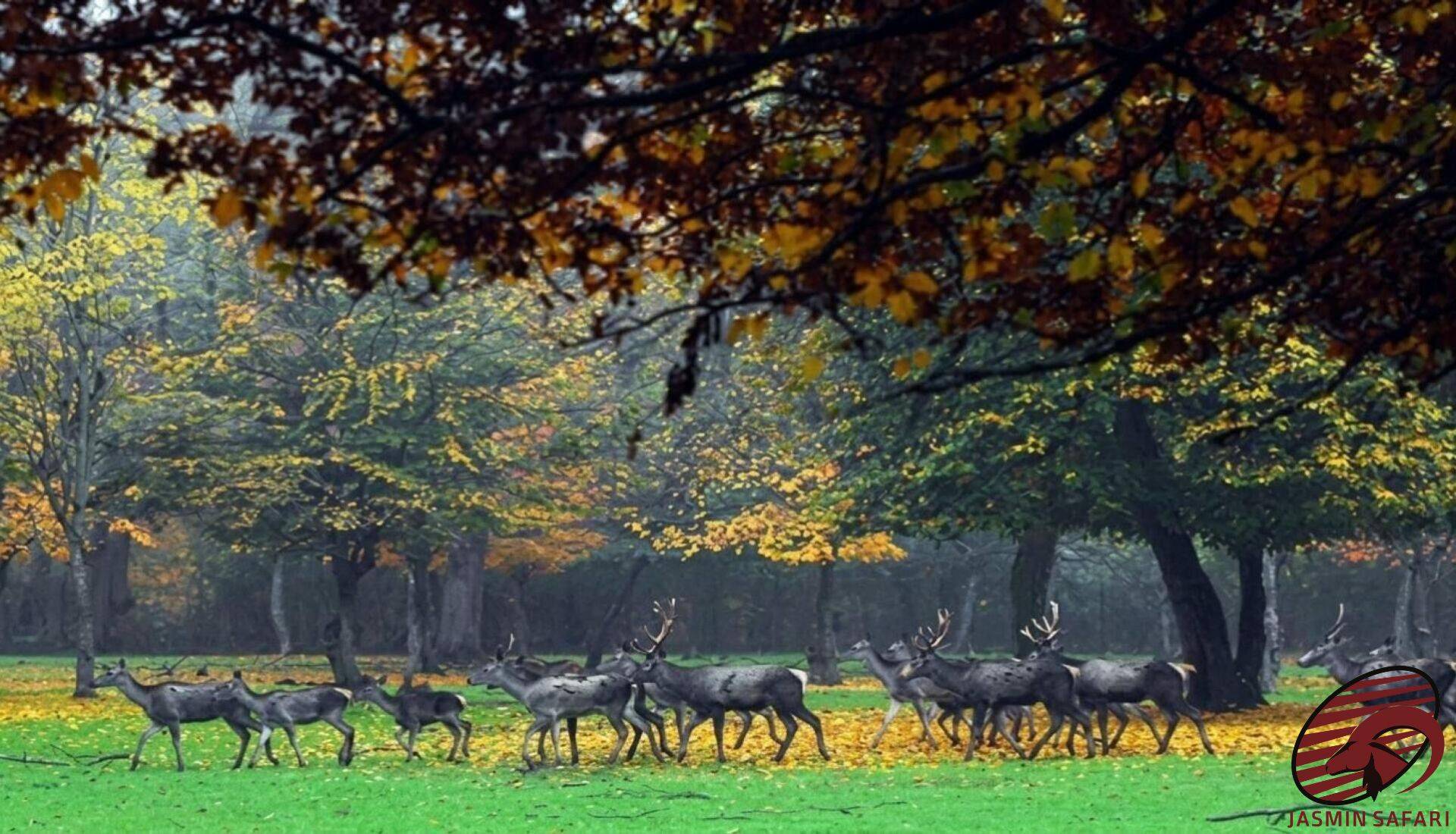
The Golestan Biosphere Reserve also encompasses a remarkable range of habitats, from mountain forests to steppes and arid areas. Species reported in the region include the Persian leopard, red deer, Roe deer, and Brown bear. This ecological diversity makes Golestan not only an important conservation area, but also a destination with strong potential for carefully managed nature tourism.
How Tourism Can Support Biodiversity
When tourism is managed according to sustainability principles, it can become a practical tool for conservation rather than simply a source of environmental pressure. It can generate income for local communities and reduce dependence on the direct exploitation of natural resources. It can also create an economic incentive to protect landscapes, habitats, and wildlife.
Tourism can further increase visitors’ awareness of the value of species and ecosystems, strengthen local businesses such as ecotourism accommodation and nature-guiding services, and attract greater public and institutional attention to valuable natural areas. In this sense, sustainable tourism can help transform nature from a resource to be consumed into a long-term asset for local communities.
When Tourism Becomes a Threat
Without careful planning, the same industry can produce the opposite result. Poorly designed roads, facilities, and tourism infrastructure can fragment habitats. Rising visitor numbers without effective waste management can damage soil and water quality and degrade natural landscapes. Vehicles and tourists entering sensitive habitats may disrupt wildlife behavior, while higher demand for water, energy, and other resources can place additional pressure on ecosystems.
Road traffic presents another challenge. In addition to noise and pollution, increased vehicle movement can threaten wildlife and reduce habitat connectivity. UNESCO has likewise emphasized the need to manage access and roads and to advance sustainable tourism in Golestan National Park.
The Central Challenge: Balancing Tourism and Conservation
The central management challenge in Golestan National Park is to reconcile two objectives that may appear to conflict: enabling people to benefit from the park’s tourism potential while safeguarding its biodiversity for the long term. Uncontrolled growth in tourism, particularly without an assessment of ecological carrying capacity, can damage the environment. At the same time, completely restricting tourism would remove valuable economic, educational, and social opportunities.
A more sustainable approach is to manage tourism according to the ecological capacity of different parts of the park. This means deciding not only how many visitors an area can accommodate, but also where, when, and how tourism activities should take place.
Practical Priorities for Sustainable Tourism in Golestan National Park
To reduce tourism’s negative impacts while increasing its environmental and economic benefits, management should focus on a set of practical priorities:
- Establish tourism carrying-capacity limits for different areas of the park.
- Restrict vehicle access in sensitive habitats.
- Create clearly designated routes for hiking and nature-based tourism.
- Improve waste-management infrastructure and reduce plastic consumption.
- Educate visitors about responsible behavior in natural environments.
- Involve local communities in tourism management and ensure they share in its economic benefits.
- Support environmentally responsible accommodation providers and local businesses.
- Continuously monitor sensitive species populations and habitat changes.
- Require environmental impact assessments for infrastructure projects.
- Develop and implement a comprehensive sustainable tourism
The Role of Local Communities
Local participation is one of the foundations of successful sustainable tourism. When residents receive a fair share of tourism’s economic benefits, they have a stronger incentive to protect the natural resources on which those benefits depend.
This can be encouraged through training local guides, developing ecotourism services, supporting the sale of local products, creating green jobs, and involving communities in tourism-related decisions. Such measures help ensure that conservation is not viewed as an external restriction imposed on local people, but as part of a development model in which they have a direct stake.
Conclusion
The relationship between tourism and biodiversity in Iran cannot be described as simply positive or negative. The outcome depends largely on how tourism is managed. Poorly planned development can turn nature into a casualty of tourism, while responsible management can make healthy ecosystems a foundation for sustainable economic development.
Golestan National Park illustrates this choice clearly. Its high ecological value and its connection to the Hyrcanian Forests make careful tourism management essential. The inscription of the Hyrcanian Forests on the UNESCO World Heritage List also demonstrates the international significance of this ecosystem.
The future of tourism in Golestan National Park should therefore be built around ecological carrying capacity, local community participation, visitor management, habitat conservation, and environmental education. Under these conditions, tourism can become not a threat to biodiversity, but a tool for protecting it while supporting the sustainable development of local communities.
Selected References
UNESCO World Heritage Centre. Documentation on the Hyrcanian Forests and their natural values.
UNESCO World Heritage Committee. Decision concerning the Hyrcanian Forests and recommendations related to sustainable tourism in Golestan National Park.
Assessment of the Hyrcanian Forests and the biodiversity values of the region.