The Country of Kazakhstan (Қазақстан)
Kazakhstan, officially the Republic of Kazakhstan, is the world’s largest landlocked country and the ninth-largest country overall by area, spanning parts of Central Asia and Eastern Europe. Its vast territory encompasses incredibly diverse landscapes.
- Geography: Kazakhstan’s terrain is remarkably varied, ranging from the low-lying Caspian Sea depression (which includes some of the lowest points on Earth, below sea level) in the west, through immense steppe grasslands (the Kazakh Steppe, one of the largest in the world), semi-deserts, and sandy deserts (like the Kyzylkum and Muyunkum) in the south, to high mountainous regions in the east and southeast (the Altai Mountains, Dzungarian Alatau, and northern Tien Shan). It has numerous rivers and lakes, including the large, shrinking Aral Sea and Lake Balkhash.
- Capital: Astana.
- Population: Approximately 20.8 million (2025 estimate).
- Official Language: Kazakh (a Turkic language). Russian is also widely spoken and plays a significant role in business and interethnic communication.
- Religion: Predominantly Muslim (mostly Sunni), with a notable Russian Orthodox Christian minority.
- Government: A unitary presidential republic.
- History: Historically inhabited by nomadic Turkic peoples, Kazakhstan’s territory was part of various empires and khanates before being incorporated into the Russian Empire and later becoming a Soviet Republic. It gained independence in 1991 following the dissolution of the Soviet Union.
- Economy: Kazakhstan boasts a resource-rich economy, being a leading global producer of oil, natural gas, uranium, chromium, lead, and zinc. Agriculture, particularly grain production and livestock, also plays a significant role.
- Climate: Characterized by an extreme continental climate with long, very cold winters and hot, dry summers. Temperatures can swing dramatically, from -50°C (-58°F) in the north during winter to +40°C (104°F) in the south during summer. Precipitation is generally low, making much of the country arid or semi-arid.
Wildlife in Kazakhstan
Kazakhstan’s immense size and range of climatic zones support a rich and often unique biodiversity, including species adapted to its vast steppes, deserts, and high mountains.
Mammals:
Iconic Mountain Species:
Mid-Asian Ibex (Siberian Ibex): Abundant in the country’s mountainous regions, particularly the Tian Shan and Altai, known for their impressive, long scimitar-shaped horns. They are a primary hunting draw.
Argali (Kazakhstan Argali): Kazakhstan is home to several subspecies of Argali, including the Tian Shan Argali and Karaganda Argali. These are the largest wild sheep in the world and highly coveted by trophy hunters, though hunting quotas are extremely limited and often not available for foreign hunters for certain subspecies due to conservation concerns.
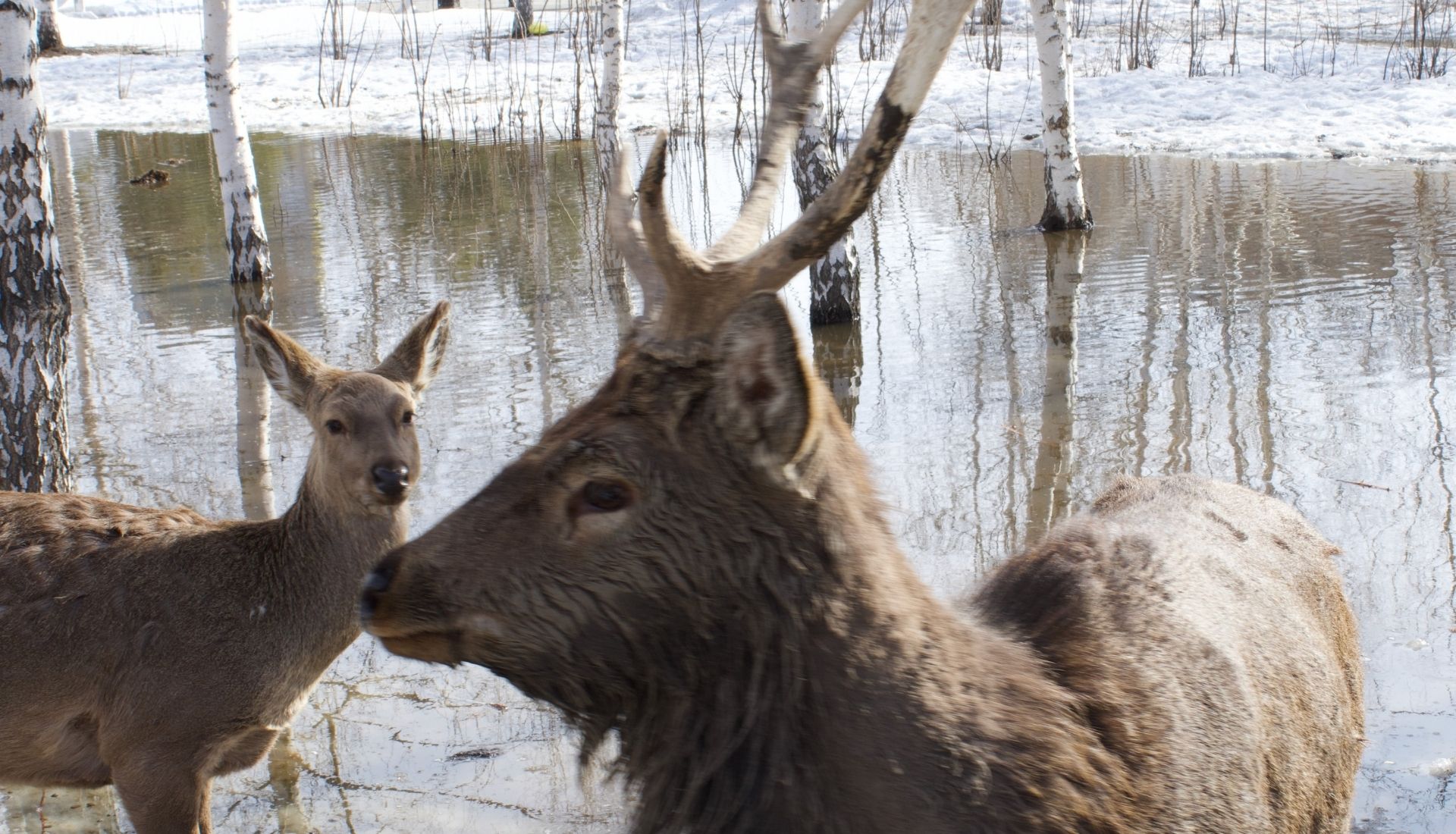
Maral (Tian Shan Wapiti / Red Deer): A very large subspecies of red deer, similar to the American elk, with impressive antlers. Found in the forested mountains of the east and southeast, they are a significant hunting trophy.
Snow Leopard (Panthera uncia): Critically endangered and elusive, inhabiting the high mountain ranges. Kazakhstan is a key country for snow leopard conservation.
Steppe and Desert Dwellers:
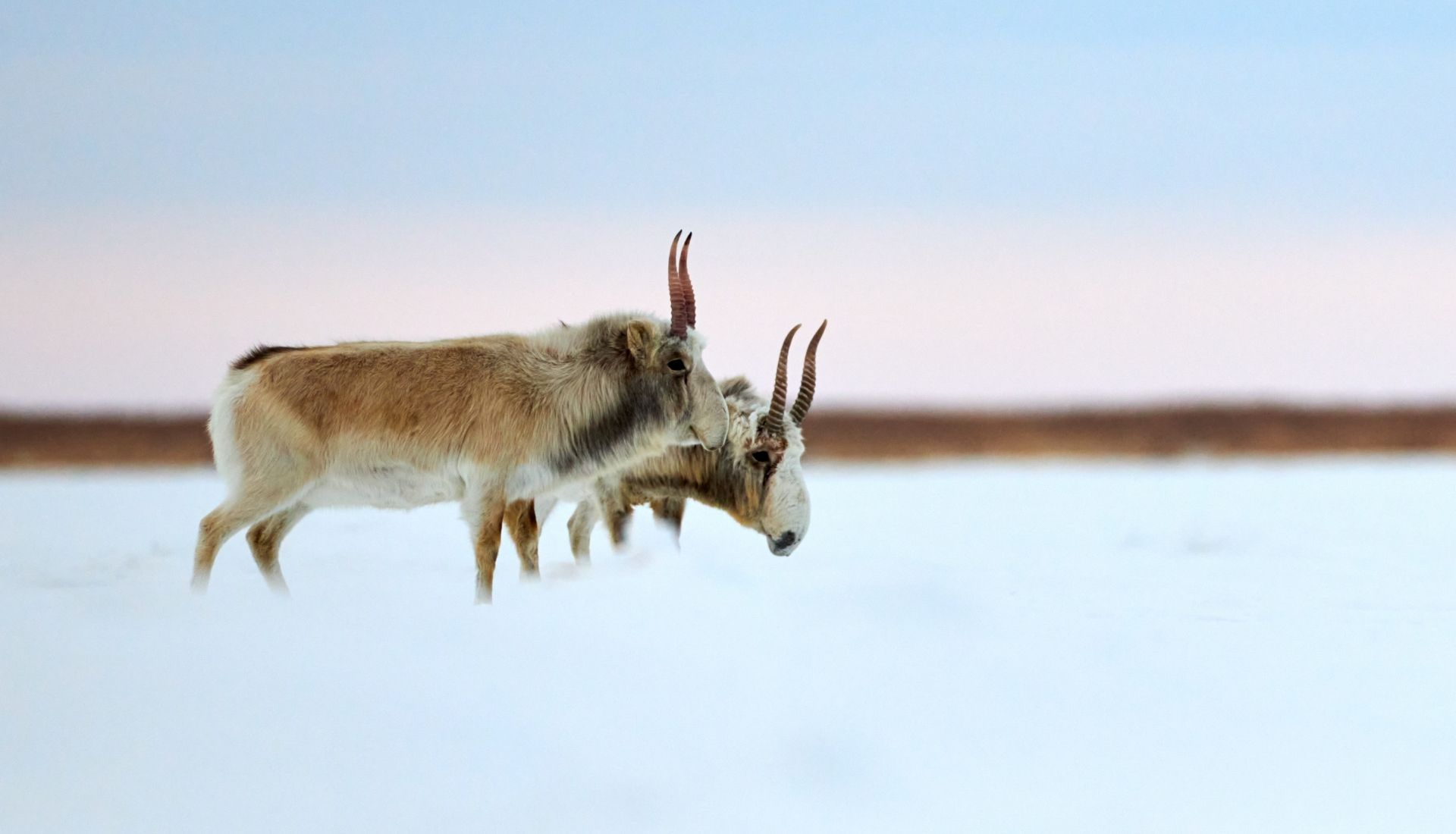
Saiga Antelope: A unique and critically endangered antelope species, recognized by its distinctive, bulbous nose. Found in the country’s vast steppes and semi-deserts. Conservation efforts are intense due to past population crashes.
Wild Bactrian Camel: Critically endangered, found in small numbers in the remote Gobi desert regions.
Kulan (Onager subspecies): Reintroduced to parts of Kazakhstan after being extinct in the country for decades. Found in nature reserves.
Mongolian Gazelle: Found in the eastern steppes.
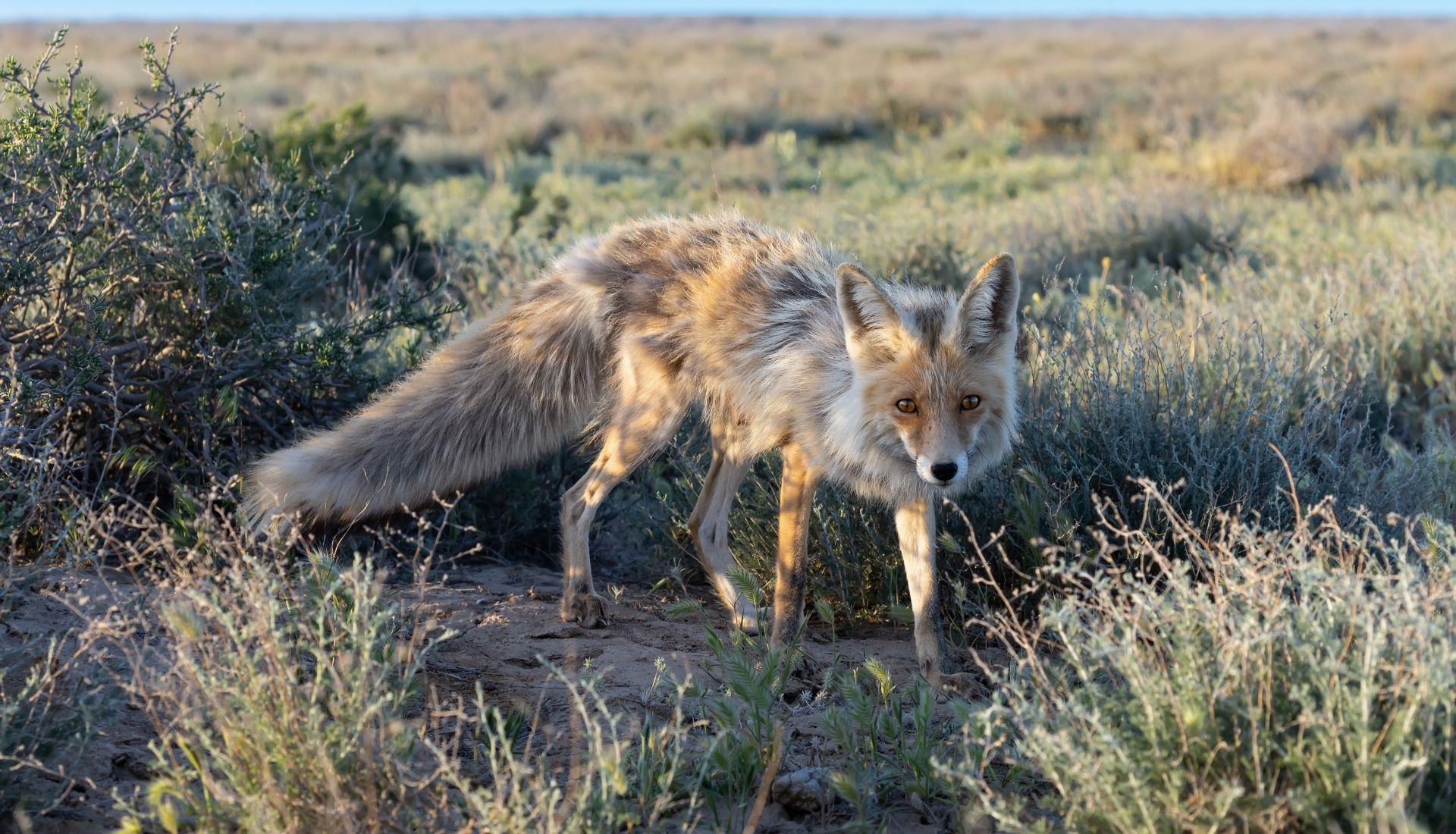
Corsac Fox: A small fox adapted to the arid steppes.
Pallas’s Cat (Manul): A small, stocky wild cat of the steppe and mountainous areas.
Other Mammals:
Brown Bear: Found in various mountainous and forested regions (e.g., Tien Shan brown bear, Himalayan brown bear subspecies).
Gray Wolf: Widespread across most habitats.
Eurasian Lynx: A solitary predator of forested areas.
Wild Boar: Abundant in areas with sufficient cover and water.
Siberian Roe Deer: The largest variety of roe deer, found in wooded and forest-steppe zones.
Menzbier’s Marmot: An endangered marmot species.
Urial: A wild sheep species found in some southern regions.
Birds:
Kazakhstan is on major migratory routes and hosts a diverse bird population, including many raptors and waterfowl.
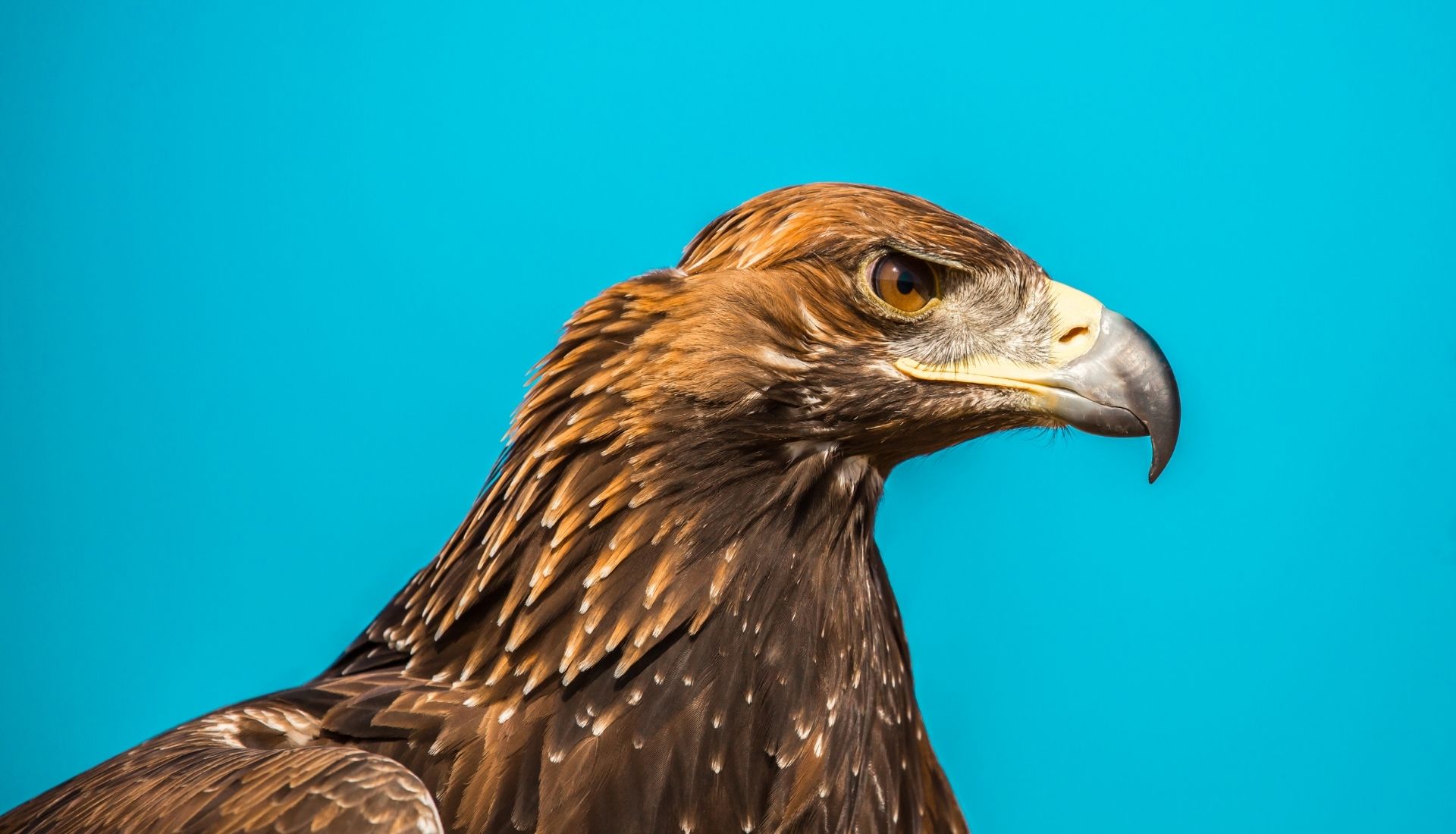
Birds of Prey: Golden Eagles (the national animal), Steppe Eagles, various vultures, and falcons (including the endangered Saker Falcon).
Waterfowl: Ducks, geese, swans, and numerous wading birds are abundant around its many lakes and wetlands (e.g., Lake Tengiz, Lake Balkhash). Flamingos can be seen in some saline lakes.
Upland Birds: Capercaillie, Black Grouse, Chukar Partridge, and various pheasants.
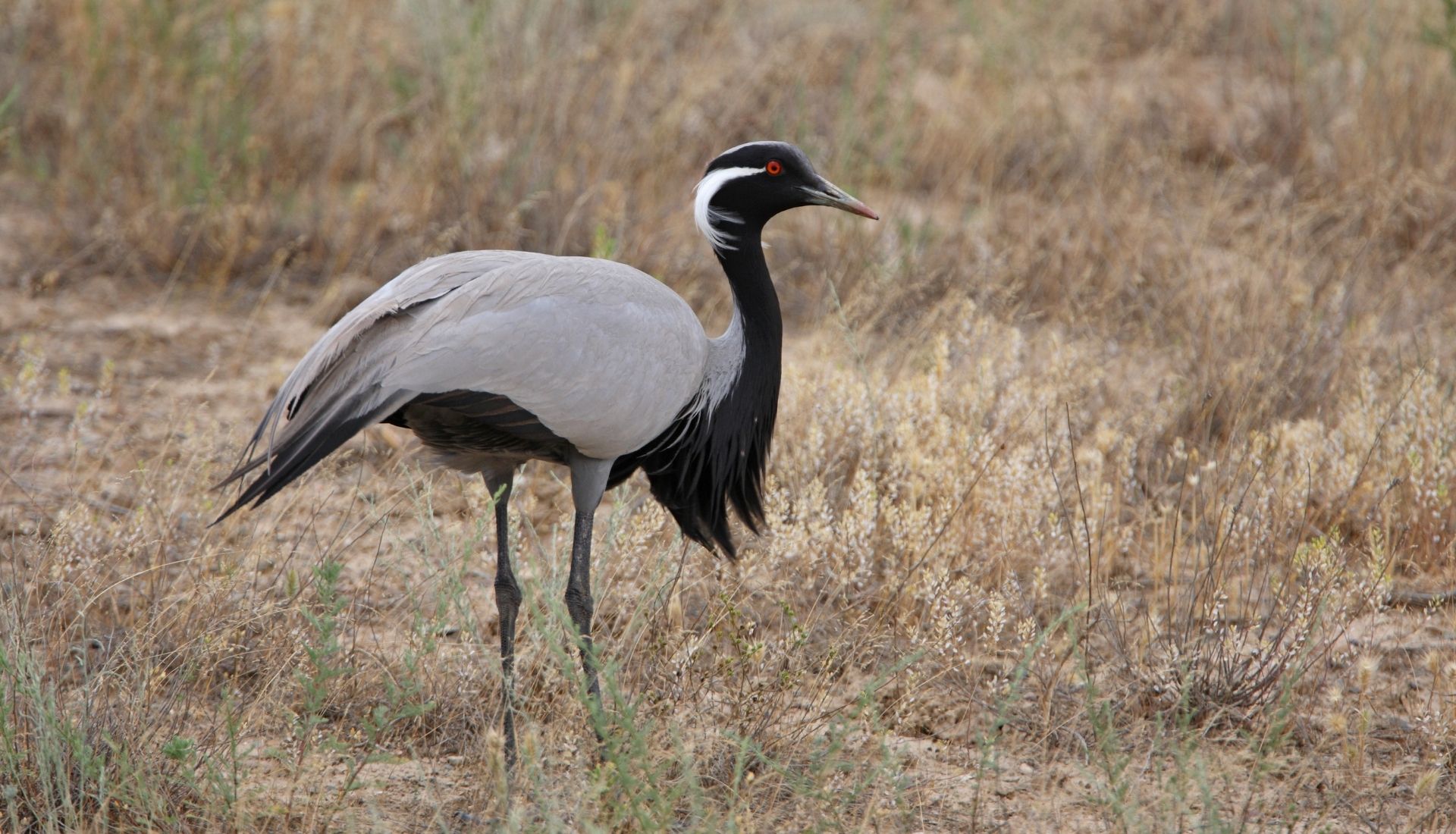
Endangered Birds: Critically Endangered Siberian Crane, and the Endangered White-headed Duck, Great Bustard, and Sociable Lapwing.
Endangered Species: Kazakhstan’s “Red Book” lists numerous threatened species. Conservation efforts are crucial, particularly for the Saiga antelope, snow leopard, and various rare bird species. Protected areas like national parks and reserves play a vital role.
Hunting in Kazakhstan
Kazakhstan is a premier destination for trophy hunting, especially for its large mountain ungulates like the Mid-Asian Ibex and Maral Stag. Hunting is strictly regulated, and it’s essential for foreign hunters to adhere to all laws and use authorized operators.
Key Regulations and Requirements for Foreign Hunters:
Permits and Licenses: All hunting requires official permits and licenses issued by the Ministry of Ecology, Geology and Natural Resources. Quotas for species are carefully managed. For foreign hunters, a contract with an authorized hunting entity (outfitter) is mandatory for obtaining these permits. These permits confirm the right to extract a specific type of animal.
Authorized Outfitters: It is crucial to book your hunt through a licensed and reputable Kazakh hunting outfitter. They handle all complex bureaucratic procedures: visa support, firearm import/export permits (including customs formalities), hunting licenses, CITES permits for trophy export (if applicable), ground transfers, accommodation, professional guides, and trophy preparation.
Firearms Import: Hunters generally bring their own rifles. Specific permits for temporary import and export of hunting weapons and ammunition are required. Recommended calibers for large game like Maral and Ibex are typically .300 Magnum, .338 Lapua Magnum, or similar, due to the need for long-range accuracy in open mountain environments (shots often range from 200 to 400+ yards).
Physical Demands: Hunting in Kazakhstan, particularly for mountain species, is highly physically demanding. Hunts often take place at high altitudes (2,500-3,500 meters / 8,200-11,500 feet or more) in rugged, steep, and remote terrain. Good physical fitness, stamina, and acclimatization to altitude are essential.
Hunting Methods: The primary method is “spot-and-stalk.” Vehicles (often 4x4s like Land Cruisers) are used for initial access and covering vast distances, followed by extensive hiking on foot or horseback to approach the game.
Accommodation: Hunting camps vary from comfortable base camps with traditional yurts (gers) or cabins to more basic spike camps depending on the hunt area and species. They typically include heated shelters, basic amenities, and a cook.
Trophy Care and Export: Outfitters assist with field preparation (skinning, caping, salting) and all necessary documentation for legal export of trophies, including CITES permits for protected species like Argali (when permits are issued).
Prohibited Hunting: Hunting of species listed in Kazakhstan’s Red Book (e.g., Snow Leopard, Saiga Antelope) is generally prohibited for recreational purposes.
Popular Hunted Species and Seasons:
Mid-Asian Ibex (Siberian Ibex): A top draw for mountain hunters.
Season: Generally August 1 to December 31. The rut in late October/early November is a popular time.
Maral Stag (Tian Shan Wapiti): Highly prized for its large antlers.
Season: Generally September 1 to December 31. The rut (bugle season) in September is considered the best time for calling and stalking.
Wild Boar: Abundant in various regions.
Season: Generally September 1 to December 31.
Siberian Roe Deer:
Season: Generally July 15 to November 1.
Wolf: Opportunities to hunt wolves are often available and sometimes combined with other hunts. There is generally no quota for wolves as they are seen as a livestock threat.
Season: Generally September 1 to December 31.
Brown Bear: Limited opportunities, often in spring (after hibernation) or fall (feeding prior to hibernation).
Upland Birds and Waterfowl: Opportunities for species like Capercaillie, Black Grouse, Chukar, and various ducks and geese exist.
Conservation and Ethics:
Kazakhstan’s trophy hunting system for species like Ibex and Maral generates significant revenue, which is intended to support wildlife management, anti-poaching initiatives, and local communities. This “conservation through hunting” model aims to provide an economic incentive for the protection of wildlife populations and their habitats. However, the legal hunting of Argali remains controversial, with very limited and highly regulated permits, and the species is globally listed as endangered.
For any international hunter considering Kazakhstan, working with a highly reputable and officially licensed outfitter is essential for a legal, safe, and successful hunting expedition in its vast and challenging wilderness.
Hunting in Kazakhstan Almaty area
MARAL
Hunting season from 15.07. to 31.12.26
The mountains of the Dzungarian Alatau: on the border with the East Kazakhstan area, lake “Alakol” Alakol region 700 km from the city of Almaty: Sarkand, Aksu regions of Zhetysu area – 550 km.
Hunting territories border with the Dzungar–Alatau National Natural Park, from the south they border with the Republic of China. Travel time by road is from 9 to 10 hours. Local airlines 1 hour flight + 2 hours by car to the camp.
Rayymbek region of Almaty area, the hunting territory borders the Kulsai National Nature Park from the west, borders the Republic of Kyrgyzstan from the south.
The distance from Almaty to hunting grounds is 250 km. Travel time from 3.5 to 4 hours.
Accommodation in hotels (at the request of the hunter) before hunting and after hunting is paid by the hunter himself.
Camps, yurts, tents, car bunks at an altitude of 1.500 to 2.700 m from sea level. Hunting at altitudes: maral – from 1.500 to 2.900 m, capricorn – from 2.800 to 3.400 m. The tour time for maral is 10 days – 8 days of pure hunting. Horse hunting from the approach on foot from 500 m – up to 1.500 km. The distance of the shot is from 250 m to 400 m for the trophy; either the hunter chooses longer distance; the right to shoot is for him! The number of approaches to one trophy and the number of shots is unlimited!
A wounded trophy is considered a successful hunt!
Service: meeting at the airport, customs – with weapons; delivery to the hunting grounds in comfortable cars to the base camp by SUV or by plane of local airlines for a separate fee.
Lunch or dinner in the camp, rest in an individual yurt – autocunge; adaptation to altitude (if required by the hunter). Gun shooting, saddle fitting, warm-up on horses.
During the hunt – 1 hunter; 1 guide-huntsman, 1 accompanying hunter + 1 assistant. The camp provides the services of a taxidermist for primary processing.
Accommodation in the mountains, overnight stays – in a tent; meals – dry rations, canned food, stews, porridges, soups, instant noodles, etc.
Meals in the camp are three times a day – fresh meat: poultry, lamb, beef from zhailau, pork (pre-order of the client before arrival), also from the hunter’s game. European and Central Asian cuisine, drinks.
Alcohol is not provided in the camps! A hunter can buy alcohol in Almaty or bring it with him.
On vacation in the camp fishing for mountain fish – trout, osman, perch.
There is a shower and a sauna in the camp.
The camp has walkie-talkies, a satellite phone, and GSM is also available in some hunting areas on the passes.
After the hunting tour, the route is the same, seeing off at the airport, customs with weapons.
Package price:
License + Service (permit for weapons, pass to the border zone, veterinary documents, primary processing of the trophy by a taxidermist, packaging) + Trophy.
Package:
License + Service + Trophy up to 8.00 kg. – 9.500 €.
Gradation:
From 8 kg. 01 gr. to 10.00 kg. = 11.500 €.
From 10 kg. 01 gr. to 11.00 kg. = 13.500 €.
From 11 kg. 01 gr. to 12.00 kg. = 14.500 €.
From 12 kg. 01 gr. to 13.00 kg. = 16.500 €.
From 13 kg. 01 gr. to 14.00 kg. = 17.500 €.
From 14 kg. 01 gr. to 15.00 kg. = 19.500 €.
From 15 kg. 01 gr. to 16.00 kg. = 21.500 €.
From 16 kg. 01 gr. and above = 22.000 €.
Passing trophies:
Roe deer male trophy without gradation – 3.500 €.
License – 550 €.
Mountain boar male – 1500 €.
License – 500 €.
The climate is sharply continental!
The temperature in September is from -5 to +25 °C; October is from -10 to +15 °C; November is from -20 to +5 °C; December is from -30 to +5 °C at night.
We recommend using the preliminary weather forecast for the hunting time you have booked!
Take with you a sleeping bag, a karemat, a change of shoes and a change of clothes, as well as a raincoat and rain protection, a single tent.
Cartridges: a permit from 40 to 60 pieces is issued for one rifled weapon.
For the accompanying person of the hunter on the hunt 350 € per day.
100 € pass to the border zone (one-time).
Without participation in the hunt – 200 € per day.
Pass to the border zone (one-time) 100 €.
At the end of the hunt, the trophy according to gradation is paid by a representative of the company or by the hunter himself!
Siberian Mountain Goat
«ASIAN — IBEX»
Hunting season from 15.07. to 31.12.2026
Yurt camp, autocongs at an altitude of 2.200 to 2.700 m from the sea level.
Hunting at altitudes from 2.800 to 3.400 m.
The tour time is 9 days – 7 days of pure hunting.
Hunting on horseback from the approach on foot from 1 to 2.5 km; the distance for a shot from 250 m to 400 m, or the distance is chosen by the hunter himself; the right to shoot for the hunter!
The number of approaches to the trophies is unlimited, the number of shots is unlimited!
Package Price:
License + Service + Trophy up to 90 cm
Package:
License + Service + Trophy up to 90 cm. – 5.500 €.
Gradation:
From 90 cm. 01 mm. to 100 cm. = 6.500
From 1 m. 01 mm. to 1 m. 10 cm. = 7.500
From 1 m. 10 cm. 01 mm. to 1 m. 15 cm. = 8.500
From 1 m. 15 cm. 01 mm. to 1 m. 20 cm. = 9.500
From 1 m. 20 cm. 01 mm. to 1 m. 30 cm. = 10.500
From 1 m. 30 cm. 01 mm. to 1 m. 40 cm. = 12.500
From 1 m. 40 cm. and above = 16.000
The climate is sharply continental!
The temperature in August is from +5 to +30 °C; September is from -5 to +25 °C; October is from -10 to +15 °C; November is from -20 to +5 °C at night; December is from -30 to +5 °C at night.
We recommend using the preliminary weather forecast for the hunting time you have booked! The climate has changed sharply in the direction of warming!!!
Take with you a sleeping bag, a karemat, a change of shoes and a change of clothes, as well as a raincoat and rain protection. If possible, an individual single tent.
Cartridges: a permit from 40 to 60 pieces is issued for one rifled weapon.
For the accompanying person of the hunter on the hunt 350 € per day.
Pass to the border zone (one-time) 100 €.
Without participation in the hunt – 200 € per day.
Pass to the border zone (one-time) 100 €.
At the end of the hunt, the trophy according to gradation is paid by a representative of the company or by the hunter himself!
Delivery of trophies within 6 months.
For the delivery of trophies – brokerage, customs, veterinary services; the services of transporting the trophy by airlines to the hunter’s place of residence are paid by the hunter!