Tehran: The Dynamic Heart of Iran
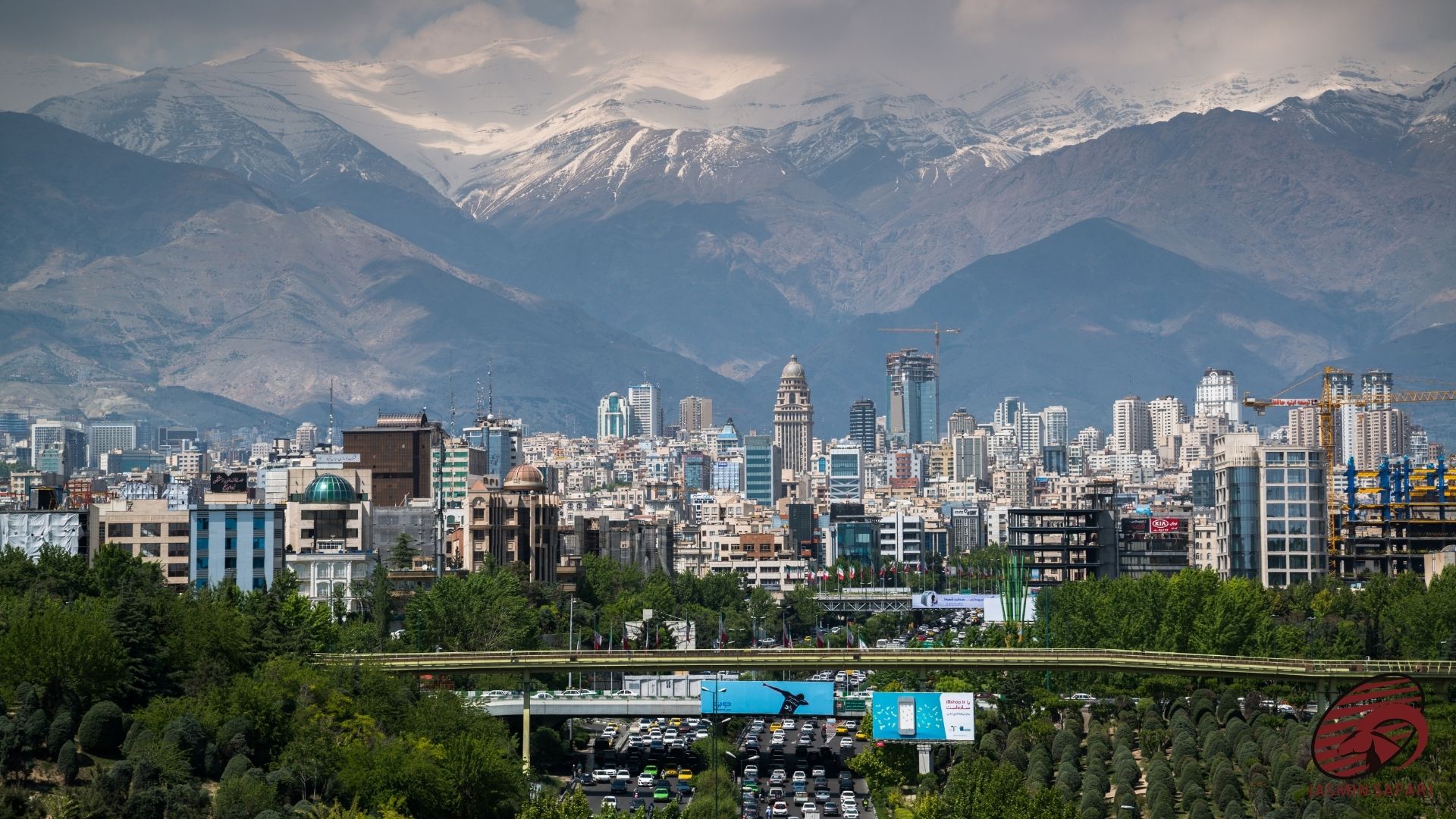
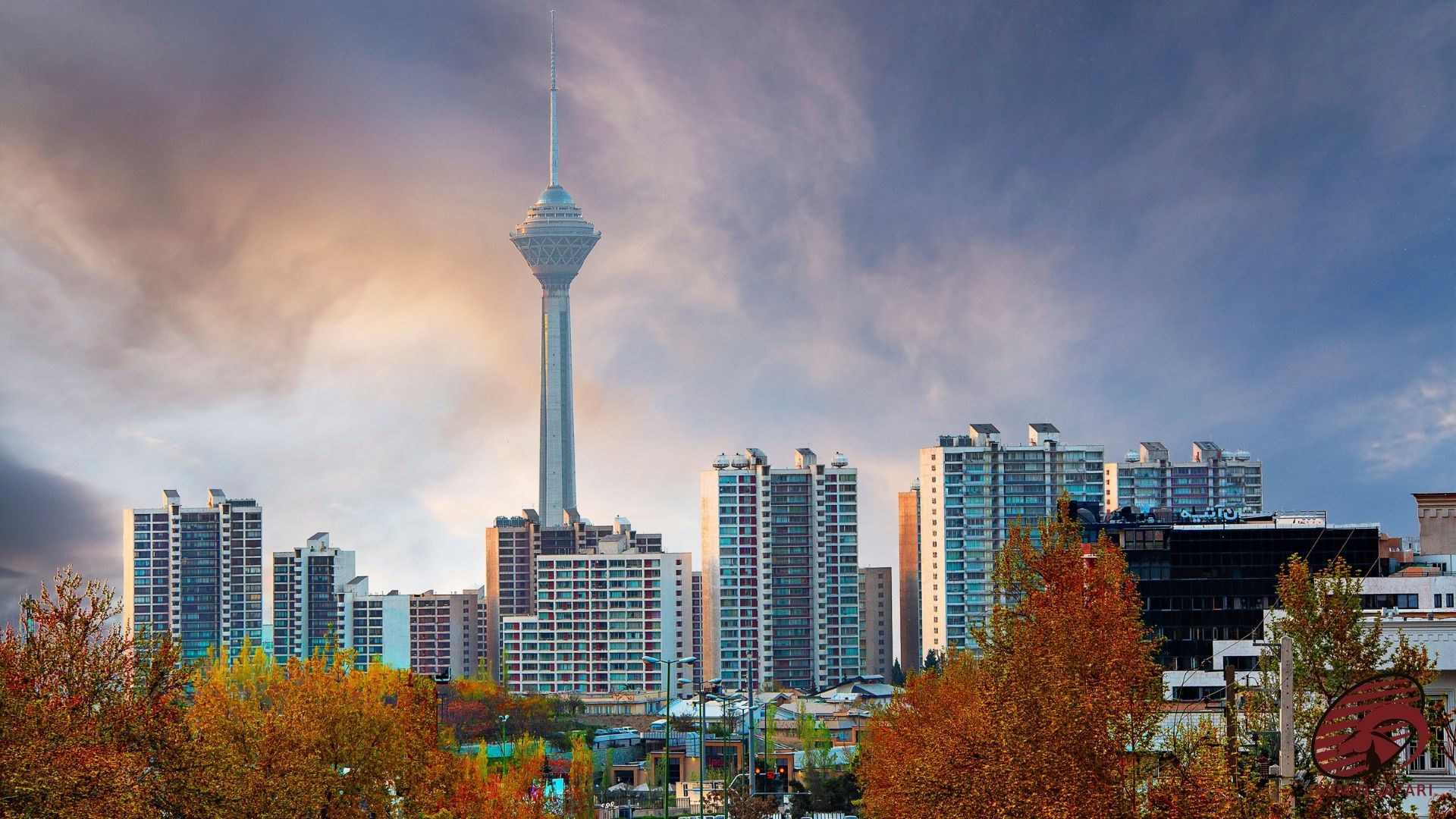
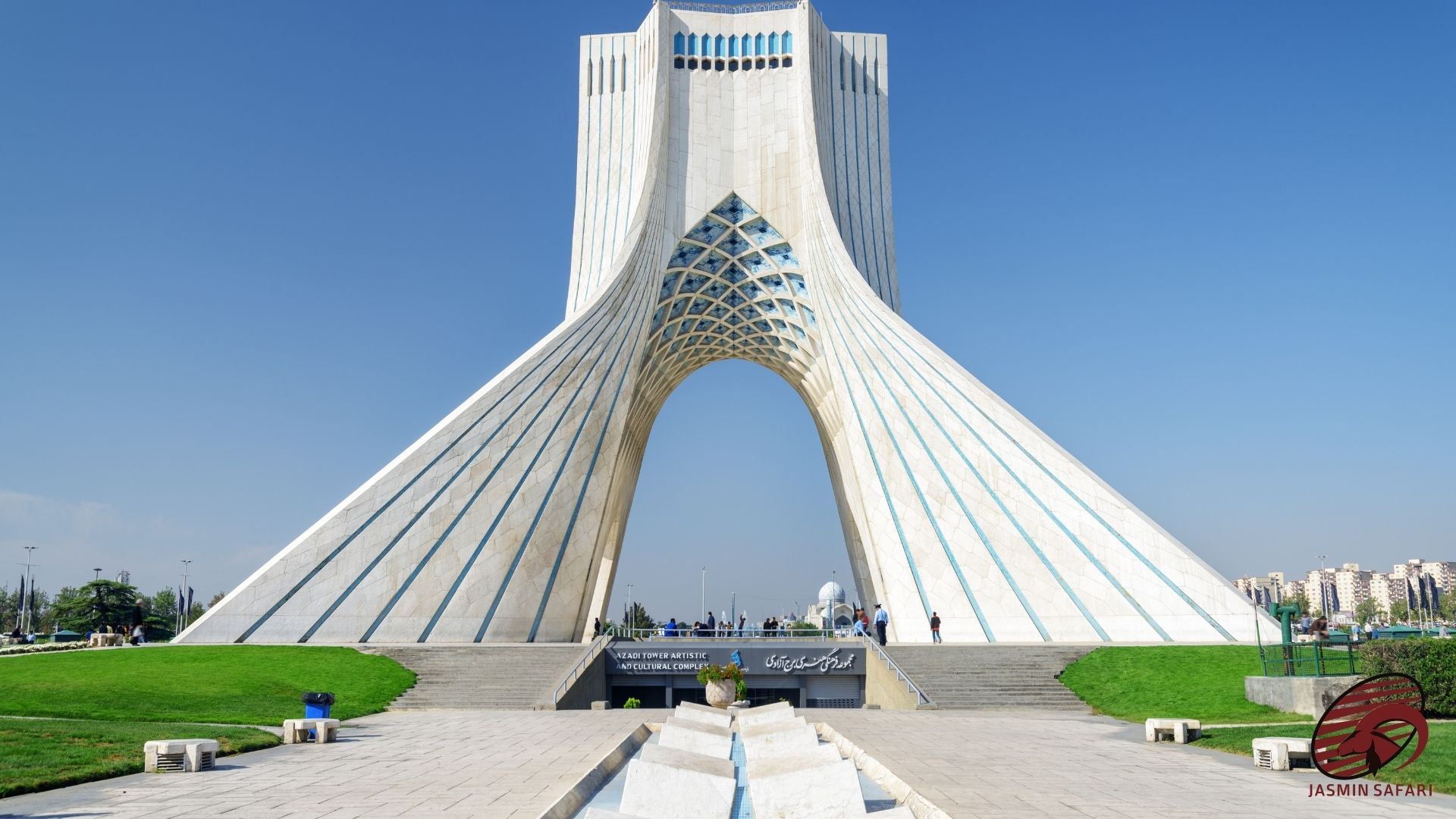
Tehran, though geographically positioned in the foothills of the Alborz Mountains in the north of Iran, serves as the nation’s sprawling political, economic, and cultural epicenter. As one of the largest metropolitan areas in Western Asia, its population is estimated to be close to 17 million, making it a pulsating hub of Iranian life and diversity.
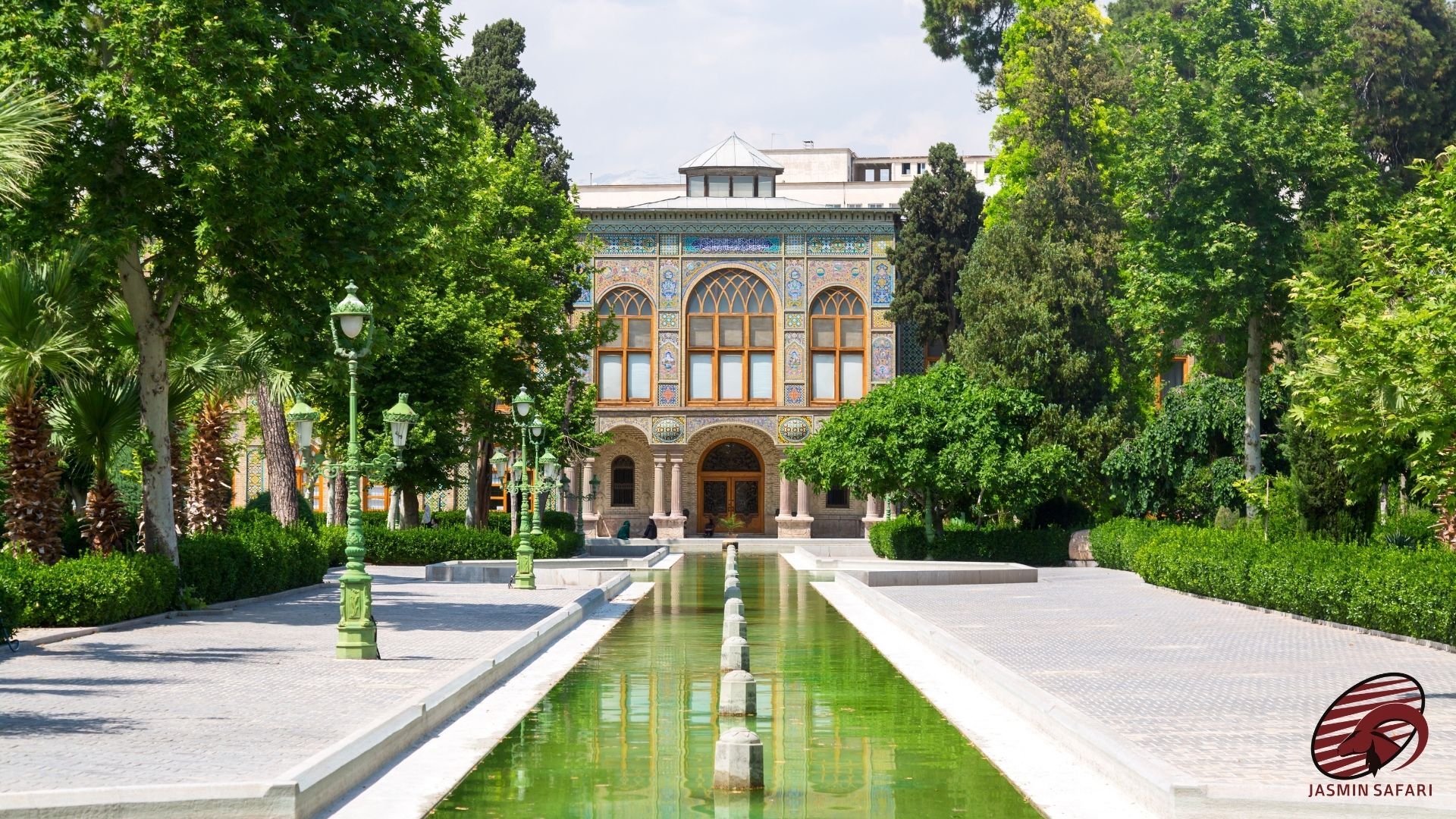
The city offers a compelling blend of tradition and modernity. Its history as the capital, particularly during the Qajar and Pahlavi eras, is preserved in magnificent sites like the UNESCO-listed Golestan Palace and the various royal gardens, whose opulent architecture and lush grounds are a spectacle for visitors. Culturally, Tehran is unmatched in Iran. It hosts the country’s most significant cultural and artistic centers, including state-of-the-art cinemas, theaters, and a multitude of museums, which anchor Iran’s contemporary arts scene.
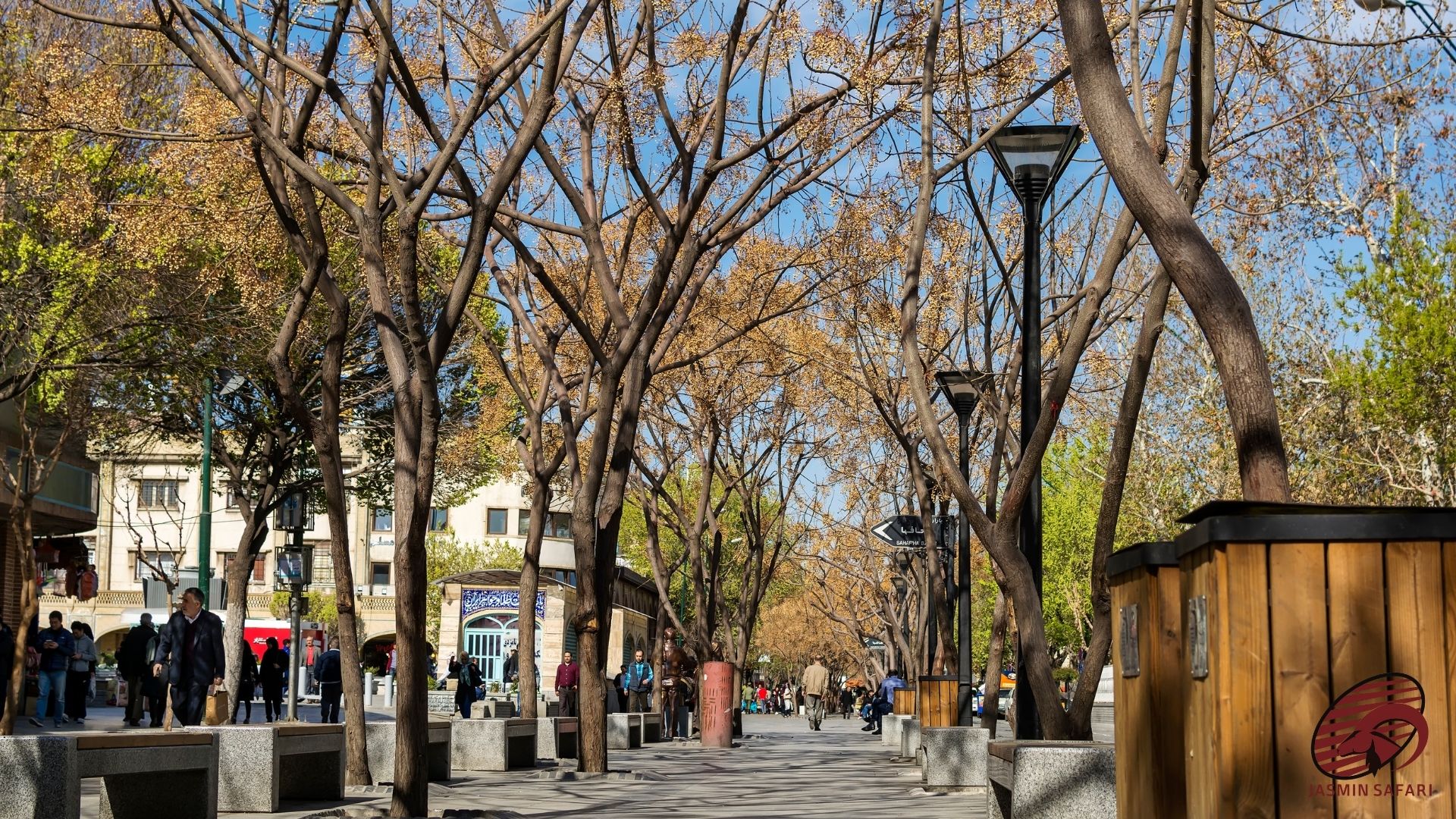
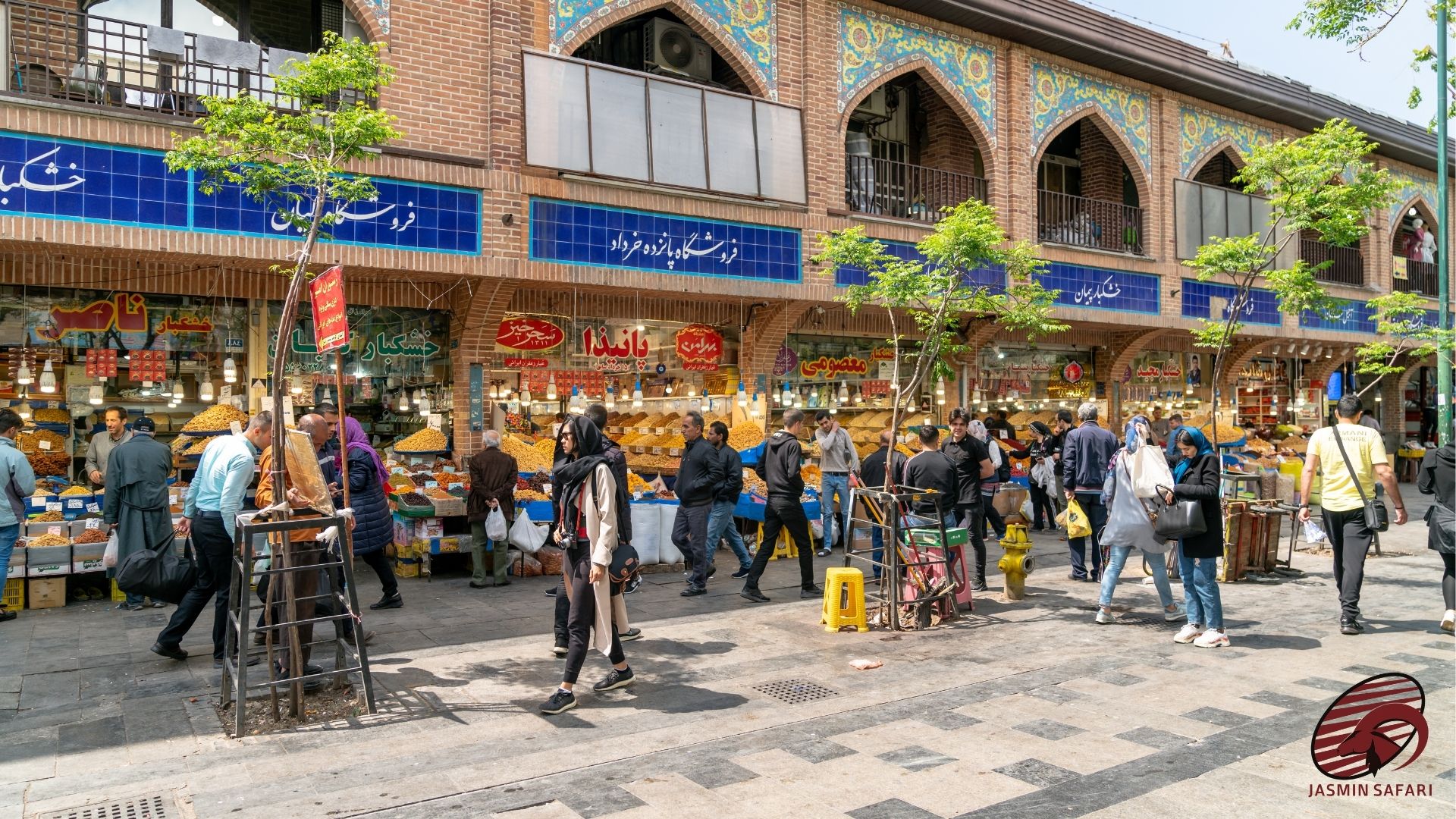
Despite its size, navigating Tehran is feasible due to its extensive public transportation network, which includes a comprehensive metro system. This infrastructure is essential for connecting residents and visitors to the city’s vast commercial landscape—from the ancient, labyrinthine lanes of the Grand Bazaar of Tehran, a historic center of trade, to sleek, modern shopping malls.
Finally, Tehran’s location provides a key environmental context: while the climate is generally moderate, the towering Alborz range offers numerous recreational opportunities and resorts both inside and immediately outside the city limits, providing easy access to skiing, hiking, and mountain retreats.
Shiraz: The Jewel of Persian Culture and History
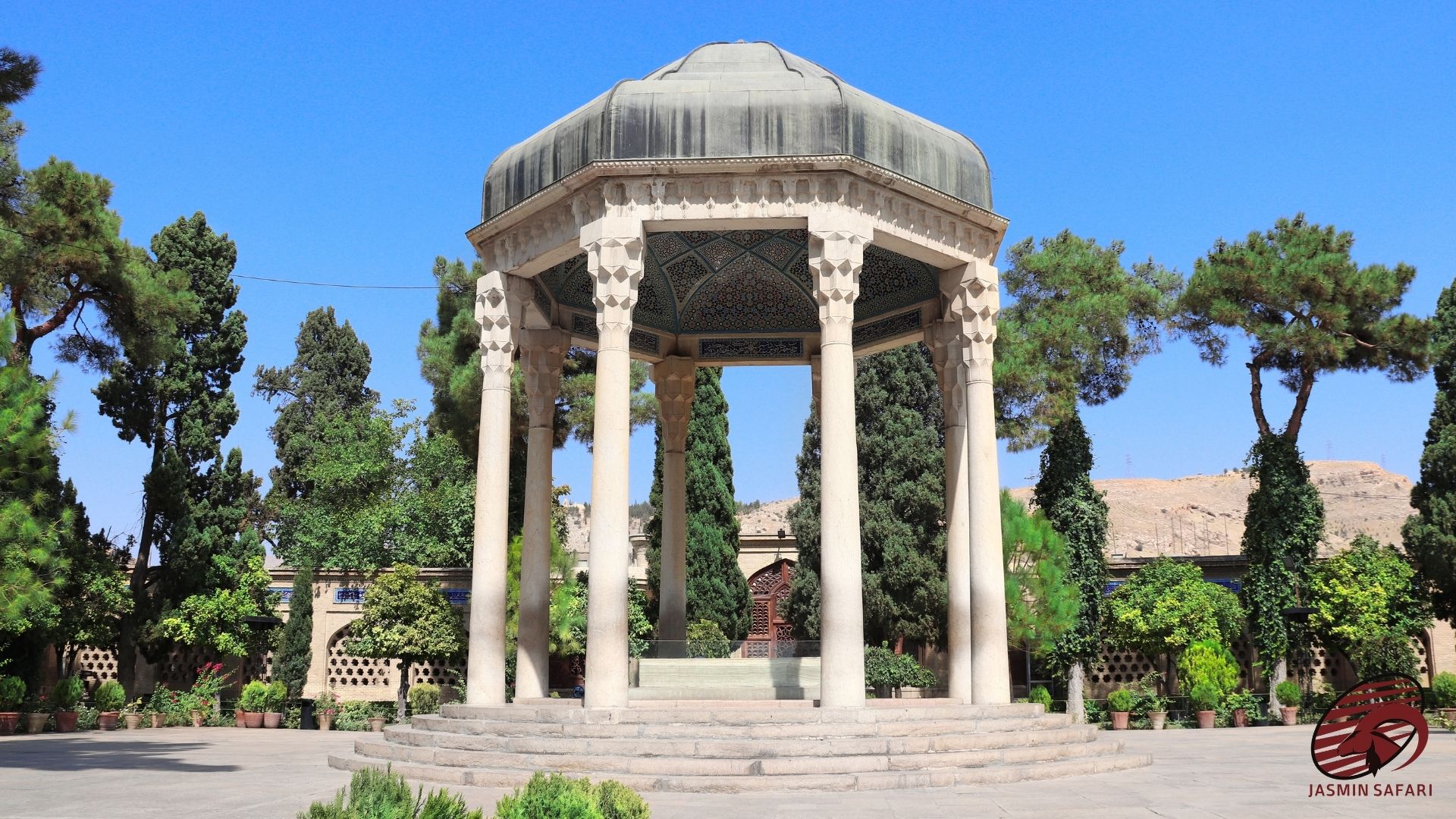
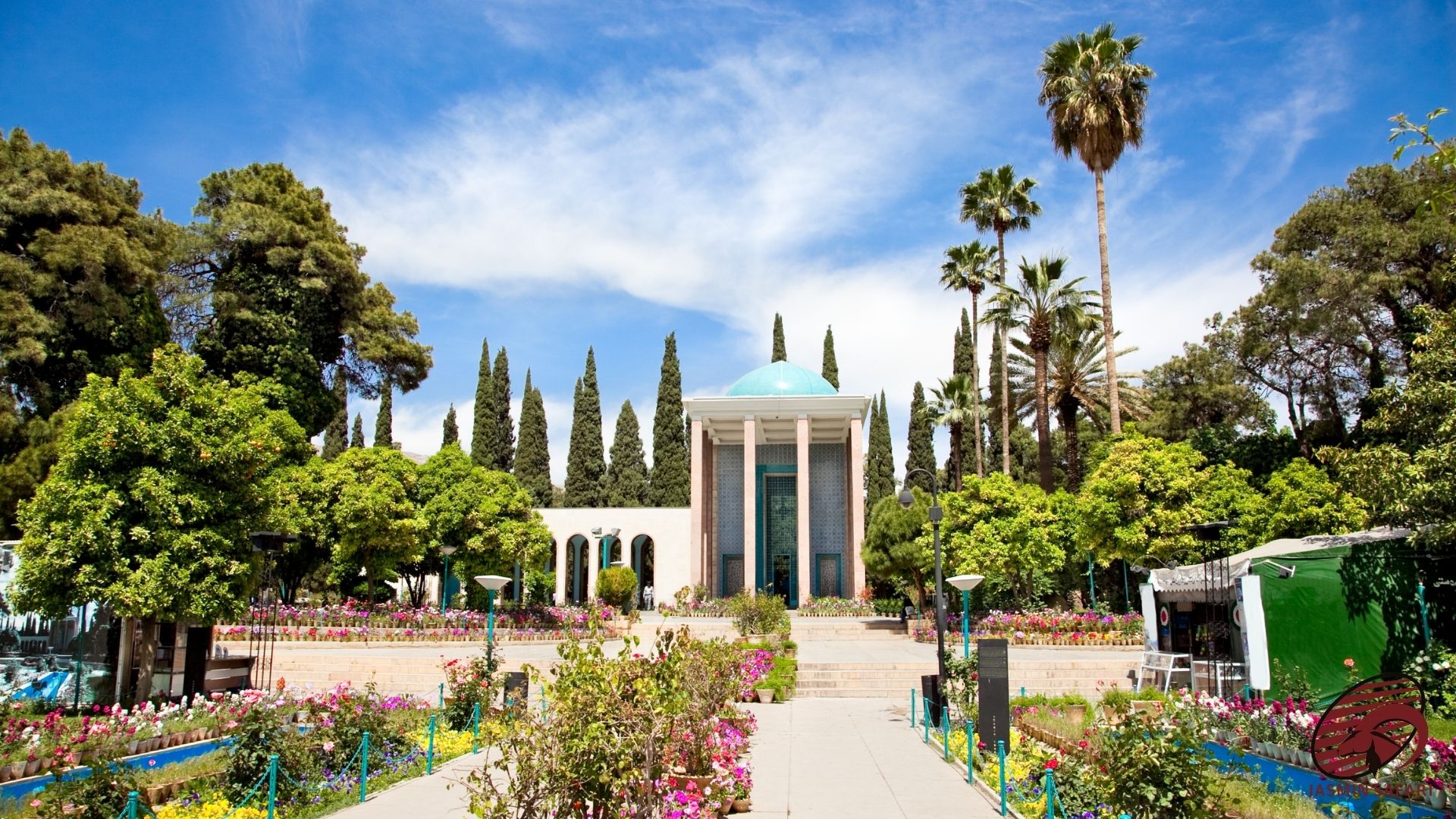
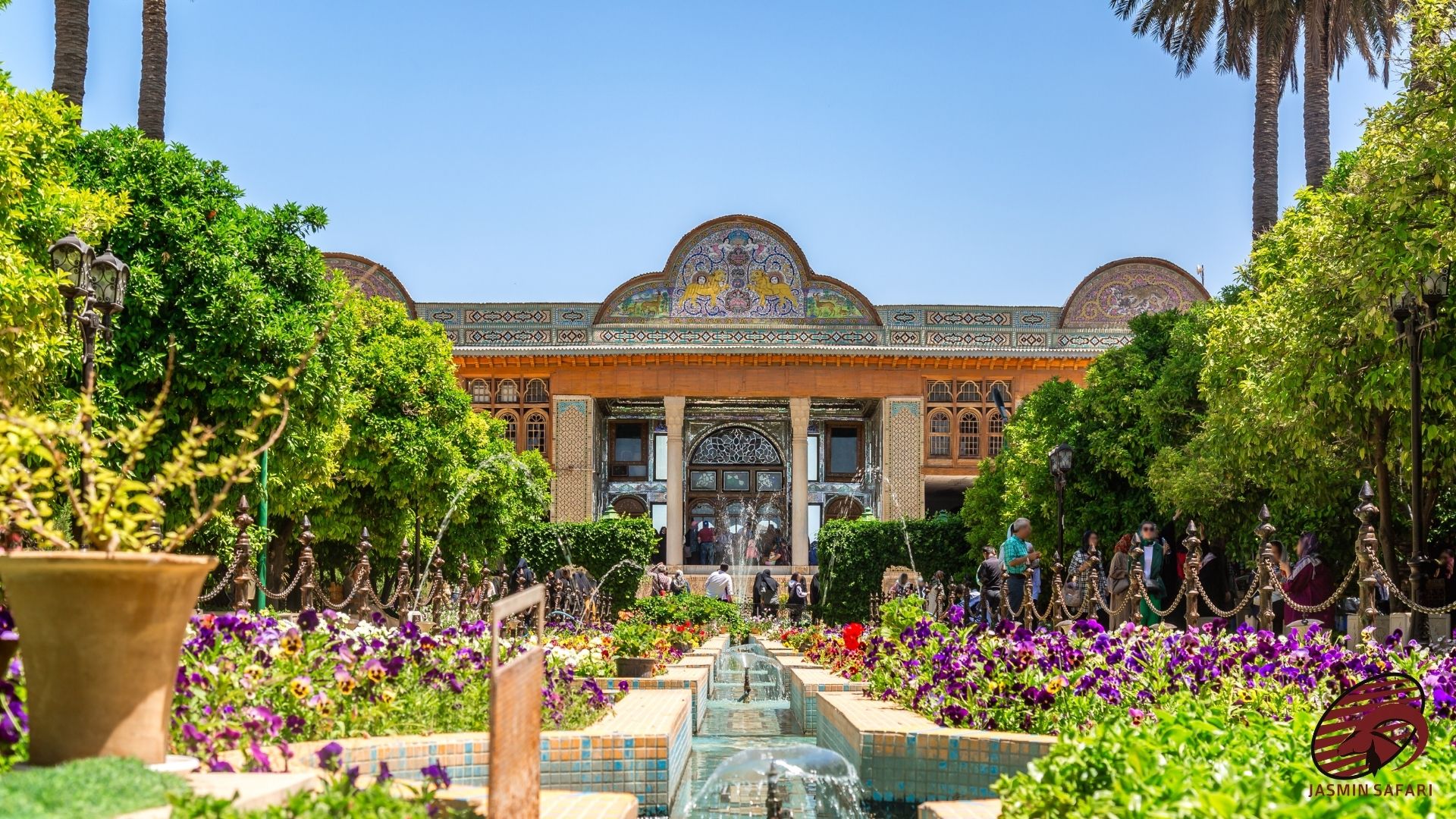
Shiraz holds a uniquely revered place in Iranian culture, famously known as the “Capital of Persian Poetry and Literature,” a title it earned as the home and final resting place of Iran’s two most celebrated poets: Hafez and Saadi. The serene beauty of their mausoleums, set within classical Persian gardens, makes them vital pilgrimage sites for Iranians and lovers of world literature.
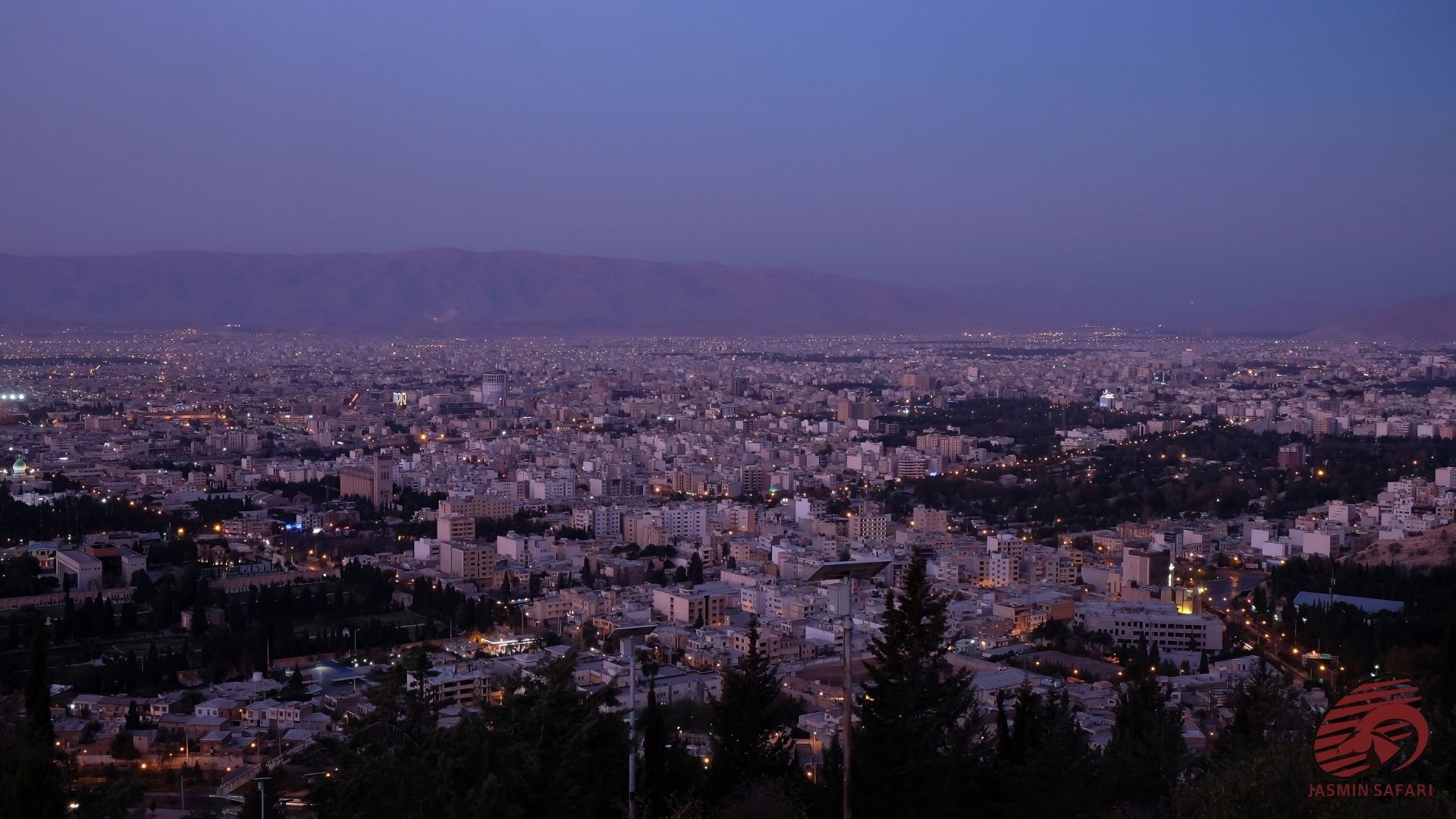
The city is often affectionately called the “City of Orange Blossoms” (Bahar Narenj) due to the fragrant, delicate flowers that bloom across its many parks and traditional courtyards each spring, filling the air with a distinct, heady perfume. Shiraz is the thriving center of Fars Province and benefits from a pleasant, moderate climate in the south of the country.
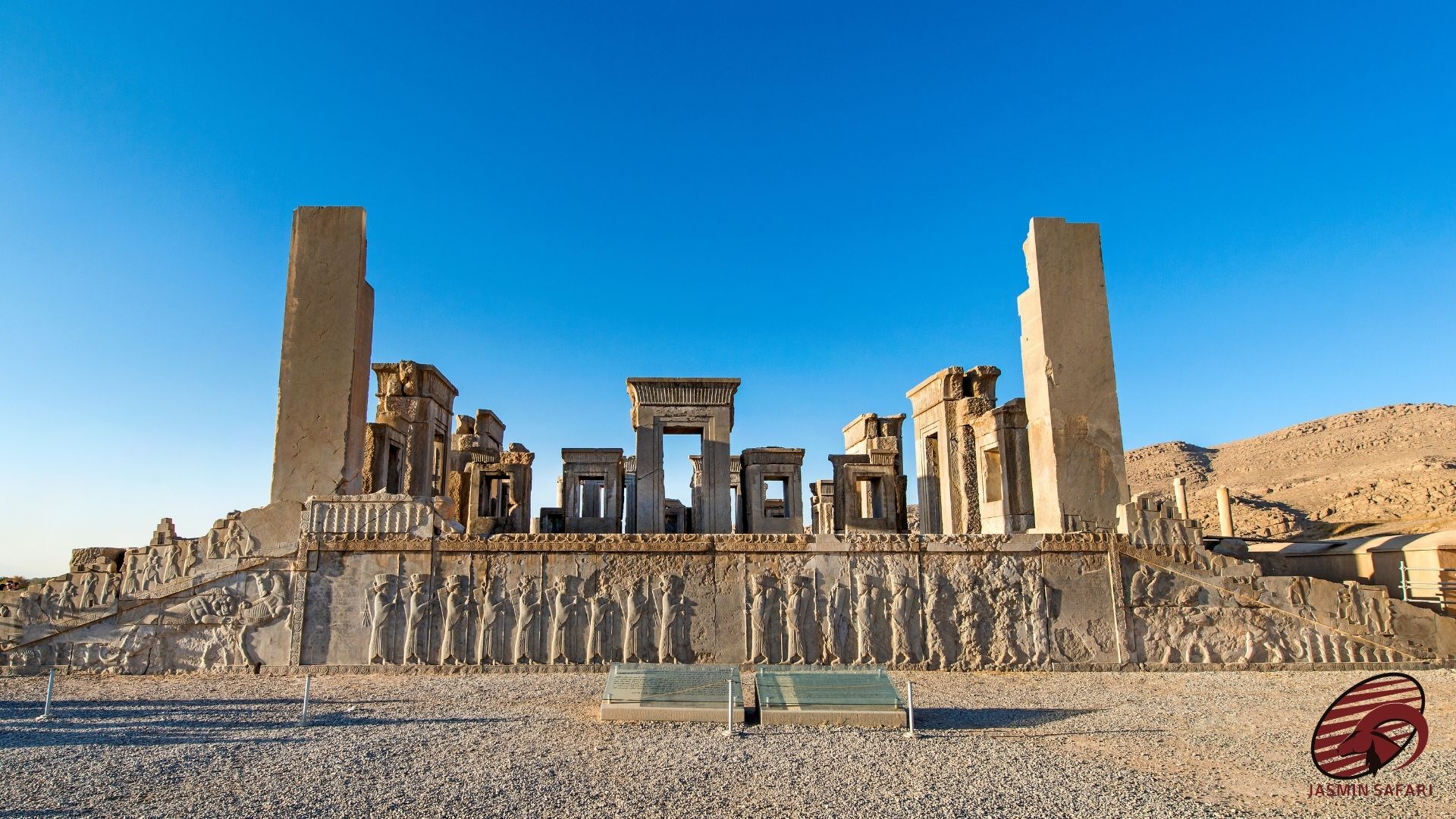
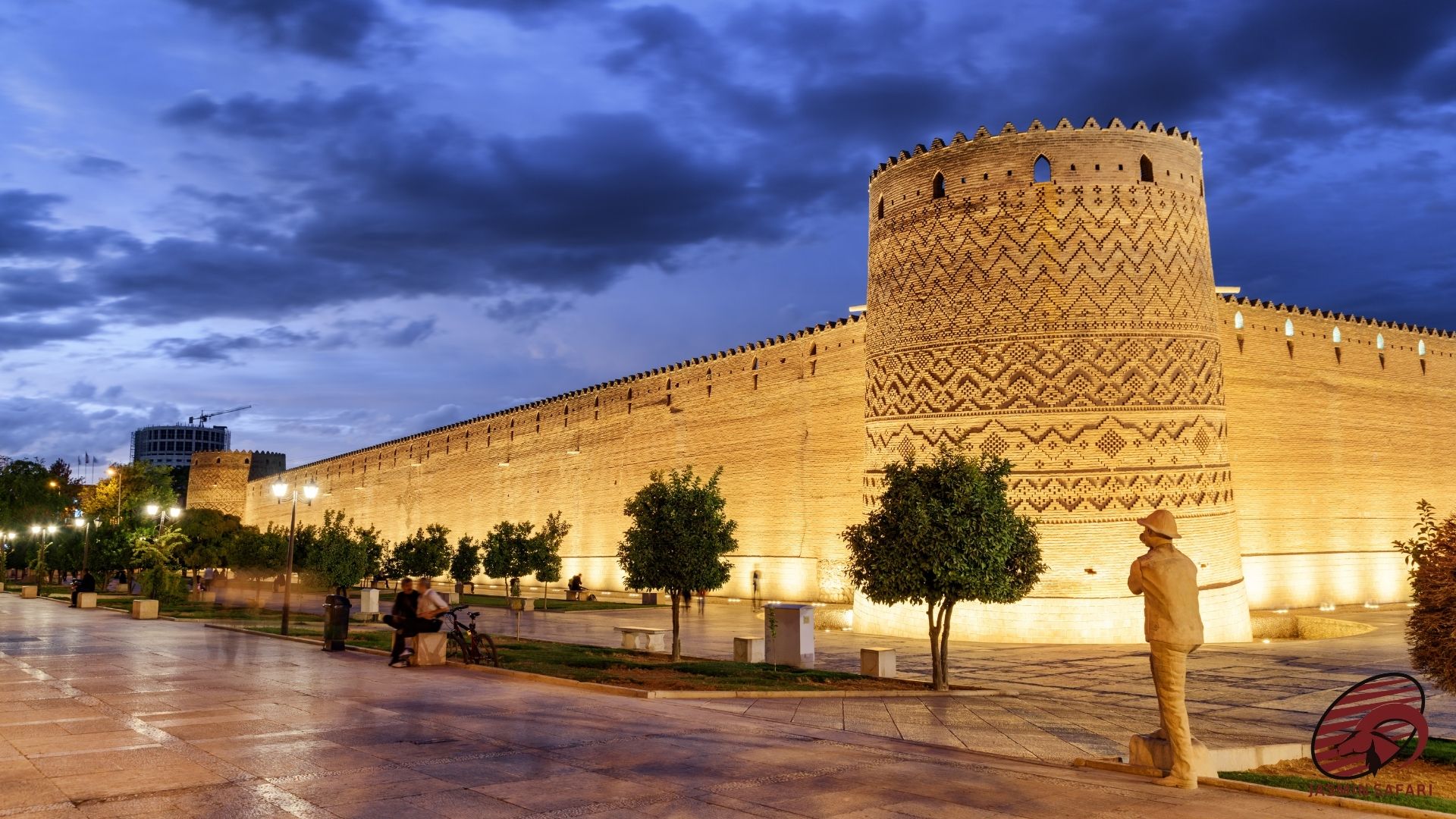
Beyond its poetic fame, Shiraz boasts deep historical roots. As one of Iran’s most beautiful and oldest metropolises, its history stretches back over 6,500 years, placing it at the heart of the ancient Persian world. Its proximity to the foundations of Iranian civilization is underscored by the presence of the magnificent Persepolis (Takht-e Jamshid), the ceremonial capital of the Achaemenid Empire (founded around 515 BC), which is easily accessible from the city and remains one of the world’s most significant archaeological sites.
Today, Shiraz continues to charm visitors with its numerous traditional Persian gardens (like the Bagh-e Eram), beautiful Islamic-era architecture (such as the Nasir al-Mulk ‘Pink’ Mosque), and its vibrant, scholarly atmosphere, making it a crucial stop for anyone exploring Iran’s cultural heritage.
Tabriz: The Historic Gateway and Pioneer of Iran
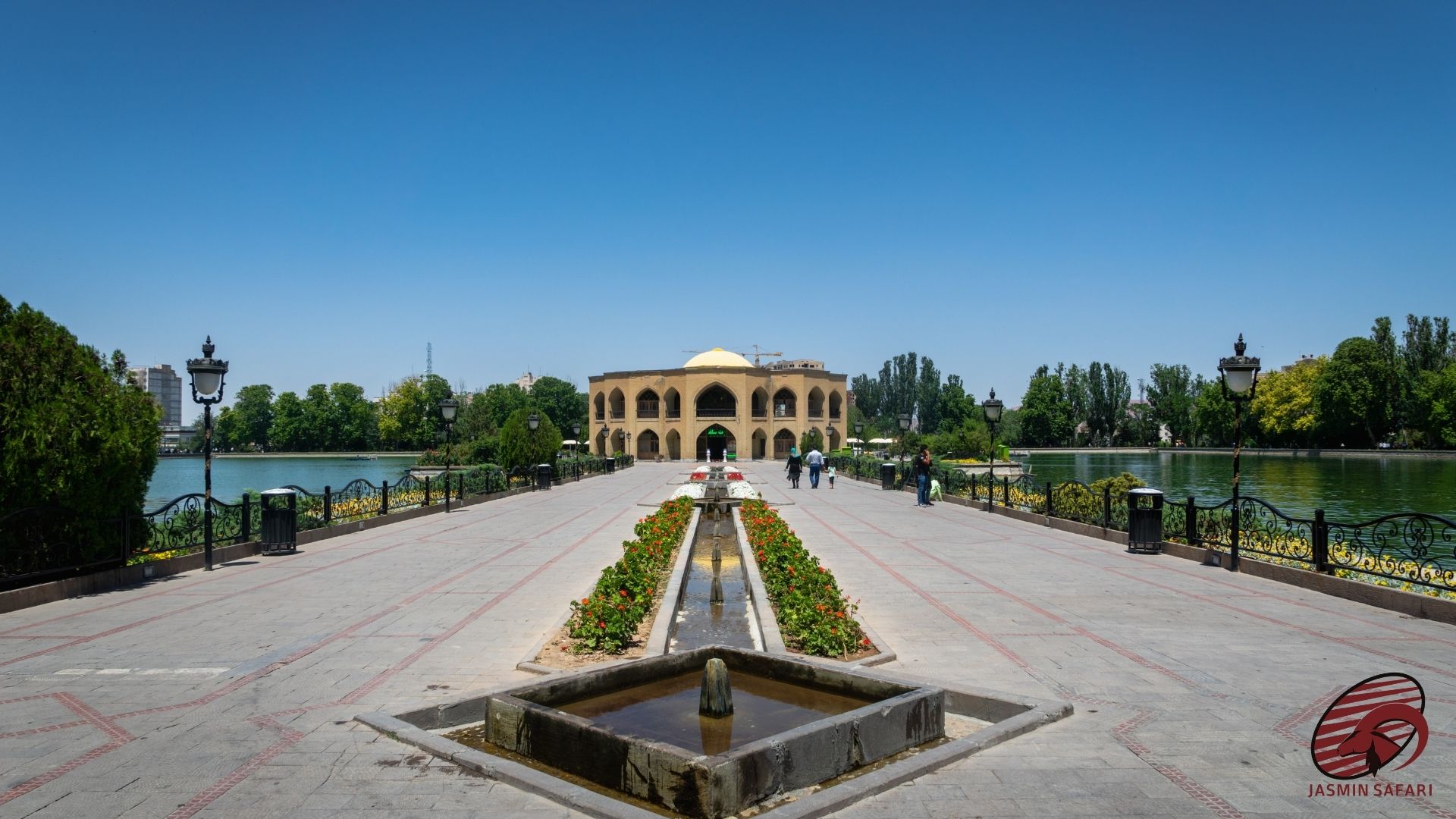
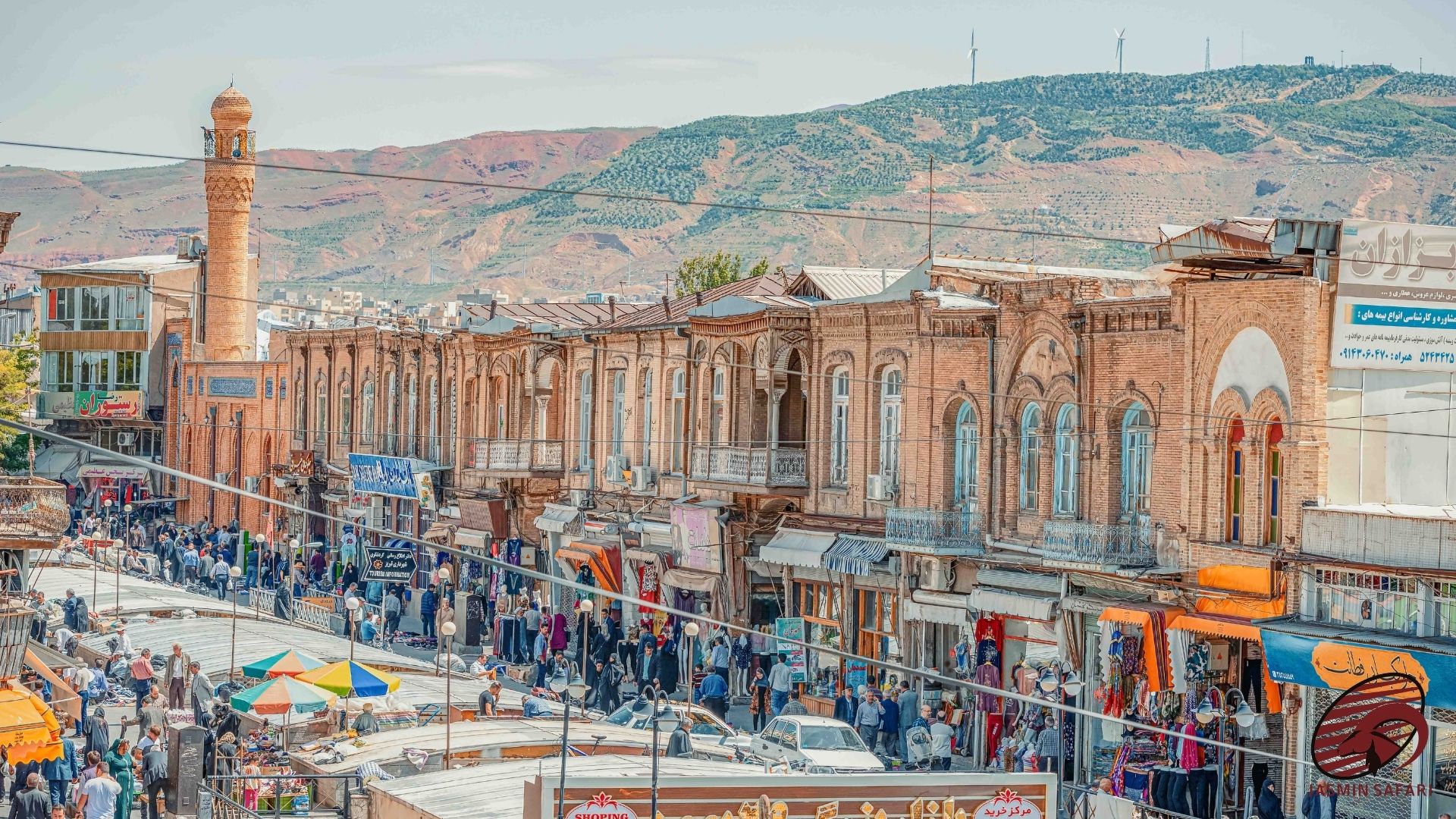
Its strategic location made it one of the most vital hubs on the historic Silk Road. For centuries, this allowed Tabriz to flourish as a major center for international trade and a crucial cultural and political capital, particularly during the Ilkhanate and Safavid dynasties.
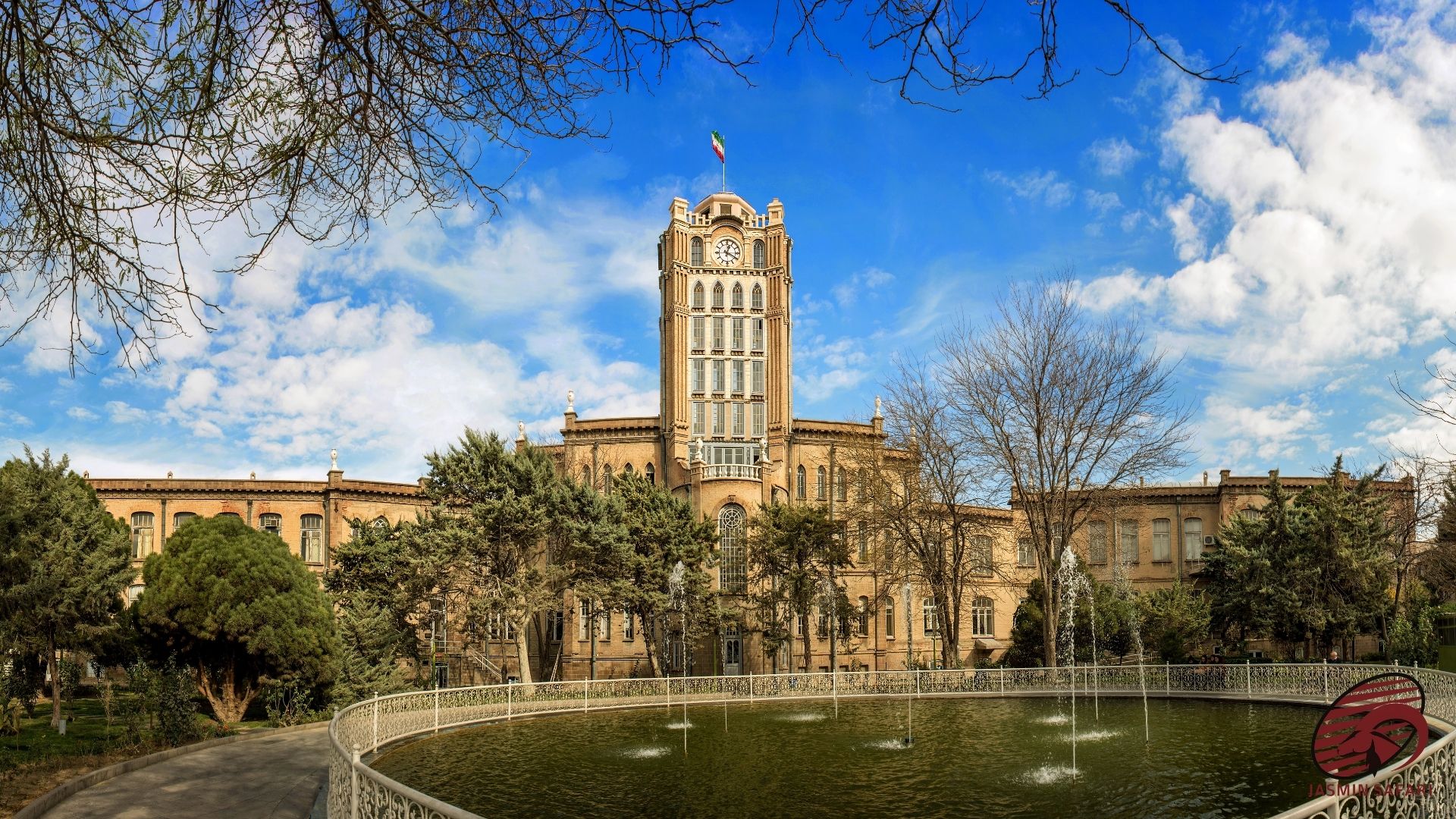
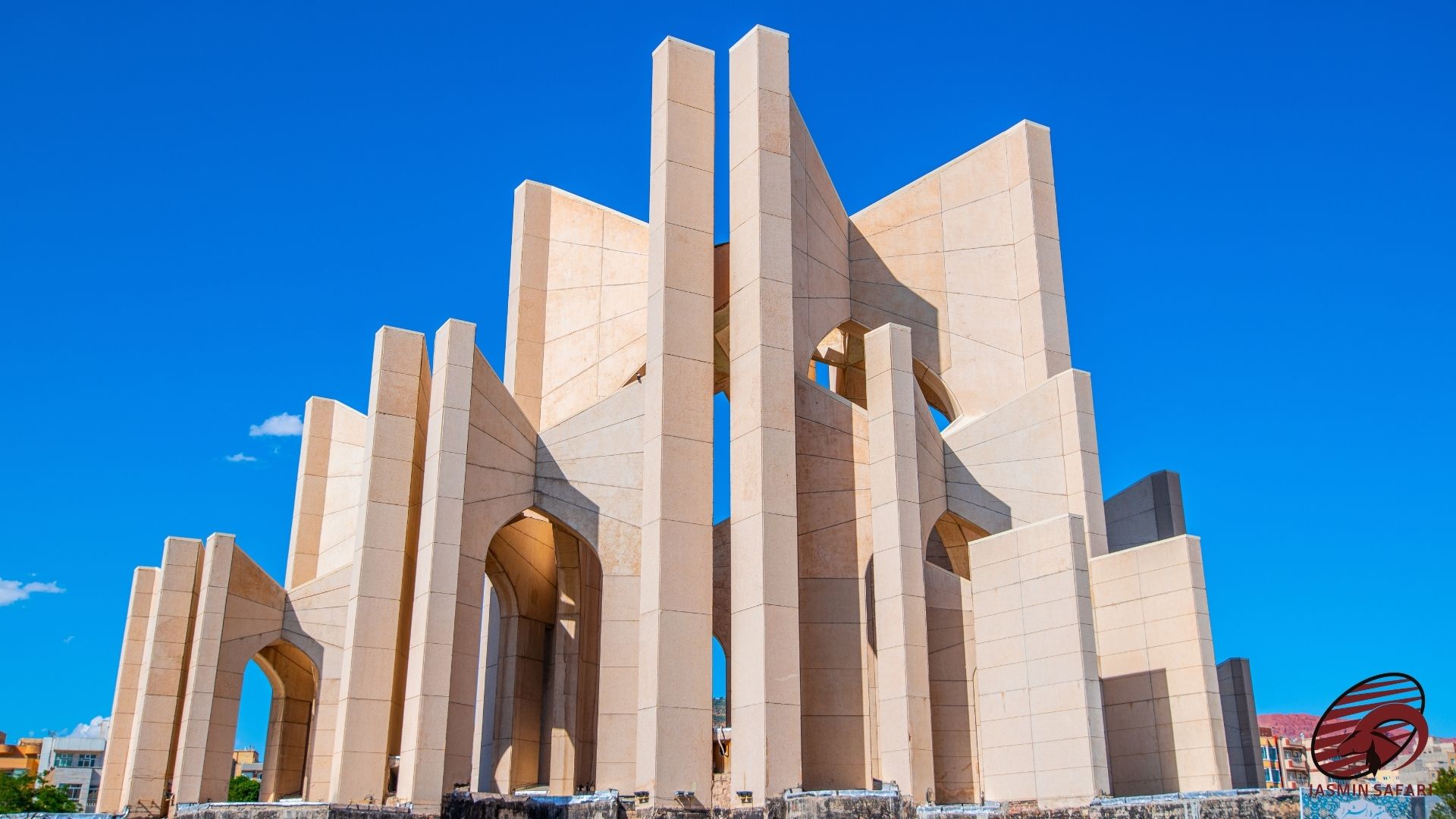
This legacy of pioneering spirit continues today, giving Tabriz the moniker “The City of Firsts.” This title reflects its role in introducing many of Iran’s first modern institutions, including the first public library, the first printing press, and the first modern schools, making it a cradle of Iran’s constitutional and intellectual movements.
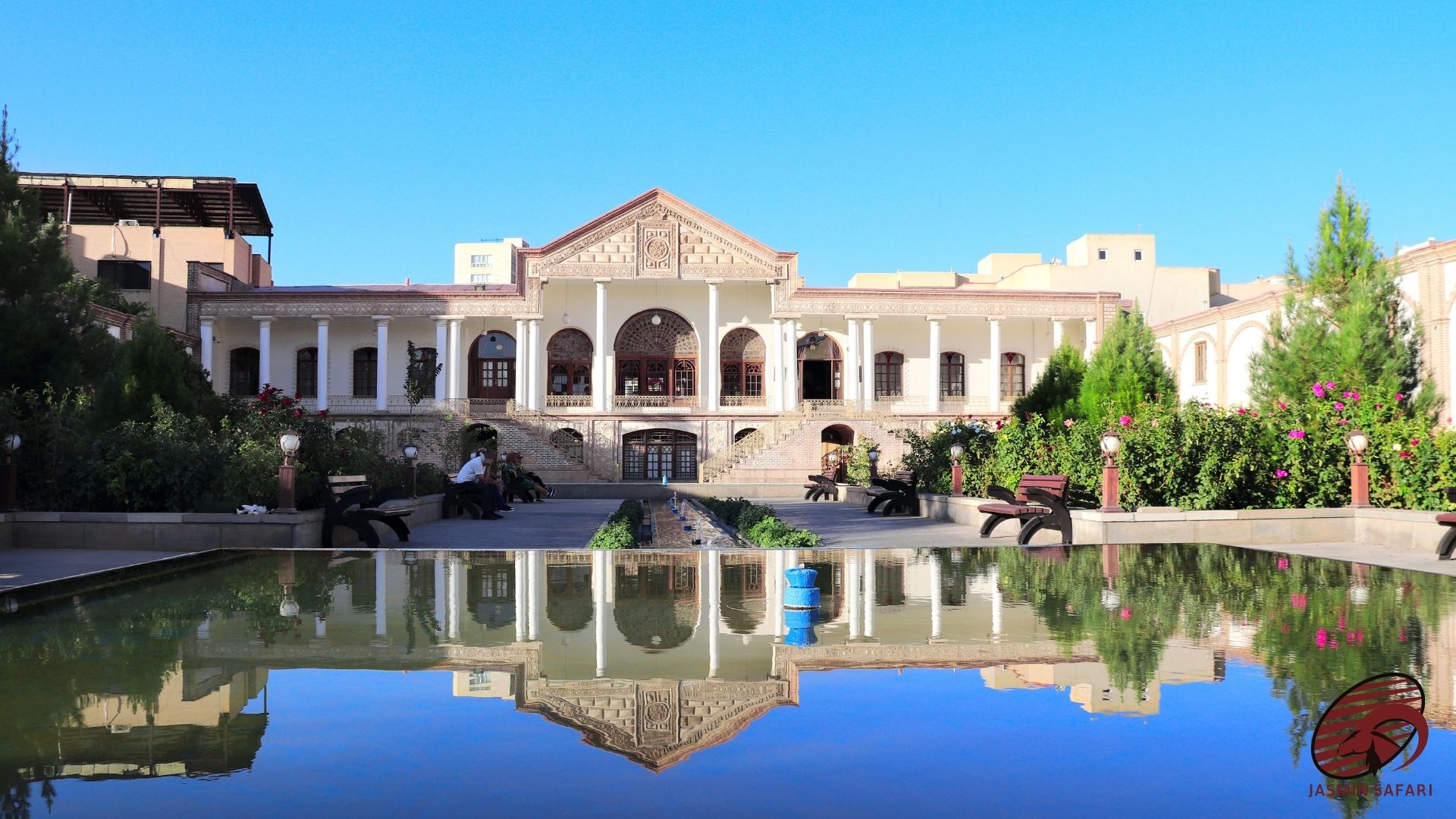
Culturally and commercially, Tabriz remains vibrant. The city is internationally famous for its craftsmanship; its ancient Historic Bazaar Complex (a UNESCO World Heritage site) is a testament to its trading past. Today, visitors seek out its globally renowned carpets, high-quality leather goods, and its rich array of nuts, dried fruits, and famous Tabrizi sweets.
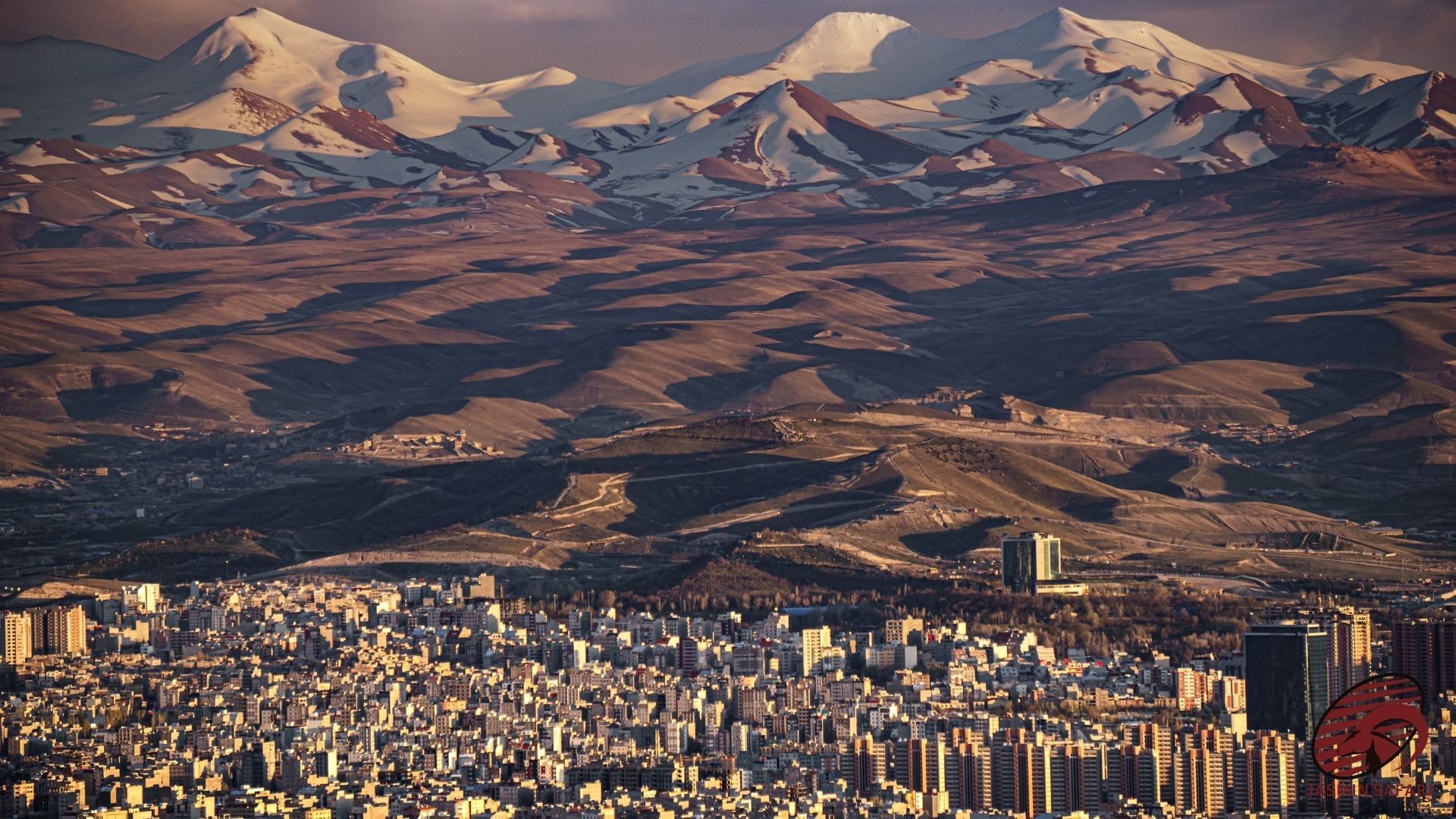
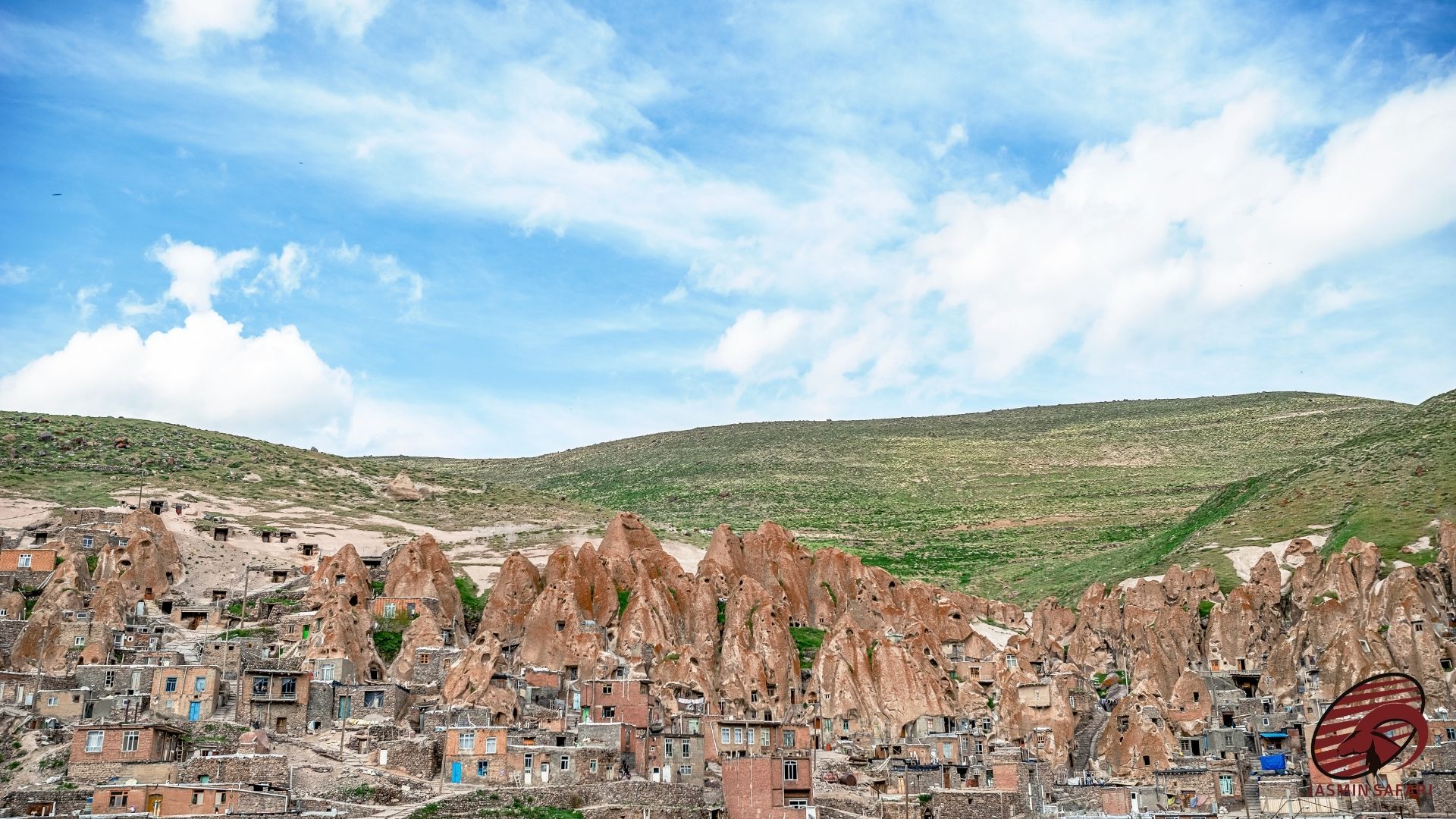
Given its proximity to the rugged Alborz and Caucasus mountains, the climate of Tabriz is cold and mountainous. This geography dictates the local lifestyle, architecture, and even the local cuisine, while also contributing to the stunning natural scenery that surrounds the easily accessible tourism and accommodation services.
Kerman Province: A Land of Deserts, History, and Diversity
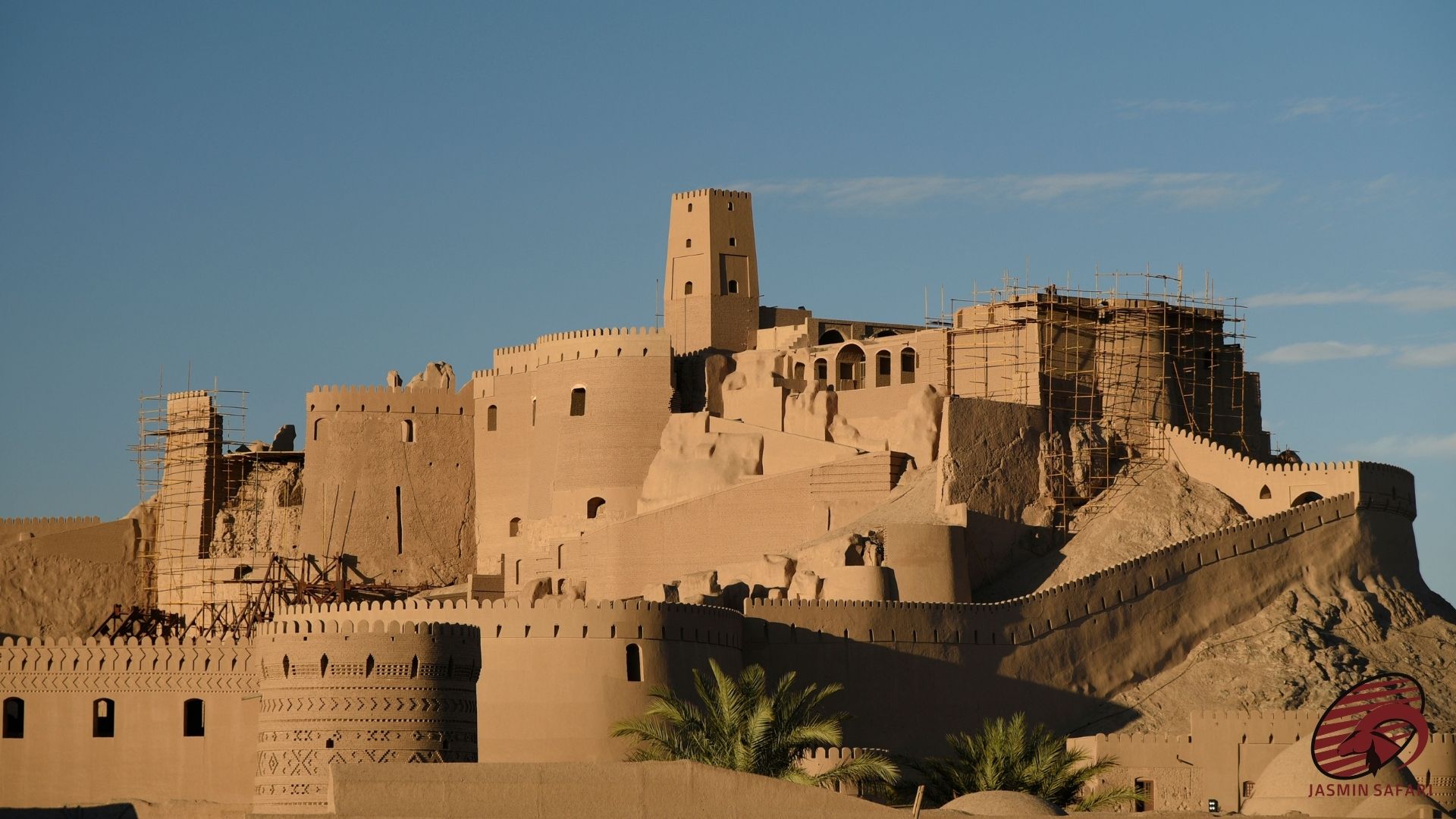
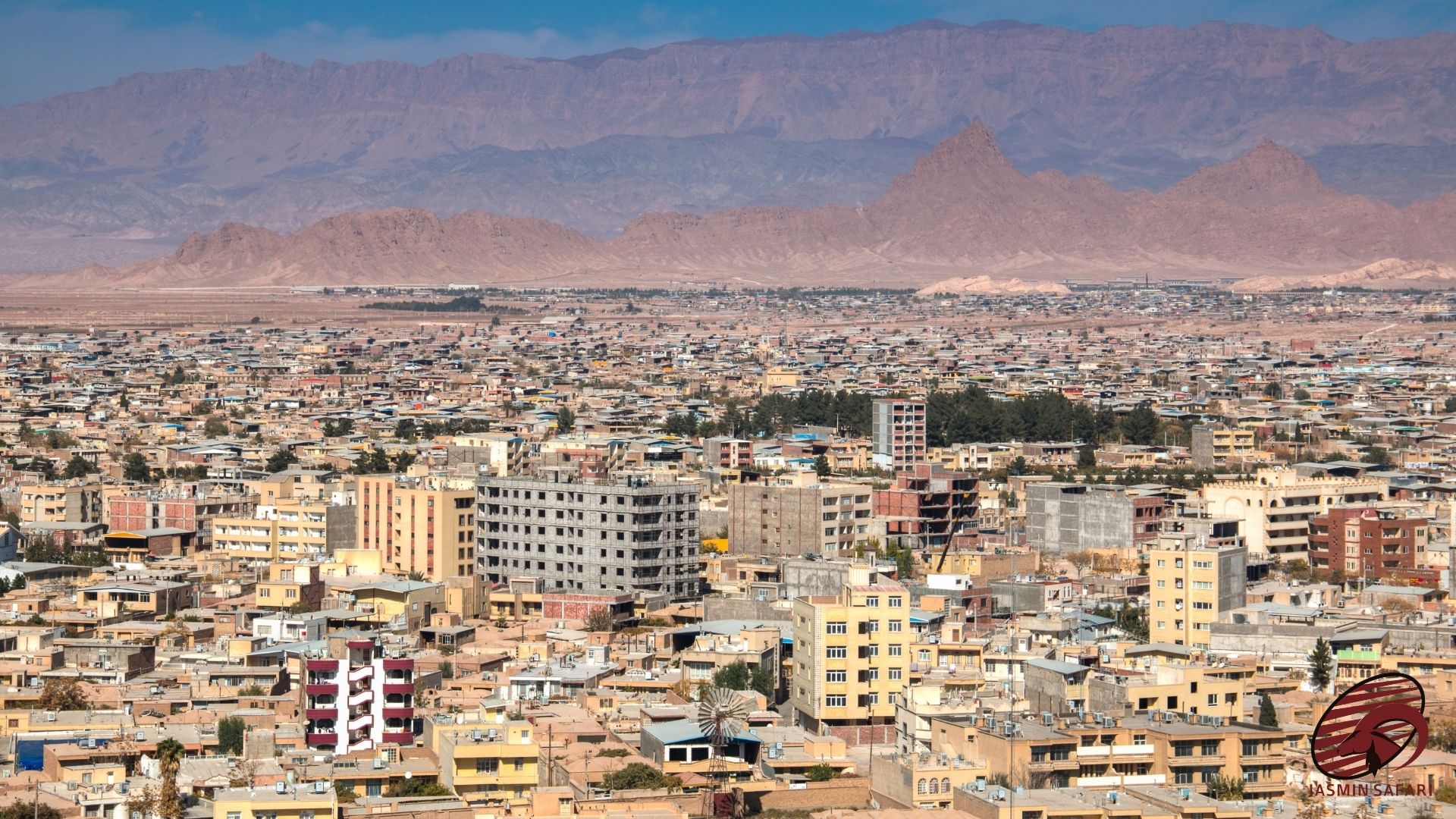
Kerman Province, located in the arid southeastern expanse of Iran, is distinguished as one of the country’s most expansive, historically rich, and geographically diverse regions. It serves as a crucial link between the central plateau and the eastern borders.
The province is perhaps most famous for its otherworldly desert landscapes. It is home to significant portions of the Lut Desert (Dasht-e Lut), a UNESCO World Heritage site renowned for its stunning kaluts (massive, wind-carved yardang formations) and holding the record for some of the highest recorded surface temperatures on Earth. This makes Kerman a premier destination for adventurous desert ecotourism.
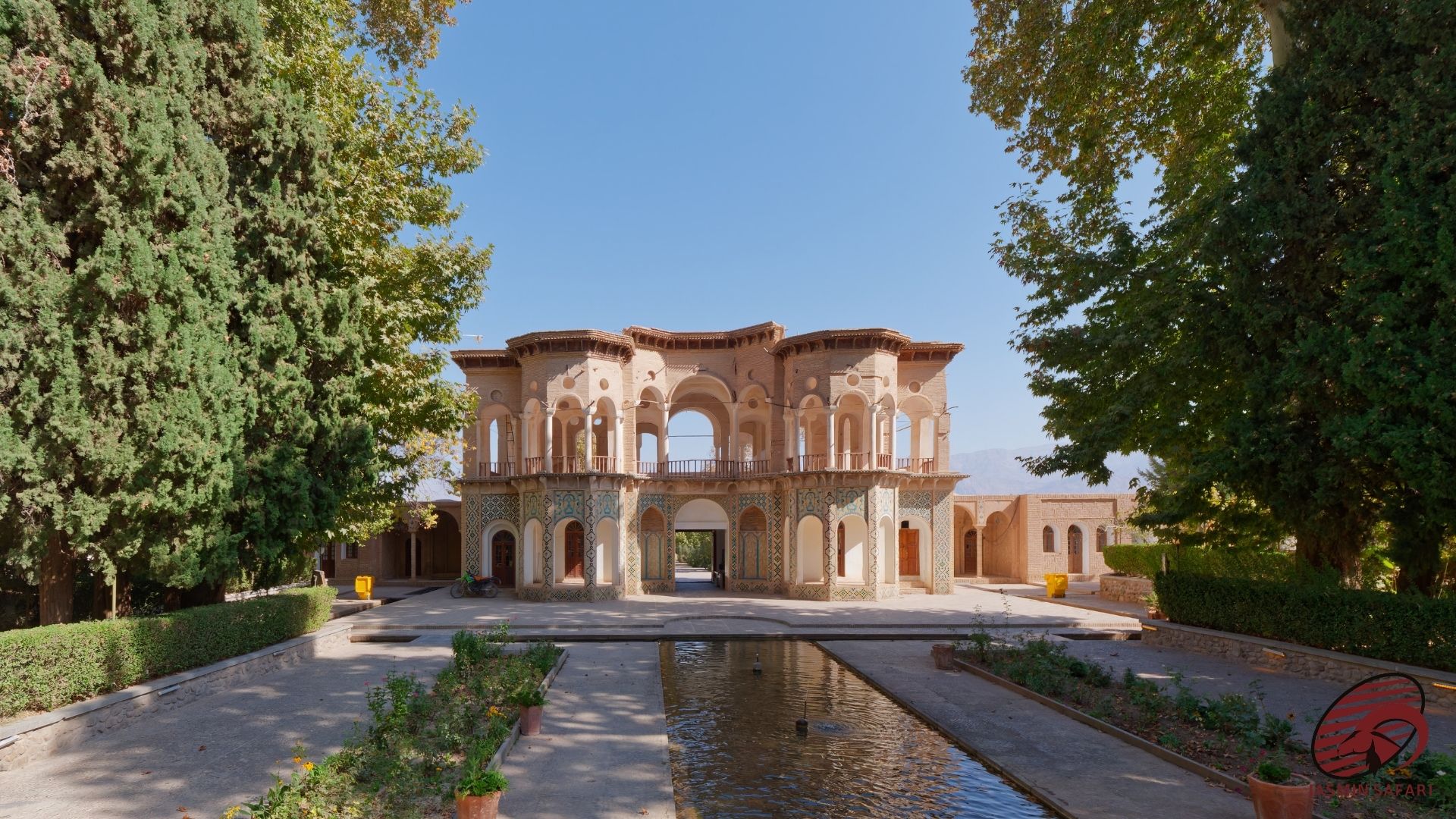
While the climate is characterized by hot, dry summers and cold, dry winters, this harsh environment has fostered unique and resilient civilizations. The historical legacy is evident in the province’s culture and architecture, including magnificent oases like the Shazdeh Garden and the numerous ancient qanats (underground water channels) that sustained life here for millennia.
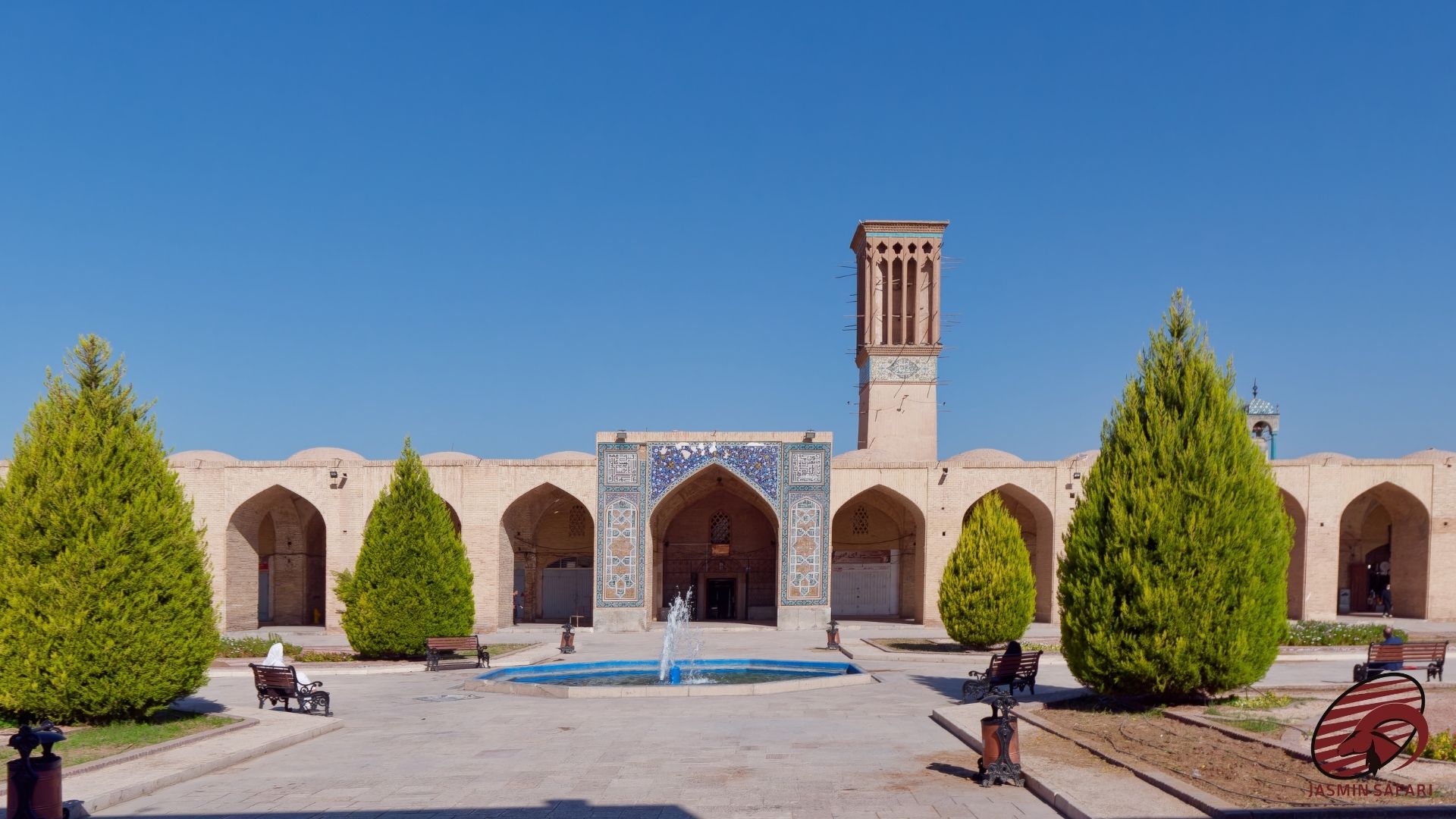
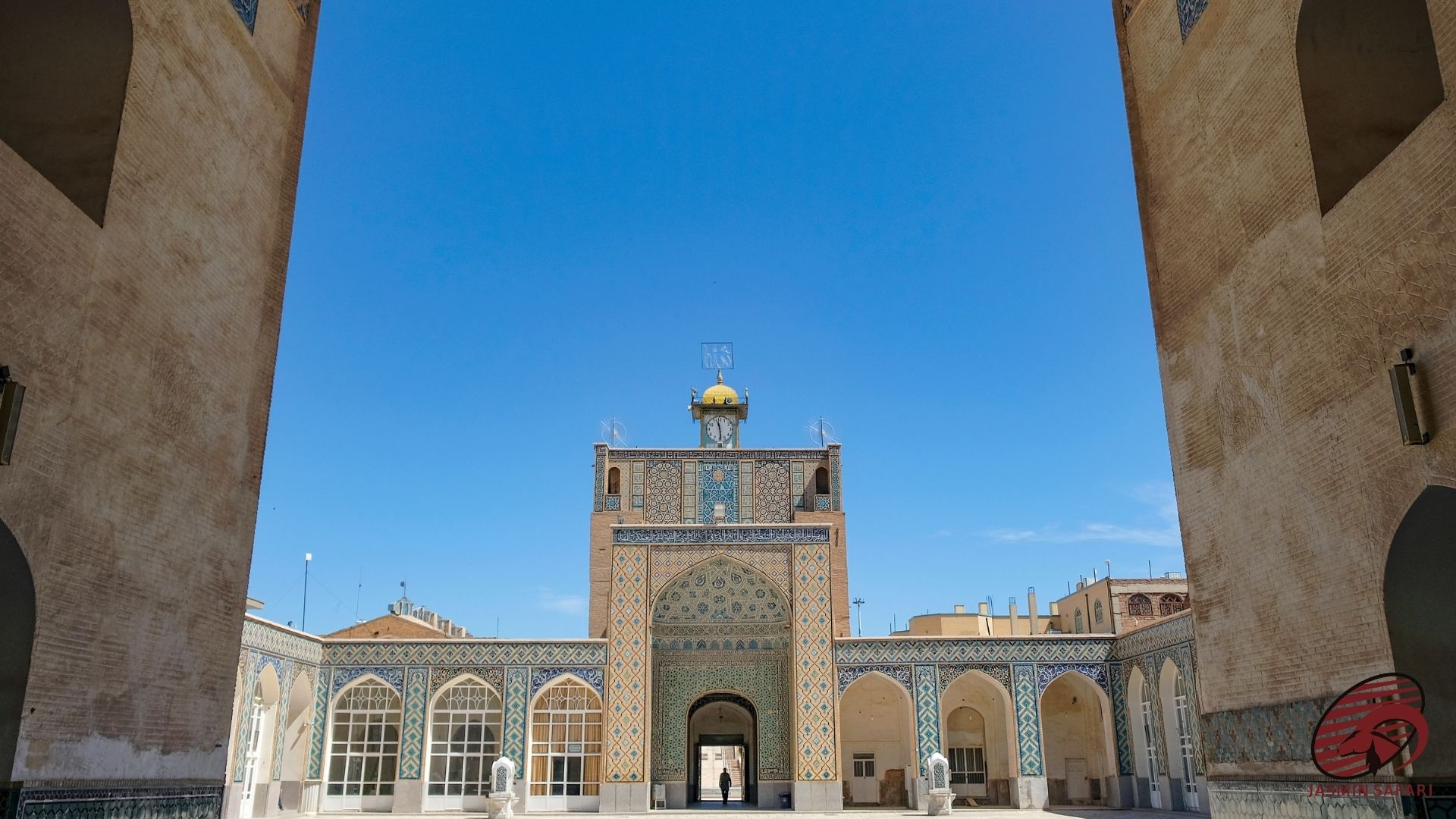
For tourists, the province’s enduring charm lies in its centers of trade and culture: the capital city of Kerman boasts impressive old bazaars and complexes (like the Ganjali Khan Complex), alongside its beautiful historic gardens, which stand as green refuges against the surrounding desert, consistently drawing visitors seeking a glimpse into ancient Persian life.
Isfahan: “Half the World” and the Jewel of Islamic Architecture
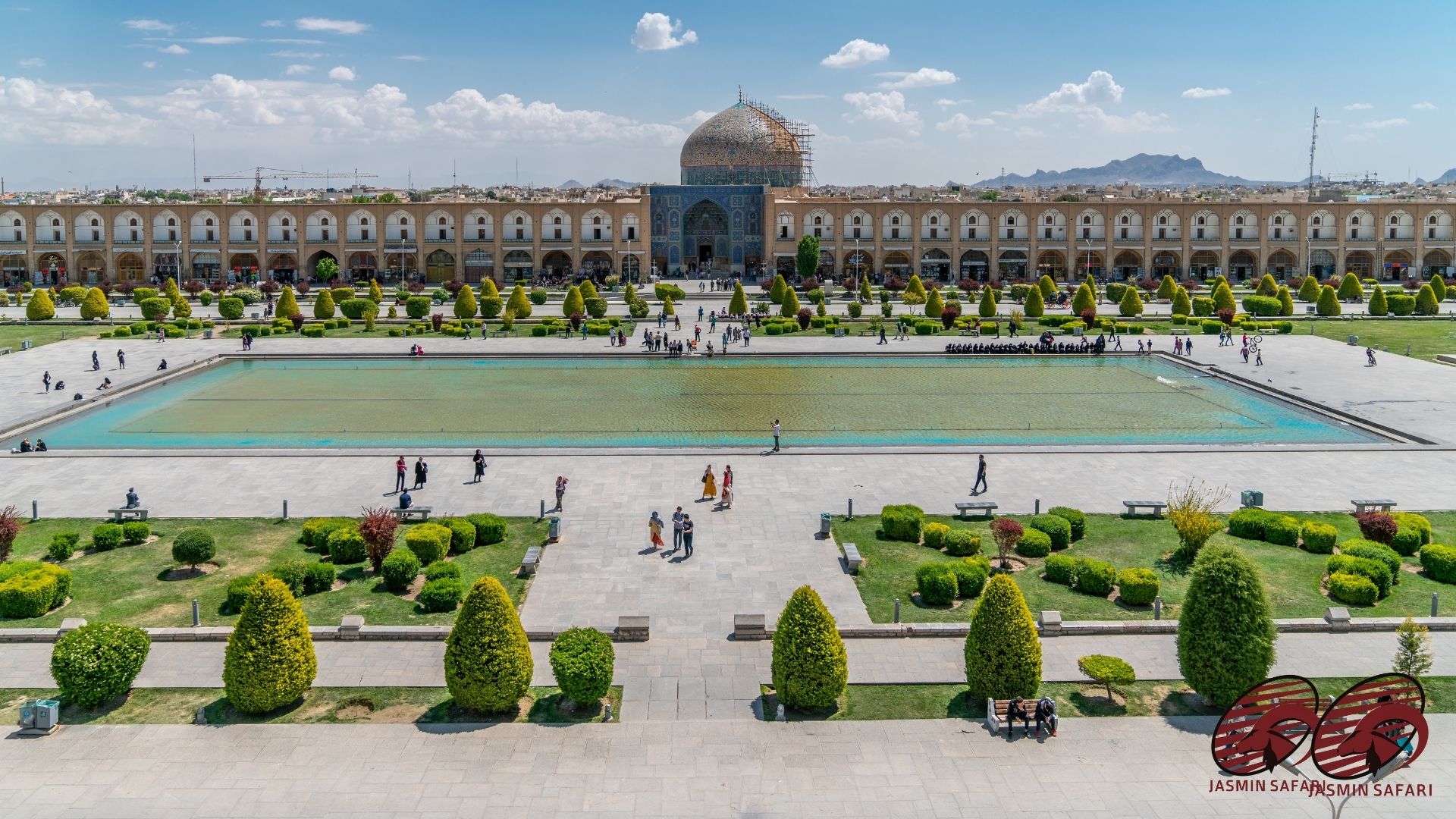
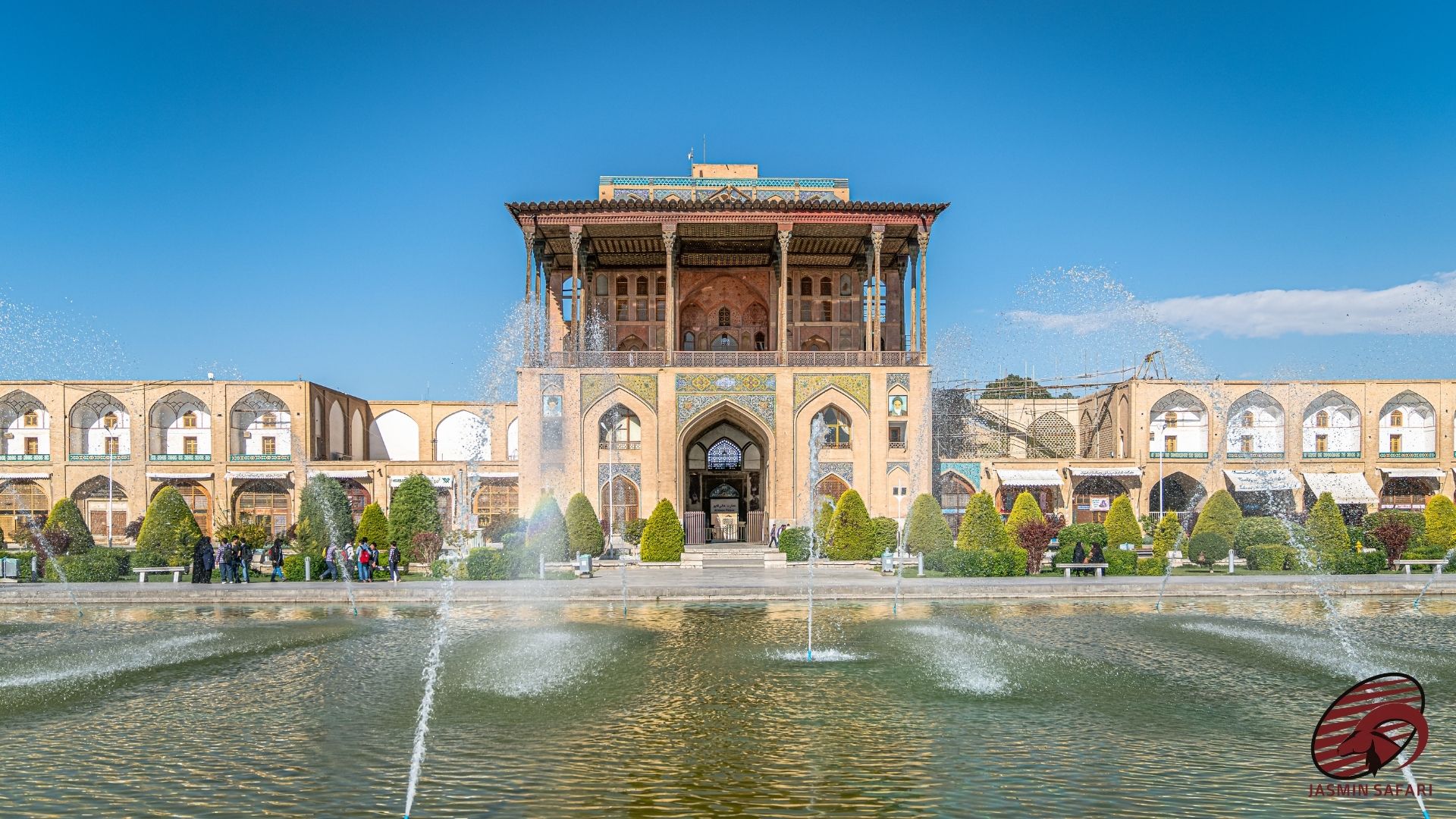
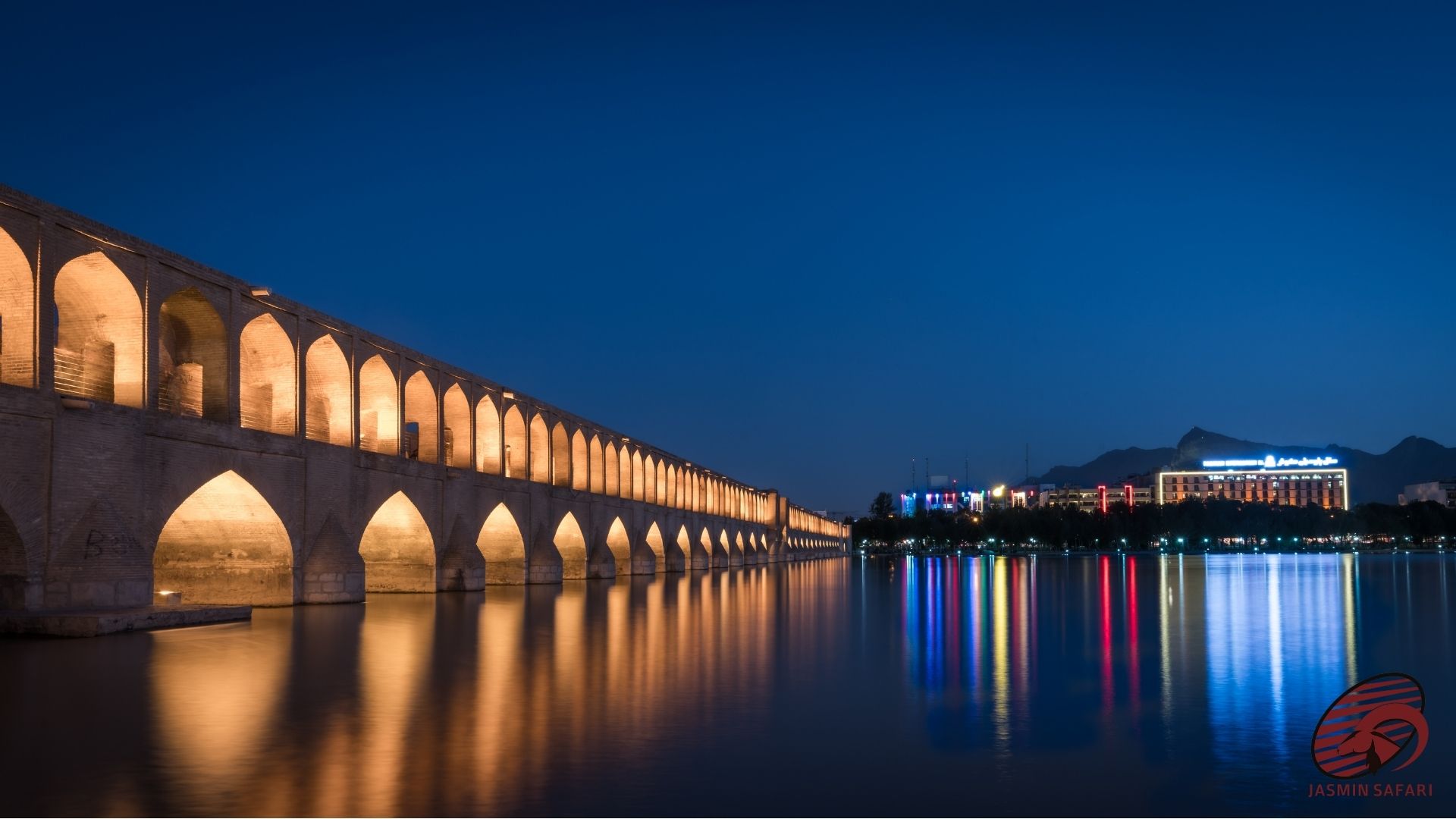
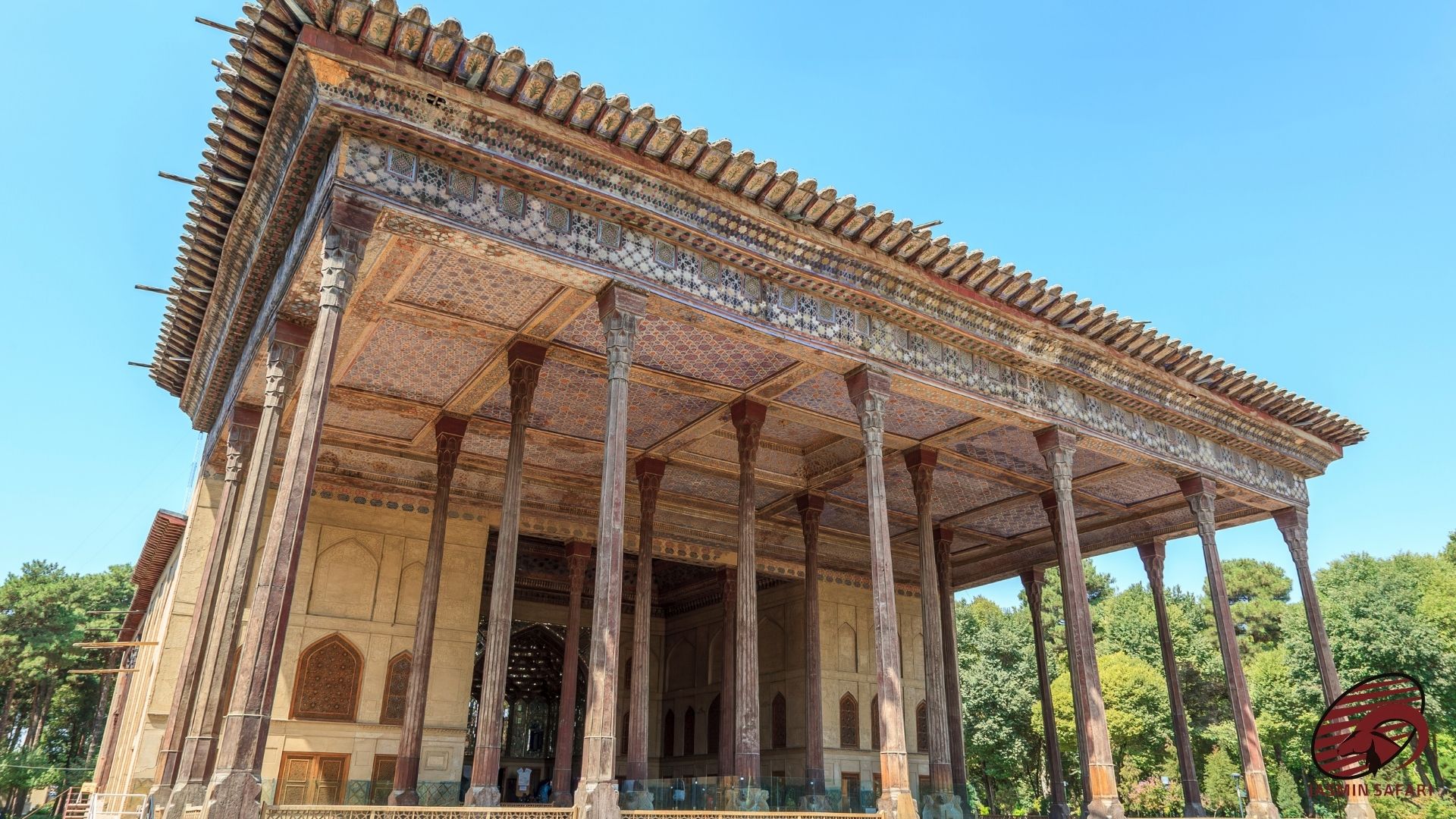
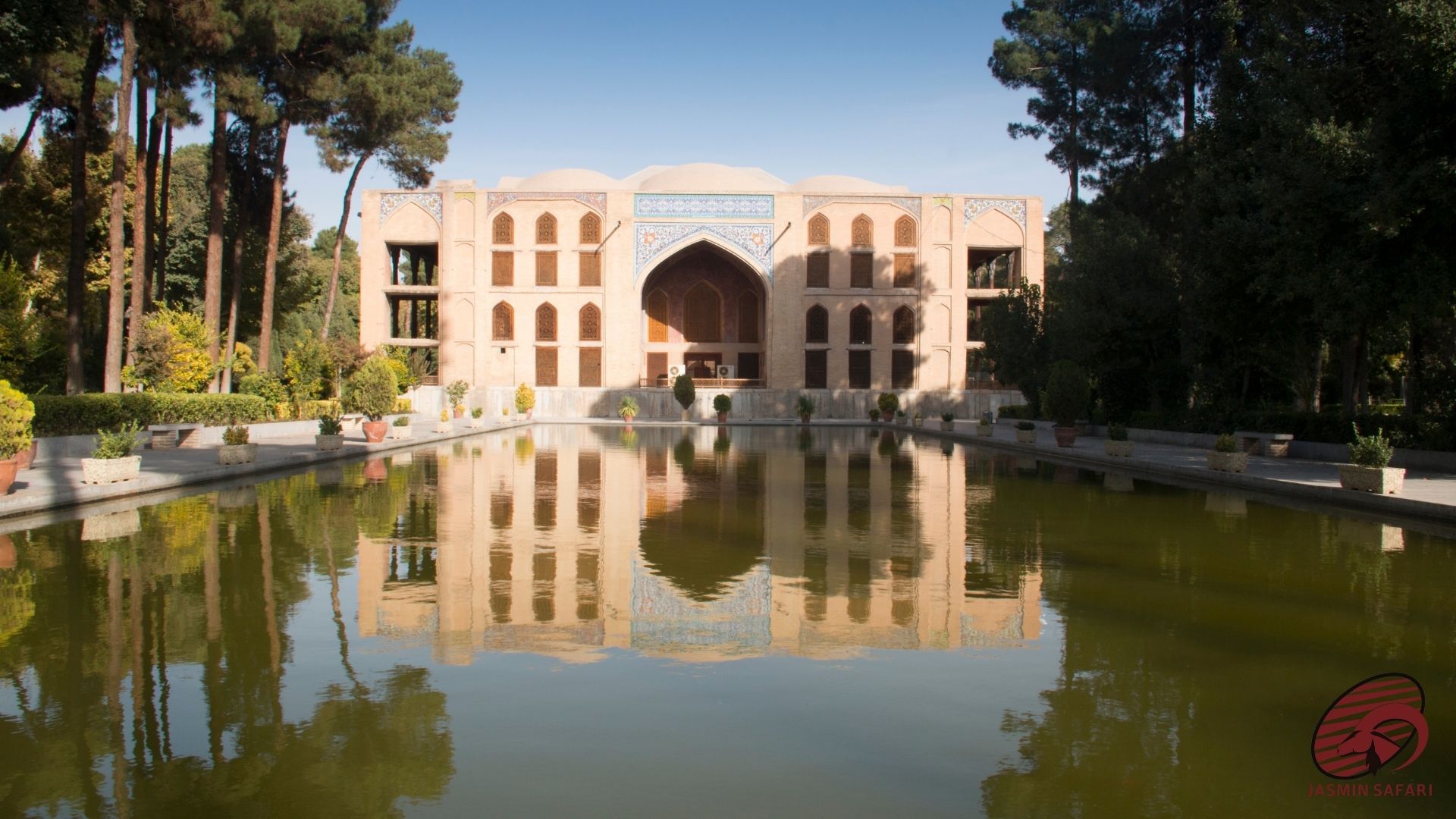
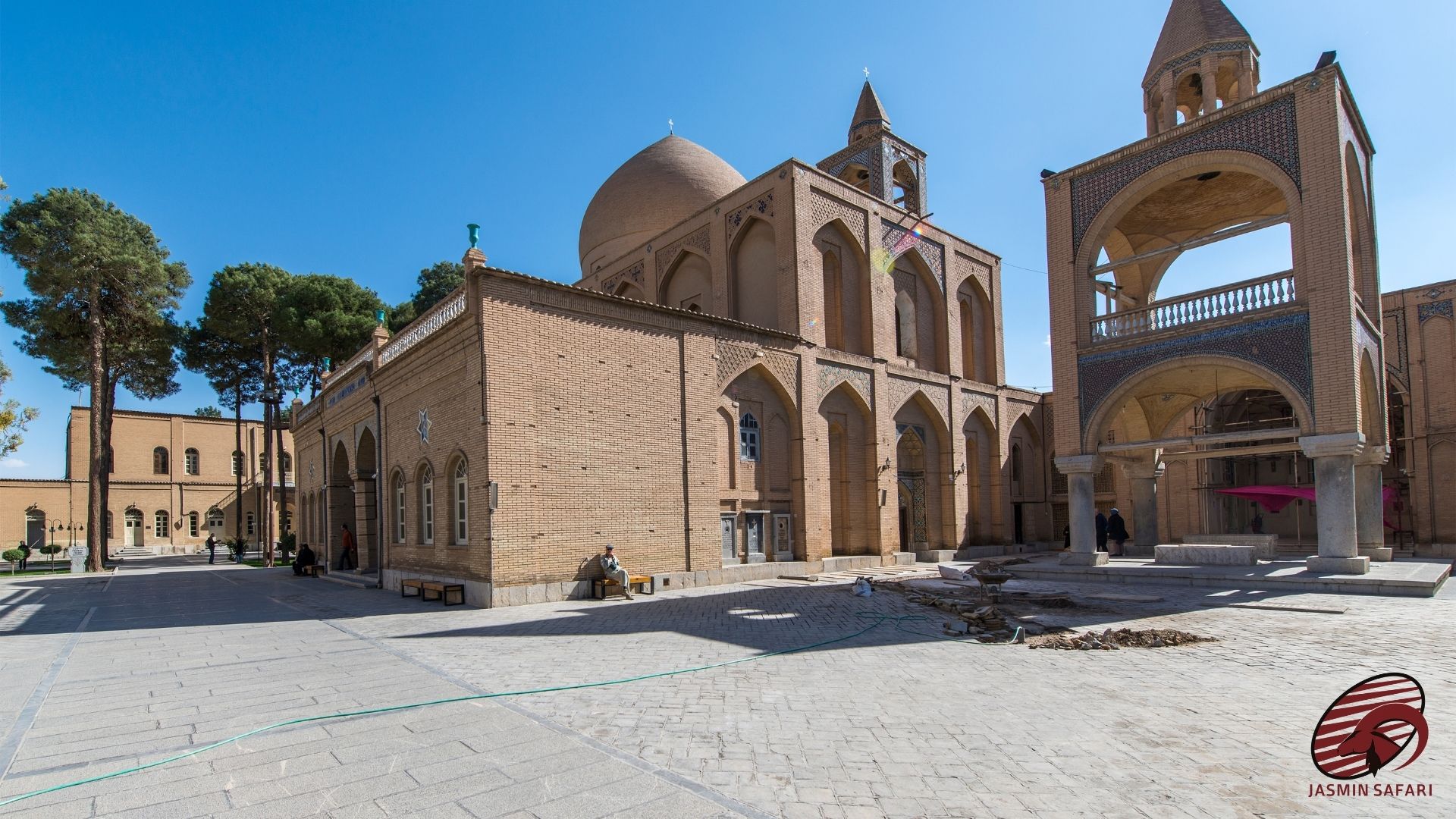
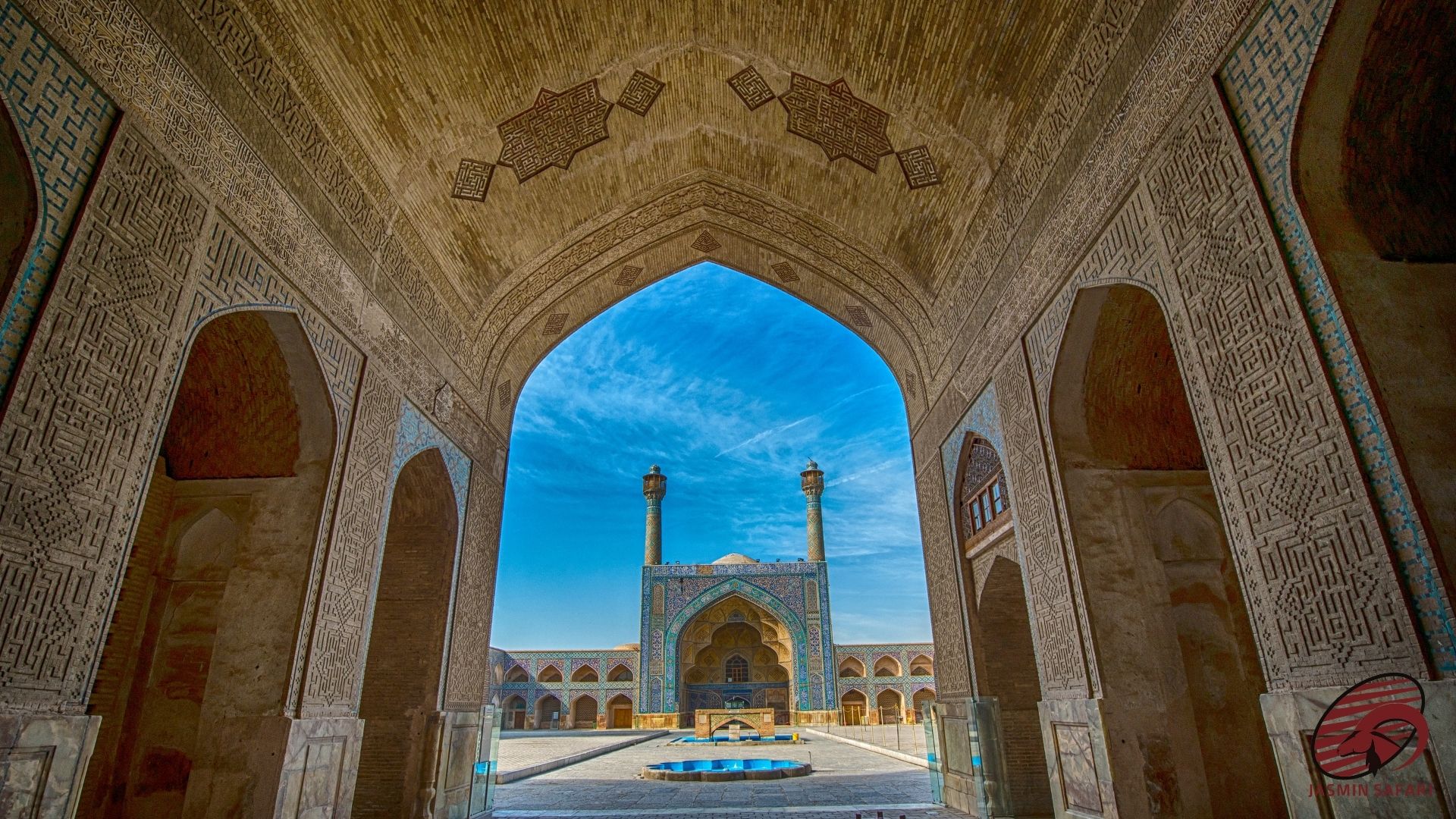
Isfahan is arguably Iran’s most dazzling cultural showcase, historically nicknamed “Nesf-e-Jahan” (“Half the World”)—the belief being that seeing Isfahan was akin to seeing half the world itself. This city, with its magnificent architecture, stands as the zenith of Safavid-era urban planning and Islamic art.
The city’s historical importance is concentrated around the Naqsh-e Jahan Square (a UNESCO World Heritage site), which is the centerpiece of its glory. This square is surrounded by some of the world’s most breathtaking structures, including the Imam Mosque and the Sheikh Lotfollah Mosque, whose intricate tilework and design mastery have earned numerous historical buildings in Isfahan UNESCO recognition.
Geographically, Isfahan is located near the Zagros Mountain range, giving it a dry and moderate climate that has historically made it a sustainable crossroads for trade.
Economically and culturally, Isfahan is synonymous with fine Iranian artistry. It remains the undisputed center of Iranian handicrafts, where visitors can witness the creation of globally renowned goods like hand-woven carpets, delicate silk textiles, beautiful pottery, and exquisite miniature paintings (miniatur).
This perfect storm of historical preservation, architectural splendor, and vibrant artistic production ensures that Isfahan remains one of the most touristic cities in Iran. Supported by comprehensive tourism facilities and a suitable public transportation system, exploration is made easy. For any visitor, the experience is incomplete without immersing oneself in the atmosphere of the traditional bazaars, exploring hidden workshops, and, of course, acquiring delicious local souvenirs like gaz (a nougat-like candy).
Yazd: The World’s First Adobe City and Desert Oasis
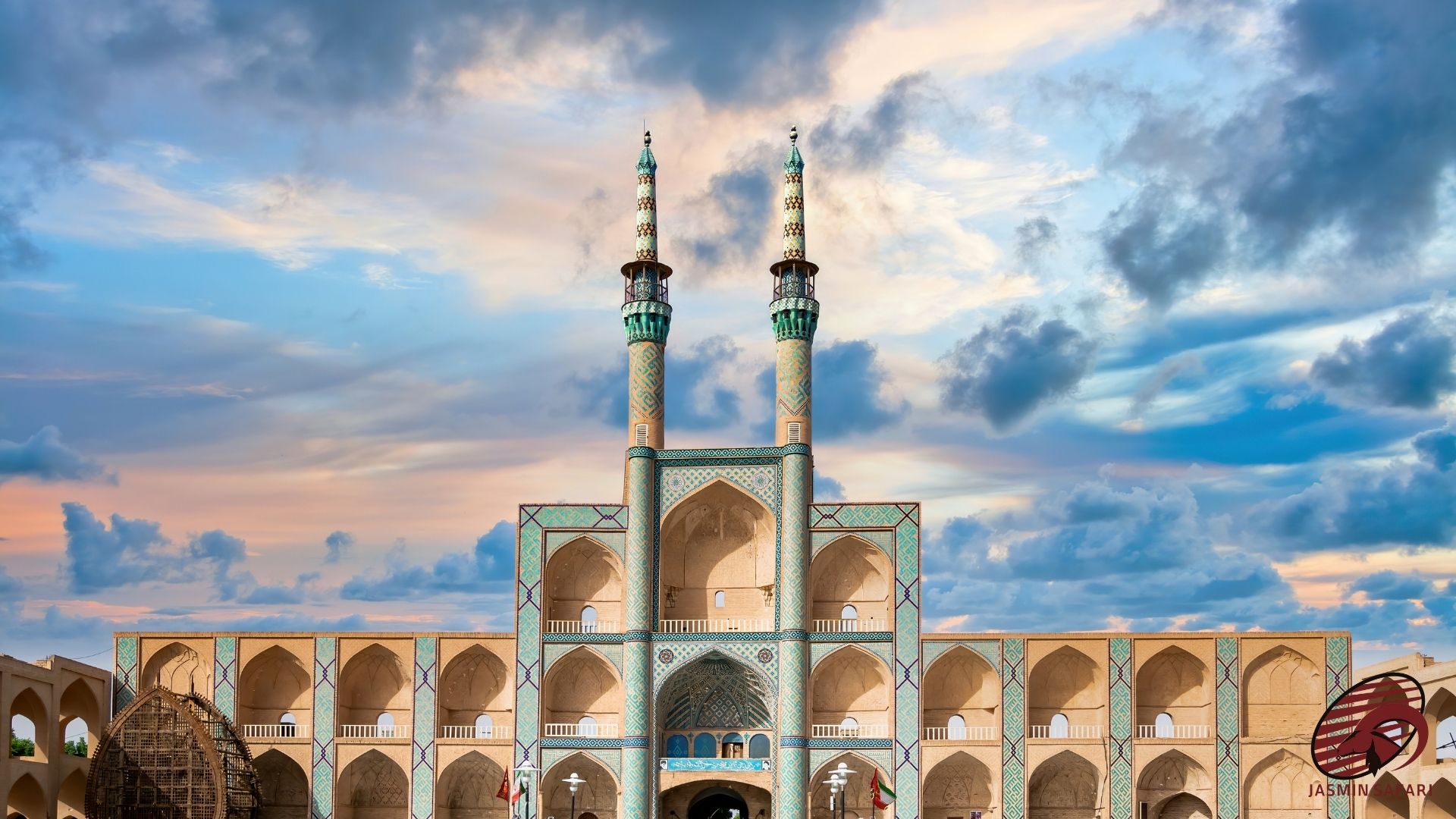
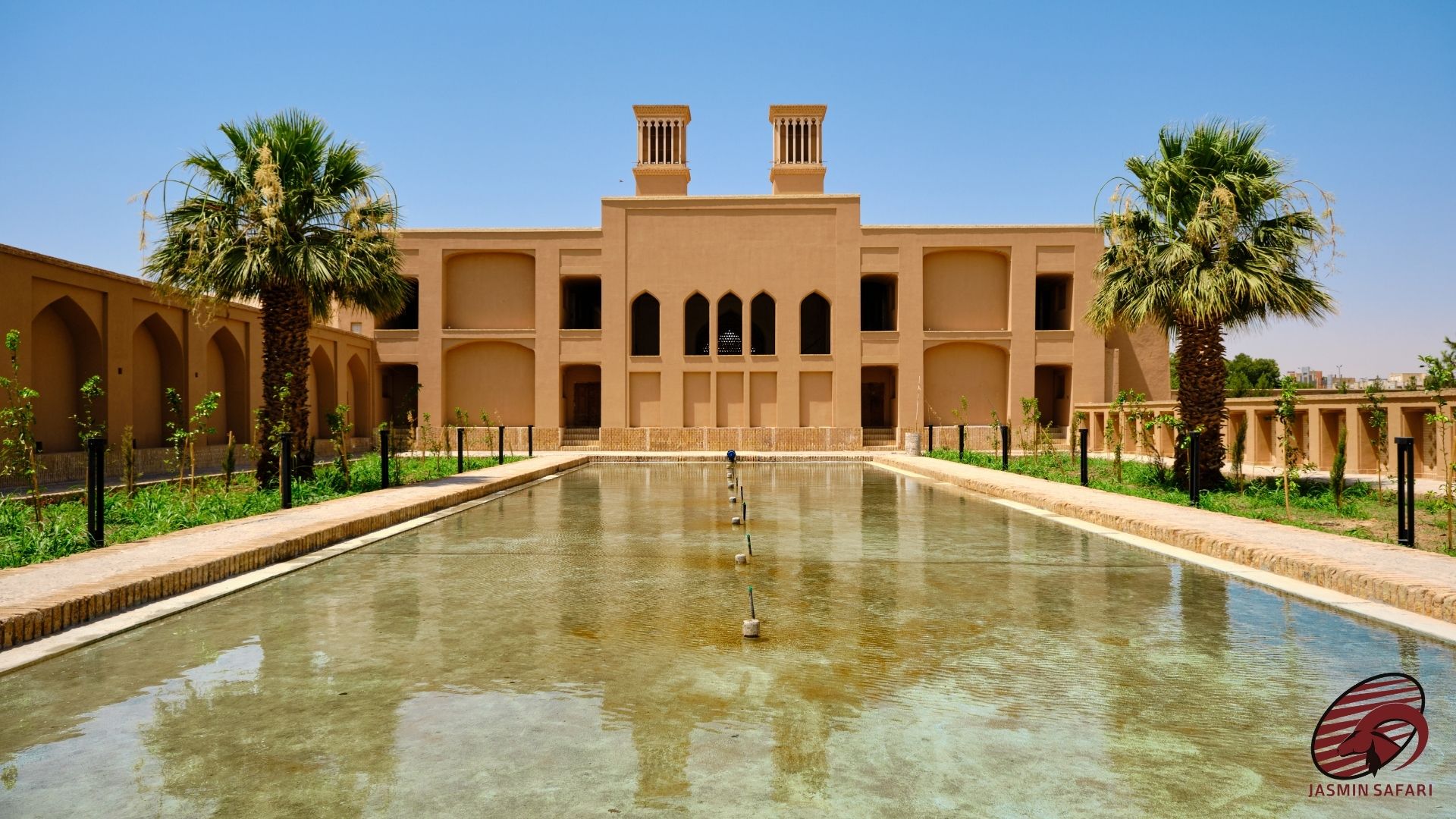
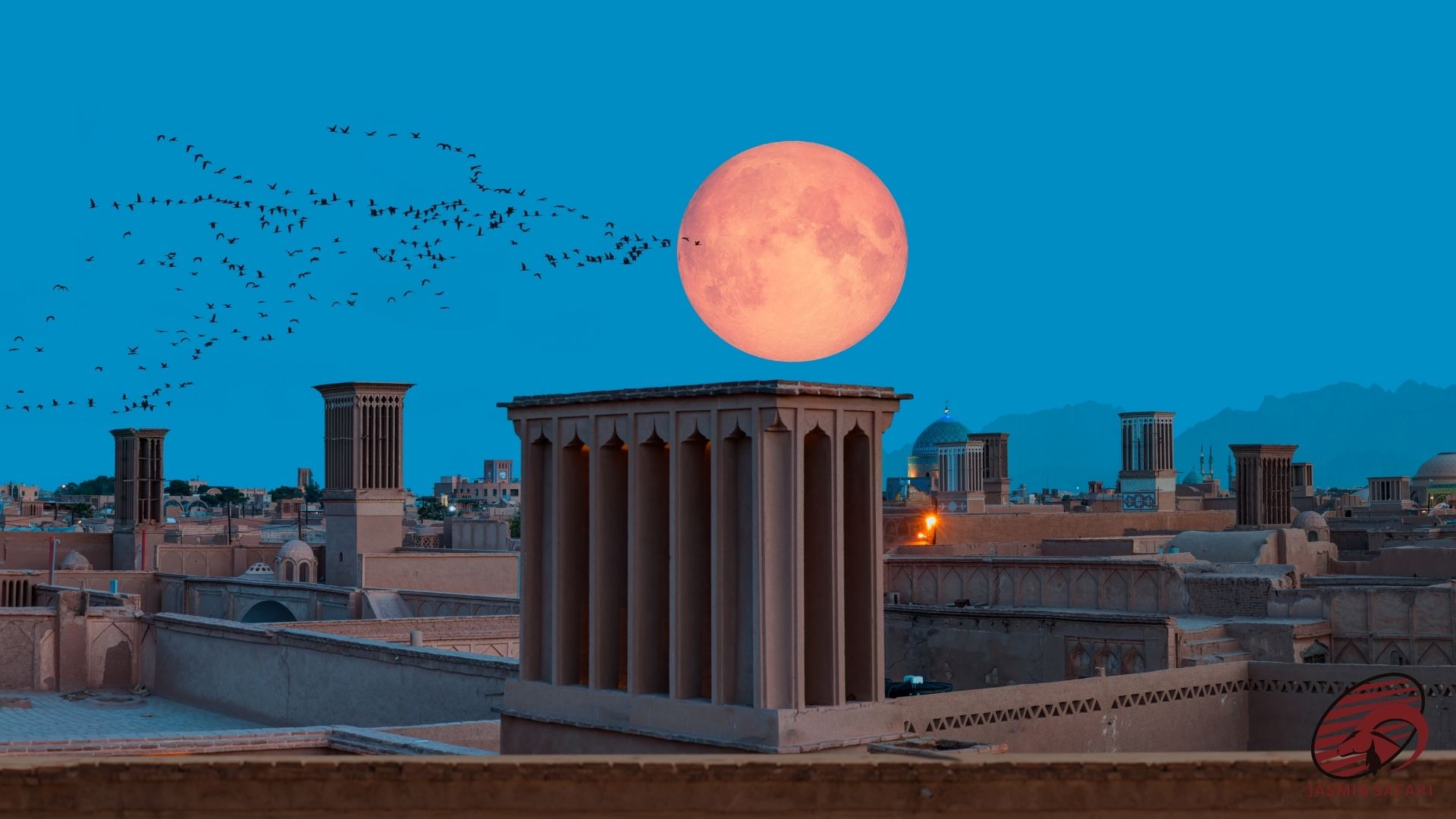
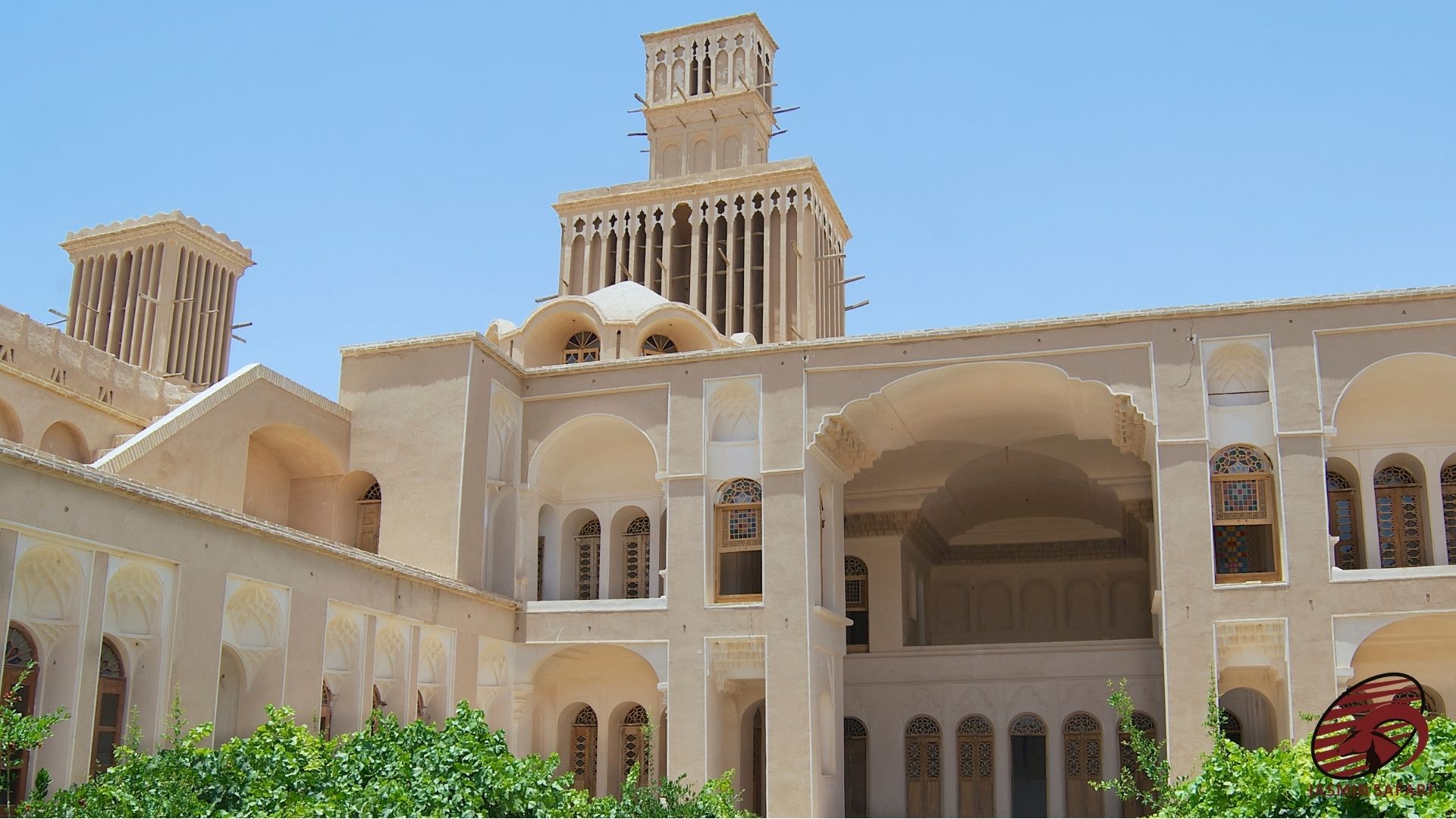
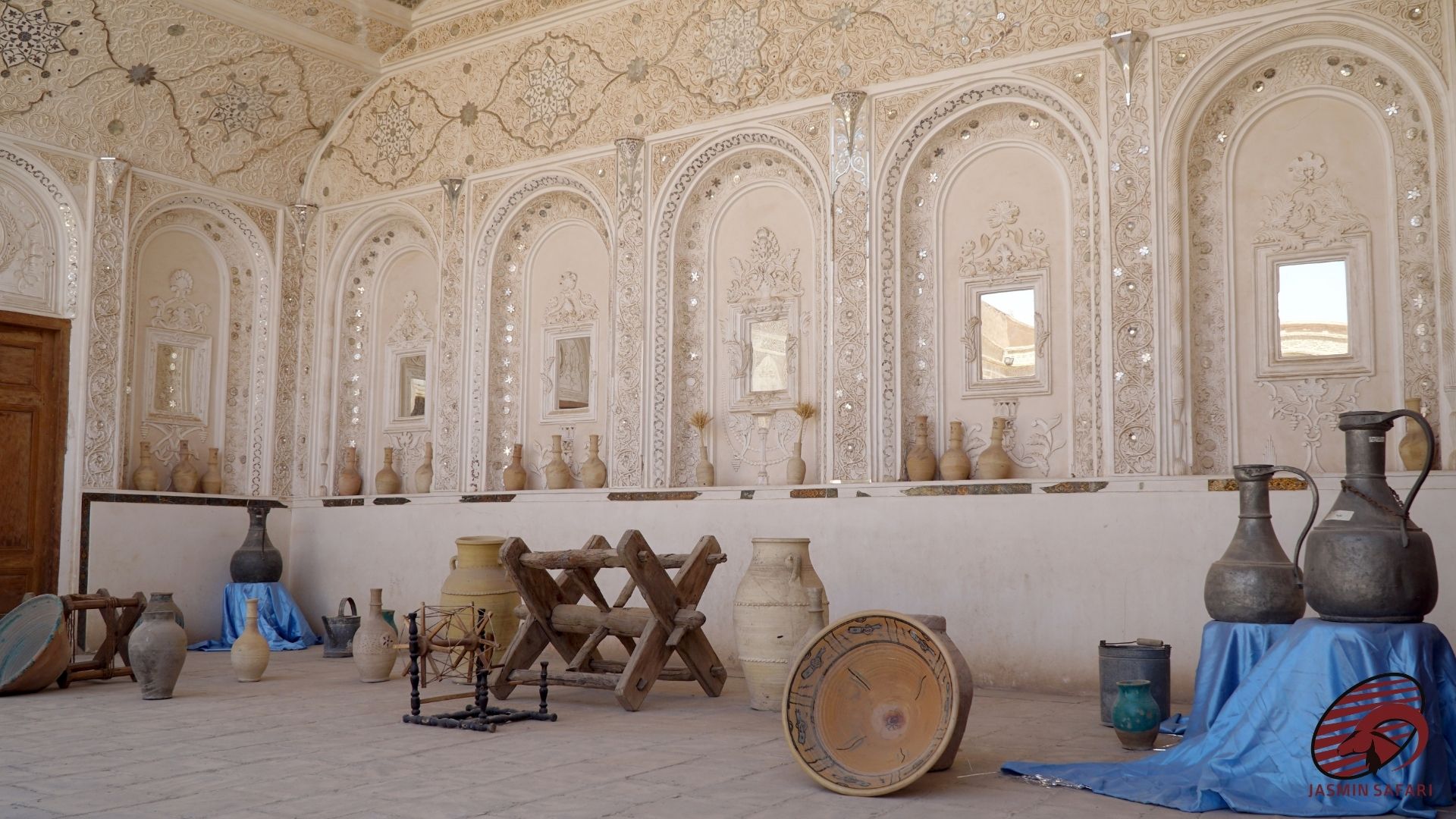
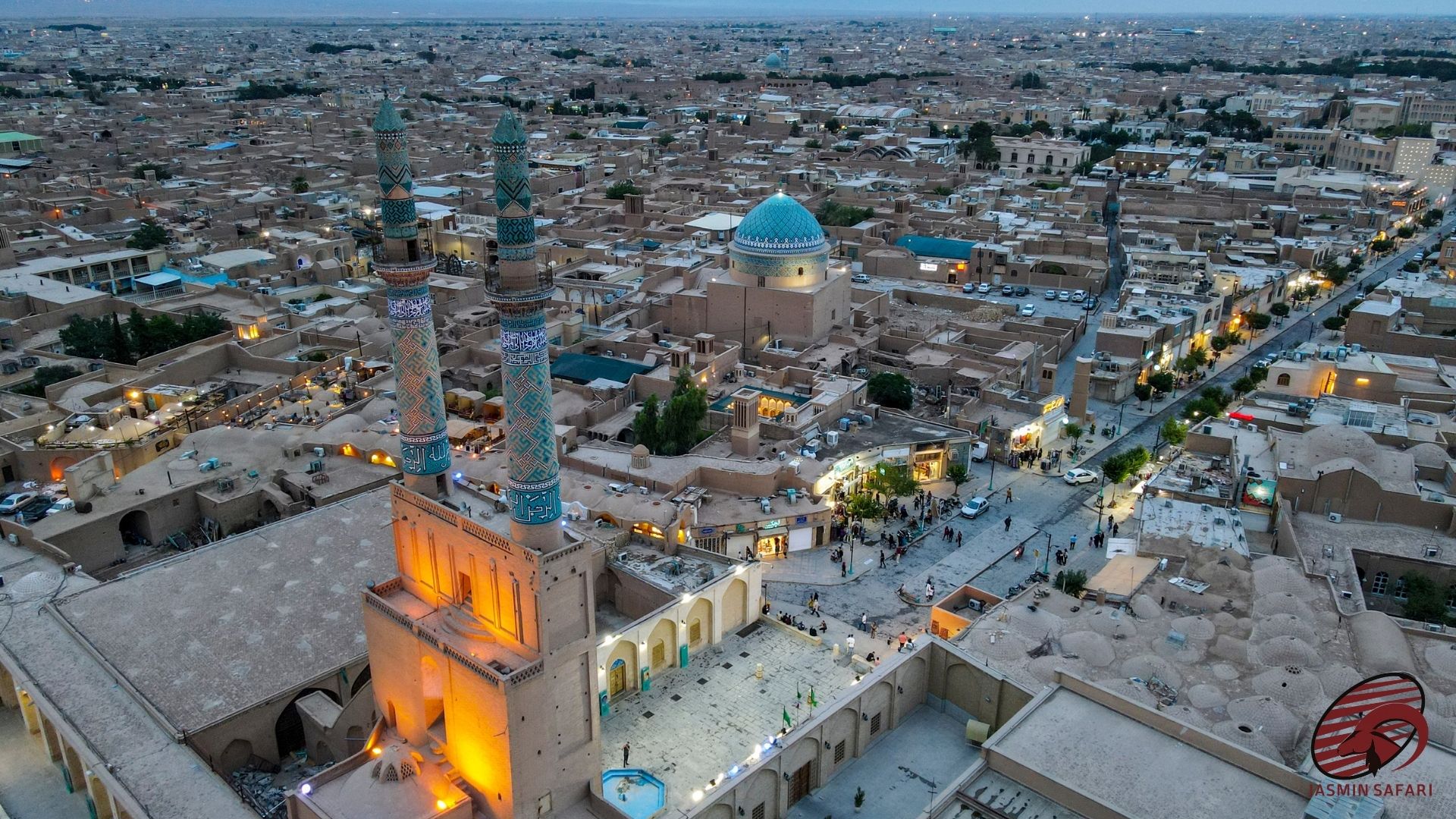
Yazd is a city unlike any other in Iran, recognized by UNESCO as the world’s first adobe (mud-brick) city due to its ancient and exceptionally well-preserved urban fabric. Located strategically in central Iran, it stands as a testament to human ingenuity in adapting to a harsh, hot and dry climate.
The city’s defining features are ingenious solutions to desert life:
- Windcatchers (Badgirs): These towering, multi-directional chimneys are an iconic architectural element, ingeniously designed to funnel the slightest breeze down into homes and cisterns, providing natural air conditioning.
- Qanats: Yazd is also famous as the city of ancient underground water channels (qanats), complex engineering marvels that tap mountain aquifers and transport water across vast distances, sustaining life and agriculture in the desert for millennia.
Beyond its architecture, Yazd has historically been a significant cultural and economic center. It is often referred to as the city of Termeh (a luxurious hand-woven silk and wool fabric) and is renowned for its jewelry craftsmanship, reflecting its status as a trading hub on the Silk Road. Furthermore, it holds the surprising title of the “City of Bicycles,” having adopted the bicycle early due to its flat, desert terrain.
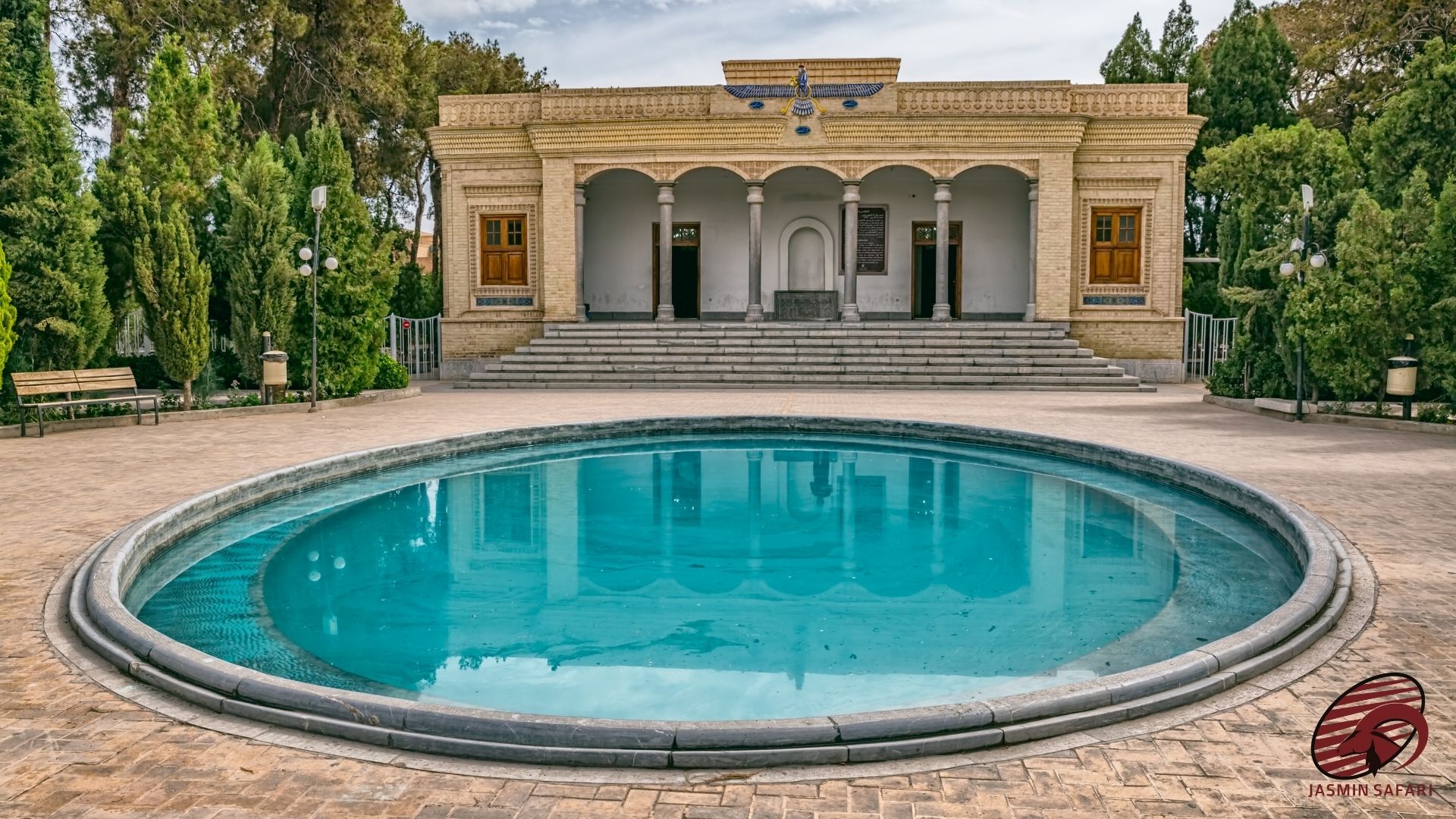
Today, Yazd remains a major hub for medicine, culture, and history, attracting global attention. Supported by excellent accommodation and tourism centers, visitors can easily immerse themselves in the deep history of its Zoroastrian, Islamic, and trading past, all while enjoying the city’s famous traditional sweets.