Hamun lake

Hamun lake

Hamun Lake is a massive and critically important transboundary wetland system located on the border of southeastern Iran (Sistan and Baluchestan Province) and southwestern Afghanistan. Historically, it was a vital source of life in the Sistan Basin, but it has become a symbol of severe environmental crisis and the geopolitical challenges of water management in arid regions.


Geography and Hydrology:

  • Location: The Hamun complex is situated in the Sistan Basin, an endorheic (closed) basin. It is a shared ecosystem between Iran and Afghanistan.
  • Lake System: The name “Hamun” refers to a system of shallow lakes and wetlands rather than a single body of water. When water levels are high, these separate lakes merge into a single large lake. The three main components are:
    • Hamun-e Puzak: The northeastern part, which extends into Afghanistan.
    • Hamun-e Saberi: The northwestern part, also shared between the two countries.
    • Hamun-e Helmand: The largest part, which lies entirely within Iran.
  • Water Source: The entire Hamun system is almost exclusively fed by the Helmand River, which originates in the Hindu Kush mountains in Afghanistan. Other seasonal tributaries also contribute water, especially from snowmelt in the spring.
  • Water Levels: The lake’s water levels are highly seasonal and have historically fluctuated dramatically. In wet years, the lakes could cover an area of up to 5,700 square kilometers (2,200 sq mi), making it the third-largest lake in Iran. Conversely, during dry years, it would shrink significantly or even completely dry up.


Ecology and Biodiversity:

  • Desert Oasis: Hamun Lake is a unique and vital wetland ecosystem in a desert environment. The presence of a vast freshwater lake in such a hot and arid region has created a rich habitat.
  • Flora: The wetlands are home to dense reed beds (Phragmites australis), which have traditionally been a source of material for local crafts and homes. The surrounding areas feature salt-tolerant plants and desert-adapted vegetation.
  • Fauna: The lake was historically a crucial habitat for a diverse range of wildlife.
    • Birds: Hamun was a critical stopover and wintering ground for millions of migratory birds from Siberia and other regions, including flamingos, pelicans, ducks, and herons. It is recognized as a Key Biodiversity Area (KBA) and a Ramsar site for its importance to migratory birds.
    • Fish: The lake once supported a rich fishery, with numerous native fish species.
    • Mammals: The surrounding areas were home to mammals like wolves and other desert animals.


History and Cultural Significance:

  • Ancient Civilization: The Sistan Basin and the Hamun wetlands have been inhabited for millennia. The area is home to important archaeological sites, including the prehistoric city of Shahr-e Sukhteh (“Burnt City”) and the ancient Achaemenid city of Dahan-e Gholaman.
  • Zoroastrianism: Hamun Lake holds immense religious and mythological significance for Zoroastrians. According to their mythology, the lake is where Zoroaster’s “seed” is kept, and three maidens will enter its waters at the end of time to give birth to saviors who will purify the world. Mount Khajeh, a solitary basalt hill rising from the lakebed, is a sacred pilgrimage site.
  • Local Livelihoods: For centuries, the local people’s culture and economy were intertwined with the lake. They developed a unique way of life centered around fishing, reed harvesting, and farming, building distinct reed boats and mud-brick houses to adapt to the environment.


The Crisis and Current Status:

Hamun Lake has suffered a catastrophic environmental crisis over the past few decades, leading to its near-total desiccation.

  • Drought and Climate Change: The primary cause is a prolonged and severe drought cycle, exacerbated by climate change, which has significantly reduced rainfall and snowmelt in the Hindu Kush mountains.
  • Upstream Water Management: The most significant human factor is the construction of dams and water diversion projects on the Helmand River in Afghanistan. This has drastically cut off the water supply to the Hamun system. The Kajaki Dam in Afghanistan is a major point of contention between the two countries regarding water rights.
  • Consequences of Desiccation: The drying up of Hamun Lake has had devastating consequences:
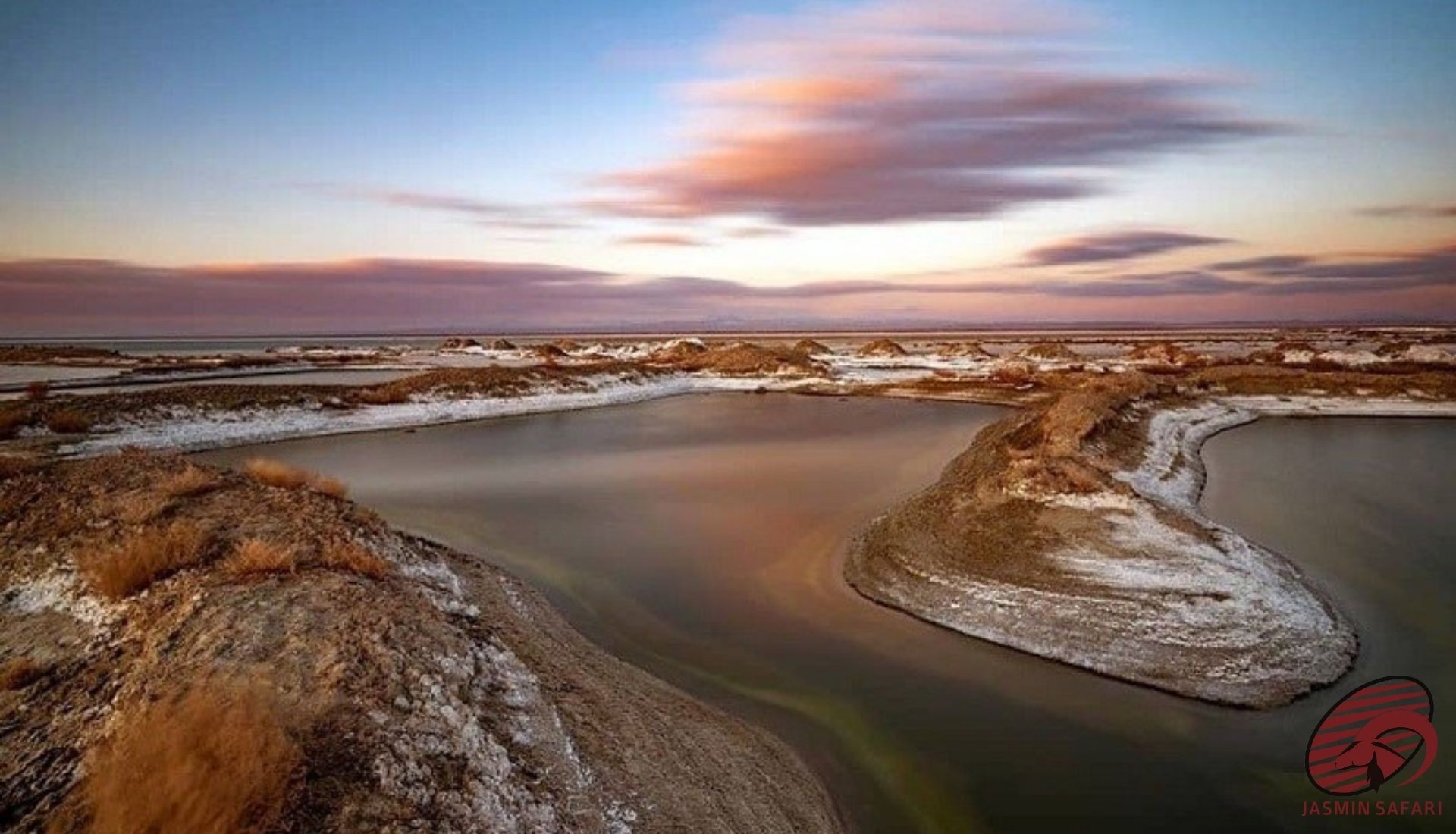
    • Ecological Collapse: The ecosystem has been decimated, with a massive loss of biodiversity. The lake’s wetlands, once vibrant with life, have been reduced to vast, cracked salt flats.
    • “Salt Storms”: The exposed lakebed generates frequent and intense sand and salt storms, locally known as “120-day winds,” which pollute the air, damage crops, and pose serious health risks to the local population.
    • Economic Ruin: The collapse of fishing, farming, and livestock herding has led to mass unemployment, poverty, and the displacement of thousands of people from the region.
    • Social and Political Conflict: The water crisis has strained relations between Iran and Afghanistan and has created social tensions and migration challenges within Iran.


Restoration and Future Outlook:

The Iranian government and international organizations have recognized the urgency of the situation. Efforts are being made to address the crisis, including:

  • Diplomatic Negotiations: Iran and Afghanistan have engaged in discussions to reach an agreement on the sharing of the Helmand River’s water.
  • Water Management Strategies: In Iran, authorities are working on projects to reduce water consumption in agriculture and manage existing water resources more efficiently.
  • Re-wetting Efforts: In years with sufficient rainfall, efforts are made to divert some water to the Hamun lakes to temporarily re-wet the area and mitigate the salt storms.

However, the future of Hamun Lake remains uncertain. The continued effects of climate change, combined with the complex geopolitical dynamics of transboundary water resources, make its full restoration a formidable challenge. The Hamun crisis is a stark example of how environmental degradation can lead to social, economic, and political instability.

Sources


Torshab Lake

Torshab Lake, also known as Tershab, is a Salt Lake located in the Kerman Province of southeastern Iran. It is a seasonal lake, meaning its
Read More »

Hamun lake

Hamun Lake is a massive and critically important transboundary wetland system located on the border of southeastern Iran (Sistan and Baluchestan Province) and southwestern Afghanistan.
Read More »

Neor Lake

Neor Lake, situated in the northwestern region of Iran, is a significant natural attraction located on the border between the Gilan and Ardabil provinces. It
Read More »

Evan Lake

Evan Lake, also known by its Persian name Evan Lake, is a stunning small alpine lake located in the Alamut region of the Alborz Mountain

Read More »

Contact Us

Discover the thrill of Big Game Safaris and Wild Boar hunting in Iran! Our expert guides and trackers will lead you to the best-kept hunting grounds. Join us for an unforgettable adventure!
 
© All Rights Reserved. 2025

Address