Spain’s Model: From Unregulated Hunting Grounds to a Global Example of Sustainable Wildlife Conservation
At a time when many countries are struggling with declining wildlife populations, the destruction of natural habitats, rapid urbanization, and mounting pressure on natural resources, finding successful models for wildlife conservation has become more important than ever. It is often assumed that economic development and environmental protection are conflicting objectives—that achieving one inevitably requires sacrificing the other. Spain’s experience, however, tells a different story: one that demonstrates how scientific management, effective legislation, public participation, and a long-term vision can create a meaningful balance between development and nature conservation.
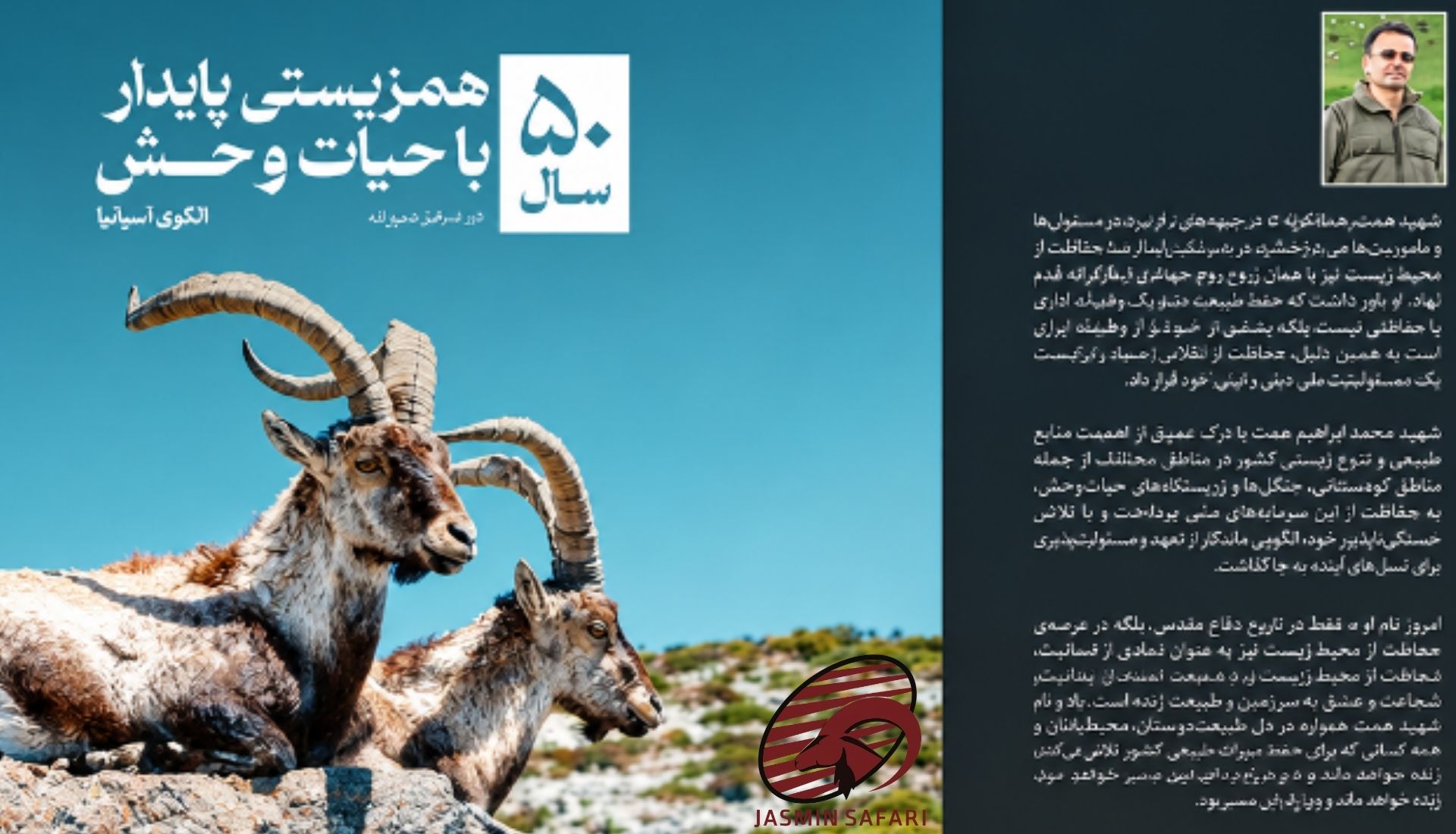
The book Fifty Years of Sustainable Coexistence with Wildlife: The Spanish Model, written by Dr. Esrafil Shafiezadeh, Manager of Jasmin Safari chronicles this remarkable transformation. It tells the story of a country that emerged from a period of ecological crisis and gradually developed a model of sustainable wildlife conservation with lessons that can inspire conservation efforts far beyond Spain.
The book takes readers on a historical journey through half a century of policymaking, planning, scientific management, and sustained commitment. The story begins in an era when significant areas of Spain’s natural environment were under severe pressure from uncontrolled hunting, habitat destruction, unbalanced development, and irresponsible exploitation of natural resources. Many valuable species were facing serious population declines, and concerns about the future of the country’s biodiversity were growing.
Yet, in the midst of these challenges, a new way of thinking began to emerge: the idea that protecting nature should not be viewed as an obstacle to national development, but as an integral part of it. The book carefully illustrates how this shift in perspective gradually evolved into practical policies and, ultimately, into significant conservation achievements.
One of the major strengths of the book is its detailed examination of the scientific and management mechanisms that were developed and implemented in Spain over the decades. Readers are introduced to the evolution of an extensive network of protected areas, national parks, biosphere reserves, and managed wildlife habitats. The book explains how habitat protection came to be recognized as a fundamental step in wildlife recovery and how this approach helped create the conditions necessary for the return and expansion of numerous wildlife populations.
Importantly, the book does not merely describe the outcomes; it explores the processes that made those outcomes possible.
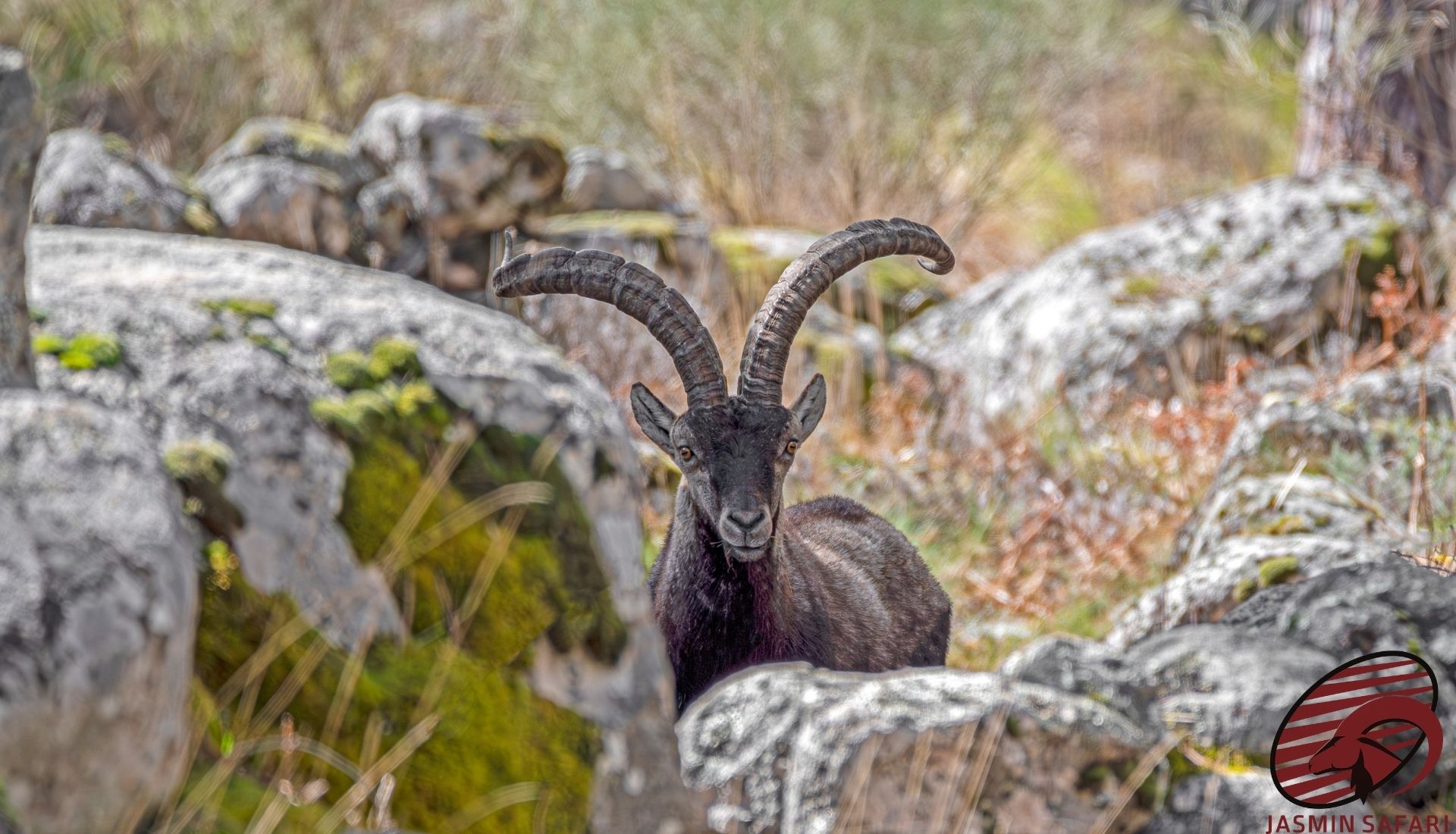
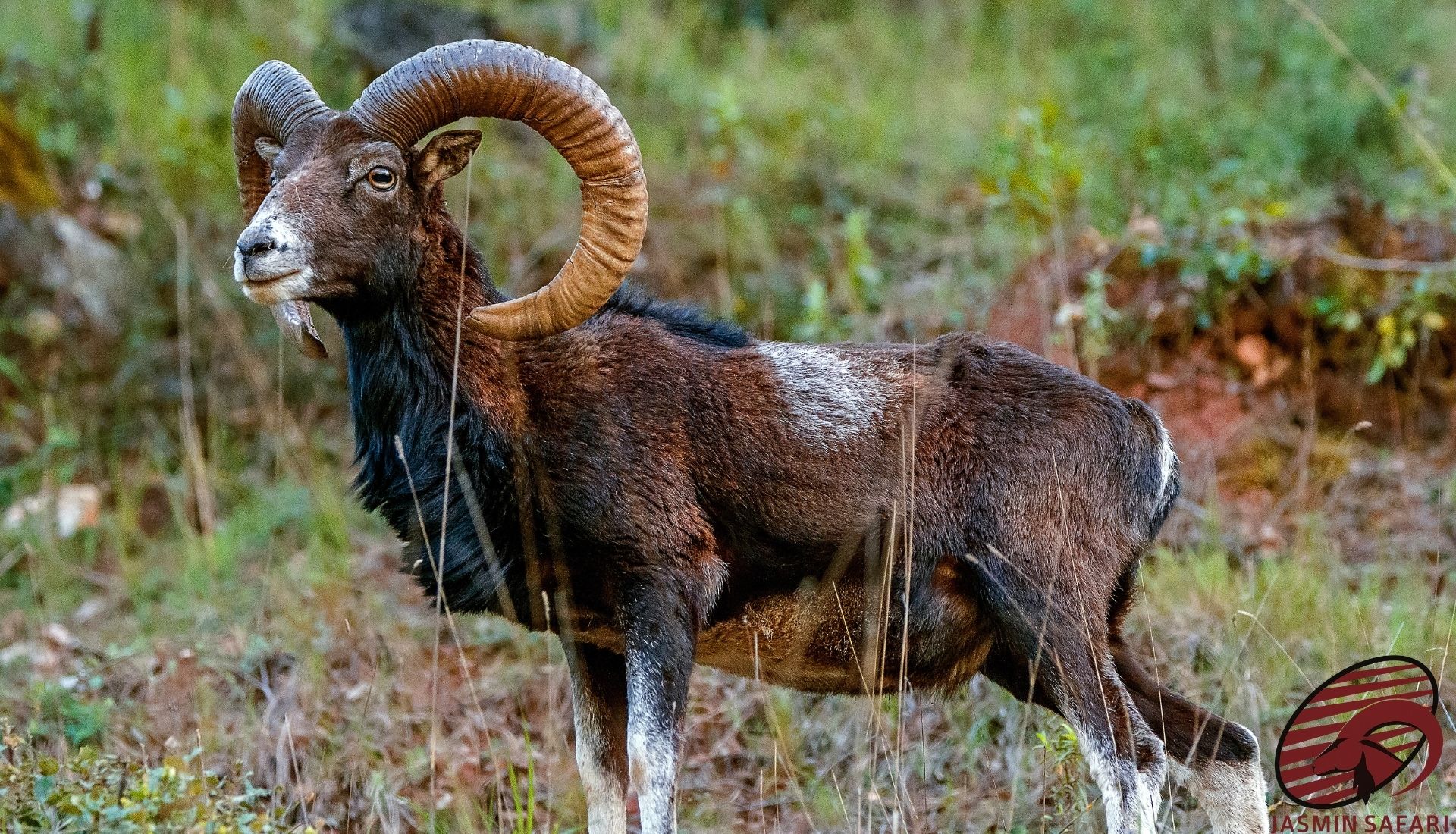
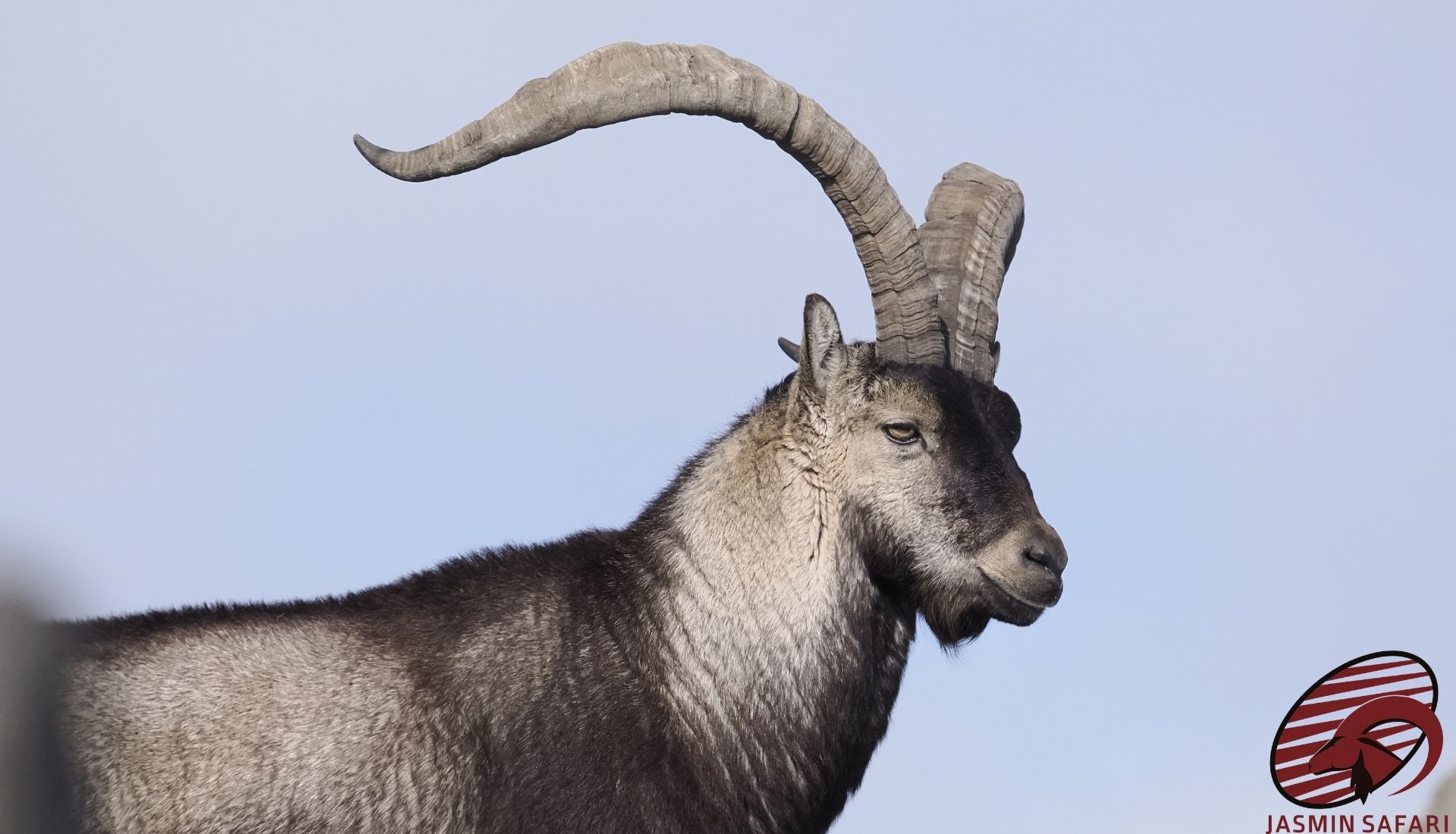
Throughout its chapters, the author introduces some of Spain’s most iconic wildlife species—animals that have become an integral part of the country’s natural heritage. From the Iberian ibex, inhabiting the rugged mountain landscapes of the Iberian Peninsula, to magnificent red deer of Mediterranean forests, mouflon, birds of prey, and other valuable mammals, the book examines the conservation stories of numerous species.
Readers discover how conservation programs, continuous monitoring, hunting regulation, and science-based wildlife management have contributed to the recovery of many populations and helped protect species from the threat of extinction.
A substantial part of the book is devoted to the role of science and research in wildlife conservation. Over the past several decades, Spain has made significant investments in environmental research, scientific data collection, wildlife population monitoring, and the application of modern technologies.
The use of camera traps, satellite tracking systems, drones, habitat-monitoring technologies, and advanced biodiversity databases are among the approaches examined in the book. The author demonstrates how evidence-based decision-making and the systematic use of scientific knowledge have significantly improved the quality and effectiveness of wildlife management.
At the same time, the book places particular emphasis on the role of local communities. One of the most important lessons from Spain’s experience is that conservation is most successful when people see themselves not as outsiders to the process, but as active participants in it.
Farmers, livestock owners, landowners, hunting associations, environmental organizations, and rural communities gradually became important partners in conservation initiatives. The book explores how education, public awareness, and the creation of shared interests between people and nature helped foster a new culture of environmental responsibility within Spanish society.
Another compelling theme of the book is the relationship between wildlife conservation and economic development. Contrary to the common perception that environmental protection necessarily limits economic growth, Spain’s experience demonstrates that conservation can also create new economic opportunities.
The development of ecotourism, nature-based tourism, birdwatching, rural tourism, and sustainably managed hunting has generated valuable sources of income for many rural and economically disadvantaged areas. This experience demonstrates that wildlife and natural ecosystems can become valuable assets for sustainable development—assets capable of protecting the environment while simultaneously supporting and improving local livelihoods.
The book also addresses the complex challenges that have accompanied wildlife conservation, including human–wildlife conflict, illegal hunting, wildlife diseases, climate change, and the pressures associated with urban and infrastructure development.
Rather than presenting conservation as a simple success story, the author offers a realistic account of the difficulties involved. Spain’s achievements, the book makes clear, are the result of difficult decisions, long-term investment, institutional learning, and the continuous adjustment and improvement of conservation policies.
This realistic perspective makes the book more than a narrative of success. It transforms it into a valuable source of insight, analysis, and practical lessons.
One of the most valuable aspects of the book is the potential for its lessons to be applied in other countries. Many of the strategies and policies implemented in Spain can provide inspiration for nations facing similar environmental challenges.
From the management of protected areas and the engagement of local communities to the adoption of modern technologies and the development of effective and enforceable legislation, the Spanish experience offers a range of approaches that can be considered when designing national strategies for nature and wildlife conservation.
Ultimately, this book is not simply about animals and habitats. It is about the relationship between humanity and nature.
It addresses a fundamental question: Can human societies achieve progress without destroying the natural environment upon which their future depends?
Can we build a future in which economic development, social well-being, and biodiversity conservation are not competing priorities, but interconnected elements of a sustainable society?
Spain’s experience offers an encouraging answer. It demonstrates that national commitment, scientific knowledge, effective governance, and responsible management can change the course of history and create a future in which people and wildlife can coexist.
Fifty Years of Sustainable Coexistence with Wildlife: The Spanish Model is a valuable work for managers, policymakers, researchers, university students, wildlife professionals, environmentalists, conservation practitioners, nature enthusiasts, and anyone concerned about the future of our planet.
It is the story of half a century of effort to protect nature—a story demonstrating that wildlife conservation is not an unattainable ideal, but a realistic and achievable goal, provided that humanity chooses to live with nature rather than against it.
Perhaps the central message of the book can be captured in a single sentence:
Whenever a nation makes the decision to protect its nature, nature, in turn, finds a way to protect that nation’s future.