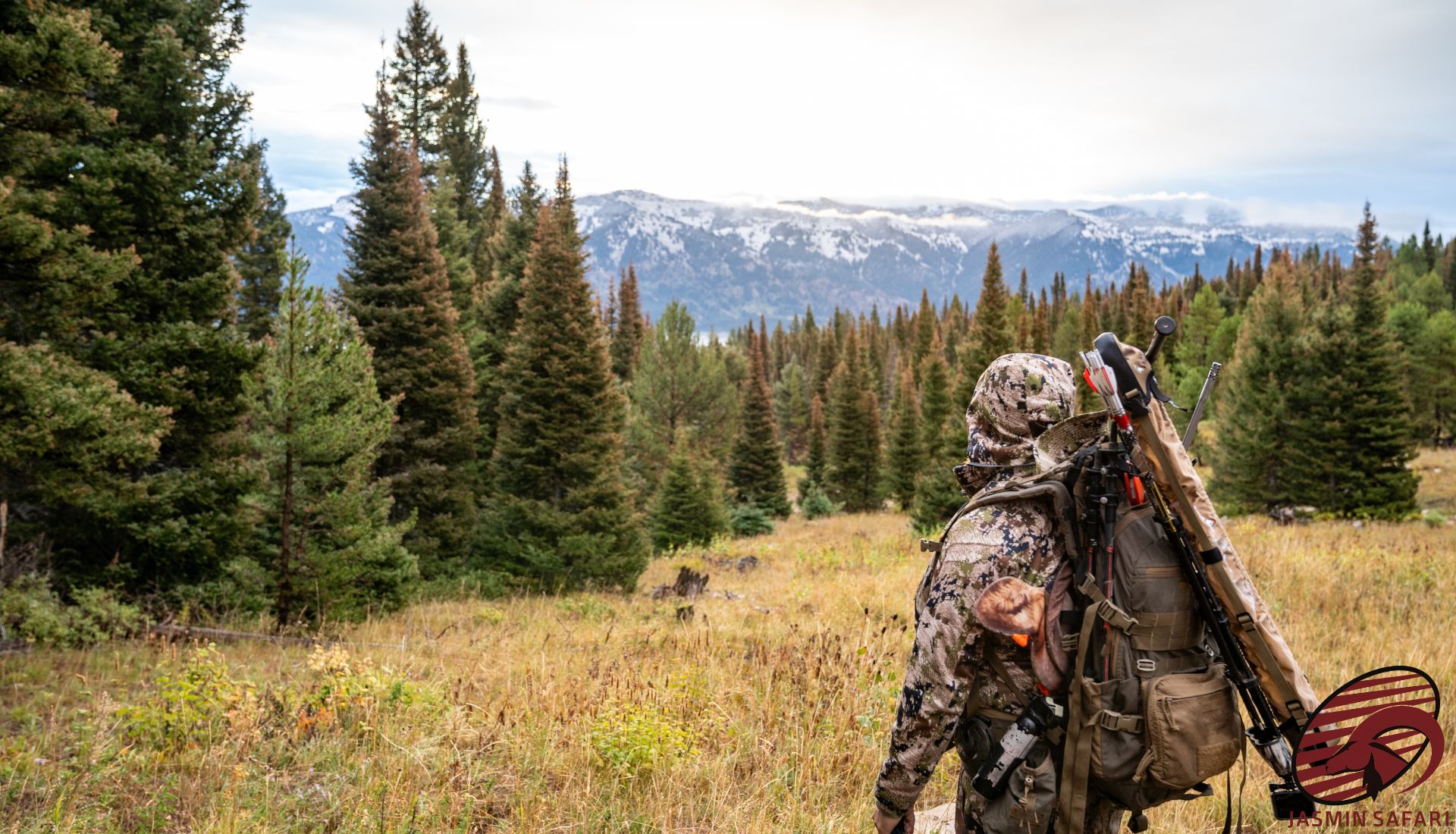
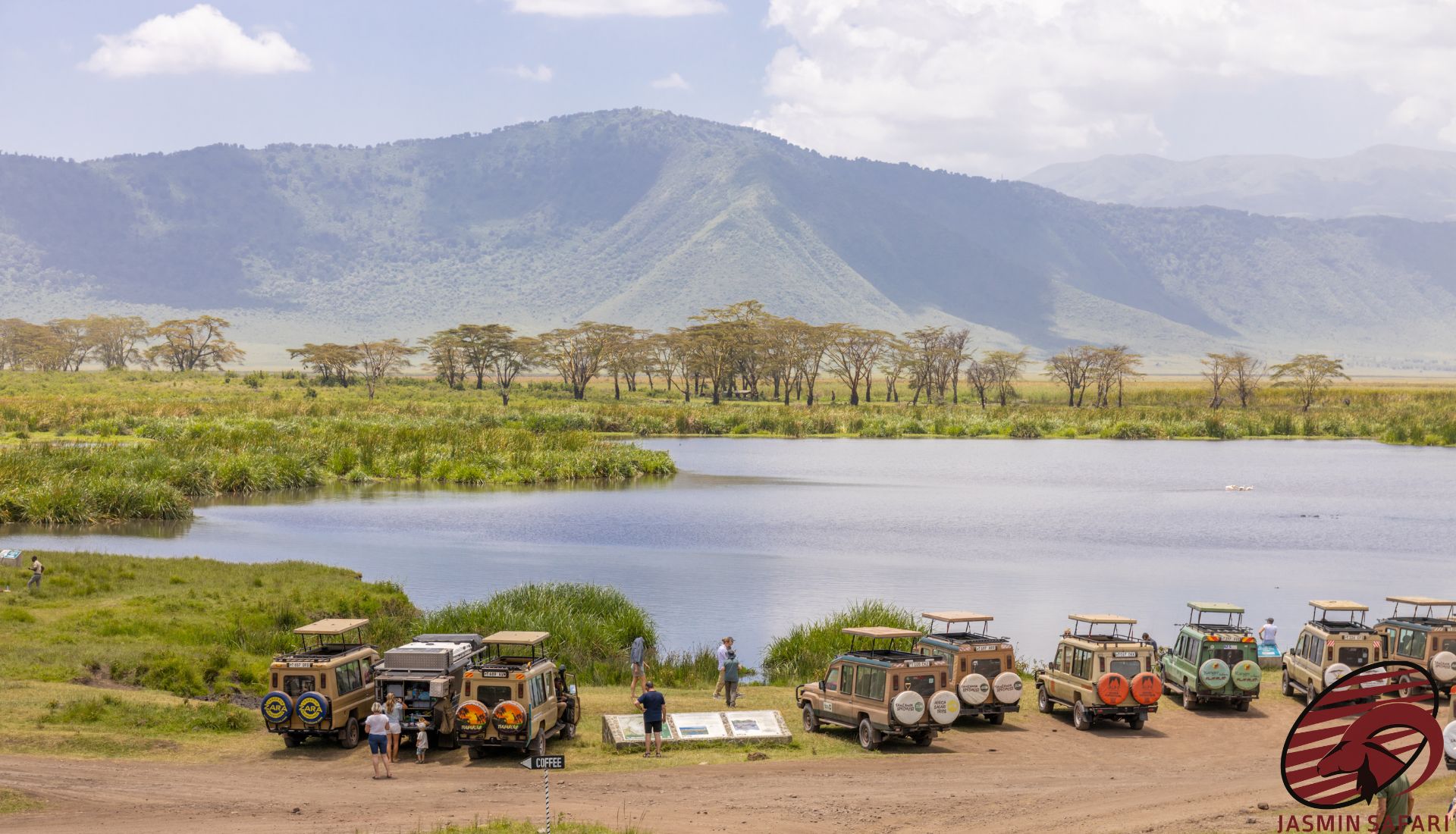
Hunting tourism is a specialized, high-risk market globally. It is neither a mass-tourism sector nor an investment opportunity whose profitability can be inferred simply from growth in the broader tourism industry. Its financial attractiveness depends on legal and sustainable access to permitted species, the quality of area management, high-spending clientele, and regulatory stability. Conversely, legal, conservation-related, reputational, and insurance risks can abruptly disrupt the entire business model.
From a conventional investment perspective, the most suitable approach is generally a diversified nature-based tourism business in which legal hunting, where permitted, is offered as just one of several products rather than serving as the primary source of revenue.
1. Market Definition and Scope
Hunting tourism is not a single, unified global market. Depending on the country and species involved, it may include recreational hunting, trophy hunting, bird hunting, or hunting trips in privately or publicly managed areas. Laws and social norms vary considerably between countries; therefore, global market figures should be interpreted with caution.
When estimating the market, the following segments should be assessed separately rather than relying on a single overall figure:
- Domestic and international tourists;
- Recreational hunters and trophy-hunting travelers;
- Permitted species and hunting areas;
- Travel, accommodation, guiding, equipment, and post-trip services;
- Direct business revenue versus revenue received by governments or local communities.
Available data in this sector are often fragmented, based on differing definitions, and may have been produced by organizations with vested interests. For investment decisions, official permit records, tourism statistics, customer expenditure data, and operators’ financial statements are more reliable than marketing estimates.
2. Standard Assessment Framework
| Assessment Area | Key Factors | Required Evidence |
| Legal and Licensing | Availability of legally designated hunting areas and necessary permits | Valid permits, quotas, hunting seasons, operating rights, and local legal opinions |
| Environmental Sustainability | Compatibility of permitted harvest levels with wildlife populations and habitat carrying capacity | Independent population data, multi-year monitoring, and impact assessments |
| Market | Existence of potential and actual customers | Confirmed bookings, conversion rates, repeat booking rates, and customer acquisition costs |
| Project Economics | Positive net revenue after expenses and an acceptable return on investment | Financial models, cash-flow projections, working capital requirements, and sensitivity analysis |
| Local Communities | Measurable economic benefits from hunting tourism | Contracts, employment opportunities, revenue-sharing arrangements, and grievance mechanisms |
| Safety and Insurance | Appropriate safety measures for staff and guests, together with tour insurance | Risk assessments, emergency protocols, insurance coverage, and incident records |
| Reputation and International Markets | Cooperation from business partners, banks, and platforms regarding transfers and financial credibility | Review of policies adopted by insurers, banks, airlines, and sales intermediaries |
3. Economics and Profitability
Potential revenue generally comes from travel packages, accommodation, guiding services, transportation, and supplementary services. However, gross revenue alone is not an adequate measure of profitability. Major expenses include land leases or operating rights, habitat maintenance, staff and guides, international marketing, insurance, safety measures, permits, and transportation services.
At a minimum, the financial model should evaluate the following scenarios:
- A decline in customer numbers or trip cancellations;
- Unfavorable exchange-rate movements or rising transportation costs;
- Reduced hunting quotas or permit suspensions;
- Adverse seasonal conditions, wildlife diseases, or deterioration in habitat quality;
- Restrictions on importing or transporting hunting trophies;
- Loss of a source market or business partner.
A critical indicator is the break-even point under reduced demand and revenue assumptions. If a project is profitable only under an optimistic scenario, it is vulnerable as a long-term investment. Before making a decision, the risk-adjusted return, payback period, and working capital requirements should be calculated.
4. Regulations and International Trade
Operations may simultaneously be subject to the laws of the destination country, the tourist’s country of origin, and international regulations governing trade in wildlife species.
The Convention on International Trade in Endangered Species of Wild Fauna and Flora (CITES) establishes rules and permit requirements for international trade in listed species and their specimens. Specific requirements depend on the species, countries involved, and type of cross-border movement. Permission to hunt in a particular area does not automatically mean that the resulting specimens may legally be imported or exported.
Regulations concerning firearms, transportation, customs, protected natural areas, the rights of Indigenous peoples and local communities, and advertising or payment restrictions must also be examined separately.
Obtaining an initial permit is not sufficient; the financial model must also account for the risks associated with regulatory changes and permit renewals.
5. Nature Conservation and Social Legitimacy
Claims that hunting contributes to conservation should not be accepted without supporting evidence. An assessment must demonstrate that:
- Permitted wildlife harvesting is based on reliable data and independent monitoring;
- Revenue is genuinely allocated to habitat management and conservation;
- Species populations and ecological impacts are monitored over time;
- Local communities have a meaningful role in decision-making and benefit-sharing;
- Transparent mechanisms exist for complaints, audits, and corrective action.
The absence of independent data, financial transparency, or local community support is an investment warning sign.
Non-hunting nature tourism activities, such as wildlife watching and photography, should be evaluated as alternative business opportunities and comparative options, rather than automatically assuming that they have a lower environmental impact or are profitable.
6. Operational Standards and Risk Management
A professionally managed project should include, at a minimum:
- A written wildlife conservation policy prohibiting illegal activities;
- Independent environmental and social risk assessments;
- Established procedures for training, safety, incident response, and reporting;
- Appropriate liability insurance and insurance coverage for employees and guests;
- Clear contractual agreements with landowners, guides, and local communities;
- Financial audits and public reporting on revenue and the share allocated to conservation;
- Customer background-check procedures and compliance with trade and transportation regulations;
- A business continuity plan addressing permit suspensions, accidents, or reputational crises.
Management frameworks may draw on the principles of risk management standards such as ISO 31000 and environmental management systems such as ISO 14001. However, certification does not replace legal permits or provide proof of species sustainability.
7. Investment Assessment
Potential attractiveness: A specialized customer base with high spending capacity, opportunities to sell multi-day travel packages, and supplementary revenue from accommodation and related services.
Key Risks: Dependence on permits and quotas, demand fluctuations, environmental (conservation) concerns, social opposition, challenges in securing insurance and capital, and credit risks in international markets.
Conclusion: Investing exclusively in hunting tourism—particularly in the absence of a stable legal framework, independent data on environmental conservation, and acceptance by local communities—entails a high level of risk. Therefore, all relevant factors must be rigorously evaluated through a comprehensive feasibility study. A diversified, nature-based tourism model should not rely solely on revenue from hunting. Instead, the industry and tourism model can be bolstered and expanded by incorporating wildlife tours, nature and wildlife photography, and nature safaris.